Vallási személyiség
Philippe Barbarin
1950 - napjainkig
HU.WIKIPEDIA OLDALMEGTEKINTÉSEK (PV)
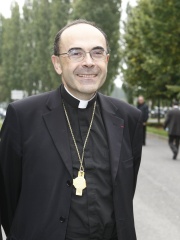

 Philippe Barbarin
Életrajza 26 különböző nyelven érhető el a Wikipédián (növekedés 23-ről 2024-ben). Philippe Barbarin a 1,422nd legnépszerűbb vallási személyiség (növekedés a 2,247th-ről 2024-ben), a 42nd legnépszerűbb életrajz Marokkó országából (növekedés a 87th-ről 2019-ben) és a 4th legnépszerűbb Marokkóból vallási személyiség.
Ismertségi mutatók
46k
Oldalmegtekintések
Elmúlt 12 hónap
63.85
HPI
Történelmi népszerűségi index
Adatérdekességek
+20k
Philippe Barbarin 19,649 helyet javított a Pantheon globális HPI-rangsorában, a(z) 42,272. helyről a(z) 22,643. helyre lépett.
Philippe Barbarin oldalmegtekintései nyelvenként
A(z) Vallási személyiség között
A(z) Vallási személyiség között Philippe Barbarin a(z) 1,422. helyen áll 3,189 közül. Előtte állnak: Ebussuud Efendi, Aga Khan II, Andrew Yeom Soo-jung, Marcial Maciel, Shaohao, és Simon Stock. Utána következnek: Annie Chapman, Michael von Faulhaber, Charles of Austria, Bishop of Wroclaw, Muslim ibn Aqil, Yohanan ben Zakkai, és Ippolito d'Este.
A legnépszerűbb Vallási személyiség a Wikipédián
Összes rangsor megtekintése
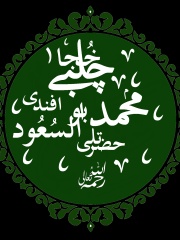
Ebussuud Efendi
1490 - 1574
HPI: 63.89
Helyezés: 1,416
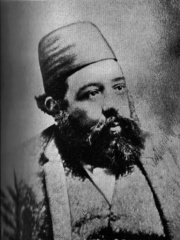
Aga Khan II
1830 - 1885
HPI: 63.88
Helyezés: 1,417
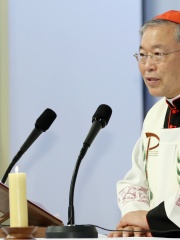
Andrew Yeom Soo-jung
1943 - napjainkig
HPI: 63.88
Helyezés: 1,418
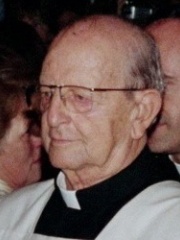
Marcial Maciel
1920 - 2008
HPI: 63.87
Helyezés: 1,419

Shaohao
HPI: 63.86
Helyezés: 1,420
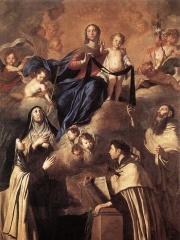
Simon Stock
1164 - 1265
HPI: 63.85
Helyezés: 1,421
Philippe Barbarin
1950 - napjainkig
HPI: 63.85
Helyezés: 1,422
Annie Chapman
1841 - 1888
HPI: 63.85
Helyezés: 1,423
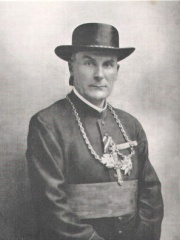
Michael von Faulhaber
1869 - 1952
HPI: 63.82
Helyezés: 1,424
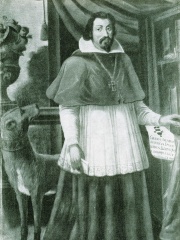
Charles of Austria, Bishop of Wroclaw
1590 - 1624
HPI: 63.81
Helyezés: 1,425
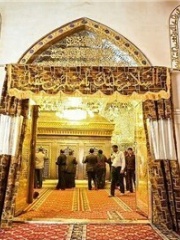
Muslim ibn Aqil
650 - 680
HPI: 63.81
Helyezés: 1,426

Yohanan ben Zakkai
50 - 70
HPI: 63.81
Helyezés: 1,427
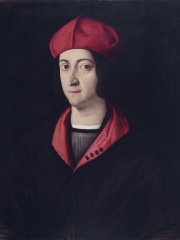
Ippolito d'Este
1479 - 1520
HPI: 63.80
Helyezés: 1,428

Kortársak
A(z) 1950. évben születettek között Philippe Barbarin a(z) 127. helyen áll. Előtte állnak: Jeffery Deaver, Genesis P-Orridge, Rick Baker, Charles, Prince Napoléon, Yuki Fushimi, és Martin Short. Utána következnek: Arthur D. Levinson, Ueli Maurer, Marius Trésor, Bobby McFerrin, Mory Kanté, és Ali Zeidan.
További személyek, akik a(z) 1950. évben születtek
Összes rangsor megtekintése
Jeffery Deaver
WRITER
1950 - napjainkig
HPI: 64.06
Helyezés: 121
Genesis P-Orridge
SINGER
1950 - 2020
HPI: 64.04
Helyezés: 122
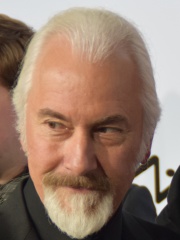
Rick Baker
ACTOR
1950 - napjainkig
HPI: 63.96
Helyezés: 123
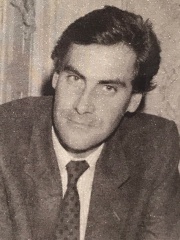
Charles, Prince Napoléon
POLITICIAN
1950 - napjainkig
HPI: 63.95
Helyezés: 124

Yuki Fushimi
SOCCER PLAYER
1950 - napjainkig
HPI: 63.87
Helyezés: 125
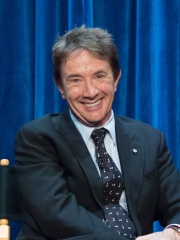
Martin Short
ACTOR
1950 - napjainkig
HPI: 63.85
Helyezés: 126
Philippe Barbarin
RELIGIOUS FIGURE
1950 - napjainkig
HPI: 63.85
Helyezés: 127

Arthur D. Levinson
BUSINESSPERSON
1950 - napjainkig
HPI: 63.77
Helyezés: 128
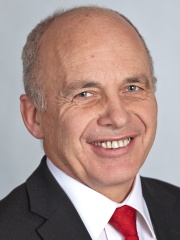
Ueli Maurer
POLITICIAN
1950 - napjainkig
HPI: 63.77
Helyezés: 129
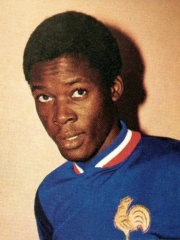
Marius Trésor
SOCCER PLAYER
1950 - napjainkig
HPI: 63.67
Helyezés: 130
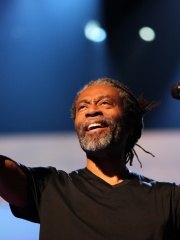
Bobby McFerrin
MUSICIAN
1950 - napjainkig
HPI: 63.59
Helyezés: 131
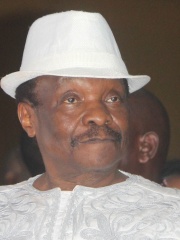
Mory Kanté
SINGER
1950 - 2020
HPI: 63.52
Helyezés: 132
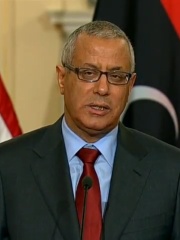
Ali Zeidan
POLITICIAN
1950 - napjainkig
HPI: 63.50
Helyezés: 133
A(z) Marokkó rangsorában
A(z) Marokkó területén születettek között Philippe Barbarin a(z) 42. helyen áll 341 közül. Előtte állnak: Sayyida al Hurra (1485), Ahmad al-Badawi (1199), Mohamed Choukri (1935), Mohammed ben Abdallah (1710), Lalla Latifa Amahzoune (1946), és Abd al-Rahman of Morocco (1779). Utána következnek: Ahmed Faras (1946), Muhammad IV of Morocco (1803), Christian de Portzamparc (1944), Mordechai Vanunu (1954), Abbas El Fassi (1940), és Abu Marwan Abd al-Malik I Saadi (1541).
További személyek, akik Marokkó területén születtek
Összes rangsor megtekintése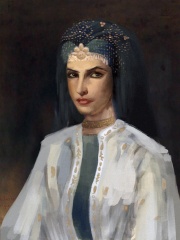
Sayyida al Hurra
POLITICIAN
1485 - 1542
HPI: 64.88
Helyezés: 36
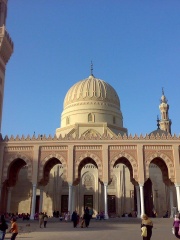
Ahmad al-Badawi
RELIGIOUS FIGURE
1199 - 1276
HPI: 64.63
Helyezés: 37
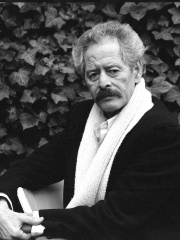
Mohamed Choukri
WRITER
1935 - 2003
HPI: 64.39
Helyezés: 38
Mohammed ben Abdallah
POLITICIAN
1710 - 1790
HPI: 64.21
Helyezés: 39

Lalla Latifa Amahzoune
NOBLEMAN
1946 - 2024
HPI: 64.12
Helyezés: 40
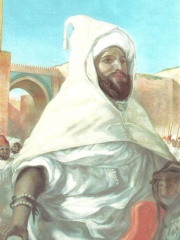
Abd al-Rahman of Morocco
POLITICIAN
1779 - 1859
HPI: 64.09
Helyezés: 41
Philippe Barbarin
RELIGIOUS FIGURE
1950 - napjainkig
HPI: 63.85
Helyezés: 42

Ahmed Faras
SOCCER PLAYER
1946 - 2025
HPI: 63.73
Helyezés: 43
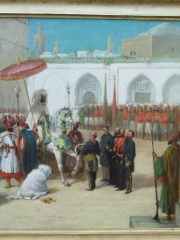
Muhammad IV of Morocco
POLITICIAN
1803 - 1873
HPI: 63.63
Helyezés: 44

Christian de Portzamparc
ARCHITECT
1944 - napjainkig
HPI: 63.61
Helyezés: 45
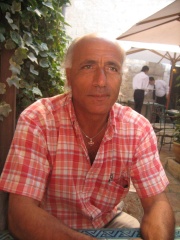
Mordechai Vanunu
SOCIAL ACTIVIST
1954 - napjainkig
HPI: 63.57
Helyezés: 46
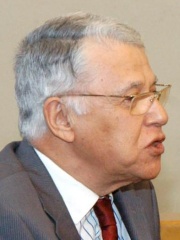
Abbas El Fassi
POLITICIAN
1940 - napjainkig
HPI: 63.41
Helyezés: 47
Abu Marwan Abd al-Malik I Saadi
POLITICIAN
1541 - 1578
HPI: 63.33
Helyezés: 48
A(z) Vallási személyiség között – Marokkó
A(z) Marokkó területén született Vallási személyiség között Philippe Barbarin a(z) 4. helyen áll. Előtte állnak: Dominique Mamberti (1952), Zeno of Verona (300), és Ahmad al-Badawi (1199). Utána következnek: Al-Shadhili (1197), és Baba Sali (1889).
Dominique Mamberti
1952 - napjainkig
HPI: 70.70
Helyezés: 1
Zeno of Verona
300 - 371
HPI: 67.99
Helyezés: 2
Ahmad al-Badawi
1199 - 1276
HPI: 64.63
Helyezés: 3
Philippe Barbarin
1950 - napjainkig
HPI: 63.85
Helyezés: 4
Al-Shadhili
1197 - 1258
HPI: 62.99
Helyezés: 5
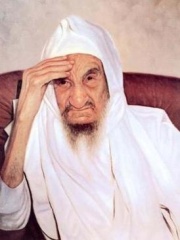
Baba Sali
1889 - 1984
HPI: 60.62
Helyezés: 6




