Arts
Leander of Seville
534 - 600
NL.WIKIPEDIA PAGE VIEWS (PV)
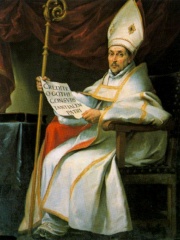
 Leander of Seville
Zijn biografie is beschikbaar in 25 verschillende talen op Wikipedia (toegenomen van 24 in 2024). Leander of Seville staat op plaats 203 onder de meest populaire arts (gestegen van plaats 230 in 2024), plaats 429 onder de meest populaire biografieën uit Spanje (gestegen van plaats 521 in 2019) en op plaats 6 onder de populairste arts uit Spanje.
Memorability Metrics
33k
Page Views
Past 12 months
66.30
HPI
Historical Popularity Index
Page views of Leander of Seville by language
Among Arts
Among arts, Leander of Seville ranks 203 out of 726. Before him are Fritz Klein, Hakaru Hashimoto, Torsten Wiesel, Hans Sloane, Franciscus Sylvius, and Robert Lefkowitz. After him are Duchenne de Boulogne, Leonid Rogozov, Georges Gilles de la Tourette, Marcel Petiot, Abd al-Latif al-Baghdadi, and Patch Adams.
Most Popular Arts in Wikipedia
Go to all Rankings
Fritz Klein
1888 - 1945
HPI: 66.54
Rank: 197
Hakaru Hashimoto
1881 - 1934
HPI: 66.53
Rank: 198
Torsten Wiesel
1924 - Present
HPI: 66.50
Rank: 199
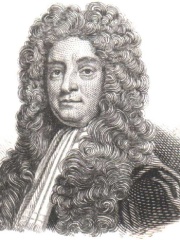
Hans Sloane
1660 - 1753
HPI: 66.43
Rank: 200
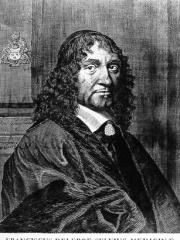
Franciscus Sylvius
1614 - 1672
HPI: 66.32
Rank: 201
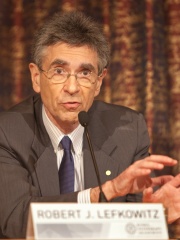
Robert Lefkowitz
1943 - Present
HPI: 66.32
Rank: 202
Leander of Seville
534 - 600
HPI: 66.30
Rank: 203
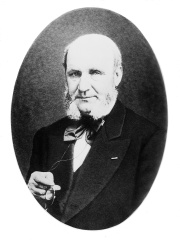
Duchenne de Boulogne
1806 - 1875
HPI: 66.29
Rank: 204

Leonid Rogozov
1934 - 2000
HPI: 66.29
Rank: 205
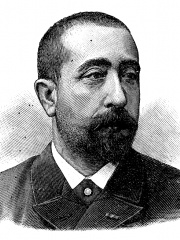
Georges Gilles de la Tourette
1857 - 1904
HPI: 66.25
Rank: 206
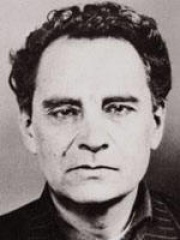
Marcel Petiot
1897 - 1946
HPI: 66.24
Rank: 207

Abd al-Latif al-Baghdadi
1162 - 1231
HPI: 66.22
Rank: 208
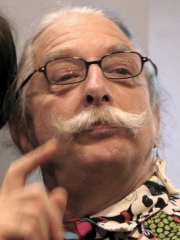
Patch Adams
1945 - Present
HPI: 66.21
Rank: 209

Contemporaries
Among people born in 534, Leander of Seville ranks 2. Before him is Theudebald. Among people deceased in 600, Leander of Seville ranks 8. Before him are Abraha, Qasim ibn Muhammad, Abd Manaf ibn Qusai, Priscian, Sophia, and Stephanus of Byzantium. After him are Icel of Mercia, Eutocius of Ascalon, Agathangelos, Hrólfr Kraki, Vulca, and John the Lydian.
Others Born in 534
Go to all Rankings
Others Deceased in 600
Go to all Rankings
Abraha
MILITARY PERSONNEL
600 - 600
HPI: 72.37
Rank: 2
Qasim ibn Muhammad
RELIGIOUS FIGURE
598 - 600
HPI: 70.99
Rank: 3
Abd Manaf ibn Qusai
RELIGIOUS FIGURE
430 - 600
HPI: 67.54
Rank: 4
Priscian
PHILOSOPHER
500 - 600
HPI: 66.63
Rank: 5
Sophia
POLITICIAN
530 - 600
HPI: 66.57
Rank: 6

Stephanus of Byzantium
POLITICIAN
501 - 600
HPI: 66.46
Rank: 7
Leander of Seville
PHYSICIAN
534 - 600
HPI: 66.30
Rank: 8

Icel of Mercia
POLITICIAN
501 - 600
HPI: 64.84
Rank: 9

Eutocius of Ascalon
MATHEMATICIAN
480 - 600
HPI: 63.85
Rank: 10
Agathangelos
WRITER
500 - 600
HPI: 63.67
Rank: 11
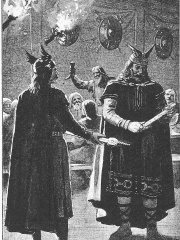
Hrólfr Kraki
POLITICIAN
596 - 600
HPI: 62.17
Rank: 12

Vulca
SCULPTOR
600 BC - 600
HPI: 61.52
Rank: 13

John the Lydian
WRITER
490 - 600
HPI: 61.50
Rank: 14
In Spanje
Among people born in Spanje, Leander of Seville ranks 429 out of NaN. Before him are Sancho VII of Navarre (1154), Pánfilo de Narváez (1478), Quini (1949), Princess Marie Isabelle of Orléans (1848), Josep Samitier (1902), and Ruy González de Clavijo (1400). After him are Sisebut (565), Miguel Induráin (1964), Ordoño III of León (926), Juan, Count of Montizón (1822), Bermudo II of León (953), and Francisco Pacheco (1564).
Others born in Spanje
Go to all Rankings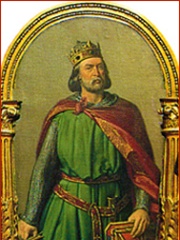
Sancho VII of Navarre
POLITICIAN
1154 - 1234
HPI: 66.36
Rank: 423
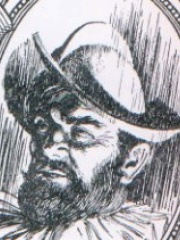
Pánfilo de Narváez
EXPLORER
1478 - 1528
HPI: 66.34
Rank: 424
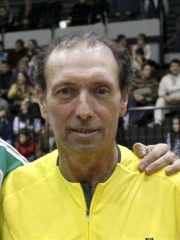
Quini
SOCCER PLAYER
1949 - 2018
HPI: 66.34
Rank: 425
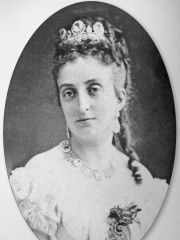
Princess Marie Isabelle of Orléans
POLITICIAN
1848 - 1919
HPI: 66.32
Rank: 426
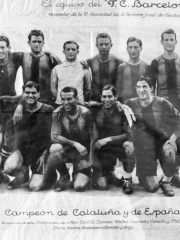
Josep Samitier
SOCCER PLAYER
1902 - 1972
HPI: 66.32
Rank: 427

Ruy González de Clavijo
WRITER
1400 - 1412
HPI: 66.30
Rank: 428
Leander of Seville
PHYSICIAN
534 - 600
HPI: 66.30
Rank: 429
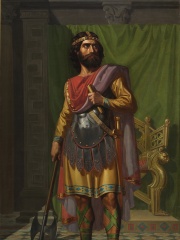
Sisebut
POLITICIAN
565 - 621
HPI: 66.30
Rank: 430
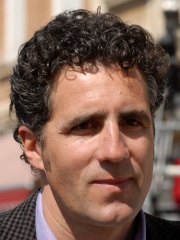
Miguel Induráin
CYCLIST
1964 - Present
HPI: 66.23
Rank: 431
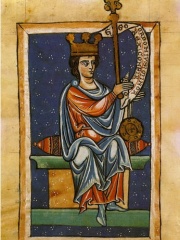
Ordoño III of León
POLITICIAN
926 - 956
HPI: 66.22
Rank: 432
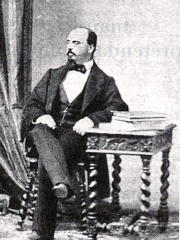
Juan, Count of Montizón
POLITICIAN
1822 - 1887
HPI: 66.22
Rank: 433
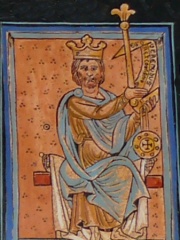
Bermudo II of León
POLITICIAN
953 - 999
HPI: 66.22
Rank: 434
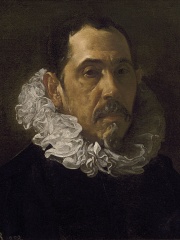
Francisco Pacheco
PAINTER
1564 - 1644
HPI: 66.20
Rank: 435
Among Arts In Spanje
Among arts born in Spanje, Leander of Seville ranks 6. Before him are Michael Servetus (1509), Al-Zahrawi (936), Ibn Zuhr (1091), Severo Ochoa (1905), and Joseph Calasanz (1556). After him are Hasdai ibn Shaprut (910), Petrus Alphonsi (1062), Nicolás Monardes (1508), Gregorio Marañón (1887), Concepción Aleixandre (1862), and Fernando Quiroga Palacios (1900).
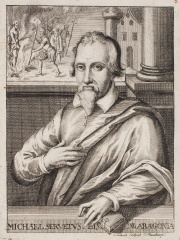
Michael Servetus
1509 - 1553
HPI: 76.85
Rank: 1
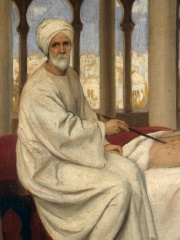
Al-Zahrawi
936 - 1013
HPI: 76.57
Rank: 2
Ibn Zuhr
1091 - 1162
HPI: 69.20
Rank: 3
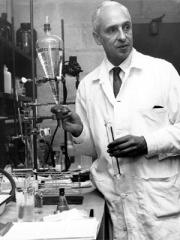
Severo Ochoa
1905 - 1993
HPI: 67.84
Rank: 4
Joseph Calasanz
1556 - 1648
HPI: 67.04
Rank: 5
Leander of Seville
534 - 600
HPI: 66.30
Rank: 6
Hasdai ibn Shaprut
910 - 975
HPI: 65.36
Rank: 7
Petrus Alphonsi
1062 - 1140
HPI: 59.12
Rank: 8
Nicolás Monardes
1508 - 1588
HPI: 57.46
Rank: 9
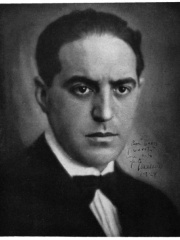
Gregorio Marañón
1887 - 1960
HPI: 56.19
Rank: 10
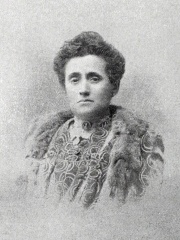
Concepción Aleixandre
1862 - 1952
HPI: 55.25
Rank: 11

Fernando Quiroga Palacios
1900 - 1971
HPI: 54.34
Rank: 12




