Religieuze figuur
Eisai
1141 - 1215
NL.WIKIPEDIA PAGE VIEWS (PV)
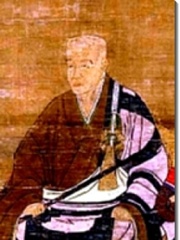
 Eisai
Eisai
Zijn biografie is beschikbaar in 28 verschillende talen op Wikipedia. Eisai staat op plaats 1.238 onder de meest populaire religieuze figuur (gedaald van plaats 1.147 in 2024), plaats 505 onder de meest populaire biografieën uit Japan (gedaald van plaats 439 in 2019) en op plaats 12 onder de populairste religieuze figuur uit Japan.
Memorability Metrics
38k
Page Views
Past 12 months
65.03
HPI
Historical Popularity Index
Page views of Eisai by language
Among Religieuze figuurs
Among religieuze figuurs, Eisai ranks 1,238 out of 3,187. Before him are Maurizio Malvestiti, Antipope Adalbert, George Hamartolos, Jürgen Moltmann, Nicholas of Japan, and Felix of Valois. After him are Clement Mary Hofbauer, Saint David, Jacob Baradaeus, William Levada, Margaret of Cortona, and Jebtsundamba Khutuktu.
Most Popular Religieuze Figuurs in Wikipedia
Go to all Rankings
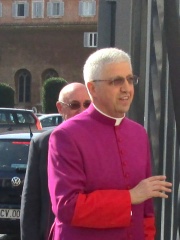
Maurizio Malvestiti
1953 - Present
HPI: 65.05
Rank: 1,232

Antipope Adalbert
1001 - 1102
HPI: 65.04
Rank: 1,233

George Hamartolos
900 - 867
HPI: 65.04
Rank: 1,234

Jürgen Moltmann
1926 - 2024
HPI: 65.04
Rank: 1,235
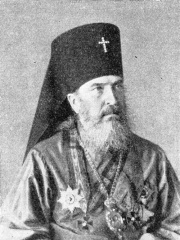
Nicholas of Japan
1836 - 1912
HPI: 65.04
Rank: 1,236
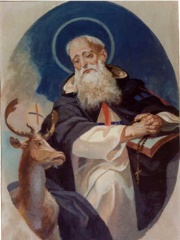
Felix of Valois
1127 - 1212
HPI: 65.03
Rank: 1,237
Eisai
1141 - 1215
HPI: 65.03
Rank: 1,238
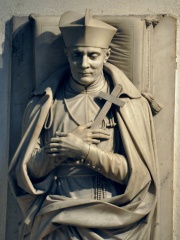
Clement Mary Hofbauer
1751 - 1820
HPI: 65.03
Rank: 1,239
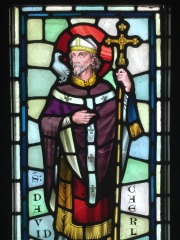
Saint David
512 - 589
HPI: 65.03
Rank: 1,240

Jacob Baradaeus
505 - 578
HPI: 65.01
Rank: 1,241

William Levada
1936 - 2019
HPI: 65.01
Rank: 1,242
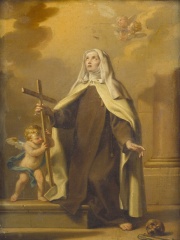
Margaret of Cortona
1247 - 1297
HPI: 65.01
Rank: 1,243

Jebtsundamba Khutuktu
HPI: 65.00
Rank: 1,244

Contemporaries
Among people born in 1141, Eisai ranks 4. Before him are Nizami Ganjavi, Gerard de Ridefort, and Malcolm IV of Scotland. After him are Floris III, Count of Holland, and Azalais de Porcairagues. Among people deceased in 1215, Eisai ranks 3. Before him are Bertran de Born, and Gottfried von Strassburg. After him are Michael I Komnenos Doukas, and Hōjō Tokimasa.
Others Born in 1141
Go to all Rankings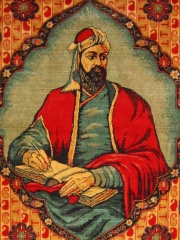
Nizami Ganjavi
WRITER
1141 - 1209
HPI: 78.77
Rank: 1
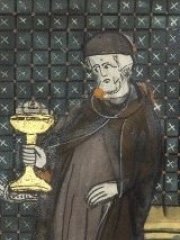
Gerard de Ridefort
POLITICIAN
1141 - 1189
HPI: 72.76
Rank: 2
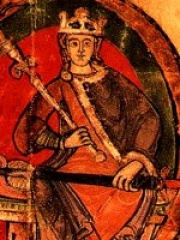
Malcolm IV of Scotland
POLITICIAN
1141 - 1165
HPI: 68.34
Rank: 3
Eisai
RELIGIOUS FIGURE
1141 - 1215
HPI: 65.03
Rank: 4
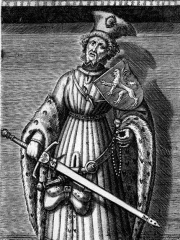
Floris III, Count of Holland
POLITICIAN
1141 - 1190
HPI: 62.69
Rank: 5

Azalais de Porcairagues
WRITER
1141 - 1177
HPI: 59.79
Rank: 6
Others Deceased in 1215
Go to all Rankings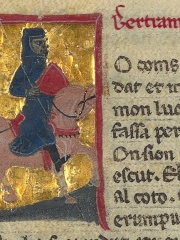
Bertran de Born
WRITER
1140 - 1215
HPI: 67.90
Rank: 1
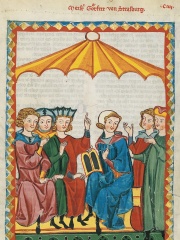
Gottfried von Strassburg
WRITER
1180 - 1215
HPI: 67.75
Rank: 2
Eisai
RELIGIOUS FIGURE
1141 - 1215
HPI: 65.03
Rank: 3
Michael I Komnenos Doukas
POLITICIAN
1200 - 1215
HPI: 64.17
Rank: 4
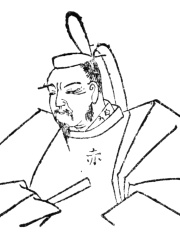
Hōjō Tokimasa
POLITICIAN
1138 - 1215
HPI: 63.67
Rank: 5
In Japan
Among people born in Japan, Eisai ranks 505 out of NaN. Before him are Fumihiko Maki (1928), Kunisada (1786), Takeo Takahashi (1947), Mōri Terumoto (1533), Saitō Hajime (1844), and Seki Takakazu (1642). After him are Kenzō Takada (1939), Fusajiro Yamauchi (1859), Emperor Go-Reizei (1025), Takijirō Ōnishi (1891), Ōkuma Shigenobu (1838), and Takeo Fukuda (1905).
Others born in Japan
Go to all Rankings
Fumihiko Maki
ARCHITECT
1928 - 2024
HPI: 65.11
Rank: 499

Kunisada
PAINTER
1786 - 1865
HPI: 65.08
Rank: 500

Takeo Takahashi
SOCCER PLAYER
1947 - Present
HPI: 65.07
Rank: 501
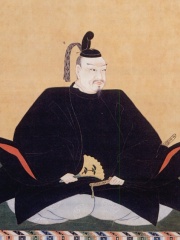
Mōri Terumoto
POLITICIAN
1533 - 1625
HPI: 65.06
Rank: 502
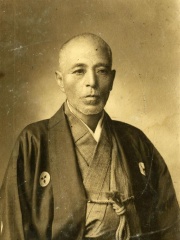
Saitō Hajime
MILITARY PERSONNEL
1844 - 1915
HPI: 65.06
Rank: 503
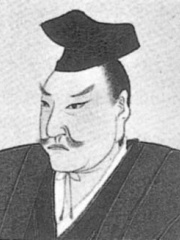
Seki Takakazu
MATHEMATICIAN
1642 - 1708
HPI: 65.04
Rank: 504
Eisai
RELIGIOUS FIGURE
1141 - 1215
HPI: 65.03
Rank: 505
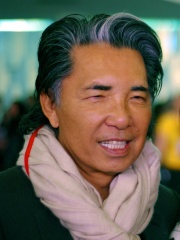
Kenzō Takada
FASHION DESIGNER
1939 - 2020
HPI: 65.02
Rank: 506

Fusajiro Yamauchi
BUSINESSPERSON
1859 - 1940
HPI: 65.02
Rank: 507

Emperor Go-Reizei
POLITICIAN
1025 - 1068
HPI: 65.00
Rank: 508
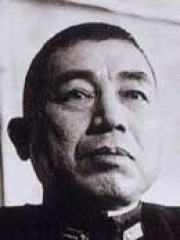
Takijirō Ōnishi
MILITARY PERSONNEL
1891 - 1945
HPI: 64.95
Rank: 509
Ōkuma Shigenobu
POLITICIAN
1838 - 1922
HPI: 64.93
Rank: 510
Takeo Fukuda
POLITICIAN
1905 - 1995
HPI: 64.91
Rank: 511
Among Religieuze figuurs In Japan
Among religieuze figuurs born in Japan, Eisai ranks 12. Before him are Benkei (1155), Abe no Seimei (921), Sen no Rikyū (1522), Mikao Usui (1865), Yamamoto Tsunetomo (1659), and Ikkyū (1394). After him are Saichō (767), Shinran (1173), Dom Justo Takayama (1552), Shunryū Suzuki (1904), Kōdō Sawaki (1880), and Hōnen (1133).
Benkei
1155 - 1189
HPI: 70.14
Rank: 6
Abe no Seimei
921 - 1005
HPI: 69.22
Rank: 7
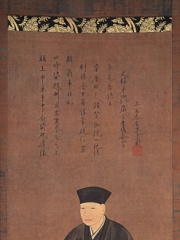
Sen no Rikyū
1522 - 1591
HPI: 69.18
Rank: 8
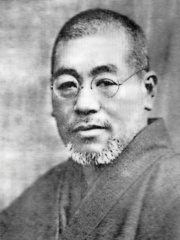
Mikao Usui
1865 - 1926
HPI: 67.34
Rank: 9
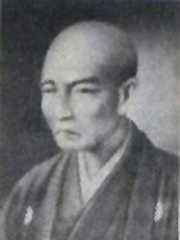
Yamamoto Tsunetomo
1659 - 1719
HPI: 66.14
Rank: 10
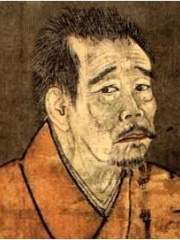
Ikkyū
1394 - 1481
HPI: 65.93
Rank: 11
Eisai
1141 - 1215
HPI: 65.03
Rank: 12
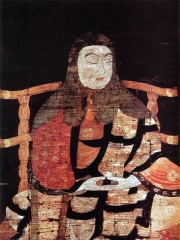
Saichō
767 - 822
HPI: 64.08
Rank: 13
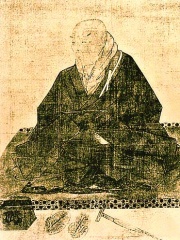
Shinran
1173 - 1263
HPI: 64.07
Rank: 14
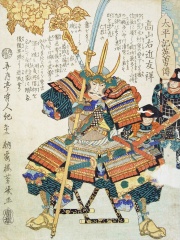
Dom Justo Takayama
1552 - 1615
HPI: 63.96
Rank: 15
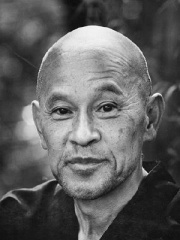
Shunryū Suzuki
1904 - 1971
HPI: 63.66
Rank: 16
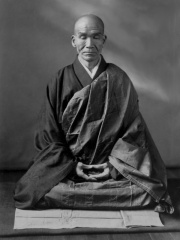
Kōdō Sawaki
1880 - 1965
HPI: 63.03
Rank: 17
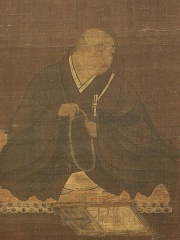
Hōnen
1133 - 1212
HPI: 62.84
Rank: 18




