Filosoof
Crantor
400 BC - 276 BC
NL.WIKIPEDIA-PAGINAWEERGAVEN (PV)

 Crantor
Zijn biografie is beschikbaar in 25 verschillende talen op Wikipedia (toegenomen van 22 in 2024). Crantor staat op plaats 552 onder de meest populaire filosoof (gestegen van plaats 703 in 2024), plaats 544 onder de meest populaire biografieën uit Turkije (gestegen van plaats 679 in 2019) en op plaats 33 onder de populairste filosoof uit Turkije.
Bekendheidsstatistieken
11k
Paginaweergaven
Afgelopen 12 maanden
65.35
HPI
Historische populariteitsindex
Paginaweergaven van Crantor per taal
Onder Filosoof
Onder Filosoof staat Crantor op plaats 552 van 1,267. Vóór hem staan P. D. Ouspensky, Gersonides, Georg Henrik von Wright, Vinayak Damodar Savarkar, Clitomachus, en William of Champeaux. Na hem komen Zhou Dunyi, Cesare Ripa, James Ussher, Paul Grice, Karl Korsch, en Arete of Cyrene.
Populairste Filosoof op Wikipedia
Naar alle ranglijsten
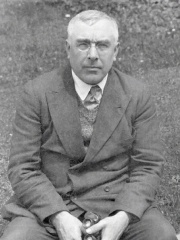
P. D. Ouspensky
1878 - 1947
HPI: 65.44
Plaats: 546

Gersonides
1288 - 1344
HPI: 65.44
Plaats: 547
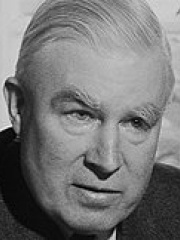
Georg Henrik von Wright
1916 - 2003
HPI: 65.41
Plaats: 548
Vinayak Damodar Savarkar
1883 - 1966
HPI: 65.41
Plaats: 549

Clitomachus
187 BC - 110 BC
HPI: 65.41
Plaats: 550

William of Champeaux
1070 - 1121
HPI: 65.40
Plaats: 551
Crantor
400 BC - 276 BC
HPI: 65.35
Plaats: 552
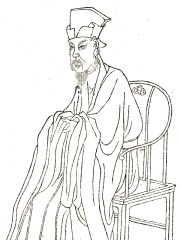
Zhou Dunyi
1017 - 1073
HPI: 65.34
Plaats: 553
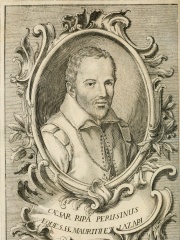
Cesare Ripa
1555 - 1622
HPI: 65.33
Plaats: 554

James Ussher
1581 - 1656
HPI: 65.28
Plaats: 555
Paul Grice
1913 - 1988
HPI: 65.27
Plaats: 556
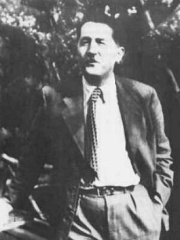
Karl Korsch
1886 - 1961
HPI: 65.26
Plaats: 557

Arete of Cyrene
400 BC - 340 BC
HPI: 65.25
Plaats: 558

Tijdgenoten
Onder de mensen geboren in 400 BC staat Crantor op plaats 31. Vóór hem staan Lais of Corinth, Polemon, Titus Manlius Imperiosus Torquatus, Harpalus, Crates of Athens, en Apama. Na hem komen Arete of Cyrene, Attalus, Dinocrates, Zoilus, Gan De, en Amastrine. Onder de mensen overleden in 276 BC staat Crantor op plaats 1.
Anderen geboren in 400 BC
Naar alle ranglijsten
Lais of Corinth
POLITICIAN
400 BC - 360 BC
HPI: 65.75
Plaats: 25
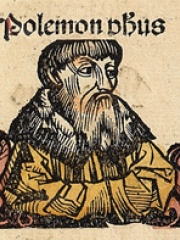
Polemon
PHILOSOPHER
400 BC - 270 BC
HPI: 65.65
Plaats: 26
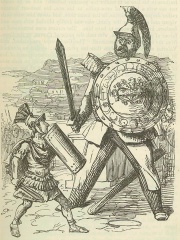
Titus Manlius Imperiosus Torquatus
POLITICIAN
400 BC - 301 BC
HPI: 65.60
Plaats: 27

Harpalus
POLITICIAN
400 BC - 323 BC
HPI: 65.55
Plaats: 28
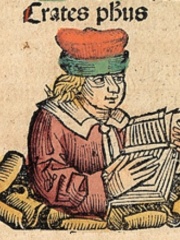
Crates of Athens
PHILOSOPHER
400 BC - 268 BC
HPI: 65.54
Plaats: 29

Apama
POLITICIAN
400 BC - heden
HPI: 65.52
Plaats: 30
Crantor
PHILOSOPHER
400 BC - 276 BC
HPI: 65.35
Plaats: 31
Arete of Cyrene
PHILOSOPHER
400 BC - 340 BC
HPI: 65.25
Plaats: 32

Attalus
POLITICIAN
400 BC - 336 BC
HPI: 65.15
Plaats: 33

Dinocrates
ARCHITECT
400 BC - 360 BC
HPI: 64.98
Plaats: 34
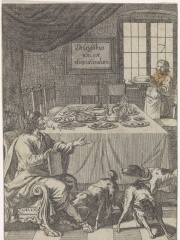
Zoilus
PHILOSOPHER
400 BC - 320 BC
HPI: 64.73
Plaats: 35

Gan De
ASTRONOMER
400 BC - 400 BC
HPI: 64.54
Plaats: 36
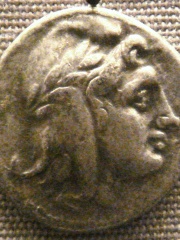
Amastrine
POLITICIAN
400 BC - 284 BC
HPI: 64.17
Plaats: 37
Anderen overleden in 276 BC
Naar alle ranglijstenIn Turkije
Onder de mensen geboren in Turkije staat Crantor op plaats 544 van NaN. Vóór hem staan Ertuğrul Osman (1912), Maria of Trebizond (1405), Nubar Pasha (1825), Soranus of Ephesus (98), Ilona Zrínyi (1643), en Anna of Savoy (1306). Na hem komen Manuel I of Trebizond (1218), Köprülüzade Fazıl Mustafa Pasha (1637), Asclepiades of Bithynia (-120), Emine Hatun (1398), Despina Khatun (1438), en Heraclius the Elder (600).
Anderen geboren in Turkije
Naar alle ranglijsten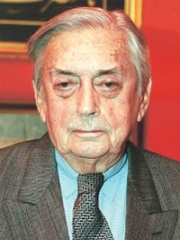
Ertuğrul Osman
POLITICIAN
1912 - 2009
HPI: 65.51
Plaats: 538
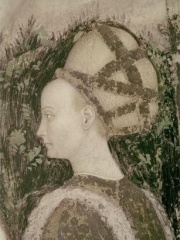
Maria of Trebizond
POLITICIAN
1405 - 1439
HPI: 65.49
Plaats: 539
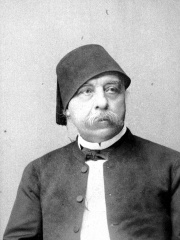
Nubar Pasha
POLITICIAN
1825 - 1899
HPI: 65.49
Plaats: 540

Soranus of Ephesus
PHYSICIAN
98 - 200
HPI: 65.48
Plaats: 541
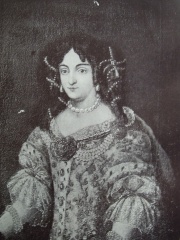
Ilona Zrínyi
POLITICIAN
1643 - 1703
HPI: 65.38
Plaats: 542
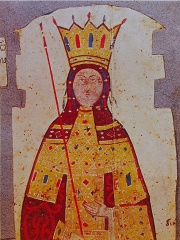
Anna of Savoy
POLITICIAN
1306 - 1365
HPI: 65.36
Plaats: 543
Crantor
PHILOSOPHER
400 BC - 276 BC
HPI: 65.35
Plaats: 544
Manuel I of Trebizond
POLITICIAN
1218 - 1263
HPI: 65.32
Plaats: 545
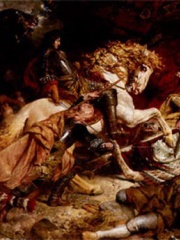
Köprülüzade Fazıl Mustafa Pasha
POLITICIAN
1637 - 1691
HPI: 65.31
Plaats: 546
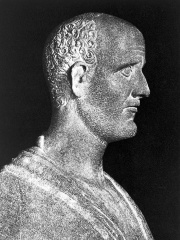
Asclepiades of Bithynia
PHYSICIAN
120 BC - 40 BC
HPI: 65.31
Plaats: 547

Emine Hatun
POLITICIAN
1398 - 1449
HPI: 65.30
Plaats: 548
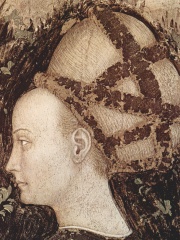
Despina Khatun
COMPANION
1438 - heden
HPI: 65.24
Plaats: 549
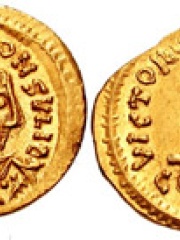
Heraclius the Elder
MILITARY PERSONNEL
600 - 610
HPI: 65.22
Plaats: 550
Onder Filosoof in Turkije
Onder Filosoof geboren in Turkije staat Crantor op plaats 33. Vóór hem staan Thrasymachus (-459), Nicephorus Gregoras (1295), Themistius (317), Eubulides (-500), George Pachymeres (1242), en Manuel Chrysoloras (1355). Na hem komen Bardaisan (154), Crates of Mallus (-200), Metrodorus of Lampsacus (-331), Maximus Planudes (1260), Barlaam of Seminara (1290), en Maximus of Ephesus (310).

Thrasymachus
459 BC - 399 BC
HPI: 68.69
Plaats: 27
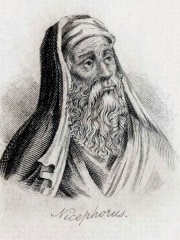
Nicephorus Gregoras
1295 - 1360
HPI: 68.65
Plaats: 28

Themistius
317 - 388
HPI: 67.08
Plaats: 29
Eubulides
500 BC - 400 BC
HPI: 66.97
Plaats: 30
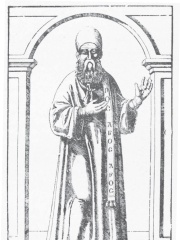
George Pachymeres
1242 - 1310
HPI: 66.35
Plaats: 31
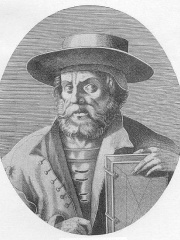
Manuel Chrysoloras
1355 - 1415
HPI: 65.74
Plaats: 32
Crantor
400 BC - 276 BC
HPI: 65.35
Plaats: 33

Bardaisan
154 - 222
HPI: 65.10
Plaats: 34
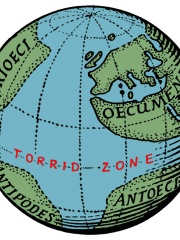
Crates of Mallus
200 BC - 145 BC
HPI: 64.56
Plaats: 35
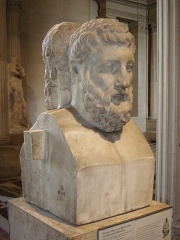
Metrodorus of Lampsacus
331 BC - 278 BC
HPI: 64.38
Plaats: 36
Maximus Planudes
1260 - 1305
HPI: 64.31
Plaats: 37
Barlaam of Seminara
1290 - 1348
HPI: 64.11
Plaats: 38

Maximus of Ephesus
310 - 372
HPI: 63.86
Plaats: 39




