Filósofo
William of Champeaux
1070 - 1121

 William of Champeaux
Sua biografia está disponível em 23 idiomas na Wikipédia (aumento em relação a 22 em 2024). William of Champeaux é o 551º filósofo mais popular (caiu do 520º em 2024), a 1692ª biografia mais popular da França (caiu do 1585ª em 2019) e o 72º filósofo mais popular da França.
Métricas de memorabilidade
6.6k
Visualizações
Últimos 12 meses
65.40
HPI
Índice de Popularidade Histórica
Visualizações da página de William of Champeaux por idioma
Entre Filósofo
Entre Filósofo, William of Champeaux ocupa a posição 551 de 1,267. Antes dele vêm Karl Leonhard Reinhold, P. D. Ouspensky, Gersonides, Georg Henrik von Wright, Vinayak Damodar Savarkar, e Clitomachus. Depois dele vêm Crantor, Zhou Dunyi, Cesare Ripa, James Ussher, Paul Grice, e Karl Korsch.
Filósofo mais populares na Wikipédia
Ver todas as classificações
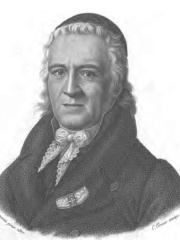
Karl Leonhard Reinhold
1757 - 1823
HPI: 65.45
Posição: 545
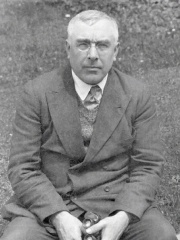
P. D. Ouspensky
1878 - 1947
HPI: 65.44
Posição: 546

Gersonides
1288 - 1344
HPI: 65.44
Posição: 547
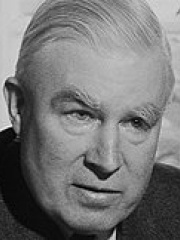
Georg Henrik von Wright
1916 - 2003
HPI: 65.41
Posição: 548
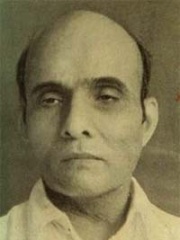
Vinayak Damodar Savarkar
1883 - 1966
HPI: 65.41
Posição: 549

Clitomachus
187 BC - 110 BC
HPI: 65.41
Posição: 550
William of Champeaux
1070 - 1121
HPI: 65.40
Posição: 551

Crantor
400 BC - 276 BC
HPI: 65.35
Posição: 552
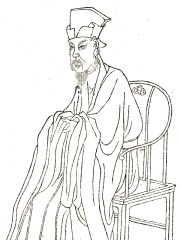
Zhou Dunyi
1017 - 1073
HPI: 65.34
Posição: 553
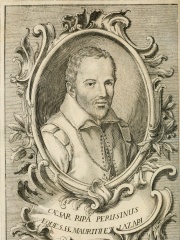
Cesare Ripa
1555 - 1622
HPI: 65.33
Posição: 554

James Ussher
1581 - 1656
HPI: 65.28
Posição: 555
Paul Grice
1913 - 1988
HPI: 65.27
Posição: 556
Karl Korsch
1886 - 1961
HPI: 65.26
Posição: 557

Contemporâneos
Entre as pessoas nascidas em 1070, William of Champeaux ocupa a posição 4. Antes dele vêm Coloman, King of Hungary, Bertrade de Montfort, e Prince Álmos. Depois dele vêm Raymond of Burgundy, Theophilus Presbyter, Bernard of Chartres, Abraham bar Hiyya, Zbigniew of Poland, Otto, Count of Ballenstedt, Philippa, Countess of Toulouse, e Gilbert de la Porrée. Entre as pessoas falecidas em 1121, William of Champeaux ocupa a posição 3. Antes dele vêm Roscellinus, e Al-Afdal Shahanshah. Depois dele vêm Floris II, Count of Holland, e Jón Ögmundsson.
Outras pessoas nascidas em 1070
Ver todas as classificações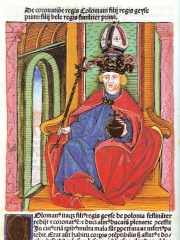
Coloman, King of Hungary
POLITICIAN
1070 - 1116
HPI: 73.33
Posição: 1
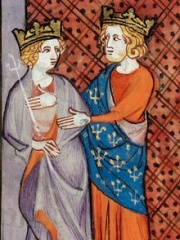
Bertrade de Montfort
COMPANION
1070 - 1117
HPI: 67.73
Posição: 2
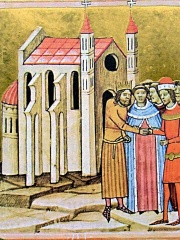
Prince Álmos
POLITICIAN
1070 - 1127
HPI: 67.12
Posição: 3
William of Champeaux
PHILOSOPHER
1070 - 1121
HPI: 65.40
Posição: 4
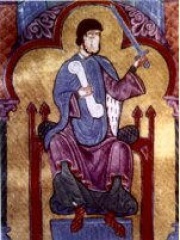
Raymond of Burgundy
POLITICIAN
1070 - 1107
HPI: 65.31
Posição: 5

Theophilus Presbyter
RELIGIOUS FIGURE
1070 - 1125
HPI: 64.43
Posição: 6

Bernard of Chartres
PHILOSOPHER
1070 - 1130
HPI: 63.54
Posição: 7

Abraham bar Hiyya
MATHEMATICIAN
1070 - 1145
HPI: 63.41
Posição: 8
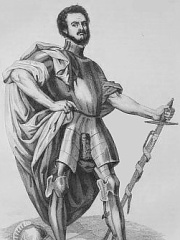
Zbigniew of Poland
POLITICIAN
1070 - 1112
HPI: 63.14
Posição: 9

Otto, Count of Ballenstedt
NOBLEMAN
1070 - 1123
HPI: 62.36
Posição: 10

Philippa, Countess of Toulouse
NOBLEMAN
1070 - 1118
HPI: 61.77
Posição: 11
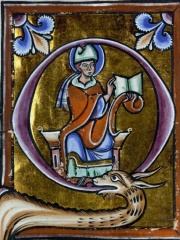
Gilbert de la Porrée
PHILOSOPHER
1070 - 1154
HPI: 61.64
Posição: 12
Outras pessoas falecidas em 1121
Ver todas as classificações
Roscellinus
PHILOSOPHER
1050 - 1121
HPI: 70.57
Posição: 1

Al-Afdal Shahanshah
POLITICIAN
1066 - 1121
HPI: 66.79
Posição: 2
William of Champeaux
PHILOSOPHER
1070 - 1121
HPI: 65.40
Posição: 3
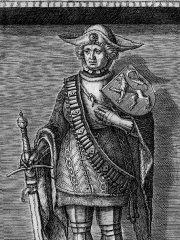
Floris II, Count of Holland
POLITICIAN
1091 - 1121
HPI: 62.33
Posição: 4
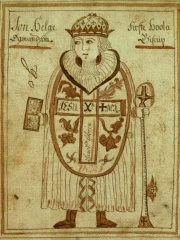
Jón Ögmundsson
RELIGIOUS FIGURE
1052 - 1121
HPI: 57.96
Posição: 5
Em França
Entre as pessoas nascidas em França, William of Champeaux ocupa a posição 1,692 de NaN. Antes dele vêm Elliott Erwitt (1928), Paul Gachet (1828), Henry II, Duke of Lorraine (1563), Caesarius of Arles (470), Henri Gatien Bertrand (1773), e Pierre Puget (1620). Depois dele vêm Louis Poinsot (1777), Renata of Lorraine (1544), Philippe de Broca (1933), Maximilien de Béthune, Duke of Sully (1560), Jean François Paul de Gondi (1613), e Patrick Tambay (1949).
Outras pessoas nascidas em França
Ver todas as classificações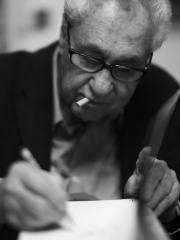
Elliott Erwitt
PHOTOGRAPHER
1928 - 2023
HPI: 65.42
Posição: 1,686
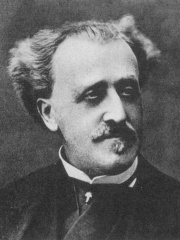
Paul Gachet
PHYSICIAN
1828 - 1909
HPI: 65.42
Posição: 1,687
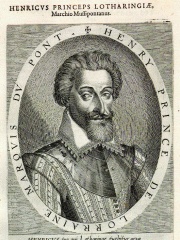
Henry II, Duke of Lorraine
POLITICIAN
1563 - 1624
HPI: 65.42
Posição: 1,688
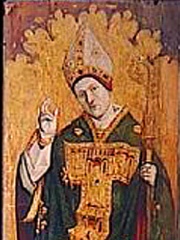
Caesarius of Arles
RELIGIOUS FIGURE
470 - 542
HPI: 65.42
Posição: 1,689
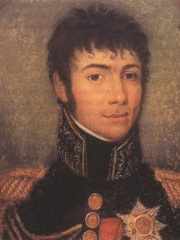
Henri Gatien Bertrand
MILITARY PERSONNEL
1773 - 1844
HPI: 65.41
Posição: 1,690
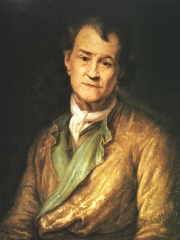
Pierre Puget
PAINTER
1620 - 1694
HPI: 65.40
Posição: 1,691
William of Champeaux
PHILOSOPHER
1070 - 1121
HPI: 65.40
Posição: 1,692
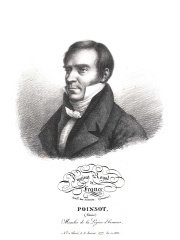
Louis Poinsot
PHYSICIST
1777 - 1859
HPI: 65.40
Posição: 1,693
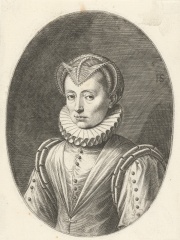
Renata of Lorraine
POLITICIAN
1544 - 1602
HPI: 65.39
Posição: 1,694

Philippe de Broca
FILM DIRECTOR
1933 - 2004
HPI: 65.38
Posição: 1,695
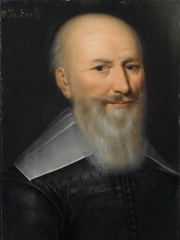
Maximilien de Béthune, Duke of Sully
POLITICIAN
1560 - 1641
HPI: 65.38
Posição: 1,696
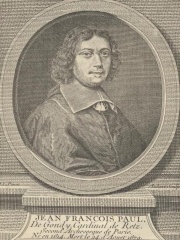
Jean François Paul de Gondi
WRITER
1613 - 1679
HPI: 65.38
Posição: 1,697
Patrick Tambay
RACING DRIVER
1949 - 2022
HPI: 65.37
Posição: 1,698
Entre Filósofo em França
Entre Filósofo nascidos em França, William of Champeaux ocupa a posição 72. Antes dele vêm Petrus Ramus (1515), Emmanuel Mounier (1905), Jean-Luc Nancy (1940), Victor Cousin (1792), Michel Serres (1930), e Gersonides (1288). Depois dele vêm Jean-Marie Guyau (1854), Étienne-Gabriel Morelly (1717), Pierre Charron (1541), Georges Canguilhem (1904), Jean Hyppolite (1907), e Jacques Ellul (1912).
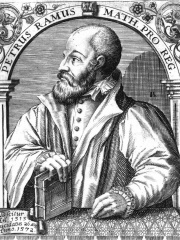
Petrus Ramus
1515 - 1572
HPI: 66.62
Posição: 66
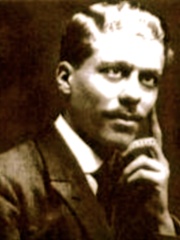
Emmanuel Mounier
1905 - 1950
HPI: 66.60
Posição: 67
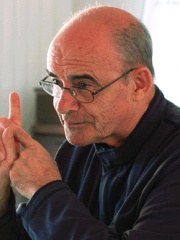
Jean-Luc Nancy
1940 - 2021
HPI: 66.35
Posição: 68
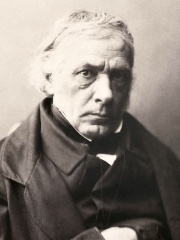
Victor Cousin
1792 - 1867
HPI: 66.29
Posição: 69
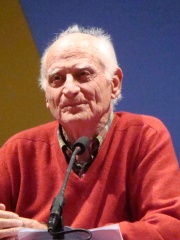
Michel Serres
1930 - 2019
HPI: 65.90
Posição: 70
Gersonides
1288 - 1344
HPI: 65.44
Posição: 71
William of Champeaux
1070 - 1121
HPI: 65.40
Posição: 72
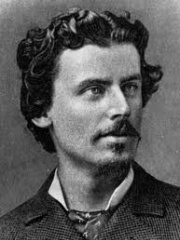
Jean-Marie Guyau
1854 - 1888
HPI: 64.94
Posição: 73
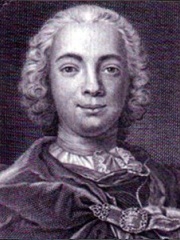
Étienne-Gabriel Morelly
1717 - 1778
HPI: 64.91
Posição: 74
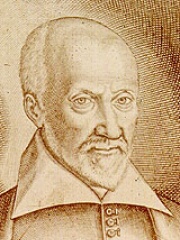
Pierre Charron
1541 - 1603
HPI: 64.89
Posição: 75

Georges Canguilhem
1904 - 1995
HPI: 64.85
Posição: 76
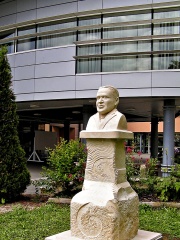
Jean Hyppolite
1907 - 1968
HPI: 64.79
Posição: 77
Jacques Ellul
1912 - 1994
HPI: 64.69
Posição: 78




