Politicus
Benjamin Netanyahu
1949 - heden
NL.WIKIPEDIA-PAGINAWEERGAVEN (PV)
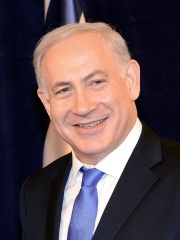

 Benjamin Netanyahu
Zijn biografie is beschikbaar in 125 verschillende talen op Wikipedia (toegenomen van 117 in 2024). Benjamin Netanyahu staat op plaats 220 onder de meest populaire politicus (gedaald van plaats 138 in 2024), plaats 19 onder de meest populaire biografieën uit Israël en op plaats 3 onder de populairste politicus uit Israël.
Bekendheidsstatistieken
16M
Paginaweergaven
Afgelopen 12 maanden
82.66
HPI
Historische populariteitsindex
Paginaweergaven van Benjamin Netanyahu per taal
Onder Politicus
Onder Politicus staat Benjamin Netanyahu op plaats 220 van 19,576. Vóór hem staan Sun Yat-sen, Lech Wałęsa, Maximilian I, Holy Roman Emperor, Ferdinand I, Holy Roman Emperor, Mehmed III, en Joanna of Castile. Na hem komen Richard Nixon, Victor Emmanuel II of Italy, Deng Xiaoping, Charles X of France, Charles IV, Holy Roman Emperor, en Frederick II, Holy Roman Emperor.
Populairste Politicus op Wikipedia
Naar alle ranglijsten
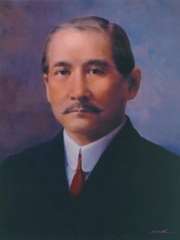
Sun Yat-sen
1866 - 1925
HPI: 82.77
Plaats: 214
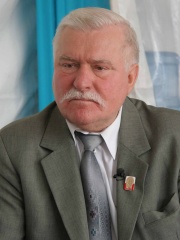
Lech Wałęsa
1943 - heden
HPI: 82.76
Plaats: 215

Maximilian I, Holy Roman Emperor
1459 - 1519
HPI: 82.74
Plaats: 216
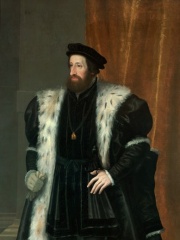
Ferdinand I, Holy Roman Emperor
1503 - 1564
HPI: 82.71
Plaats: 217
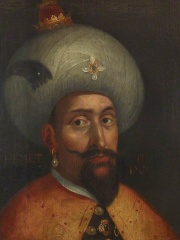
Mehmed III
1566 - 1603
HPI: 82.68
Plaats: 218
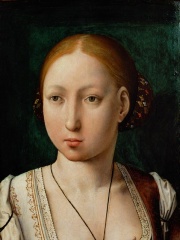
Joanna of Castile
1479 - 1555
HPI: 82.66
Plaats: 219
Benjamin Netanyahu
1949 - heden
HPI: 82.66
Plaats: 220
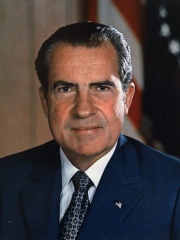
Richard Nixon
1913 - 1994
HPI: 82.64
Plaats: 221
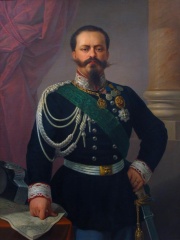
Victor Emmanuel II of Italy
1820 - 1878
HPI: 82.61
Plaats: 222
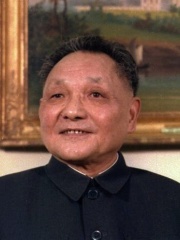
Deng Xiaoping
1904 - 1997
HPI: 82.61
Plaats: 223
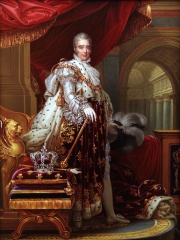
Charles X of France
1757 - 1836
HPI: 82.61
Plaats: 224
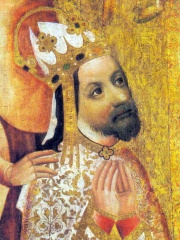
Charles IV, Holy Roman Emperor
1316 - 1378
HPI: 82.60
Plaats: 225
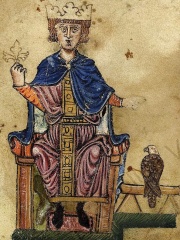
Frederick II, Holy Roman Emperor
1194 - 1250
HPI: 82.59
Plaats: 226

Tijdgenoten
Onder de mensen geboren in 1949 staat Benjamin Netanyahu op plaats 3. Vóór hem staan Ivana Trump, en Pablo Escobar. Na hem komen Caitlyn Jenner, Niki Lauda, Mohammed bin Rashid Al Maktoum, Haruki Murakami, Roger Taylor, Nawaz Sharif, António Guterres, Meryl Streep, en Anna Wintour.
Anderen geboren in 1949
Naar alle ranglijsten
Ivana Trump
BUSINESSPERSON
1949 - 2022
HPI: 85.70
Plaats: 1
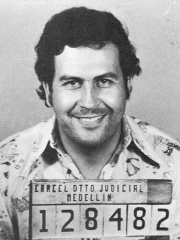
Pablo Escobar
MAFIOSO
1949 - 1993
HPI: 84.96
Plaats: 2
Benjamin Netanyahu
POLITICIAN
1949 - heden
HPI: 82.66
Plaats: 3

Caitlyn Jenner
CELEBRITY
1949 - heden
HPI: 81.36
Plaats: 4

Niki Lauda
RACING DRIVER
1949 - 2019
HPI: 81.34
Plaats: 5
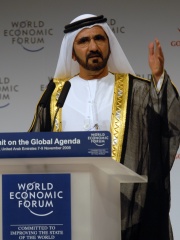
Mohammed bin Rashid Al Maktoum
POLITICIAN
1949 - heden
HPI: 80.63
Plaats: 6

Haruki Murakami
WRITER
1949 - heden
HPI: 80.40
Plaats: 7
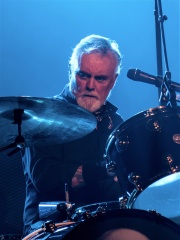
Roger Taylor
MUSICIAN
1949 - heden
HPI: 79.86
Plaats: 8

Nawaz Sharif
POLITICIAN
1949 - heden
HPI: 79.46
Plaats: 9
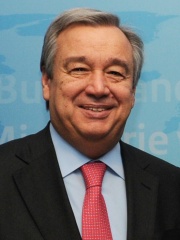
António Guterres
POLITICIAN
1949 - heden
HPI: 79.33
Plaats: 10
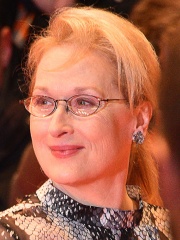
Meryl Streep
ACTOR
1949 - heden
HPI: 79.15
Plaats: 11
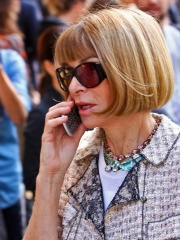
Anna Wintour
WRITER
1949 - heden
HPI: 78.83
Plaats: 12
In Israël
Onder de mensen geboren in Israël staat Benjamin Netanyahu op plaats 19 van NaN. Vóór hem staan Samson (-1118), Baldwin IV of Jerusalem (1161), Mary Magdalene (-10), Isaiah (-800), Eusebius (265), en Judas Iscariot (50). Na hem komen Thomas the Apostle (1), Bartholomew the Apostle (-100), Saul (-1079), Jude the Apostle (15), Ezekiel (-621), en Josephus (37).
Anderen geboren in Israël
Naar alle ranglijsten
Samson
RELIGIOUS FIGURE
1118 BC - 1078 BC
HPI: 83.97
Plaats: 13
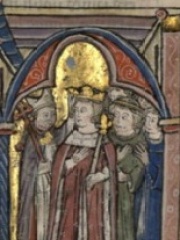
Baldwin IV of Jerusalem
POLITICIAN
1161 - 1185
HPI: 83.71
Plaats: 14
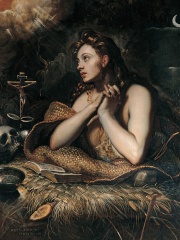
Mary Magdalene
RELIGIOUS FIGURE
10 BC - 100
HPI: 83.67
Plaats: 15
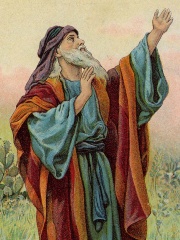
Isaiah
RELIGIOUS FIGURE
800 BC - 700 BC
HPI: 83.38
Plaats: 16
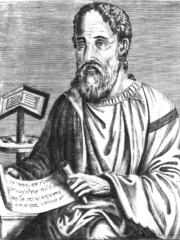
Eusebius
RELIGIOUS FIGURE
265 - 339
HPI: 83.24
Plaats: 17
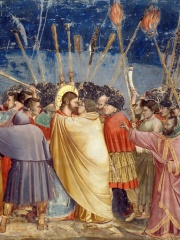
Judas Iscariot
RELIGIOUS FIGURE
50 - 30
HPI: 83.13
Plaats: 18
Benjamin Netanyahu
POLITICIAN
1949 - heden
HPI: 82.66
Plaats: 19
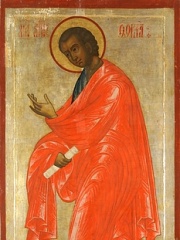
Thomas the Apostle
RELIGIOUS FIGURE
1 - 72
HPI: 82.61
Plaats: 20

Bartholomew the Apostle
RELIGIOUS FIGURE
100 BC - 100
HPI: 82.57
Plaats: 21

Saul
RELIGIOUS FIGURE
1079 BC - 1010 BC
HPI: 81.96
Plaats: 22
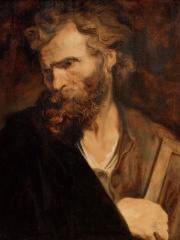
Jude the Apostle
RELIGIOUS FIGURE
15 - 70
HPI: 81.66
Plaats: 23
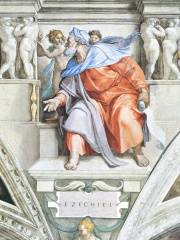
Ezekiel
RELIGIOUS FIGURE
621 BC - 569 BC
HPI: 81.57
Plaats: 24
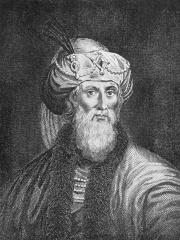
Josephus
HISTORIAN
37 - 100
HPI: 80.94
Plaats: 25
Onder Politicus in Israël
Onder Politicus geboren in Israël staat Benjamin Netanyahu op plaats 3. Vóór hem staan Herod the Great (-73), en Baldwin IV of Jerusalem (1161). Na hem komen Ariel Sharon (1928), Yitzhak Rabin (1922), Mahmoud Abbas (1935), Amalric of Jerusalem (1136), Amin al-Husseini (1895), Herod Antipas (-20), Baldwin V of Jerusalem (1177), Sibylla, Queen of Jerusalem (1160), en Moshe Dayan (1915).
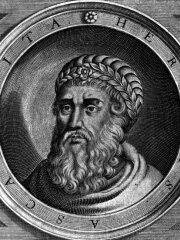
Herod the Great
73 BC - 3 BC
HPI: 84.23
Plaats: 1
Baldwin IV of Jerusalem
1161 - 1185
HPI: 83.71
Plaats: 2
Benjamin Netanyahu
1949 - heden
HPI: 82.66
Plaats: 3
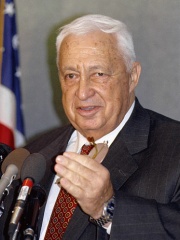
Ariel Sharon
1928 - 2014
HPI: 80.78
Plaats: 4
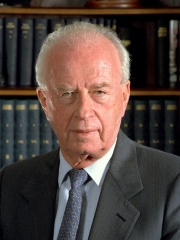
Yitzhak Rabin
1922 - 1995
HPI: 80.27
Plaats: 5
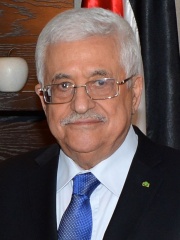
Mahmoud Abbas
1935 - heden
HPI: 79.90
Plaats: 6
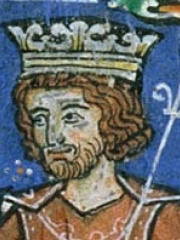
Amalric of Jerusalem
1136 - 1174
HPI: 79.76
Plaats: 7
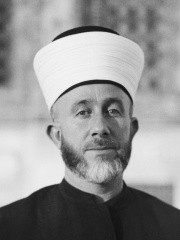
Amin al-Husseini
1895 - 1974
HPI: 79.22
Plaats: 8
Herod Antipas
20 BC - 39
HPI: 78.77
Plaats: 9
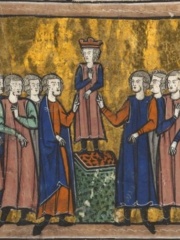
Baldwin V of Jerusalem
1177 - 1186
HPI: 78.73
Plaats: 10
Sibylla, Queen of Jerusalem
1160 - 1190
HPI: 78.66
Plaats: 11
Moshe Dayan
1915 - 1981
HPI: 78.14
Plaats: 12




