Politicien
Benyamin Netanyahou
1949 - aujourd'hui
PAGES VUES SUR FR.WIKIPEDIA (PV)
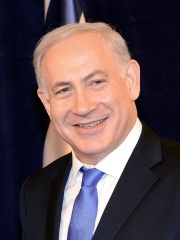

 Benyamin Netanyahou
Sa biographie est disponible en 125 langues sur Wikipédia (en hausse par rapport à 117 en 2024). Benyamin Netanyahou est le 220th politicien le plus populaire (en baisse du 138th en 2024), la 19th biographie la plus populaire d'Israël, ainsi que le 3rd politicien d'Israël le plus populaire.
Indicateurs de mémorabilité
16M
Pages vues
12 derniers mois
82.66
HPI
Indice de popularité historique
Pages vues de Benyamin Netanyahou par langue
Parmi les Politicien
Parmi les Politicien, Benyamin Netanyahou occupe le rang 220 sur 19,576. Avant lui viennent Sun Yat-sen, Lech Wałęsa, Maximilian I, Holy Roman Emperor, Ferdinand I, Holy Roman Emperor, Mehmed III, et Joanna of Castile. Après lui viennent Richard Nixon, Victor Emmanuel II of Italy, Deng Xiaoping, Charles X of France, Charles IV, Holy Roman Emperor, et Frederick II, Holy Roman Emperor.
Politicien les plus populaires sur Wikipédia
Voir tous les classements
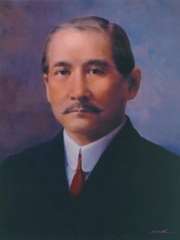
Sun Yat-sen
1866 - 1925
HPI : 82.77
Rang : 214
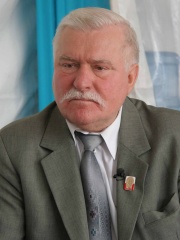
Lech Wałęsa
1943 - présent
HPI : 82.76
Rang : 215

Maximilian I, Holy Roman Emperor
1459 - 1519
HPI : 82.74
Rang : 216
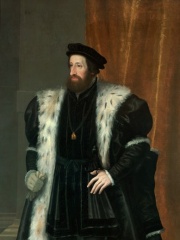
Ferdinand I, Holy Roman Emperor
1503 - 1564
HPI : 82.71
Rang : 217
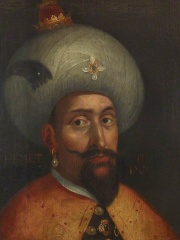
Mehmed III
1566 - 1603
HPI : 82.68
Rang : 218
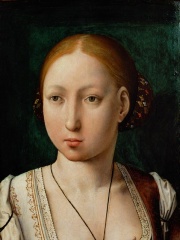
Joanna of Castile
1479 - 1555
HPI : 82.66
Rang : 219
Benjamin Netanyahu
1949 - présent
HPI : 82.66
Rang : 220
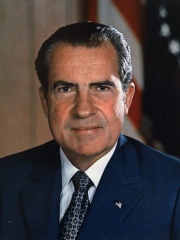
Richard Nixon
1913 - 1994
HPI : 82.64
Rang : 221
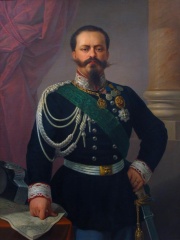
Victor Emmanuel II of Italy
1820 - 1878
HPI : 82.61
Rang : 222
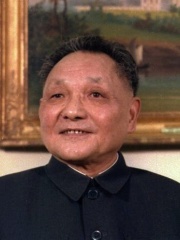
Deng Xiaoping
1904 - 1997
HPI : 82.61
Rang : 223
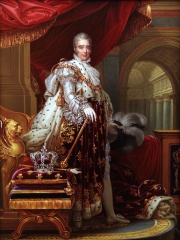
Charles X of France
1757 - 1836
HPI : 82.61
Rang : 224
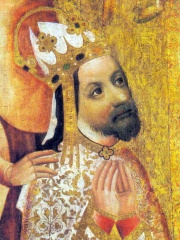
Charles IV, Holy Roman Emperor
1316 - 1378
HPI : 82.60
Rang : 225
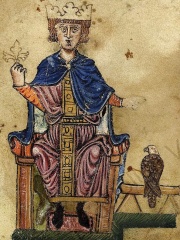
Frederick II, Holy Roman Emperor
1194 - 1250
HPI : 82.59
Rang : 226

Contemporains
Parmi les personnes nées en 1949, Benyamin Netanyahou occupe le rang 3. Avant lui viennent Ivana Trump, et Pablo Escobar. Après lui viennent Caitlyn Jenner, Niki Lauda, Mohammed bin Rashid Al Maktoum, Haruki Murakami, Roger Taylor, Nawaz Sharif, António Guterres, Meryl Streep, et Anna Wintour.
Autres personnes nées en 1949
Voir tous les classements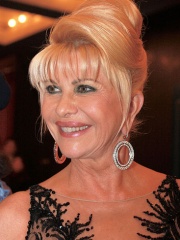
Ivana Trump
BUSINESSPERSON
1949 - 2022
HPI : 85.70
Rang : 1
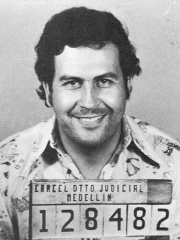
Pablo Escobar
MAFIOSO
1949 - 1993
HPI : 84.96
Rang : 2
Benjamin Netanyahu
POLITICIAN
1949 - présent
HPI : 82.66
Rang : 3

Caitlyn Jenner
CELEBRITY
1949 - présent
HPI : 81.36
Rang : 4
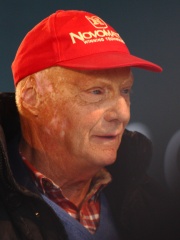
Niki Lauda
RACING DRIVER
1949 - 2019
HPI : 81.34
Rang : 5
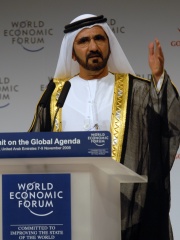
Mohammed bin Rashid Al Maktoum
POLITICIAN
1949 - présent
HPI : 80.63
Rang : 6

Haruki Murakami
WRITER
1949 - présent
HPI : 80.40
Rang : 7
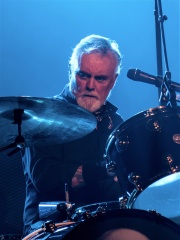
Roger Taylor
MUSICIAN
1949 - présent
HPI : 79.86
Rang : 8
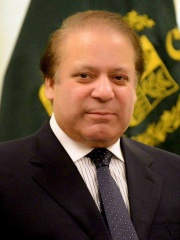
Nawaz Sharif
POLITICIAN
1949 - présent
HPI : 79.46
Rang : 9
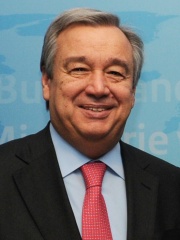
António Guterres
POLITICIAN
1949 - présent
HPI : 79.33
Rang : 10
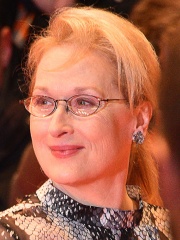
Meryl Streep
ACTOR
1949 - présent
HPI : 79.15
Rang : 11
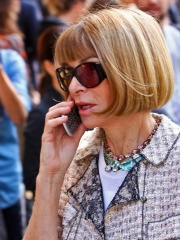
Anna Wintour
WRITER
1949 - présent
HPI : 78.83
Rang : 12
En Israël
Parmi les personnes nées en Israël, Benyamin Netanyahou occupe le rang 19 sur NaN. Avant lui viennent Samson (-1118), Baldwin IV of Jerusalem (1161), Mary Magdalene (-10), Isaiah (-800), Eusebius (265), et Judas Iscariot (50). Après lui viennent Thomas the Apostle (1), Bartholomew the Apostle (-100), Saul (-1079), Jude the Apostle (15), Ezekiel (-621), et Josephus (37).
Autres personnes nées en Israël
Voir tous les classements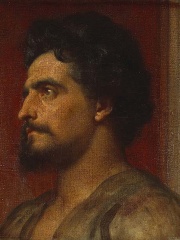
Samson
RELIGIOUS FIGURE
1118 BC - 1078 BC
HPI : 83.97
Rang : 13
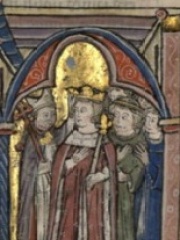
Baldwin IV of Jerusalem
POLITICIAN
1161 - 1185
HPI : 83.71
Rang : 14
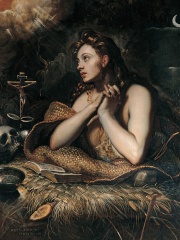
Mary Magdalene
RELIGIOUS FIGURE
10 BC - 100
HPI : 83.67
Rang : 15
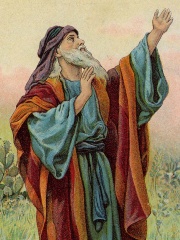
Isaiah
RELIGIOUS FIGURE
800 BC - 700 BC
HPI : 83.38
Rang : 16
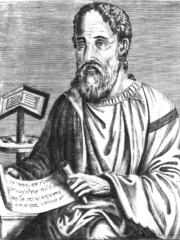
Eusebius
RELIGIOUS FIGURE
265 - 339
HPI : 83.24
Rang : 17
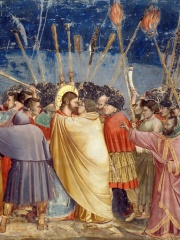
Judas Iscariot
RELIGIOUS FIGURE
50 - 30
HPI : 83.13
Rang : 18
Benjamin Netanyahu
POLITICIAN
1949 - présent
HPI : 82.66
Rang : 19
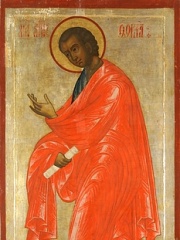
Thomas the Apostle
RELIGIOUS FIGURE
1 - 72
HPI : 82.61
Rang : 20

Bartholomew the Apostle
RELIGIOUS FIGURE
100 BC - 100
HPI : 82.57
Rang : 21

Saul
RELIGIOUS FIGURE
1079 BC - 1010 BC
HPI : 81.96
Rang : 22
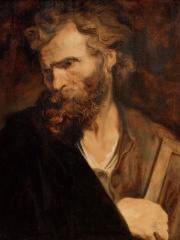
Jude the Apostle
RELIGIOUS FIGURE
15 - 70
HPI : 81.66
Rang : 23
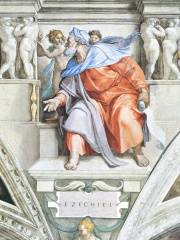
Ezekiel
RELIGIOUS FIGURE
621 BC - 569 BC
HPI : 81.57
Rang : 24
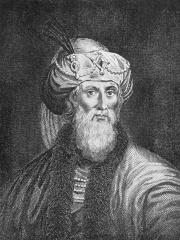
Josephus
HISTORIAN
37 - 100
HPI : 80.94
Rang : 25
Parmi les Politicien en Israël
Parmi les Politicien nés en Israël, Benyamin Netanyahou occupe le rang 3. Avant lui viennent Herod the Great (-73), et Baldwin IV of Jerusalem (1161). Après lui viennent Ariel Sharon (1928), Yitzhak Rabin (1922), Mahmoud Abbas (1935), Amalric of Jerusalem (1136), Amin al-Husseini (1895), Herod Antipas (-20), Baldwin V of Jerusalem (1177), Sibylla, Queen of Jerusalem (1160), et Moshe Dayan (1915).
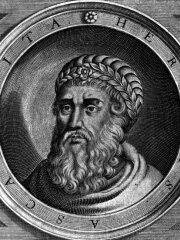
Herod the Great
73 BC - 3 BC
HPI : 84.23
Rang : 1
Baldwin IV of Jerusalem
1161 - 1185
HPI : 83.71
Rang : 2
Benjamin Netanyahu
1949 - présent
HPI : 82.66
Rang : 3
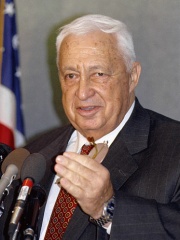
Ariel Sharon
1928 - 2014
HPI : 80.78
Rang : 4
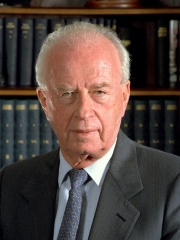
Yitzhak Rabin
1922 - 1995
HPI : 80.27
Rang : 5
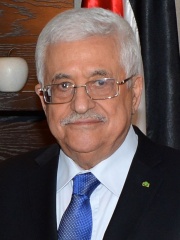
Mahmoud Abbas
1935 - présent
HPI : 79.90
Rang : 6
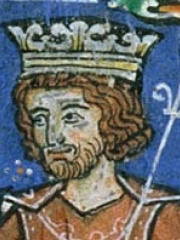
Amalric of Jerusalem
1136 - 1174
HPI : 79.76
Rang : 7
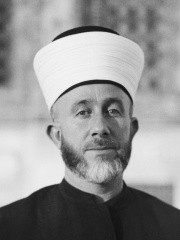
Amin al-Husseini
1895 - 1974
HPI : 79.22
Rang : 8
Herod Antipas
20 BC - 39
HPI : 78.77
Rang : 9
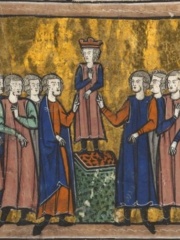
Baldwin V of Jerusalem
1177 - 1186
HPI : 78.73
Rang : 10
Sibylla, Queen of Jerusalem
1160 - 1190
HPI : 78.66
Rang : 11
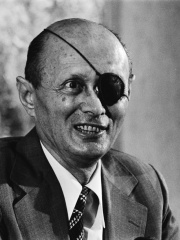
Moshe Dayan
1915 - 1981
HPI : 78.14
Rang : 12




