Politiker
Shaul Mofaz
1948 - heute
DE.WIKIPEDIA-SEITENAUFRUFE (PV)
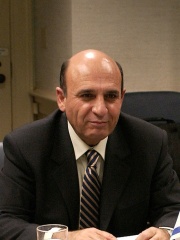

 Shaul Mofaz
Seine Biografie ist in 28 verschiedenen Sprachen auf Wikipedia verfügbar (gestiegen von 27 im Jahr 2024). Shaul Mofaz ist der 8,319th beliebteste Politiker (gesunken vom 5,285th im Jahr 2024), die 226th beliebteste Biografie aus Iran (gesunken vom 174th im Jahr 2019) und der 123rd beliebteste aus dem Iran Politiker.
Bekanntheitsmetriken
54k
Seitenaufrufe
Letzte 12 Monate
62.87
HPI
Historischer Popularitätsindex
Daten-Einblicke
Seitenaufrufe von Shaul Mofaz nach Sprache
Unter Politiker
Unter Politiker belegt Shaul Mofaz Rang 8,315 von 20,022. Vor ihm stehen Ludmilla Tourischeva, Víctor Paz Estenssoro, Vladislav Ardzinba, Manuel Marulanda, Gjúki, und Zhou Yongkang. Nach ihm folgen Hannibal Hamlin, Gyebaek, Tullio Serafin, King Gong of Zhou, Beatrice of Bourbon, Queen of Bohemia, und Ma Bufang.
Die beliebtesten Politiker auf Wikipedia
Zu allen Ranglisten
Ludmilla Tourischeva
1952 - heute
HPI: 62.88
Rang: 8,313
Víctor Paz Estenssoro
1907 - 2001
HPI: 62.88
Rang: 8,314
Vladislav Ardzinba
1945 - 2010
HPI: 62.88
Rang: 8,315
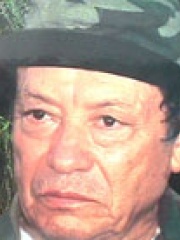
Manuel Marulanda
1930 - 2008
HPI: 62.87
Rang: 8,316

Gjúki
400 - 407
HPI: 62.87
Rang: 8,317

Zhou Yongkang
1942 - heute
HPI: 62.87
Rang: 8,318
Shaul Mofaz
1948 - heute
HPI: 62.87
Rang: 8,319
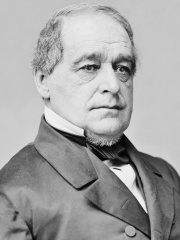
Hannibal Hamlin
1809 - 1891
HPI: 62.87
Rang: 8,320

Gyebaek
607 - 660
HPI: 62.87
Rang: 8,321
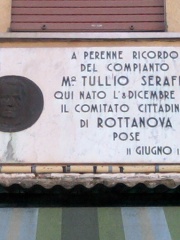
Tullio Serafin
1878 - 1968
HPI: 62.87
Rang: 8,322

King Gong of Zhou
1000 BC - 900 BC
HPI: 62.87
Rang: 8,323
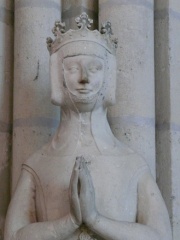
Beatrice of Bourbon, Queen of Bohemia
1320 - 1383
HPI: 62.86
Rang: 8,324
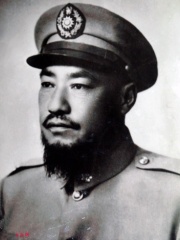
Ma Bufang
1903 - 1975
HPI: 62.86
Rang: 8,325

Zeitgenossen
Unter den im Jahr 1948 Geborenen belegt Shaul Mofaz Rang 185. Vor ihm stehen Jan Hammer, Marcia Barrett, Christa McAuliffe, T Bone Burnett, Kate Jackson, und Ruud Geels. Nach ihm folgen Friedrich Koncilia, Dušan Bajević, Jimmy Lai, László Lovász, Alberto Manguel, und Delio Onnis.
Weitere im Jahr 1948 Geborene
Zu allen Ranglisten
Jan Hammer
MUSICIAN
1948 - heute
HPI: 63.10
Rang: 179
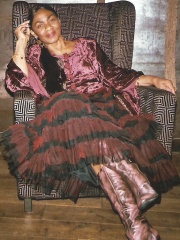
Marcia Barrett
SINGER
1948 - heute
HPI: 63.09
Rang: 180
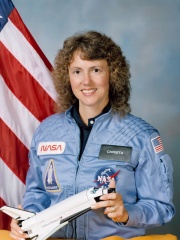
Christa McAuliffe
ASTRONAUT
1948 - 1986
HPI: 63.06
Rang: 181
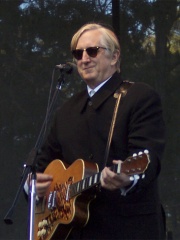
T Bone Burnett
MUSICIAN
1948 - heute
HPI: 63.01
Rang: 182
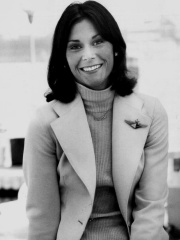
Kate Jackson
ACTOR
1948 - heute
HPI: 62.94
Rang: 183
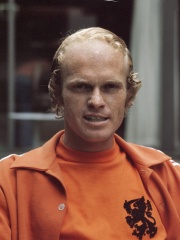
Ruud Geels
SOCCER PLAYER
1948 - 2023
HPI: 62.93
Rang: 184
Shaul Mofaz
POLITICIAN
1948 - heute
HPI: 62.87
Rang: 185

Friedrich Koncilia
SOCCER PLAYER
1948 - heute
HPI: 62.83
Rang: 186
Dušan Bajević
COACH
1948 - heute
HPI: 62.80
Rang: 187

Jimmy Lai
BUSINESSPERSON
1948 - heute
HPI: 62.79
Rang: 188
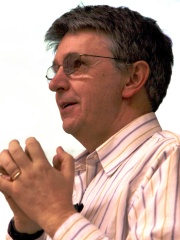
László Lovász
MATHEMATICIAN
1948 - heute
HPI: 62.77
Rang: 189
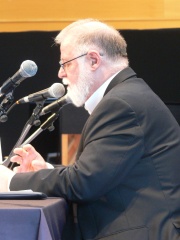
Alberto Manguel
WRITER
1948 - heute
HPI: 62.77
Rang: 190
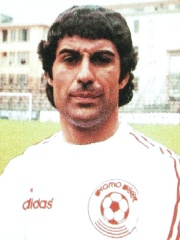
Delio Onnis
SOCCER PLAYER
1948 - heute
HPI: 62.73
Rang: 191
In Iran
Unter den in Iran Geborenen belegt Shaul Mofaz Rang 226 von 800. Vor ihm stehen Phriapatius (-290), Hamdallah Mustawfi (1281), Shutruk-Nakhunte (-1300), Fazlollah Zahedi (1897), Al-Hakim al-Nishapuri (933), und Safi al-Din al-Urmawi (1216). Nach ihm folgen Al-Taftazani (1322), Abu Bakr bin Yahya al-Suli (854), Esmail Qaani (1957), Shahrokh Shah (1734), Amir Kabir (1807), und Ibn al-Faqih (null).
Weitere in Iran geborene Personen
Zu allen Ranglisten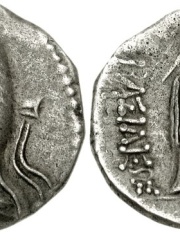
Phriapatius
POLITICIAN
290 BC - 176 BC
HPI: 63.12
Rang: 220
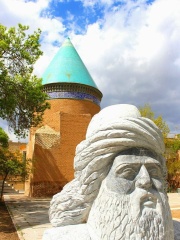
Hamdallah Mustawfi
WRITER
1281 - 1349
HPI: 63.06
Rang: 221
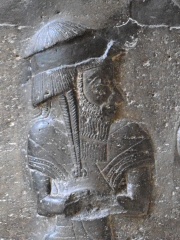
Shutruk-Nakhunte
POLITICIAN
1300 BC - 1155 BC
HPI: 63.00
Rang: 222
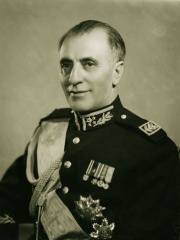
Fazlollah Zahedi
POLITICIAN
1897 - 1963
HPI: 62.98
Rang: 223

Al-Hakim al-Nishapuri
RELIGIOUS FIGURE
933 - 1014
HPI: 62.95
Rang: 224
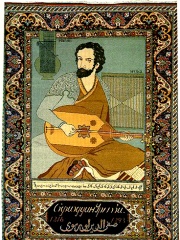
Safi al-Din al-Urmawi
MUSICIAN
1216 - 1294
HPI: 62.94
Rang: 225
Shaul Mofaz
POLITICIAN
1948 - heute
HPI: 62.87
Rang: 226

Al-Taftazani
PHILOSOPHER
1322 - 1390
HPI: 62.86
Rang: 227
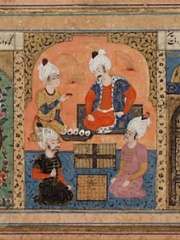
Abu Bakr bin Yahya al-Suli
RELIGIOUS FIGURE
854 - 946
HPI: 62.75
Rang: 228
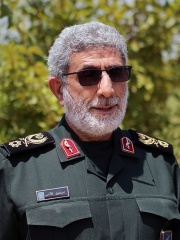
Esmail Qaani
MILITARY PERSONNEL
1957 - heute
HPI: 62.68
Rang: 229
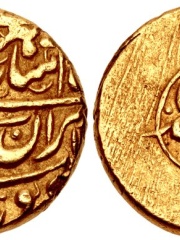
Shahrokh Shah
POLITICIAN
1734 - 1796
HPI: 62.62
Rang: 230
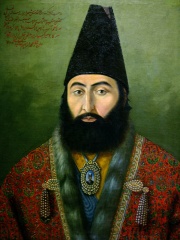
Amir Kabir
POLITICIAN
1807 - 1852
HPI: 62.51
Rang: 231

Ibn al-Faqih
HISTORIAN
HPI: 62.50
Rang: 232
Unter Politiker in Iran
Unter den in Iran geborenen Politiker belegt Shaul Mofaz Rang 123. Vor ihm stehen Ashraf Pahlavi (1919), Gotarzes I (-200), Gotarzes II of Parthia (10), Phriapatius (-290), Shutruk-Nakhunte (-1300), und Fazlollah Zahedi (1897). Nach ihm folgen Shahrokh Shah (1734), Amir Kabir (1807), Amir-Abbas Hoveyda (1919), Ardeshir Zahedi (1928), Shapur IV (null), und Phraates I (-190).

Ashraf Pahlavi
1919 - 2016
HPI: 63.31
Rang: 117
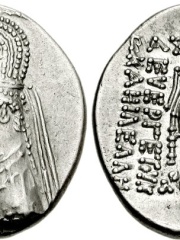
Gotarzes I
200 BC - 90 BC
HPI: 63.24
Rang: 118
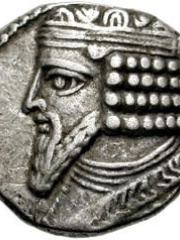
Gotarzes II of Parthia
10 - 51
HPI: 63.14
Rang: 119
Phriapatius
290 BC - 176 BC
HPI: 63.12
Rang: 120
Shutruk-Nakhunte
1300 BC - 1155 BC
HPI: 63.00
Rang: 121
Fazlollah Zahedi
1897 - 1963
HPI: 62.98
Rang: 122
Shaul Mofaz
1948 - heute
HPI: 62.87
Rang: 123
Shahrokh Shah
1734 - 1796
HPI: 62.62
Rang: 124
Amir Kabir
1807 - 1852
HPI: 62.51
Rang: 125
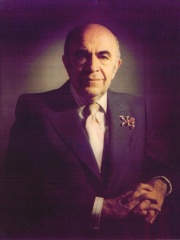
Amir-Abbas Hoveyda
1919 - 1979
HPI: 62.45
Rang: 126
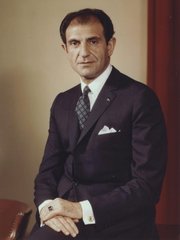
Ardeshir Zahedi
1928 - 2021
HPI: 62.14
Rang: 127
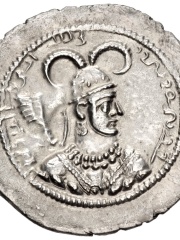
Shapur IV
HPI: 61.98
Rang: 128
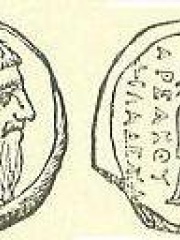
Phraates I
190 BC - 171 BC
HPI: 61.86
Rang: 129




