Politicus
Andrei Kozyrev
1951 - heden
NL.WIKIPEDIA-PAGINAWEERGAVEN (PV)
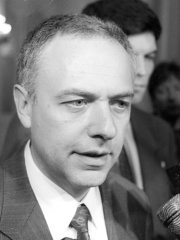
 Andrei Kozyrev
Zijn biografie is beschikbaar in 24 verschillende talen op Wikipedia (toegenomen van 23 in 2024). Andrei Kozyrev staat op plaats 14.103 onder de meest populaire politicus (gedaald van plaats 12.228 in 2024), plaats 607 onder de meest populaire biografieën uit België (gedaald van plaats 496 in 2019) en op plaats 126 onder de populairste politicus uit België.
Bekendheidsstatistieken
110k
Paginaweergaven
Afgelopen 12 maanden
57.05
HPI
Historische populariteitsindex
Paginaweergaven van Andrei Kozyrev per taal
Onder Politicus
Onder Politicus staat Andrei Kozyrev op plaats 14,097 van 19,576. Vóór hem staan Julie Payette, Azzeddine Laraki, Gillis Bildt, Sankhenre Sewadjtu, Ariarathes IX of Cappadocia, en Jane Pierce. Na hem komen Tang Jingsong, Stephen Lekapenos, Grigory Gershuni, Pedro Vélez, Dimitrie Brătianu, en Baltasar Garzón.
Populairste Politicus op Wikipedia
Naar alle ranglijsten
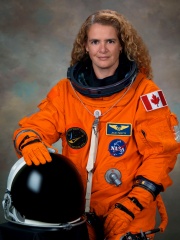
Julie Payette
1963 - heden
HPI: 57.05
Plaats: 14,097
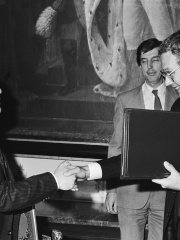
Azzeddine Laraki
1929 - 2010
HPI: 57.05
Plaats: 14,098
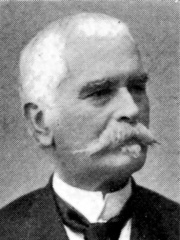
Gillis Bildt
1820 - 1894
HPI: 57.05
Plaats: 14,099

Sankhenre Sewadjtu
1650 BC - 1700 BC
HPI: 57.05
Plaats: 14,100
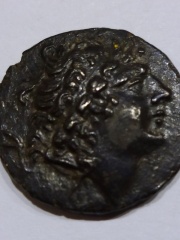
Ariarathes IX of Cappadocia
150 BC - 96 BC
HPI: 57.05
Plaats: 14,101
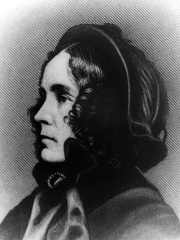
Jane Pierce
1806 - 1863
HPI: 57.05
Plaats: 14,102
Andrei Kozyrev
1951 - heden
HPI: 57.05
Plaats: 14,103
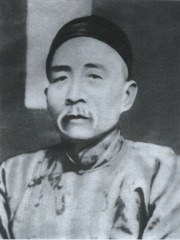
Tang Jingsong
1841 - 1903
HPI: 57.05
Plaats: 14,104
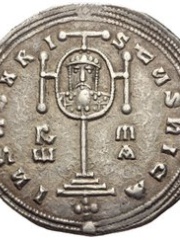
Stephen Lekapenos
901 - 963
HPI: 57.05
Plaats: 14,105
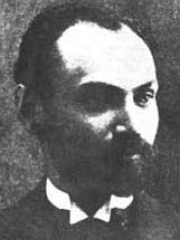
Grigory Gershuni
1870 - heden
HPI: 57.04
Plaats: 14,106
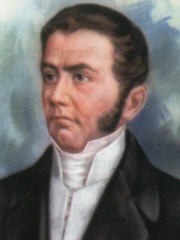
Pedro Vélez
1787 - 1848
HPI: 57.04
Plaats: 14,107
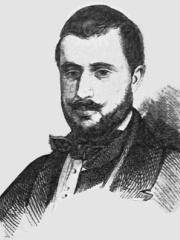
Dimitrie Brătianu
1818 - 1892
HPI: 57.04
Plaats: 14,108
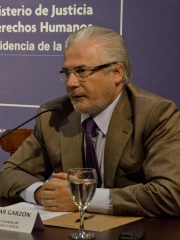
Baltasar Garzón
1955 - heden
HPI: 57.04
Plaats: 14,109

Tijdgenoten
Onder de mensen geboren in 1951 staat Andrei Kozyrev op plaats 335. Vóór hem staan Nitish Kumar, Anna Dymna, Shoshana Zuboff, Claudio Baglioni, Mary Lambert, en Tom Hamilton. Na hem komen Chung Mong-joon, Leonid Tibilov, Ivar Formo, Ulf Andersson, Domitien Ndayizeye, en Barry Van Dyke.
Anderen geboren in 1951
Naar alle ranglijsten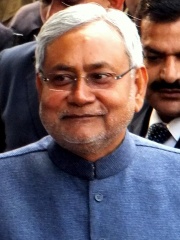
Nitish Kumar
POLITICIAN
1951 - heden
HPI: 57.14
Plaats: 329
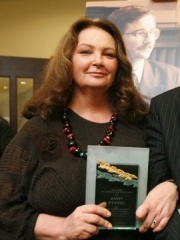
Anna Dymna
ACTOR
1951 - heden
HPI: 57.13
Plaats: 330

Shoshana Zuboff
ECONOMIST
1951 - heden
HPI: 57.10
Plaats: 331
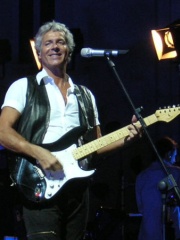
Claudio Baglioni
SINGER
1951 - heden
HPI: 57.09
Plaats: 332

Mary Lambert
FILM DIRECTOR
1951 - heden
HPI: 57.09
Plaats: 333

Tom Hamilton
MUSICIAN
1951 - heden
HPI: 57.08
Plaats: 334
Andrei Kozyrev
POLITICIAN
1951 - heden
HPI: 57.05
Plaats: 335
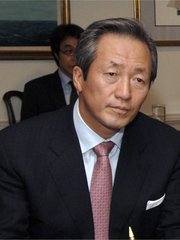
Chung Mong-joon
POLITICIAN
1951 - heden
HPI: 57.04
Plaats: 336
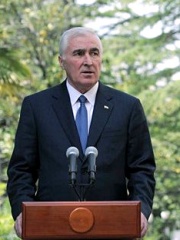
Leonid Tibilov
POLITICIAN
1951 - heden
HPI: 57.04
Plaats: 337
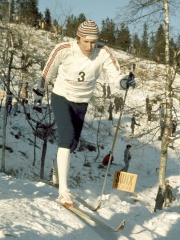
Ivar Formo
SKIER
1951 - 2006
HPI: 57.03
Plaats: 338
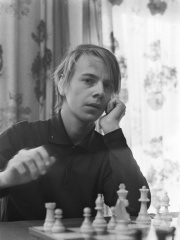
Ulf Andersson
POLITICIAN
1951 - heden
HPI: 57.01
Plaats: 339
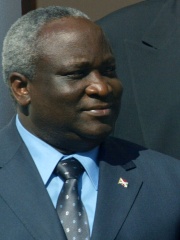
Domitien Ndayizeye
POLITICIAN
1951 - heden
HPI: 56.97
Plaats: 340
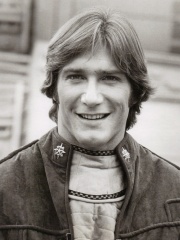
Barry Van Dyke
ACTOR
1951 - heden
HPI: 56.97
Plaats: 341
In België
Onder de mensen geboren in België staat Andrei Kozyrev op plaats 607 van NaN. Vóór hem staan Jan Pieter Schotte (1928), Ludo Coeck (1955), Marouane Fellaini (1987), Simon Bening (1483), Maurice Hemelsoet (1875), en Claude Criquielion (1957). Na hem komen Dries van Noten (1958), Maurice Peeters (1882), FM-2030 (1930), Jacques Tits (1930), Ludo Martens (1946), en Gérard Cooreman (1852).
Anderen geboren in België
Naar alle ranglijsten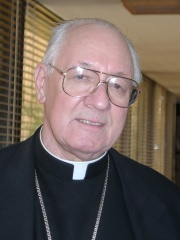
Jan Pieter Schotte
RELIGIOUS FIGURE
1928 - 2005
HPI: 57.20
Plaats: 601
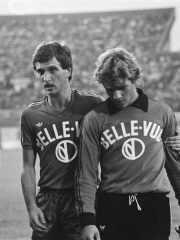
Ludo Coeck
SOCCER PLAYER
1955 - 1985
HPI: 57.18
Plaats: 602
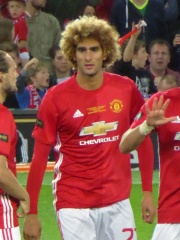
Marouane Fellaini
SOCCER PLAYER
1987 - heden
HPI: 57.12
Plaats: 603
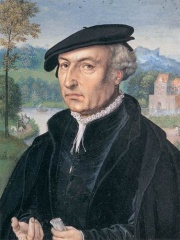
Simon Bening
PAINTER
1483 - 1561
HPI: 57.10
Plaats: 604

Maurice Hemelsoet
ATHLETE
1875 - 1943
HPI: 57.09
Plaats: 605
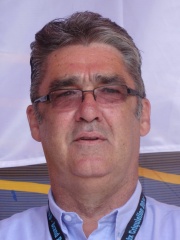
Claude Criquielion
CYCLIST
1957 - 2015
HPI: 57.09
Plaats: 606
Andrei Kozyrev
POLITICIAN
1951 - heden
HPI: 57.05
Plaats: 607

Dries van Noten
FASHION DESIGNER
1958 - heden
HPI: 57.04
Plaats: 608
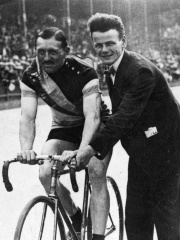
Maurice Peeters
CYCLIST
1882 - 1957
HPI: 57.04
Plaats: 609
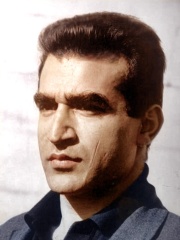
FM-2030
WRITER
1930 - 2000
HPI: 57.01
Plaats: 610
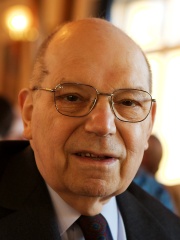
Jacques Tits
MATHEMATICIAN
1930 - 2021
HPI: 57.01
Plaats: 611
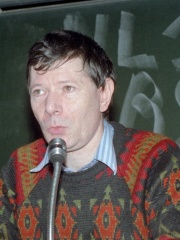
Ludo Martens
POLITICIAN
1946 - 2011
HPI: 56.97
Plaats: 612
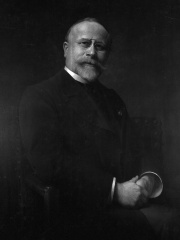
Gérard Cooreman
POLITICIAN
1852 - 1926
HPI: 56.92
Plaats: 613
Onder Politicus in België
Onder Politicus geboren in België staat Andrei Kozyrev op plaats 126. Vóór hem staan Jules de Burlet (1844), Henri de Brouckère (1801), Paul-Émile Janson (1872), Felix de Muelenaere (1793), Frans Schollaert (1851), en Jules Malou (1810). Na hem komen Ludo Martens (1946), Gérard Cooreman (1852), Sœur Emmanuelle (1908), Jean-Baptiste Nothomb (1805), Joseph De Combe (1901), en Hadja Lahbib (1970).
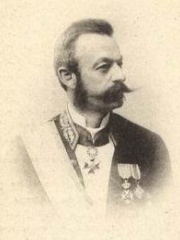
Jules de Burlet
1844 - 1897
HPI: 57.89
Plaats: 120
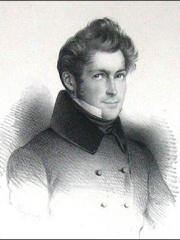
Henri de Brouckère
1801 - 1891
HPI: 57.57
Plaats: 121
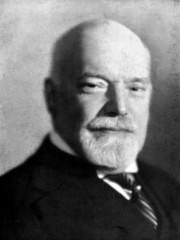
Paul-Émile Janson
1872 - 1944
HPI: 57.56
Plaats: 122
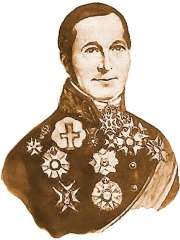
Felix de Muelenaere
1793 - 1862
HPI: 57.54
Plaats: 123
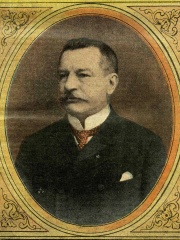
Frans Schollaert
1851 - 1917
HPI: 57.50
Plaats: 124
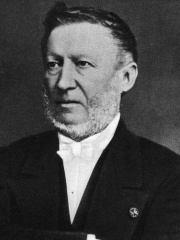
Jules Malou
1810 - 1886
HPI: 57.27
Plaats: 125
Andrei Kozyrev
1951 - heden
HPI: 57.05
Plaats: 126
Ludo Martens
1946 - 2011
HPI: 56.97
Plaats: 127
Gérard Cooreman
1852 - 1926
HPI: 56.92
Plaats: 128
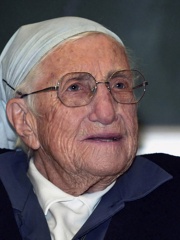
Sœur Emmanuelle
1908 - 2008
HPI: 56.87
Plaats: 129
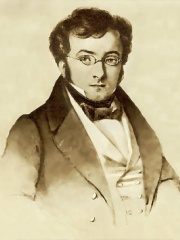
Jean-Baptiste Nothomb
1805 - 1881
HPI: 56.82
Plaats: 130

Joseph De Combe
1901 - 1965
HPI: 56.81
Plaats: 131
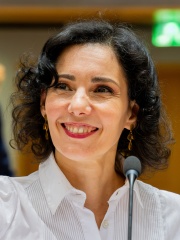
Hadja Lahbib
1970 - heden
HPI: 56.70
Plaats: 132




