Politicien
Sergueï Lavrov
1950 - aujourd'hui
FR.WIKIPEDIA PAGE VIEWS (PV)
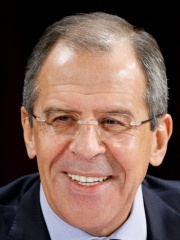
 Sergueï Lavrov
Sa biographie est disponible en 80 langues sur Wikipédia (en hausse par rapport à 78 en 2024). Sergueï Lavrov est le 872nd politicien le plus populaire (en hausse du 933rd en 2024), la 89th biographie la plus populaire de Russie (en hausse du 107th en 2019), ainsi que le 33rd politicien de Russie le plus populaire.
Memorability Metrics
1.6M
Page Views
Past 12 months
76.47
HPI
Historical Popularity Index
Page views of Sergueï Lavrov by language
Among Politiciens
Among politiciens, Sergueï Lavrov ranks 872 out of 19,576. Before him are Walter Ulbricht, Stanisław Leszczyński, Nizam al-Mulk, Hong Taiji, Lutz Graf Schwerin von Krosigk, and Oscar I of Sweden. After him are Władysław IV Vasa, Thutmose I, Catiline, Henry III of England, Hamid Karzai, and Jeongjo of Joseon.
Most Popular Politiciens in Wikipedia
Go to all Rankings
Walter Ulbricht
1893 - 1973
HPI: 76.52
Rank: 866
Stanisław Leszczyński
1677 - 1766
HPI: 76.50
Rank: 867
Nizam al-Mulk
1018 - 1092
HPI: 76.49
Rank: 868
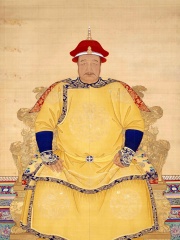
Hong Taiji
1592 - 1643
HPI: 76.49
Rank: 869
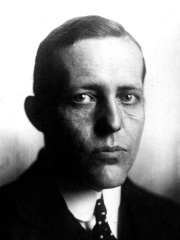
Lutz Graf Schwerin von Krosigk
1887 - 1977
HPI: 76.49
Rank: 870
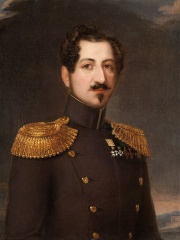
Oscar I of Sweden
1799 - 1859
HPI: 76.48
Rank: 871
Sergey Lavrov
1950 - Present
HPI: 76.47
Rank: 872
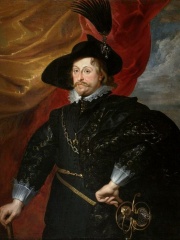
Władysław IV Vasa
1595 - 1648
HPI: 76.47
Rank: 873
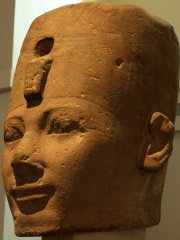
Thutmose I
1600 BC - 1493 BC
HPI: 76.46
Rank: 874
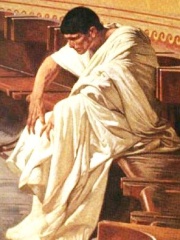
Catiline
109 BC - 62 BC
HPI: 76.46
Rank: 875
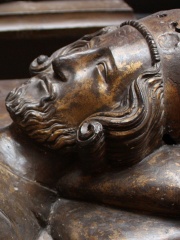
Henry III of England
1207 - 1272
HPI: 76.45
Rank: 876
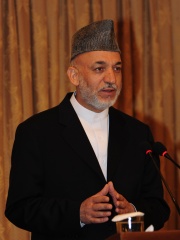
Hamid Karzai
1957 - Present
HPI: 76.45
Rank: 877
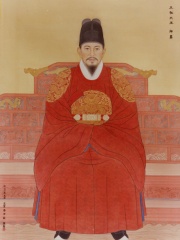
Jeongjo of Joseon
1752 - 1800
HPI: 76.44
Rank: 878

Contemporaries
Among people born in 1950, Sergueï Lavrov ranks 7. Before him are Narendra Modi, Anne, Princess Royal, Viktor Yanukovych, Zaha Hadid, Agnetha Fältskog, and Georg Bednorz. After him are Abdullah Gül, Tom Petty, Jay Leno, Vicente del Bosque, Sahle-Work Zewde, and Stevie Wonder.
Others Born in 1950
Go to all Rankings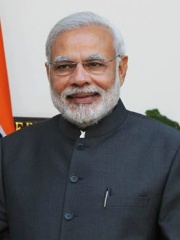
Narendra Modi
POLITICIAN
1950 - Present
HPI: 88.81
Rank: 1
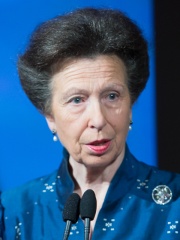
Anne, Princess Royal
NOBLEMAN
1950 - Present
HPI: 82.10
Rank: 2
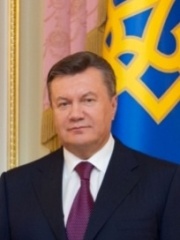
Viktor Yanukovych
POLITICIAN
1950 - Present
HPI: 80.36
Rank: 3
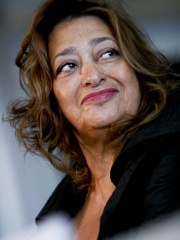
Zaha Hadid
ARCHITECT
1950 - 2016
HPI: 78.46
Rank: 4
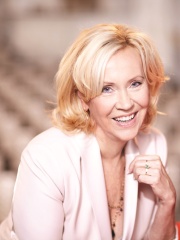
Agnetha Fältskog
SINGER
1950 - Present
HPI: 76.85
Rank: 5
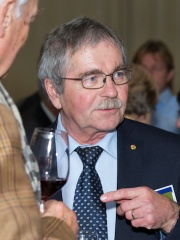
Georg Bednorz
PHYSICIST
1950 - Present
HPI: 76.58
Rank: 6
Sergey Lavrov
POLITICIAN
1950 - Present
HPI: 76.47
Rank: 7
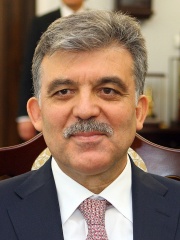
Abdullah Gül
POLITICIAN
1950 - Present
HPI: 75.95
Rank: 8
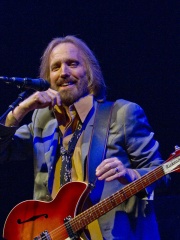
Tom Petty
MUSICIAN
1950 - 2017
HPI: 75.53
Rank: 9
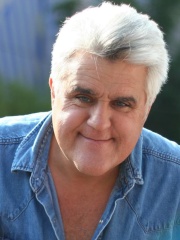
Jay Leno
PRESENTER
1950 - Present
HPI: 75.44
Rank: 10
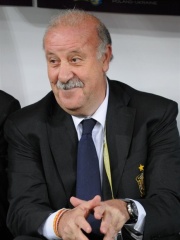
Vicente del Bosque
COACH
1950 - Present
HPI: 74.89
Rank: 11
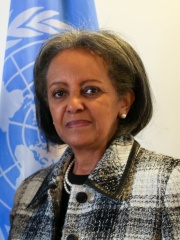
Sahle-Work Zewde
POLITICIAN
1950 - Present
HPI: 74.61
Rank: 12
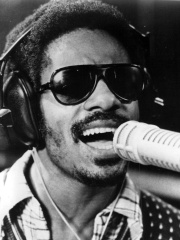
Stevie Wonder
SINGER
1950 - Present
HPI: 73.96
Rank: 13
In Russie
Among people born in Russie, Sergueï Lavrov ranks 89 out of NaN. Before him are Boris Godunov (1552), Feodor I of Russia (1557), Nadezhda Krupskaya (1869), Alexandra Kollontai (1872), Martti Ahtisaari (1937), and Roman Jakobson (1896). After him are Alexei Nikolaevich, Tsarevich of Russia (1904), Andrei Rublev (1360), Olga Constantinovna of Russia (1851), Alexis of Russia (1629), Vasily Arkhipov (1926), and Mikhail Kalinin (1875).
Others born in Russie
Go to all Rankings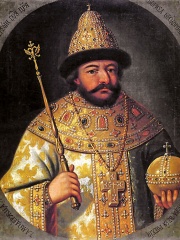
Boris Godunov
POLITICIAN
1552 - 1605
HPI: 76.92
Rank: 83
Feodor I of Russia
POLITICIAN
1557 - 1598
HPI: 76.87
Rank: 84
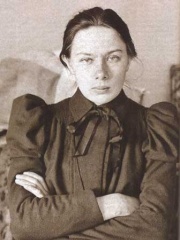
Nadezhda Krupskaya
POLITICIAN
1869 - 1939
HPI: 76.76
Rank: 85
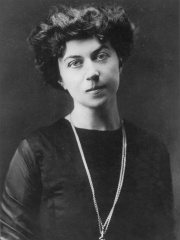
Alexandra Kollontai
DIPLOMAT
1872 - 1952
HPI: 76.62
Rank: 86
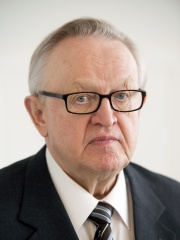
Martti Ahtisaari
POLITICIAN
1937 - 2023
HPI: 76.56
Rank: 87
Roman Jakobson
LINGUIST
1896 - 1982
HPI: 76.47
Rank: 88
Sergey Lavrov
POLITICIAN
1950 - Present
HPI: 76.47
Rank: 89
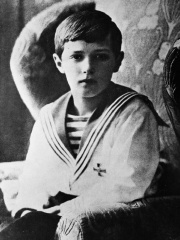
Alexei Nikolaevich, Tsarevich of Russia
NOBLEMAN
1904 - 1918
HPI: 76.39
Rank: 90
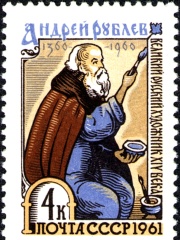
Andrei Rublev
PAINTER
1360 - 1428
HPI: 76.37
Rank: 91
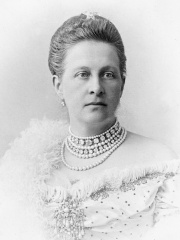
Olga Constantinovna of Russia
COMPANION
1851 - 1926
HPI: 76.29
Rank: 92
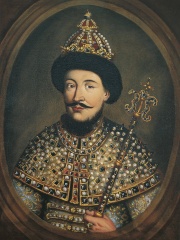
Alexis of Russia
POLITICIAN
1629 - 1676
HPI: 76.05
Rank: 93
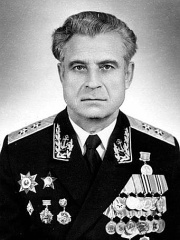
Vasily Arkhipov
MILITARY PERSONNEL
1926 - 1998
HPI: 75.89
Rank: 94
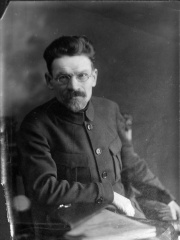
Mikhail Kalinin
PUBLIC WORKER
1875 - 1946
HPI: 75.85
Rank: 95
Among Politiciens In Russie
Among politiciens born in Russie, Sergueï Lavrov ranks 33. Before him are Anna of Russia (1693), Dmitry Medvedev (1965), Boris Godunov (1552), Feodor I of Russia (1557), Nadezhda Krupskaya (1869), and Martti Ahtisaari (1937). After him are Alexis of Russia (1629), Ivan III of Russia (1440), Michael of Russia (1596), Lev Kamenev (1883), Nikolai Bukharin (1888), and Nikolai Yezhov (1895).
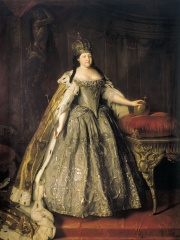
Anna of Russia
1693 - 1740
HPI: 77.21
Rank: 27
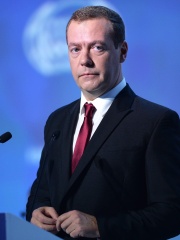
Dmitry Medvedev
1965 - Present
HPI: 76.96
Rank: 28
Boris Godunov
1552 - 1605
HPI: 76.92
Rank: 29
Feodor I of Russia
1557 - 1598
HPI: 76.87
Rank: 30
Nadezhda Krupskaya
1869 - 1939
HPI: 76.76
Rank: 31
Martti Ahtisaari
1937 - 2023
HPI: 76.56
Rank: 32
Sergey Lavrov
1950 - Present
HPI: 76.47
Rank: 33
Alexis of Russia
1629 - 1676
HPI: 76.05
Rank: 34
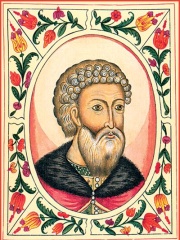
Ivan III of Russia
1440 - 1505
HPI: 75.83
Rank: 35
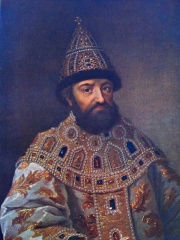
Michael of Russia
1596 - 1645
HPI: 75.82
Rank: 36
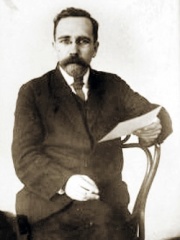
Lev Kamenev
1883 - 1936
HPI: 75.58
Rank: 37
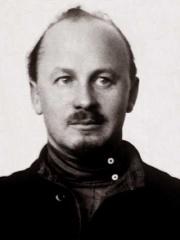
Nikolai Bukharin
1888 - 1938
HPI: 75.51
Rank: 38
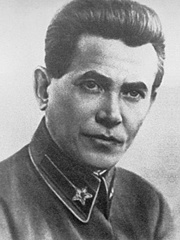
Nikolai Yezhov
1895 - 1940
HPI: 75.17
Rank: 39




