Politiker
Grigory Gershuni
1870 - heute
DE.WIKIPEDIA PAGE VIEWS (PV)
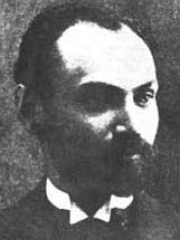
 Grigory Gershuni
Seine Biografie ist in 17 verschiedenen Sprachen auf Wikipedia verfügbar (gestiegen von 15 im Jahr 2024). Grigory Gershuni ist der 14,104th beliebteste Politiker (gesunken vom 13,725th im Jahr 2024), die 138th beliebteste Biografie aus Litauen (gesunken vom 134th im Jahr 2019) und der 48th beliebteste aus Litauen Politiker.
Memorability Metrics
41k
Page Views
Past 12 months
57.04
HPI
Historical Popularity Index
Page views of Grigory Gershuni by language
Among Politikers
Among politikers, Grigory Gershuni ranks 14,098 out of 19,576. Before him are Sankhenre Sewadjtu, Ariarathes IX of Cappadocia, Jane Pierce, Andrei Kozyrev, Tang Jingsong, and Stephen Lekapenos. After him are Pedro Vélez, Dimitrie Brătianu, Baltasar Garzón, Chung Mong-joon, Racho Petrov, and Leonid Tibilov.
Most Popular Politikers in Wikipedia
Go to all Rankings

Sankhenre Sewadjtu
1650 BC - 1700 BC
HPI: 57.05
Rank: 14,098
Ariarathes IX of Cappadocia
150 BC - 96 BC
HPI: 57.05
Rank: 14,099
Jane Pierce
1806 - 1863
HPI: 57.05
Rank: 14,100
Andrei Kozyrev
1951 - Present
HPI: 57.05
Rank: 14,101
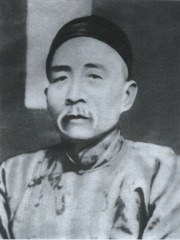
Tang Jingsong
1841 - 1903
HPI: 57.05
Rank: 14,102
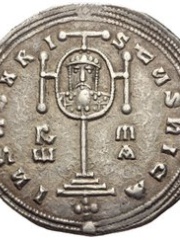
Stephen Lekapenos
901 - 963
HPI: 57.05
Rank: 14,103
Grigory Gershuni
1870 - Present
HPI: 57.04
Rank: 14,104
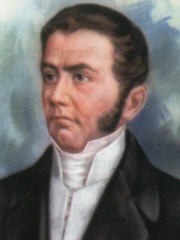
Pedro Vélez
1787 - 1848
HPI: 57.04
Rank: 14,105
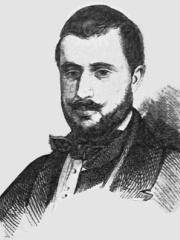
Dimitrie Brătianu
1818 - 1892
HPI: 57.04
Rank: 14,106
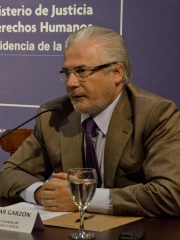
Baltasar Garzón
1955 - Present
HPI: 57.04
Rank: 14,107
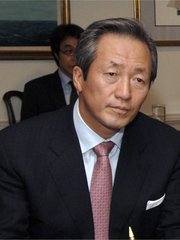
Chung Mong-joon
1951 - Present
HPI: 57.04
Rank: 14,108
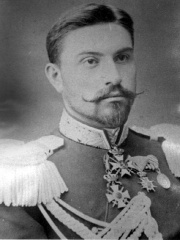
Racho Petrov
1861 - 1942
HPI: 57.04
Rank: 14,109
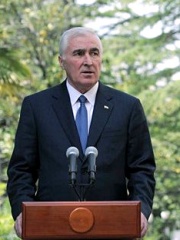
Leonid Tibilov
1951 - Present
HPI: 57.04
Rank: 14,110

Contemporaries
Among people born in 1870, Grigory Gershuni ranks 123. Before him are Hans Baluschek, Erik Adolf von Willebrand, Jędrzej Moraczewski, Lars Sonck, Štefan Banič, and Jan Šrámek. After him are Hisashi Kimura, Verner Järvinen, Lilian Gibbs, Bautista Saavedra, Henri Bouckaert, and Teodor Shteingel.
Others Born in 1870
Go to all Rankings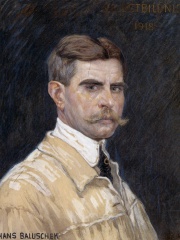
Hans Baluschek
PAINTER
1870 - 1935
HPI: 57.54
Rank: 117
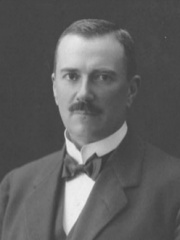
Erik Adolf von Willebrand
PHYSICIAN
1870 - 1949
HPI: 57.33
Rank: 118
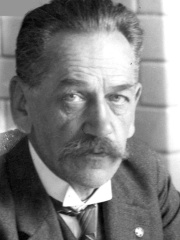
Jędrzej Moraczewski
POLITICIAN
1870 - 1944
HPI: 57.32
Rank: 119
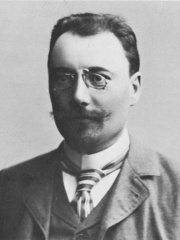
Lars Sonck
ARCHITECT
1870 - 1956
HPI: 57.30
Rank: 120
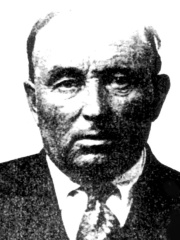
Štefan Banič
INVENTOR
1870 - 1941
HPI: 57.26
Rank: 121
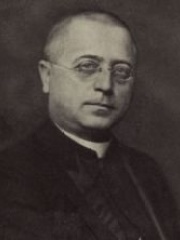
Jan Šrámek
POLITICIAN
1870 - 1956
HPI: 57.24
Rank: 122
Grigory Gershuni
POLITICIAN
1870 - Present
HPI: 57.04
Rank: 123
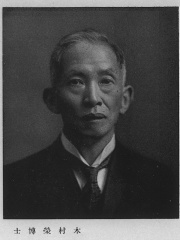
Hisashi Kimura
ASTRONOMER
1870 - 1943
HPI: 56.71
Rank: 124
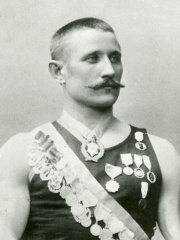
Verner Järvinen
ATHLETE
1870 - 1941
HPI: 56.66
Rank: 125

Lilian Gibbs
BIOLOGIST
1870 - 1925
HPI: 56.59
Rank: 126
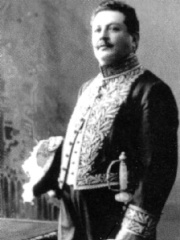
Bautista Saavedra
POLITICIAN
1870 - 1939
HPI: 56.48
Rank: 127

Henri Bouckaert
ATHLETE
1870 - 1912
HPI: 56.41
Rank: 128
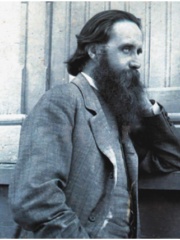
Teodor Shteingel
POLITICIAN
1870 - 1946
HPI: 56.37
Rank: 129
In Litauen
Among people born in Litauen, Grigory Gershuni ranks 138 out of NaN. Before him are Bernard Lown (1921), Henryk Gulbinowicz (1923), Steponas Darius (1896), Iosif Grigulevich (1913), Cornell Borchers (1925), and Jurgis Baltrušaitis (1873). After him are Stanisław Narutowicz (1862), Napoleon Cybulski (1854), Meir Vilner (1918), Jonas Kazlauskas (1954), Kārlis Zāle (1888), and Władysław Komar (1940).
Others born in Litauen
Go to all Rankings
Bernard Lown
INVENTOR
1921 - 2021
HPI: 57.36
Rank: 132
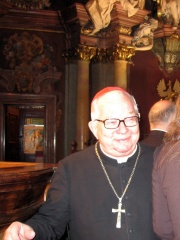
Henryk Gulbinowicz
RELIGIOUS FIGURE
1923 - 2020
HPI: 57.26
Rank: 133
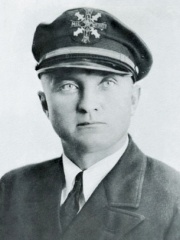
Steponas Darius
PILOT
1896 - 1933
HPI: 57.25
Rank: 134
Iosif Grigulevich
SOCIAL ACTIVIST
1913 - 1988
HPI: 57.17
Rank: 135
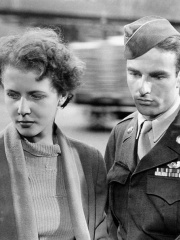
Cornell Borchers
ACTOR
1925 - 2014
HPI: 57.13
Rank: 136
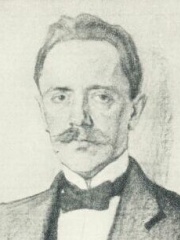
Jurgis Baltrušaitis
WRITER
1873 - 1944
HPI: 57.08
Rank: 137
Grigory Gershuni
POLITICIAN
1870 - Present
HPI: 57.04
Rank: 138
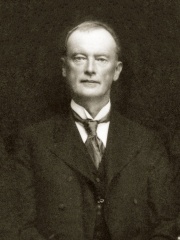
Stanisław Narutowicz
POLITICIAN
1862 - 1932
HPI: 56.87
Rank: 139
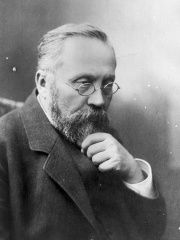
Napoleon Cybulski
PHYSICIAN
1854 - 1919
HPI: 56.82
Rank: 140
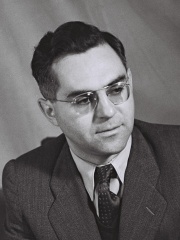
Meir Vilner
POLITICIAN
1918 - 2003
HPI: 56.73
Rank: 141

Jonas Kazlauskas
BASKETBALL PLAYER
1954 - Present
HPI: 56.61
Rank: 142
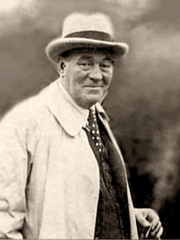
Kārlis Zāle
SCULPTOR
1888 - 1942
HPI: 56.56
Rank: 143
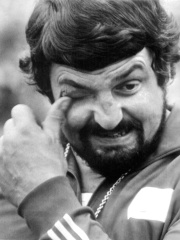
Władysław Komar
ATHLETE
1940 - 1998
HPI: 56.53
Rank: 144
Among Politikers In Litauen
Among politikers born in Litauen, Grigory Gershuni ranks 48. Before him are Algirdas Butkevičius (1958), Jonas Staugaitis (1868), Osip Piatnitsky (1882), Aharon Barak (1936), Joe Slovo (1926), and Vincas Krėvė-Mickevičius (1882). After him are Stanisław Narutowicz (1862), Meir Vilner (1918), Irena Degutienė (1949), Vladas Mironas (1880), Mykolas Biržiška (1882), and Zigmantas Balčytis (1953).
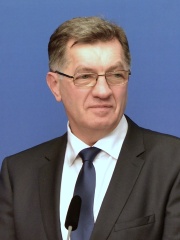
Algirdas Butkevičius
1958 - Present
HPI: 58.39
Rank: 42
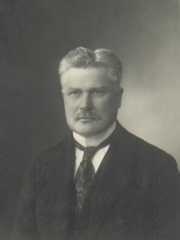
Jonas Staugaitis
1868 - 1952
HPI: 58.11
Rank: 43
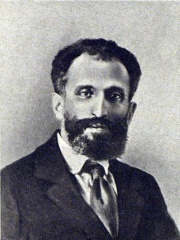
Osip Piatnitsky
1882 - 1938
HPI: 58.11
Rank: 44
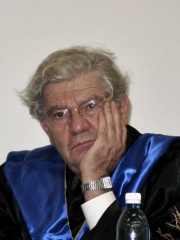
Aharon Barak
1936 - Present
HPI: 57.88
Rank: 45
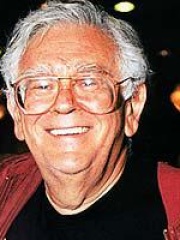
Joe Slovo
1926 - 1995
HPI: 57.80
Rank: 46
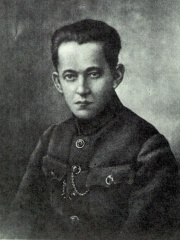
Vincas Krėvė-Mickevičius
1882 - 1954
HPI: 57.40
Rank: 47
Grigory Gershuni
1870 - Present
HPI: 57.04
Rank: 48
Stanisław Narutowicz
1862 - 1932
HPI: 56.87
Rank: 49
Meir Vilner
1918 - 2003
HPI: 56.73
Rank: 50
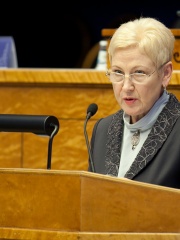
Irena Degutienė
1949 - Present
HPI: 56.41
Rank: 51
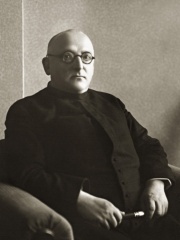
Vladas Mironas
1880 - 1953
HPI: 56.11
Rank: 52
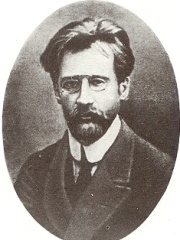
Mykolas Biržiška
1882 - 1962
HPI: 56.10
Rank: 53
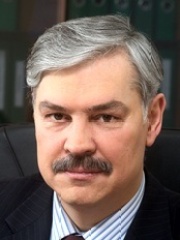
Zigmantas Balčytis
1953 - Present
HPI: 55.89
Rank: 54




