哲学者
Siger of Brabant
1240 - 1284
JA.WIKIPEDIA ページビュー (PV)
 Siger of Brabant
知名度指標
24k
ページビュー
過去12か月
68.25
HPI
歴史的人気指数
データインサイト
#132 / 1,454
Siger of BrabantはPantheonに収録されたベルギー生まれの1,454人中第132位で、上位10%に入ります。
Siger of Brabantの言語別ページビュー
哲学者の中で
哲学者の中で、Siger of Brabantは1,285人中400位です。 彼より上位:Archelaus, A. S. Neill, J. L. Austin, Bartolus de Saxoferrato, Anne Conway, 、Carl Gustav Hempel. 彼より下位:Plutarch of Athens, Karl Rahner, Antoine Destutt de Tracy, Luce Irigaray, E. H. Carr, 、Yajnavalkya.
ウィキペディアで最も人気のある哲学者
すべてのランキングを見る
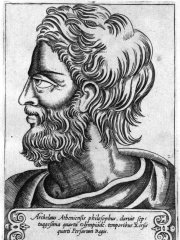
Archelaus
500 BC - 430 BC
HPI: 68.42
順位: 394
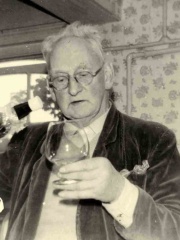
A. S. Neill
1883 - 1973
HPI: 68.40
順位: 395
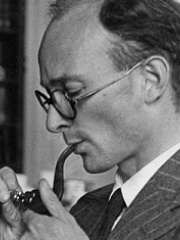
J. L. Austin
1911 - 1960
HPI: 68.39
順位: 396
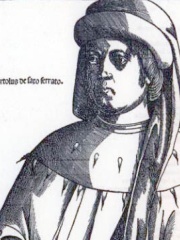
Bartolus de Saxoferrato
1313 - 1357
HPI: 68.37
順位: 397
Anne Conway
1631 - 1679
HPI: 68.32
順位: 398
Carl Gustav Hempel
1905 - 1997
HPI: 68.26
順位: 399

Siger of Brabant
1240 - 1284
HPI: 68.25
順位: 400
Plutarch of Athens
350 - 431
HPI: 68.19
順位: 401
Karl Rahner
1904 - 1984
HPI: 68.19
順位: 402
Antoine Destutt de Tracy
1754 - 1836
HPI: 68.14
順位: 403

Luce Irigaray
1930 - 現在
HPI: 68.14
順位: 404
E. H. Carr
1892 - 1982
HPI: 68.14
順位: 405

Yajnavalkya
50 - 700 BC
HPI: 68.10
順位: 406

同時代の人物
1240年生まれの人の中で、Siger of Brabantは9位です。 彼より上位:Yunus Emre, Arnolfo di Cambio, Arnaldus de Villa Nova, Henry VI, Count of Luxembourg, Boetius of Dacia, 、Abraham Abulafia. 彼より下位:Pietro Cavallini, Magnus III of Sweden, Elizabeth the Cuman, Konstantin Tih, Albert II, Margrave of Meissen, 、Jean de Meun. 1284年に亡くなった人の中で、Siger of Brabantは6位です。 彼より上位:Nasreddin, Alfonso X of Castile, Tekuder, Nicola Pisano, 、Boetius of Dacia. 彼より下位:Hōjō Tokimune, Hugh III of Cyprus, Peter I, Count of Alençon, George, Emperor of Trebizond, Adelaide of Holland, 、Sturla Þórðarson.
1240年生まれのその他の人物
すべてのランキングを見る
Yunus Emre
WRITER
1240 - 1321
HPI: 72.13
順位: 3
Arnolfo di Cambio
ARCHITECT
1240 - 1302
HPI: 71.60
順位: 4
Arnaldus de Villa Nova
PHILOSOPHER
1240 - 1311
HPI: 70.69
順位: 5

Henry VI, Count of Luxembourg
POLITICIAN
1240 - 1288
HPI: 69.71
順位: 6

Boetius of Dacia
PHILOSOPHER
1240 - 1284
HPI: 68.58
順位: 7
Abraham Abulafia
WRITER
1240 - 1292
HPI: 68.36
順位: 8
Siger of Brabant
PHILOSOPHER
1240 - 1284
HPI: 68.25
順位: 9

Pietro Cavallini
PAINTER
1240 - 1330
HPI: 67.79
順位: 10
Magnus III of Sweden
POLITICIAN
1240 - 1290
HPI: 67.72
順位: 11
Elizabeth the Cuman
COMPANION
1240 - 1290
HPI: 65.96
順位: 12
Konstantin Tih
POLITICIAN
1240 - 1277
HPI: 65.45
順位: 13
Albert II, Margrave of Meissen
POLITICIAN
1240 - 1314
HPI: 65.13
順位: 14
Jean de Meun
WRITER
1240 - 1305
HPI: 64.93
順位: 15
1284年に亡くなったその他の人物
すべてのランキングを見る
Nasreddin
COMEDIAN
1208 - 1284
HPI: 81.31
順位: 1
Alfonso X of Castile
WRITER
1221 - 1284
HPI: 75.86
順位: 2
Tekuder
POLITICIAN
1247 - 1284
HPI: 72.05
順位: 3
Nicola Pisano
SCULPTOR
1225 - 1284
HPI: 71.85
順位: 4
Boetius of Dacia
PHILOSOPHER
1240 - 1284
HPI: 68.58
順位: 5
Siger of Brabant
PHILOSOPHER
1240 - 1284
HPI: 68.25
順位: 6

Hōjō Tokimune
POLITICIAN
1251 - 1284
HPI: 66.32
順位: 7
Hugh III of Cyprus
POLITICIAN
1235 - 1284
HPI: 64.21
順位: 8
Peter I, Count of Alençon
POLITICIAN
1251 - 1284
HPI: 63.74
順位: 9
George, Emperor of Trebizond
POLITICIAN
1255 - 1284
HPI: 61.48
順位: 10
Adelaide of Holland
POLITICIAN
1230 - 1284
HPI: 58.74
順位: 11

Sturla Þórðarson
WRITER
1214 - 1284
HPI: 58.48
順位: 12
ベルギーの中で
ベルギー生まれの人の中で、Siger of Brabantは1,454人中132位です。 彼より上位:David Teniers the Younger (1610), Charles Theodore, Elector of Bavaria (1724), Jacob Le Maire (1585), Godfried Danneels (1933), Gertrude of Nivelles (626), 、Godfrey I, Count of Louvain (1060). 彼より下位:Joseph Plateau (1801), Luce Irigaray (1930), Alfred I, Prince of Windisch-Grätz (1787), Kevin De Bruyne (1991), Prince Philippe, Count of Flanders (1837), 、Ambiorix (-100).
ベルギー生まれのその他の人物
すべてのランキングを見る
David Teniers the Younger
PAINTER
1610 - 1690
HPI: 68.46
順位: 126
Charles Theodore, Elector of Bavaria
POLITICIAN
1724 - 1799
HPI: 68.40
順位: 127
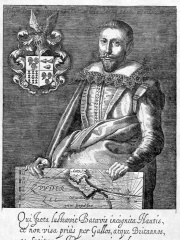
Jacob Le Maire
POLITICIAN
1585 - 1616
HPI: 68.39
順位: 128
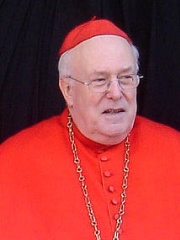
Godfried Danneels
RELIGIOUS FIGURE
1933 - 2019
HPI: 68.39
順位: 129
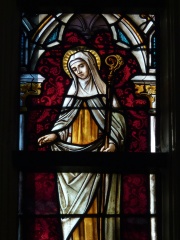
Gertrude of Nivelles
RELIGIOUS FIGURE
626 - 659
HPI: 68.36
順位: 130
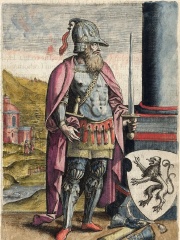
Godfrey I, Count of Louvain
NOBLEMAN
1060 - 1139
HPI: 68.28
順位: 131
Siger of Brabant
PHILOSOPHER
1240 - 1284
HPI: 68.25
順位: 132
Joseph Plateau
PHYSICIST
1801 - 1883
HPI: 68.19
順位: 133
Luce Irigaray
PHILOSOPHER
1930 - 現在
HPI: 68.14
順位: 134
Alfred I, Prince of Windisch-Grätz
MILITARY PERSONNEL
1787 - 1862
HPI: 68.09
順位: 135

Kevin De Bruyne
SOCCER PLAYER
1991 - 現在
HPI: 68.07
順位: 136
Prince Philippe, Count of Flanders
NOBLEMAN
1837 - 1905
HPI: 67.97
順位: 137
Ambiorix
POLITICIAN
100 BC - 53 BC
HPI: 67.96
順位: 138
ベルギーの哲学者の中で
ベルギー生まれの哲学者の中で、Siger of Brabantは2位です。 彼より上位:Justus Lipsius (1547). 彼より下位:Luce Irigaray (1930), Chantal Mouffe (1943), Arnold Geulincx (1624), Henry of Ghent (1217), Franciscus Gomarus (1563), Félix Ravaisson-Mollien (1813), Paul de Man (1919), Alice von Hildebrand (1923), 、Michel Weber (1963).
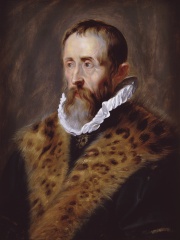
Justus Lipsius
1547 - 1606
HPI: 69.44
順位: 1
Siger of Brabant
1240 - 1284
HPI: 68.25
順位: 2
Luce Irigaray
1930 - 現在
HPI: 68.14
順位: 3
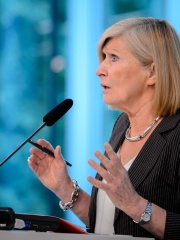
Chantal Mouffe
1943 - 現在
HPI: 67.40
順位: 4

Arnold Geulincx
1624 - 1669
HPI: 62.94
順位: 5

Henry of Ghent
1217 - 1293
HPI: 61.97
順位: 6
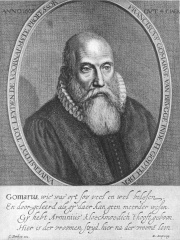
Franciscus Gomarus
1563 - 1641
HPI: 61.31
順位: 7
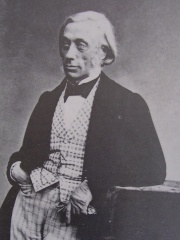
Félix Ravaisson-Mollien
1813 - 1900
HPI: 61.25
順位: 8

Paul de Man
1919 - 1983
HPI: 60.52
順位: 9

Alice von Hildebrand
1923 - 2022
HPI: 52.85
順位: 10
Michel Weber
1963 - 現在
HPI: 49.69
順位: 11




