政治家
Menander I
190 BC - 130 BC
JA.WIKIPEDIA ページビュー (PV)
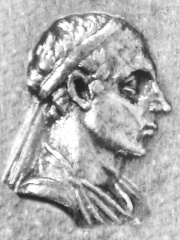
 Menander I
彼の伝記はウィキペディアで33言語で利用可能です。Menander Iは、最も人気のある政治家の中で第6604位(2024年の第4673位から順位を下げ)、アフガニスタン人物の伝記の中で第59位(2019年の第40位から順位を下げ)、また最も人気のあるアフガニスタン人政治家の中で第42位に位置しています。
知名度指標
82k
ページビュー
過去12か月
64.62
HPI
歴史的人気指数
データインサイト
#20,329
没後21世紀以上を経た今も、Menander IはPantheonの全人物中第20,329位を保っています。
33
Menander Iの伝記はウィキペディアの33言語版に掲載されており、政治家全体の75%を上回っています。
Menander Iの言語別ページビュー
政治家の中で
政治家の中で、Menander Iは19,576人中6,602位です。 彼より上位:Friedrich Wilhelm I, Duke of Saxe-Weimar, Albert I, Duke of Saxony, Christopher Báthory, Thomas R. Marshall, Sisowath of Cambodia, 、Masahito, Prince Hitachi. 彼より下位:Demchugdongrub, Phillipe de Plessis, Charles the Child, Fusako Shigenobu, Francisco Craveiro Lopes, 、Johan Nygaardsvold.
ウィキペディアで最も人気のある政治家
すべてのランキングを見る
Friedrich Wilhelm I, Duke of Saxe-Weimar
1562 - 1602
HPI: 64.62
順位: 6,598
Albert I, Duke of Saxony
1175 - 1260
HPI: 64.62
順位: 6,599
Christopher Báthory
1530 - 1581
HPI: 64.62
順位: 6,600
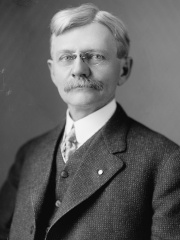
Thomas R. Marshall
1854 - 1925
HPI: 64.62
順位: 6,601
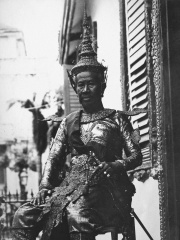
Sisowath of Cambodia
1840 - 1927
HPI: 64.62
順位: 6,602
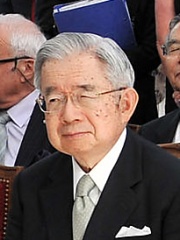
Masahito, Prince Hitachi
1935 - 現在
HPI: 64.62
順位: 6,603
Menander I
190 BC - 130 BC
HPI: 64.62
順位: 6,604
Demchugdongrub
1902 - 1966
HPI: 64.62
順位: 6,605

Phillipe de Plessis
1165 - 1209
HPI: 64.62
順位: 6,606

Charles the Child
847 - 866
HPI: 64.62
順位: 6,607

Fusako Shigenobu
1945 - 現在
HPI: 64.62
順位: 6,608
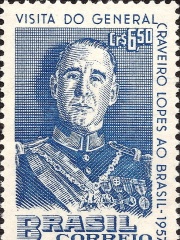
Francisco Craveiro Lopes
1894 - 1964
HPI: 64.61
順位: 6,609
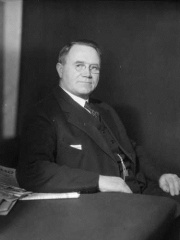
Johan Nygaardsvold
1879 - 1952
HPI: 64.61
順位: 6,610

同時代の人物
190 BC年生まれの人の中で、Menander Iは5位です。 彼より上位:Hipparchus, Julia, Lucius Mummius Achaicus, 、Seleucus of Seleucia. 彼より下位:Alexander II Zabinas, Servius Sulpicius Galba, Phraates I, Orodes I of Parthia, 、Hypsicles. 130 BC年に亡くなった人の中で、Menander Iは2位です。 彼より上位:Pacuvius. 彼より下位:Servius Sulpicius Galba, Quintus Fabius Maximus Aemilianus, 、Ptolemaeus of Commagene.
190 BC年生まれのその他の人物
すべてのランキングを見る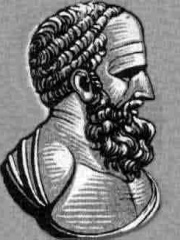
Hipparchus
ASTRONOMER
190 BC - 120 BC
HPI: 79.75
順位: 1
Julia
POLITICIAN
190 BC - 69 BC
HPI: 66.74
順位: 2
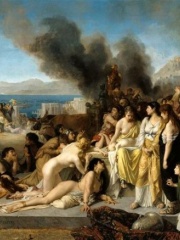
Lucius Mummius Achaicus
POLITICIAN
190 BC - 200 BC
HPI: 65.03
順位: 3

Seleucus of Seleucia
ASTRONOMER
190 BC - 150 BC
HPI: 64.67
順位: 4
Menander I
POLITICIAN
190 BC - 130 BC
HPI: 64.62
順位: 5
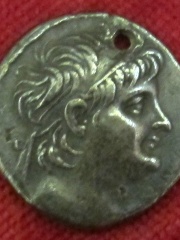
Alexander II Zabinas
POLITICIAN
190 BC - 123 BC
HPI: 64.38
順位: 6

Servius Sulpicius Galba
POLITICIAN
190 BC - 130 BC
HPI: 62.46
順位: 7
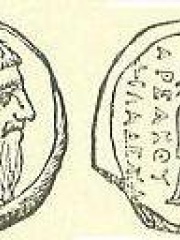
Phraates I
POLITICIAN
190 BC - 171 BC
HPI: 61.86
順位: 8
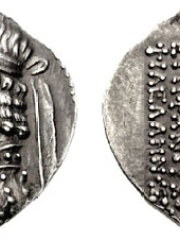
Orodes I of Parthia
POLITICIAN
190 BC - 90 BC
HPI: 61.78
順位: 9

Hypsicles
MATHEMATICIAN
190 BC - 120 BC
HPI: 60.26
順位: 10
130 BC年に亡くなったその他の人物
すべてのランキングを見る
Pacuvius
WRITER
220 BC - 130 BC
HPI: 64.78
順位: 1
Menander I
POLITICIAN
190 BC - 130 BC
HPI: 64.62
順位: 2
Servius Sulpicius Galba
POLITICIAN
190 BC - 130 BC
HPI: 62.46
順位: 3

Quintus Fabius Maximus Aemilianus
POLITICIAN
189 BC - 130 BC
HPI: 59.66
順位: 4

Ptolemaeus of Commagene
POLITICIAN
250 BC - 130 BC
HPI: 58.04
順位: 5
アフガニスタンの中で
アフガニスタン生まれの人の中で、Menander Iは177人中59位です。 彼より上位:Mirwais Hotak (1673), Abu Sa'id Mirza (1424), Abd-al-Razzāq Samarqandī (1413), Abdul Rahim Hatif (1926), Mas'ud I of Ghazni (998), 、Sher Ali Khan (1825). 彼より下位:Bairam Khan (1501), Khwaja Abdullah Ansari (1006), Saman Khuda (701), Abu Zayd al-Balkhi (850), Ibn Hibban (883), 、Abul-Qasim Babur Mirza (1422).
アフガニスタン生まれのその他の人物
すべてのランキングを見る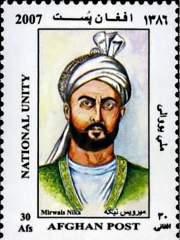
Mirwais Hotak
POLITICIAN
1673 - 1715
HPI: 64.94
順位: 53
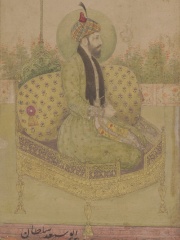
Abu Sa'id Mirza
POLITICIAN
1424 - 1469
HPI: 64.86
順位: 54

Abd-al-Razzāq Samarqandī
HISTORIAN
1413 - 1482
HPI: 64.80
順位: 55

Abdul Rahim Hatif
POLITICIAN
1926 - 2013
HPI: 64.69
順位: 56
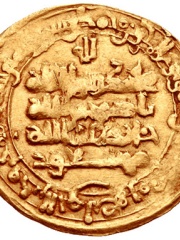
Mas'ud I of Ghazni
POLITICIAN
998 - 1041
HPI: 64.62
順位: 57
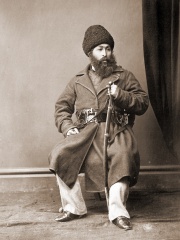
Sher Ali Khan
POLITICIAN
1825 - 1879
HPI: 64.62
順位: 58
Menander I
POLITICIAN
190 BC - 130 BC
HPI: 64.62
順位: 59
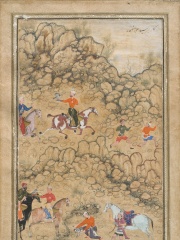
Bairam Khan
POLITICIAN
1501 - 1561
HPI: 64.44
順位: 60
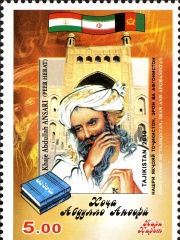
Khwaja Abdullah Ansari
RELIGIOUS FIGURE
1006 - 1089
HPI: 64.35
順位: 61

Saman Khuda
POLITICIAN
701 - 現在
HPI: 64.13
順位: 62

Abu Zayd al-Balkhi
MATHEMATICIAN
850 - 934
HPI: 64.06
順位: 63

Ibn Hibban
HISTORIAN
883 - 965
HPI: 63.98
順位: 64

Abul-Qasim Babur Mirza
POLITICIAN
1422 - 1457
HPI: 63.92
順位: 65
アフガニスタンの政治家の中で
アフガニスタン生まれの政治家の中で、Menander Iは42位です。 彼より上位:Mahmud Shah Durrani (1769), Mirwais Hotak (1673), Abu Sa'id Mirza (1424), Abdul Rahim Hatif (1926), Mas'ud I of Ghazni (998), 、Sher Ali Khan (1825). 彼より下位:Bairam Khan (1501), Saman Khuda (701), Abul-Qasim Babur Mirza (1422), Zaman Shah Durrani (1770), Inayatullah Khan (1888), 、Ayub Khan (1857).
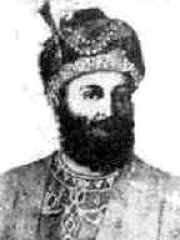
Mahmud Shah Durrani
1769 - 1829
HPI: 64.99
順位: 36
Mirwais Hotak
1673 - 1715
HPI: 64.94
順位: 37
Abu Sa'id Mirza
1424 - 1469
HPI: 64.86
順位: 38
Abdul Rahim Hatif
1926 - 2013
HPI: 64.69
順位: 39
Mas'ud I of Ghazni
998 - 1041
HPI: 64.62
順位: 40
Sher Ali Khan
1825 - 1879
HPI: 64.62
順位: 41
Menander I
190 BC - 130 BC
HPI: 64.62
順位: 42
Bairam Khan
1501 - 1561
HPI: 64.44
順位: 43
Saman Khuda
701 - 現在
HPI: 64.13
順位: 44
Abul-Qasim Babur Mirza
1422 - 1457
HPI: 63.92
順位: 45
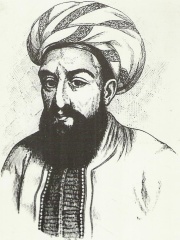
Zaman Shah Durrani
1770 - 1845
HPI: 63.88
順位: 46
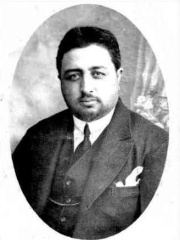
Inayatullah Khan
1888 - 1946
HPI: 63.65
順位: 47
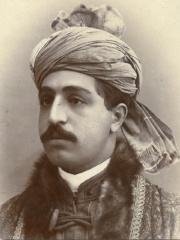
Ayub Khan
1857 - 1914
HPI: 63.58
順位: 48




