Politicus
Fusako Shigenobu
1945 - heden

 Fusako Shigenobu
Haar biografie is beschikbaar in 22 verschillende talen op Wikipedia. Fusako Shigenobu staat op plaats 6.608 onder de meest populaire politicus (gedaald van plaats 6.607 in 2024), plaats 540 onder de meest populaire biografieën uit Japan (gedaald van plaats 508 in 2019) en op plaats 187 onder de populairste politicus uit Japan.
Bekendheidsstatistieken
510k
Paginaweergaven
Afgelopen 12 maanden
64.62
HPI
Historische populariteitsindex
Paginaweergaven van Fusako Shigenobu per taal
Onder Politicus
Onder Politicus staat Fusako Shigenobu op plaats 6,606 van 19,576. Vóór haar staan Sisowath of Cambodia, Masahito, Prince Hitachi, Menander I, Demchugdongrub, Phillipe de Plessis, en Charles the Child. Na haar komen Francisco Craveiro Lopes, Johan Nygaardsvold, Kimon Georgiev, Quintus Pedius, Frederick V, Duke of Swabia, en Princess Victoria Adelaide of Schleswig-Holstein.
Populairste Politicus op Wikipedia
Naar alle ranglijsten
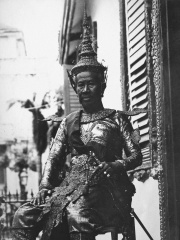
Sisowath of Cambodia
1840 - 1927
HPI: 64.62
Plaats: 6,602
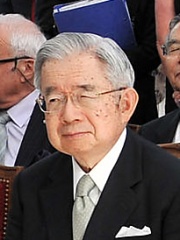
Masahito, Prince Hitachi
1935 - heden
HPI: 64.62
Plaats: 6,603
Menander I
190 BC - 130 BC
HPI: 64.62
Plaats: 6,604
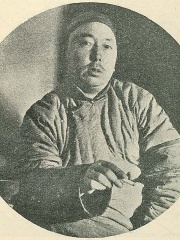
Demchugdongrub
1902 - 1966
HPI: 64.62
Plaats: 6,605

Phillipe de Plessis
1165 - 1209
HPI: 64.62
Plaats: 6,606

Charles the Child
847 - 866
HPI: 64.62
Plaats: 6,607
Fusako Shigenobu
1945 - heden
HPI: 64.62
Plaats: 6,608
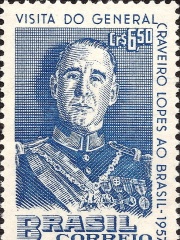
Francisco Craveiro Lopes
1894 - 1964
HPI: 64.61
Plaats: 6,609
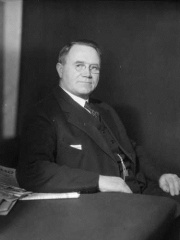
Johan Nygaardsvold
1879 - 1952
HPI: 64.61
Plaats: 6,610
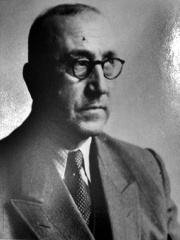
Kimon Georgiev
1882 - 1969
HPI: 64.61
Plaats: 6,611

Quintus Pedius
100 BC - 43 BC
HPI: 64.61
Plaats: 6,612
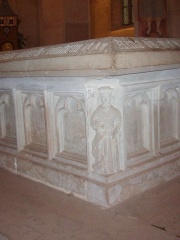
Frederick V, Duke of Swabia
1164 - 1170
HPI: 64.61
Plaats: 6,613
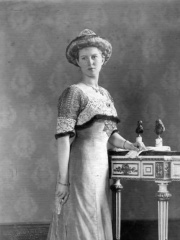
Princess Victoria Adelaide of Schleswig-Holstein
1885 - 1970
HPI: 64.61
Plaats: 6,614

Tijdgenoten
Onder de mensen geboren in 1945 staat Fusako Shigenobu op plaats 158. Vóór haar staan Wolfgang Schüssel, Ernie Hudson, Phil Jackson, Mustafa Balel, Peter Criss, en Lee Jong-wook. Na haar komen Yuen Woo-ping, Gal Costa, Dean Koontz, Christine Kaufmann, Radu Lupu, en Jessye Norman.
Anderen geboren in 1945
Naar alle ranglijsten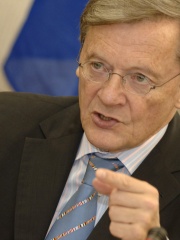
Wolfgang Schüssel
POLITICIAN
1945 - heden
HPI: 64.95
Plaats: 152
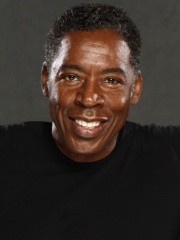
Ernie Hudson
ACTOR
1945 - heden
HPI: 64.89
Plaats: 153

Phil Jackson
COACH
1945 - heden
HPI: 64.85
Plaats: 154
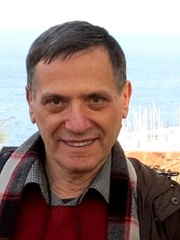
Mustafa Balel
WRITER
1945 - heden
HPI: 64.76
Plaats: 155
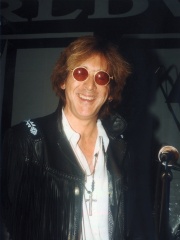
Peter Criss
MUSICIAN
1945 - heden
HPI: 64.71
Plaats: 156
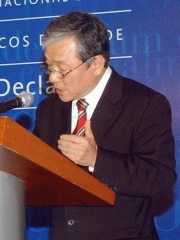
Lee Jong-wook
POLITICIAN
1945 - 2006
HPI: 64.68
Plaats: 157
Fusako Shigenobu
POLITICIAN
1945 - heden
HPI: 64.62
Plaats: 158
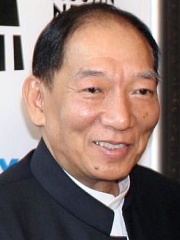
Yuen Woo-ping
FILM DIRECTOR
1945 - heden
HPI: 64.56
Plaats: 159
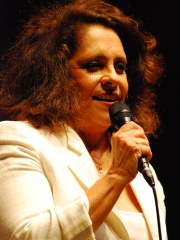
Gal Costa
SINGER
1945 - 2022
HPI: 64.49
Plaats: 160

Dean Koontz
WRITER
1945 - heden
HPI: 64.45
Plaats: 161
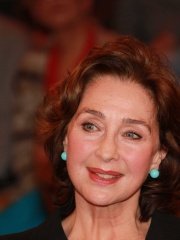
Christine Kaufmann
ACTOR
1945 - 2017
HPI: 64.43
Plaats: 162
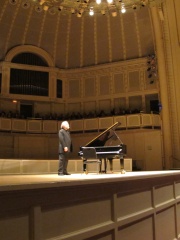
Radu Lupu
MUSICIAN
1945 - 2022
HPI: 64.39
Plaats: 163

Jessye Norman
SINGER
1945 - 2019
HPI: 64.31
Plaats: 164
In Japan
Onder de mensen geboren in Japan staat Fusako Shigenobu op plaats 540 van NaN. Vóór haar staan Shibata Katsuie (1522), Eiichiro Oda (1975), Kozo Arai (1950), Naoki Urasawa (1960), Hirohiko Araki (1960), en Masahito, Prince Hitachi (1935). Na haar komen Tokugawa Ieharu (1737), Michio Ashikaga (1950), Takao Nishiyama (1942), Iwasaki Yatarō (1835), Miki Matsubara (1959), en Hideo Shinojima (1910).
Anderen geboren in Japan
Naar alle ranglijsten
Shibata Katsuie
MILITARY PERSONNEL
1522 - 1583
HPI: 64.69
Plaats: 534

Eiichiro Oda
COMIC ARTIST
1975 - heden
HPI: 64.67
Plaats: 535

Kozo Arai
SOCCER PLAYER
1950 - 2020
HPI: 64.66
Plaats: 536
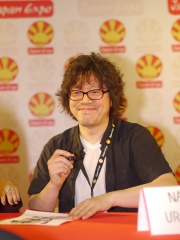
Naoki Urasawa
COMIC ARTIST
1960 - heden
HPI: 64.64
Plaats: 537
Hirohiko Araki
COMIC ARTIST
1960 - heden
HPI: 64.63
Plaats: 538
Masahito, Prince Hitachi
POLITICIAN
1935 - heden
HPI: 64.62
Plaats: 539
Fusako Shigenobu
POLITICIAN
1945 - heden
HPI: 64.62
Plaats: 540
Tokugawa Ieharu
POLITICIAN
1737 - 1786
HPI: 64.57
Plaats: 541

Michio Ashikaga
SOCCER PLAYER
1950 - heden
HPI: 64.56
Plaats: 542

Takao Nishiyama
SOCCER PLAYER
1942 - heden
HPI: 64.55
Plaats: 543
Iwasaki Yatarō
BUSINESSPERSON
1835 - 1885
HPI: 64.55
Plaats: 544

Miki Matsubara
COMPOSER
1959 - 2004
HPI: 64.53
Plaats: 545

Hideo Shinojima
SOCCER PLAYER
1910 - 1975
HPI: 64.51
Plaats: 546
Onder Politicus in Japan
Onder Politicus geboren in Japan staat Fusako Shigenobu op plaats 187. Vóór haar staan Hayato Ikeda (1899), Emperor Kazan (967), Emperor Go-Murakami (1328), Ashikaga Yoshimasa (1435), Tokugawa Ienari (1773), en Masahito, Prince Hitachi (1935). Na haar komen Tokugawa Ieharu (1737), Ōyama Iwao (1842), Empress Masako (1963), Takahito, Prince Mikasa (1915), Emperor Ichijō (980), en Tokugawa Ieshige (1712).
Hayato Ikeda
1899 - 1965
HPI: 64.79
Plaats: 181
Emperor Kazan
967 - 1008
HPI: 64.78
Plaats: 182
Emperor Go-Murakami
1328 - 1368
HPI: 64.76
Plaats: 183
Ashikaga Yoshimasa
1435 - 1490
HPI: 64.74
Plaats: 184
Tokugawa Ienari
1773 - 1841
HPI: 64.70
Plaats: 185
Masahito, Prince Hitachi
1935 - heden
HPI: 64.62
Plaats: 186
Fusako Shigenobu
1945 - heden
HPI: 64.62
Plaats: 187
Tokugawa Ieharu
1737 - 1786
HPI: 64.57
Plaats: 188
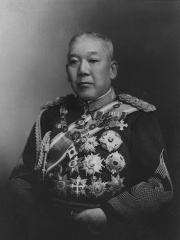
Ōyama Iwao
1842 - 1916
HPI: 64.49
Plaats: 189
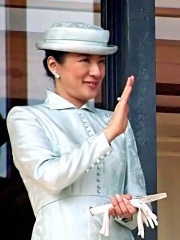
Empress Masako
1963 - heden
HPI: 64.46
Plaats: 190
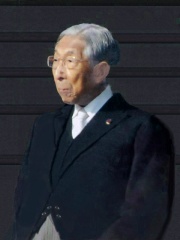
Takahito, Prince Mikasa
1915 - 2016
HPI: 64.45
Plaats: 191
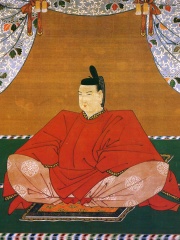
Emperor Ichijō
980 - 1011
HPI: 64.44
Plaats: 192
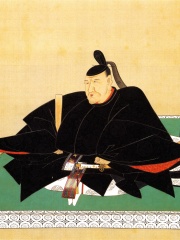
Tokugawa Ieshige
1712 - 1761
HPI: 64.43
Plaats: 193




