Politicus
Orodes I of Parthia
190 BC - 90 BC
NL.WIKIPEDIA-PAGINAWEERGAVEN (PV)
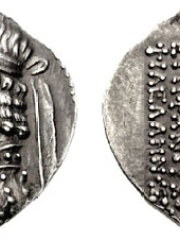
 Orodes I of Parthia
Zijn biografie is beschikbaar in 34 verschillende talen op Wikipedia (toegenomen van 33 in 2024). Orodes I of Parthia staat op plaats 9.511 onder de meest populaire politicus (gedaald van plaats 9.088 in 2024), plaats 246 onder de meest populaire biografieën uit Iran (gedaald van plaats 243 in 2019) en op plaats 131 onder de populairste politicus uit Iran.
Bekendheidsstatistieken
19k
Paginaweergaven
Afgelopen 12 maanden
61.78
HPI
Historische populariteitsindex
Paginaweergaven van Orodes I of Parthia per taal
Onder Politicus
Onder Politicus staat Orodes I of Parthia op plaats 9,506 van 19,576. Vóór hem staan Malietoa Tanumafili II, Hiranuma Kiichirō, Catherine Henriette de Balzac d'Entragues, Bongsang of Goguryeo, Mirek Topolánek, en Shalmaneser II. Na hem komen Bob Casey Jr., Fa of Xia, Infante Sebastian of Portugal and Spain, Rani Durgavati, Caesar Augustus Rodney, en Ashikaga Yoshinori.
Populairste Politicus op Wikipedia
Naar alle ranglijsten

Malietoa Tanumafili II
1913 - 2007
HPI: 61.78
Plaats: 9,505
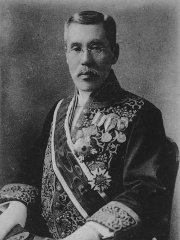
Hiranuma Kiichirō
1867 - 1952
HPI: 61.78
Plaats: 9,506
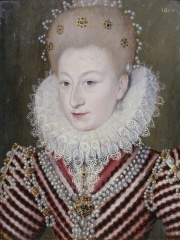
Catherine Henriette de Balzac d'Entragues
1579 - 1633
HPI: 61.78
Plaats: 9,507
Bongsang of Goguryeo
300 - 300
HPI: 61.78
Plaats: 9,508

Mirek Topolánek
1956 - heden
HPI: 61.78
Plaats: 9,509
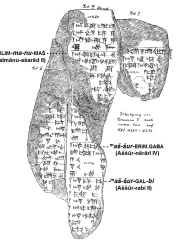
Shalmaneser II
1090 BC - 1019 BC
HPI: 61.78
Plaats: 9,510
Orodes I of Parthia
190 BC - 90 BC
HPI: 61.78
Plaats: 9,511
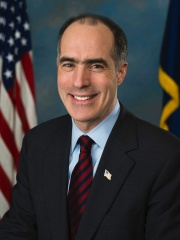
Bob Casey Jr.
1960 - heden
HPI: 61.78
Plaats: 9,512

Fa of Xia
HPI: 61.77
Plaats: 9,513
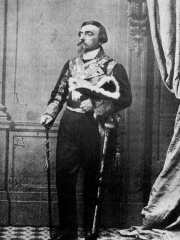
Infante Sebastian of Portugal and Spain
1811 - 1875
HPI: 61.77
Plaats: 9,514
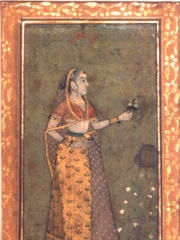
Rani Durgavati
1524 - 1564
HPI: 61.77
Plaats: 9,515
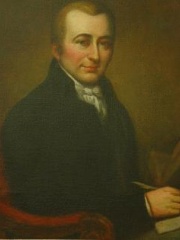
Caesar Augustus Rodney
1772 - 1824
HPI: 61.77
Plaats: 9,516
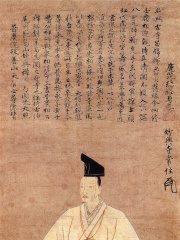
Ashikaga Yoshinori
1394 - 1441
HPI: 61.77
Plaats: 9,517

Tijdgenoten
Onder de mensen geboren in 190 BC staat Orodes I of Parthia op plaats 9. Vóór hem staan Lucius Mummius Achaicus, Seleucus of Seleucia, Menander I, Alexander II Zabinas, Servius Sulpicius Galba, en Phraates I. Na hem komt Hypsicles. Onder de mensen overleden in 90 BC staat Orodes I of Parthia op plaats 2. Vóór hem staat Gotarzes I. Na hem komen Lucius Afranius, en Publius Rutilius Lupus.
Anderen geboren in 190 BC
Naar alle ranglijsten
Lucius Mummius Achaicus
POLITICIAN
190 BC - 200 BC
HPI: 65.03
Plaats: 3

Seleucus of Seleucia
ASTRONOMER
190 BC - 150 BC
HPI: 64.67
Plaats: 4
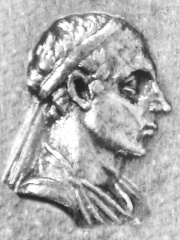
Menander I
POLITICIAN
190 BC - 130 BC
HPI: 64.62
Plaats: 5
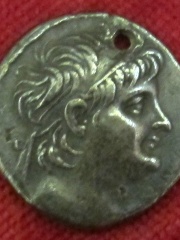
Alexander II Zabinas
POLITICIAN
190 BC - 123 BC
HPI: 64.38
Plaats: 6

Servius Sulpicius Galba
POLITICIAN
190 BC - 130 BC
HPI: 62.46
Plaats: 7
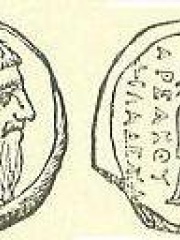
Phraates I
POLITICIAN
190 BC - 171 BC
HPI: 61.86
Plaats: 8
Orodes I of Parthia
POLITICIAN
190 BC - 90 BC
HPI: 61.78
Plaats: 9

Hypsicles
MATHEMATICIAN
190 BC - 120 BC
HPI: 60.26
Plaats: 10
Anderen overleden in 90 BC
Naar alle ranglijsten
Gotarzes I
POLITICIAN
200 BC - 90 BC
HPI: 63.24
Plaats: 1
Orodes I of Parthia
POLITICIAN
190 BC - 90 BC
HPI: 61.78
Plaats: 2

Lucius Afranius
WRITER
150 BC - 90 BC
HPI: 61.47
Plaats: 3

Publius Rutilius Lupus
POLITICIAN
200 BC - 90 BC
HPI: 58.02
Plaats: 4
In Iran
Onder de mensen geboren in Iran staat Orodes I of Parthia op plaats 246 van NaN. Vóór hem staan Muhammad Husayn Tabatabai (1892), Phraates I (-190), Shams Pahlavi (1917), Al-Sarakhsi (1009), Ibn Khuzayma (838), en Maryam Mirzakhani (1977). Na hem komen Marjane Satrapi (1969), Al-Mahani (820), Mohammad Beheshti (1928), Daqiqi (1000), Kamāl al-Dīn al-Fārisī (1265), en Lotf Ali Khan (1769).
Anderen geboren in Iran
Naar alle ranglijsten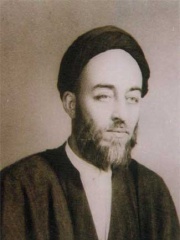
Muhammad Husayn Tabatabai
PHILOSOPHER
1892 - 1981
HPI: 61.88
Plaats: 240
Phraates I
POLITICIAN
190 BC - 171 BC
HPI: 61.86
Plaats: 241
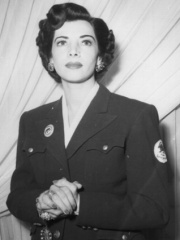
Shams Pahlavi
POLITICIAN
1917 - 1996
HPI: 61.85
Plaats: 242

Al-Sarakhsi
LAWYER
1009 - 1090
HPI: 61.84
Plaats: 243
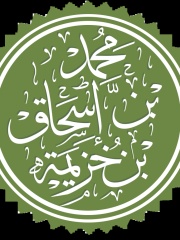
Ibn Khuzayma
RELIGIOUS FIGURE
838 - 924
HPI: 61.83
Plaats: 244

Maryam Mirzakhani
MATHEMATICIAN
1977 - 2017
HPI: 61.82
Plaats: 245
Orodes I of Parthia
POLITICIAN
190 BC - 90 BC
HPI: 61.78
Plaats: 246
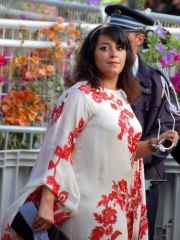
Marjane Satrapi
COMIC ARTIST
1969 - 2026
HPI: 61.73
Plaats: 247

Al-Mahani
MATHEMATICIAN
820 - 880
HPI: 61.71
Plaats: 248
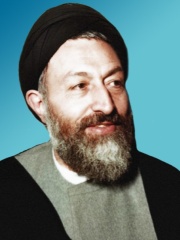
Mohammad Beheshti
POLITICIAN
1928 - 1981
HPI: 61.65
Plaats: 249

Daqiqi
WRITER
1000 - 977
HPI: 61.64
Plaats: 250

Kamāl al-Dīn al-Fārisī
MATHEMATICIAN
1265 - 1318
HPI: 61.61
Plaats: 251
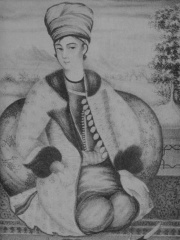
Lotf Ali Khan
POLITICIAN
1769 - 1794
HPI: 61.50
Plaats: 252
Onder Politicus in Iran
Onder Politicus geboren in Iran staat Orodes I of Parthia op plaats 131. Vóór hem staan Amir Kabir (1807), Amir-Abbas Hoveyda (1919), Ardeshir Zahedi (1928), Shapur IV (null), Phraates I (-190), en Shams Pahlavi (1917). Na hem komen Mohammad Beheshti (1928), Lotf Ali Khan (1769), Farahnaz Pahlavi (1963), Mohammad-Javad Bahonar (1933), Abdallah ibn Tahir al-Khurasani (798), en Farrokhroo Parsa (1922).
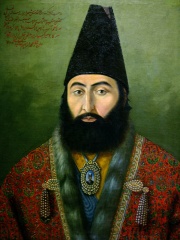
Amir Kabir
1807 - 1852
HPI: 62.51
Plaats: 125
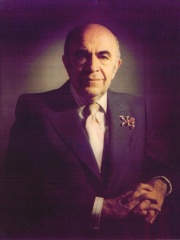
Amir-Abbas Hoveyda
1919 - 1979
HPI: 62.45
Plaats: 126
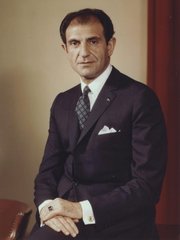
Ardeshir Zahedi
1928 - 2021
HPI: 62.14
Plaats: 127
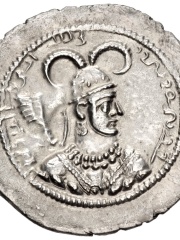
Shapur IV
HPI: 61.98
Plaats: 128
Phraates I
190 BC - 171 BC
HPI: 61.86
Plaats: 129
Shams Pahlavi
1917 - 1996
HPI: 61.85
Plaats: 130
Orodes I of Parthia
190 BC - 90 BC
HPI: 61.78
Plaats: 131
Mohammad Beheshti
1928 - 1981
HPI: 61.65
Plaats: 132
Lotf Ali Khan
1769 - 1794
HPI: 61.50
Plaats: 133
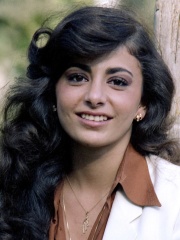
Farahnaz Pahlavi
1963 - heden
HPI: 61.20
Plaats: 134
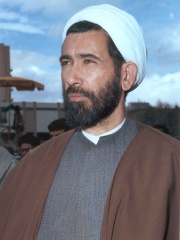
Mohammad-Javad Bahonar
1933 - 1981
HPI: 61.15
Plaats: 135

Abdallah ibn Tahir al-Khurasani
798 - 844
HPI: 60.92
Plaats: 136
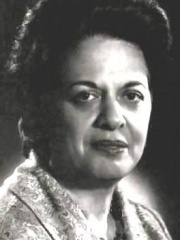
Farrokhroo Parsa
1922 - 1980
HPI: 60.84
Plaats: 137




