物理学者
マックス・プランク
1858 - 1947
JA.WIKIPEDIA ページビュー (PV)
 マックス・プランク
知名度指標
760k
ページビュー
過去12か月
85.41
HPI
歴史的人気指数
データインサイト
#10
マックス・プランクは世界851人の物理学者の中で第10位、職業全体の上位2%に入ります。
147
マックス・プランクの伝記はウィキペディアの147言語版に掲載されており、物理学者全体の99%を上回っています。
4月23日
マックス・プランクはWilliam Shakespeare、J. M. W. Turner、Abdulmejid Iと同じ4月23日生まれです。
マックス・プランクの言語別ページビュー
物理学者の中で
物理学者の中で、マックス・プランクは851人中10位です。 彼より上位:J. Robert Oppenheimer, Stephen Hawking, Wilhelm Röntgen, Michael Faraday, Niels Bohr, 、Hans Christian Ørsted. 彼より下位:Alessandro Volta, Albert A. Michelson, Pierre Curie, André-Marie Ampère, Evangelista Torricelli, 、Erwin Schrödinger.
ウィキペディアで最も人気のある物理学者
すべてのランキングを見る
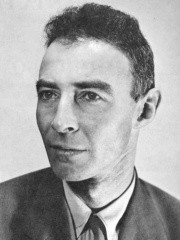
J. Robert Oppenheimer
1904 - 1967
HPI: 90.85
順位: 4
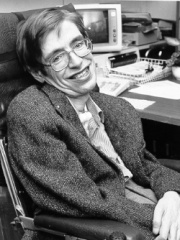
Stephen Hawking
1942 - 2018
HPI: 88.36
順位: 5
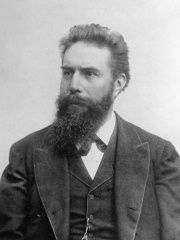
Wilhelm Röntgen
1845 - 1923
HPI: 87.15
順位: 6
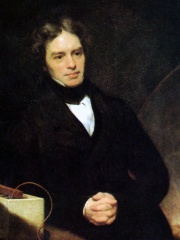
Michael Faraday
1791 - 1867
HPI: 86.08
順位: 7
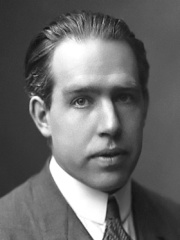
Niels Bohr
1885 - 1962
HPI: 85.49
順位: 8
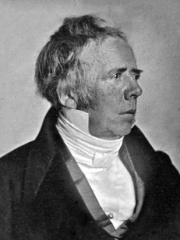
Hans Christian Ørsted
1777 - 1851
HPI: 85.42
順位: 9

Max Planck
1858 - 1947
HPI: 85.41
順位: 10
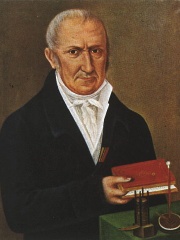
Alessandro Volta
1745 - 1827
HPI: 85.34
順位: 11
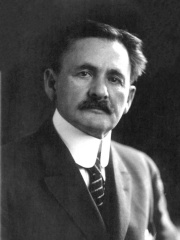
Albert A. Michelson
1852 - 1931
HPI: 84.49
順位: 12
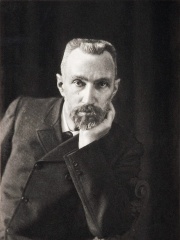
Pierre Curie
1859 - 1906
HPI: 84.35
順位: 13
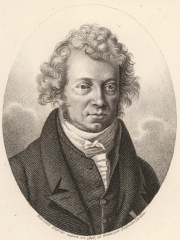
André-Marie Ampère
1775 - 1836
HPI: 84.30
順位: 14
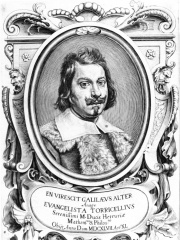
Evangelista Torricelli
1608 - 1647
HPI: 84.27
順位: 15
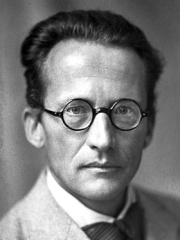
Erwin Schrödinger
1887 - 1961
HPI: 84.23
順位: 16

同時代の人物
1858年生まれの人の中で、マックス・プランクは2位です。 彼より上位:Giacomo Puccini. 彼より下位:Émile Durkheim, Selma Lagerlöf, Rudolf, Crown Prince of Austria, Theodore Roosevelt, Rudolf Diesel, Gustaf V of Sweden, Georg Simmel, Christiaan Eijkman, Jagadish Chandra Bose, 、Omar Mukhtar. 1947年に亡くなった人の中で、マックス・プランクは1位です。 彼より下位:Aleister Crowley, Henry Ford, Al Capone, Christian X of Denmark, Rudolf Höss, Victor Emmanuel III of Italy, Philipp Lenard, Prince Gustaf Adolf, Duke of Västerbotten, George II of Greece, Kurt Lewin, 、Jozef Tiso.
1858年生まれのその他の人物
すべてのランキングを見る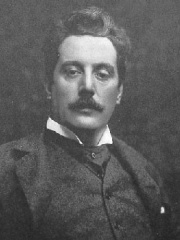
Giacomo Puccini
COMPOSER
1858 - 1924
HPI: 85.72
順位: 1
Max Planck
PHYSICIST
1858 - 1947
HPI: 85.41
順位: 2
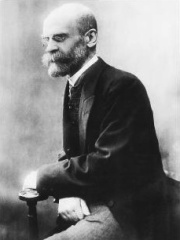
Émile Durkheim
SOCIOLOGIST
1858 - 1917
HPI: 85.14
順位: 3
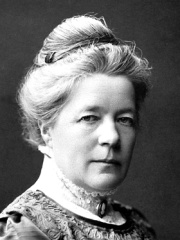
Selma Lagerlöf
WRITER
1858 - 1940
HPI: 83.47
順位: 4
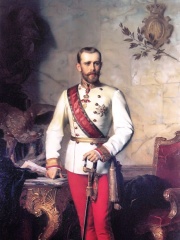
Rudolf, Crown Prince of Austria
NOBLEMAN
1858 - 1889
HPI: 82.72
順位: 5

Theodore Roosevelt
POLITICIAN
1858 - 1919
HPI: 80.67
順位: 6
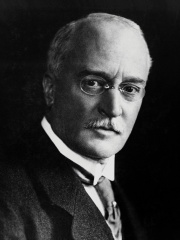
Rudolf Diesel
INVENTOR
1858 - 1913
HPI: 79.13
順位: 7
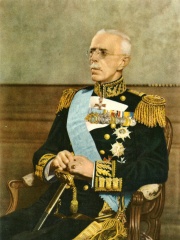
Gustaf V of Sweden
POLITICIAN
1858 - 1950
HPI: 78.86
順位: 8
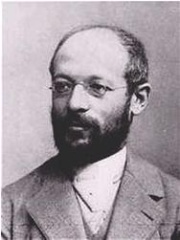
Georg Simmel
SOCIOLOGIST
1858 - 1918
HPI: 76.47
順位: 9
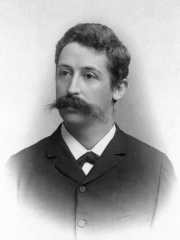
Christiaan Eijkman
PHYSICIAN
1858 - 1930
HPI: 76.20
順位: 10
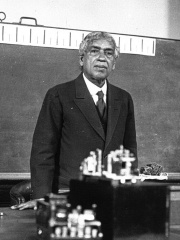
Jagadish Chandra Bose
PHYSICIST
1858 - 1937
HPI: 75.36
順位: 11
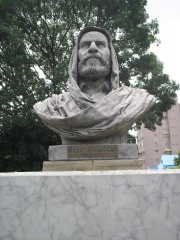
Omar Mukhtar
SOCIAL ACTIVIST
1858 - 1931
HPI: 74.73
順位: 12
1947年に亡くなったその他の人物
すべてのランキングを見るMax Planck
PHYSICIST
1858 - 1947
HPI: 85.41
順位: 1

Aleister Crowley
OCCULTIST
1875 - 1947
HPI: 83.14
順位: 2

Henry Ford
INVENTOR
1863 - 1947
HPI: 82.33
順位: 3
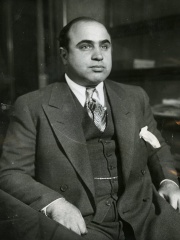
Al Capone
MAFIOSO
1899 - 1947
HPI: 81.56
順位: 4
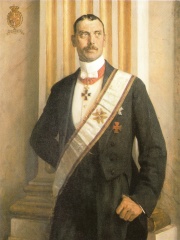
Christian X of Denmark
POLITICIAN
1870 - 1947
HPI: 81.17
順位: 5
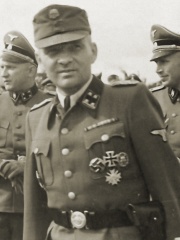
Rudolf Höss
POLITICIAN
1901 - 1947
HPI: 80.26
順位: 6
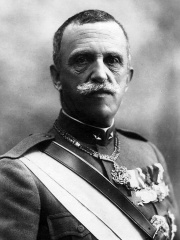
Victor Emmanuel III of Italy
POLITICIAN
1869 - 1947
HPI: 80.05
順位: 7
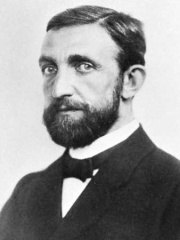
Philipp Lenard
PHYSICIST
1862 - 1947
HPI: 77.85
順位: 8
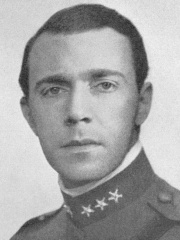
Prince Gustaf Adolf, Duke of Västerbotten
NOBLEMAN
1906 - 1947
HPI: 76.63
順位: 9

George II of Greece
POLITICIAN
1890 - 1947
HPI: 75.76
順位: 10

Kurt Lewin
PSYCHOLOGIST
1890 - 1947
HPI: 75.66
順位: 11
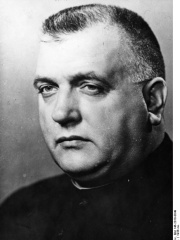
Jozef Tiso
POLITICIAN
1887 - 1947
HPI: 75.55
順位: 12
ドイツの中で
ドイツ生まれの人の中で、マックス・プランクは7,253人中31位です。 彼より上位:Max Weber (1864), Wilhelm Röntgen (1845), Frederick the Great (1712), Johannes Brahms (1833), Friedrich Engels (1820), 、Angela Merkel (1954). 彼より下位:Bernhard Riemann (1826), Anne Frank (1929), Sigismund, Holy Roman Emperor (1368), Hermann Hesse (1877), Otto I, Holy Roman Emperor (912), 、Martin Heidegger (1889).
ドイツ生まれのその他の人物
すべてのランキングを見る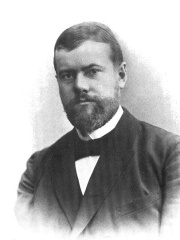
Max Weber
SOCIOLOGIST
1864 - 1920
HPI: 87.20
順位: 25
Wilhelm Röntgen
PHYSICIST
1845 - 1923
HPI: 87.15
順位: 26
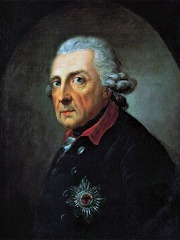
Frederick the Great
POLITICIAN
1712 - 1786
HPI: 85.80
順位: 27
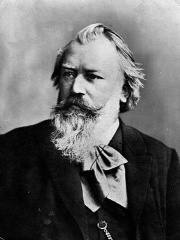
Johannes Brahms
COMPOSER
1833 - 1897
HPI: 85.79
順位: 28
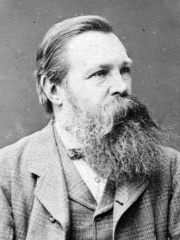
Friedrich Engels
PHILOSOPHER
1820 - 1895
HPI: 85.72
順位: 29
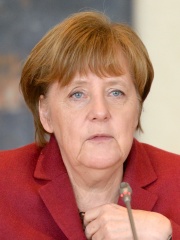
Angela Merkel
POLITICIAN
1954 - 現在
HPI: 85.63
順位: 30
Max Planck
PHYSICIST
1858 - 1947
HPI: 85.41
順位: 31
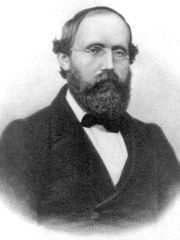
Bernhard Riemann
MATHEMATICIAN
1826 - 1866
HPI: 85.32
順位: 32

Anne Frank
WRITER
1929 - 1945
HPI: 85.31
順位: 33
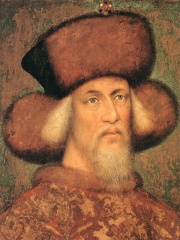
Sigismund, Holy Roman Emperor
POLITICIAN
1368 - 1437
HPI: 85.25
順位: 34
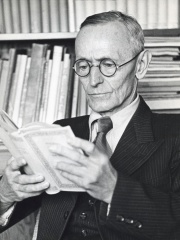
Hermann Hesse
WRITER
1877 - 1962
HPI: 85.13
順位: 35
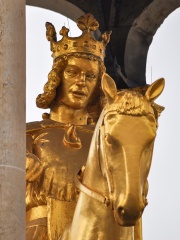
Otto I, Holy Roman Emperor
POLITICIAN
912 - 973
HPI: 84.97
順位: 36
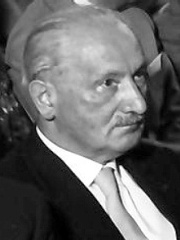
Martin Heidegger
PHILOSOPHER
1889 - 1976
HPI: 84.92
順位: 37
ドイツの物理学者の中で
ドイツ生まれの物理学者の中で、マックス・プランクは3位です。 彼より上位:Albert Einstein (1879), 、Wilhelm Röntgen (1845). 彼より下位:Werner Heisenberg (1901), Georg Ohm (1789), Heinrich Hertz (1857), Max Born (1882), Max von Laue (1879), Hermann von Helmholtz (1821), Johannes Stark (1874), Gustav Ludwig Hertz (1887), 、Georg Bednorz (1950).
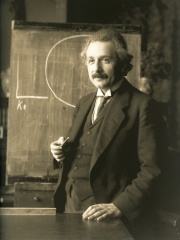
Albert Einstein
1879 - 1955
HPI: 94.83
順位: 1
Wilhelm Röntgen
1845 - 1923
HPI: 87.15
順位: 2
Max Planck
1858 - 1947
HPI: 85.41
順位: 3
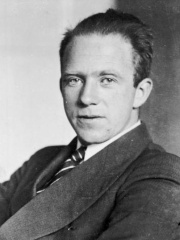
Werner Heisenberg
1901 - 1976
HPI: 83.50
順位: 4
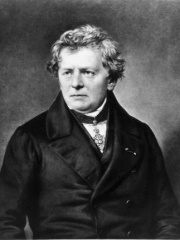
Georg Ohm
1789 - 1854
HPI: 83.08
順位: 5
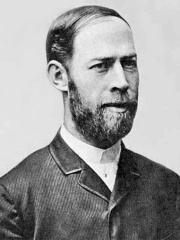
Heinrich Hertz
1857 - 1894
HPI: 82.34
順位: 6
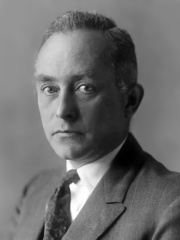
Max Born
1882 - 1970
HPI: 78.04
順位: 7
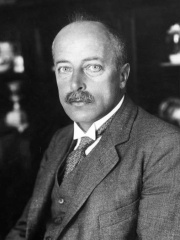
Max von Laue
1879 - 1960
HPI: 77.54
順位: 8
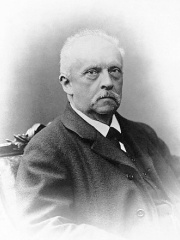
Hermann von Helmholtz
1821 - 1894
HPI: 77.32
順位: 9
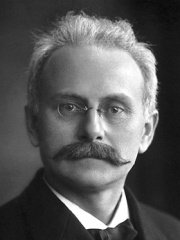
Johannes Stark
1874 - 1957
HPI: 76.77
順位: 10
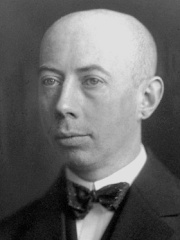
Gustav Ludwig Hertz
1887 - 1975
HPI: 76.77
順位: 11

Georg Bednorz
1950 - 現在
HPI: 76.58
順位: 12




