Figura religiosa
Ludger
742 - 809
VISUALIZZAZIONI SU IT.WIKIPEDIA (PV)
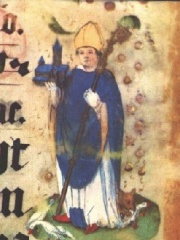
 Ludger
La sua biografia è disponibile in 20 lingue su Wikipedia (in aumento rispetto a 18 nel 2024). Ludger è il 1394° figura religiosa più popolare (in calo dal 1349° nel 2024), la 294ª biografia più popolare della Paesi Bassi (in aumento dal 312ª nel 2019) e il 9° figura religiosa più popolare della Paesi Bassi.
Metriche di memorabilità
27k
Visualizzazioni
Ultimi 12 mesi
63.98
HPI
Indice di popolarità storica
Visualizzazioni della pagina di Ludger per lingua
Tra Figura religiosa
Tra Figura religiosa, Ludger occupa la posizione 1,394 su 3,187. Prima di lui ci sono Henri Estienne, Claudio Acquaviva, Joseph Franklin Rutherford, Suhayb ar-Rumi, Ahmad al-Rifaʽi, e Tode Mongke. Dopo di lui ci sono Maruthas of Martyropolis, George Sphrantzes, Philotheus I of Constantinople, Umayya ibn Khalaf, Joachim Meisner, e Jozef Tomko.
Figura religiosa più popolari su Wikipedia
Vai a tutte le classifiche
Henri Estienne
1528 - 1598
HPI: 64.01
Posizione: 1,388
Claudio Acquaviva
1543 - 1615
HPI: 64.00
Posizione: 1,389

Joseph Franklin Rutherford
1869 - 1942
HPI: 64.00
Posizione: 1,390
Suhayb ar-Rumi
587 - 659
HPI: 64.00
Posizione: 1,391
Ahmad al-Rifaʽi
1118 - 1182
HPI: 63.99
Posizione: 1,392
Tode Mongke
1282 - 1287
HPI: 63.99
Posizione: 1,393
Ludger
742 - 809
HPI: 63.98
Posizione: 1,394
Maruthas of Martyropolis
400 - 422
HPI: 63.98
Posizione: 1,395

George Sphrantzes
1401 - 1477
HPI: 63.98
Posizione: 1,396

Philotheus I of Constantinople
1300 - 1379
HPI: 63.97
Posizione: 1,397

Umayya ibn Khalaf
HPI: 63.96
Posizione: 1,398
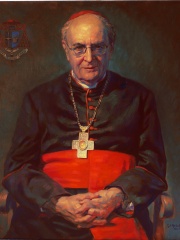
Joachim Meisner
1933 - 2017
HPI: 63.96
Posizione: 1,399
Jozef Tomko
1924 - 2022
HPI: 63.96
Posizione: 1,400

Contemporanei
Tra le persone nate nel 742, Ludger occupa la posizione 4. Prima di lui ci sono Emperor Dezong of Tang, Tassilo III, Duke of Bavaria, e Trisong Detsen. Tra le persone decedute nel 809, Ludger occupa la posizione 2. Prima di lui c'è Harun al-Rashid. Dopo di lui ci sono Aureolus of Aragon, e Ōtomo no Otomaro.
Altre persone nate nel 742
Vai a tutte le classifiche
Emperor Dezong of Tang
POLITICIAN
742 - 805
HPI: 67.71
Posizione: 1
Tassilo III, Duke of Bavaria
POLITICIAN
742 - 794
HPI: 67.24
Posizione: 2

Trisong Detsen
POLITICIAN
742 - 798
HPI: 67.04
Posizione: 3
Ludger
RELIGIOUS FIGURE
742 - 809
HPI: 63.98
Posizione: 4
Altre persone decedute nel 809
Vai a tutte le classifiche
Harun al-Rashid
POLITICIAN
766 - 809
HPI: 82.20
Posizione: 1
Ludger
RELIGIOUS FIGURE
742 - 809
HPI: 63.98
Posizione: 2

Aureolus of Aragon
POLITICIAN
710 - 809
HPI: 61.76
Posizione: 3

Ōtomo no Otomaro
MILITARY PERSONNEL
731 - 809
HPI: 60.82
Posizione: 4
In Paesi Bassi
Tra le persone nate in Paesi Bassi, Ludger occupa la posizione 294 su NaN. Prima di lui ci sono Erwin Koeman (1961), Jacob van Campen (1596), Alexander, Prince of Orange (1851), Floris I, Count of Holland (1025), Willem de Sitter (1872), e Countess Louise Henriette of Nassau (1627). Dopo di lui ci sono Prince Friso of Orange-Nassau (1968), Pieter van der Aa (1659), Zacharias Janssen (1585), Regnier de Graaf (1641), Philip de Koninck (1619), e Jan Timman (1951).
Altre persone nate in Paesi Bassi
Vai a tutte le classifiche
Erwin Koeman
SOCCER PLAYER
1961 - presente
HPI: 64.16
Posizione: 288
Jacob van Campen
ARCHITECT
1596 - 1657
HPI: 64.14
Posizione: 289
Alexander, Prince of Orange
POLITICIAN
1851 - 1884
HPI: 64.13
Posizione: 290
Floris I, Count of Holland
POLITICIAN
1025 - 1061
HPI: 64.04
Posizione: 291
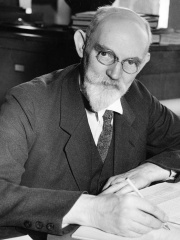
Willem de Sitter
MATHEMATICIAN
1872 - 1934
HPI: 64.04
Posizione: 292
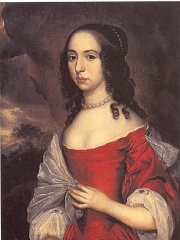
Countess Louise Henriette of Nassau
POLITICIAN
1627 - 1667
HPI: 63.99
Posizione: 293
Ludger
RELIGIOUS FIGURE
742 - 809
HPI: 63.98
Posizione: 294
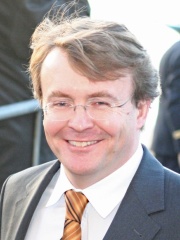
Prince Friso of Orange-Nassau
NOBLEMAN
1968 - 2013
HPI: 63.97
Posizione: 295
Pieter van der Aa
POLITICIAN
1659 - 1733
HPI: 63.90
Posizione: 296
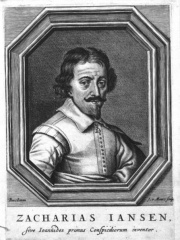
Zacharias Janssen
INVENTOR
1585 - 1635
HPI: 63.89
Posizione: 297
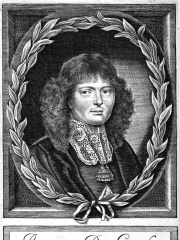
Regnier de Graaf
PHYSICIAN
1641 - 1673
HPI: 63.89
Posizione: 298

Philip de Koninck
PAINTER
1619 - 1688
HPI: 63.85
Posizione: 299
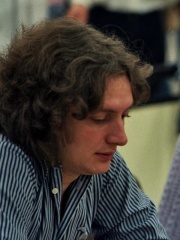
Jan Timman
CHESS PLAYER
1951 - 2026
HPI: 63.83
Posizione: 300
Tra Figura religiosa in Paesi Bassi
Tra Figura religiosa nati in Paesi Bassi, Ludger occupa la posizione 9. Prima di lui ci sono Norbert of Xanten (1080), John of Leiden (1509), Lambert of Maastricht (635), Lidwina (1380), Geert Groote (1340), e Wim Hof (1959). Dopo di lui ci sono Johannes Willebrands (1909), Christiaan Snouck Hurgronje (1857), Adrianus Johannes Simonis (1931), Peter Hans Kolvenbach (1928), Bernardus Johannes Alfrink (1900), e Balthasar Bekker (1634).
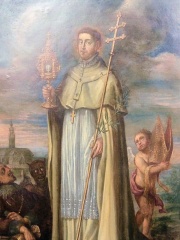
Norbert of Xanten
1080 - 1134
HPI: 69.81
Posizione: 3
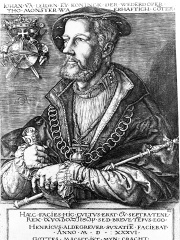
John of Leiden
1509 - 1536
HPI: 66.72
Posizione: 4
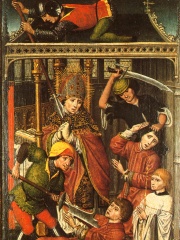
Lambert of Maastricht
635 - 705
HPI: 66.66
Posizione: 5
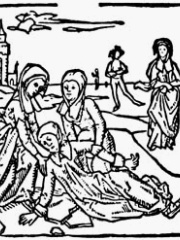
Lidwina
1380 - 1433
HPI: 66.60
Posizione: 6
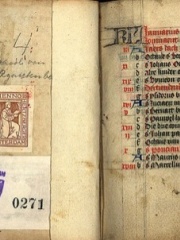
Geert Groote
1340 - 1384
HPI: 64.79
Posizione: 7

Wim Hof
1959 - presente
HPI: 64.23
Posizione: 8
Ludger
742 - 809
HPI: 63.98
Posizione: 9
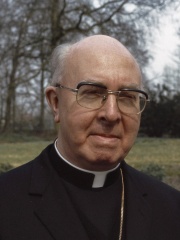
Johannes Willebrands
1909 - 2006
HPI: 63.17
Posizione: 10
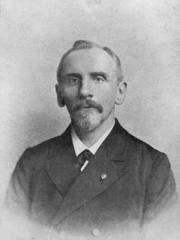
Christiaan Snouck Hurgronje
1857 - 1936
HPI: 62.35
Posizione: 11
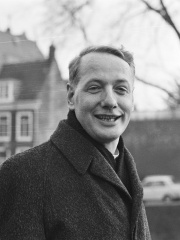
Adrianus Johannes Simonis
1931 - 2020
HPI: 62.09
Posizione: 12
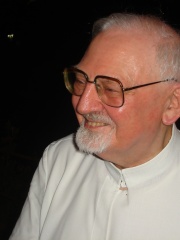
Peter Hans Kolvenbach
1928 - 2016
HPI: 61.68
Posizione: 13
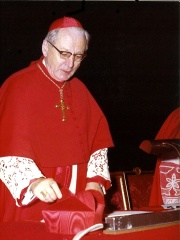
Bernardus Johannes Alfrink
1900 - 1987
HPI: 60.10
Posizione: 14
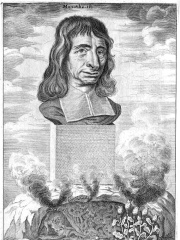
Balthasar Bekker
1634 - 1698
HPI: 59.62
Posizione: 15




