Figura religiosa
Hugh of Châteauneuf
1053 - 1132
VISUALIZZAZIONI SU IT.WIKIPEDIA (PV)

 Hugh of Châteauneuf
La sua biografia è disponibile in 17 lingue su Wikipedia (in aumento rispetto a 16 nel 2024). Hugh of Châteauneuf è il 1215° figura religiosa più popolare (in aumento dal 1520° nel 2024), la 1753ª biografia più popolare della Francia (in aumento dal 2509ª nel 2019) e il 91° figura religiosa più popolare della Francia.
Metriche di memorabilità
21k
Visualizzazioni
Ultimi 12 mesi
65.15
HPI
Indice di popolarità storica
Dati in evidenza
#18,811
A oltre 8 secoli dalla morte, Hugh of Châteauneuf occupa ancora la posizione n. 18,811 tra tutte le personalità di Pantheon.
Visualizzazioni della pagina di Hugh of Châteauneuf per lingua
Tra Figura religiosa
Tra Figura religiosa, Hugh of Châteauneuf occupa la posizione 1,215 su 3,187. Prima di lui ci sono Epaphroditus, Jean-Marie Lustiger, William of Gellone, Maximilian of Tebessa, Alexandre do Nascimento, e Ælfheah of Canterbury. Dopo di lui ci sono Franciszek Macharski, Amun-her-khepeshef, Josyf Slipyj, Felicitas of Rome, Dazu Huike, e Praxedes.
Figura religiosa più popolari su Wikipedia
Vai a tutte le classifiche
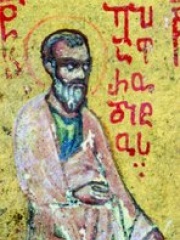
Epaphroditus
100 - 69
HPI: 65.18
Posizione: 1,209
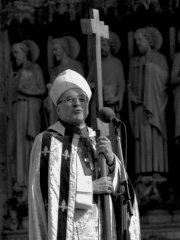
Jean-Marie Lustiger
1926 - 2007
HPI: 65.18
Posizione: 1,210
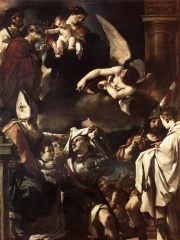
William of Gellone
750 - 812
HPI: 65.17
Posizione: 1,211

Maximilian of Tebessa
274 - 295
HPI: 65.17
Posizione: 1,212
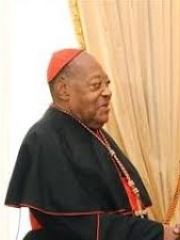
Alexandre do Nascimento
1925 - 2024
HPI: 65.16
Posizione: 1,213
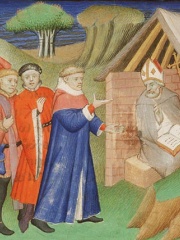
Ælfheah of Canterbury
954 - 1012
HPI: 65.16
Posizione: 1,214
Hugh of Châteauneuf
1053 - 1132
HPI: 65.15
Posizione: 1,215
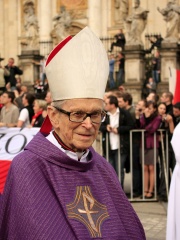
Franciszek Macharski
1927 - 2016
HPI: 65.15
Posizione: 1,216
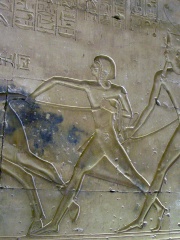
Amun-her-khepeshef
1300 BC - 1300 BC
HPI: 65.14
Posizione: 1,217
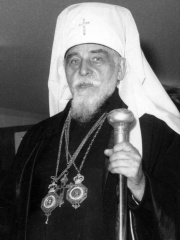
Josyf Slipyj
1892 - 1984
HPI: 65.14
Posizione: 1,218
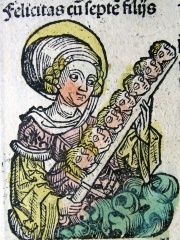
Felicitas of Rome
101 - 165
HPI: 65.13
Posizione: 1,219
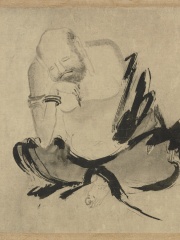
Dazu Huike
487 - 593
HPI: 65.13
Posizione: 1,220
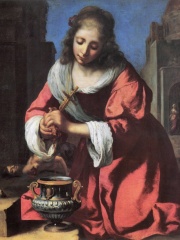
Praxedes
100 - presente
HPI: 65.10
Posizione: 1,221

Contemporanei
Tra le persone nate nel 1053, Hugh of Châteauneuf occupa la posizione 4. Prima di lui ci sono Vladimir II Monomakh, Solomon, King of Hungary, e Maria of Alania. Dopo di lui ci sono Ramon Berenguer II, Count of Barcelona, Emperor Shirakawa, Dirk V, Count of Holland, e Gytha of Wessex. Tra le persone decedute nel 1132, Hugh of Châteauneuf occupa la posizione 2. Prima di lui c'è Mstislav I of Kiev.
Altre persone nate nel 1053
Vai a tutte le classifiche
Vladimir II Monomakh
POLITICIAN
1053 - 1125
HPI: 74.03
Posizione: 1

Solomon, King of Hungary
POLITICIAN
1053 - 1087
HPI: 70.89
Posizione: 2
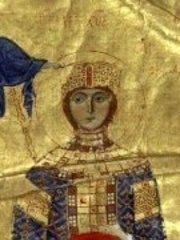
Maria of Alania
POLITICIAN
1053 - 1118
HPI: 68.63
Posizione: 3
Hugh of Châteauneuf
RELIGIOUS FIGURE
1053 - 1132
HPI: 65.15
Posizione: 4

Ramon Berenguer II, Count of Barcelona
POLITICIAN
1053 - 1082
HPI: 64.96
Posizione: 5

Emperor Shirakawa
POLITICIAN
1053 - 1129
HPI: 64.34
Posizione: 6

Dirk V, Count of Holland
POLITICIAN
1053 - 1091
HPI: 62.89
Posizione: 7
Gytha of Wessex
POLITICIAN
1053 - 1098
HPI: 62.65
Posizione: 8
Altre persone decedute nel 1132
Vai a tutte le classifiche
Mstislav I of Kiev
POLITICIAN
1076 - 1132
HPI: 67.49
Posizione: 1
Hugh of Châteauneuf
RELIGIOUS FIGURE
1053 - 1132
HPI: 65.15
Posizione: 2
In Francia
Tra le persone nate in Francia, Hugh of Châteauneuf occupa la posizione 1,753 su 6,770. Prima di lui ci sono François-Henri Pinault (1962), Jean-Marie Lustiger (1926), Louis Claude de Saint-Martin (1743), William of Gellone (750), Anselme Payen (1795), e Xavier de Maistre (1763). Dopo di lui ci sono Lambert Wilson (1958), Jacques Dutronc (1943), Henri, Count of Paris (1908), Numa Denis Fustel de Coulanges (1830), Alphonse Allais (1854), e Albert Calmette (1863).
Altre persone nate in Francia
Vai a tutte le classifiche
François-Henri Pinault
BUSINESSPERSON
1962 - presente
HPI: 65.18
Posizione: 1,747
Jean-Marie Lustiger
RELIGIOUS FIGURE
1926 - 2007
HPI: 65.18
Posizione: 1,748

Louis Claude de Saint-Martin
OCCULTIST
1743 - 1803
HPI: 65.17
Posizione: 1,749
William of Gellone
RELIGIOUS FIGURE
750 - 812
HPI: 65.17
Posizione: 1,750
Anselme Payen
CHEMIST
1795 - 1871
HPI: 65.17
Posizione: 1,751
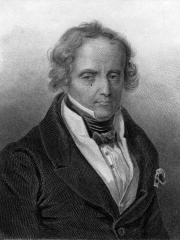
Xavier de Maistre
WRITER
1763 - 1852
HPI: 65.17
Posizione: 1,752
Hugh of Châteauneuf
RELIGIOUS FIGURE
1053 - 1132
HPI: 65.15
Posizione: 1,753

Lambert Wilson
ACTOR
1958 - presente
HPI: 65.15
Posizione: 1,754

Jacques Dutronc
MUSICIAN
1943 - presente
HPI: 65.15
Posizione: 1,755
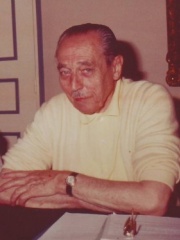
Henri, Count of Paris
POLITICIAN
1908 - 1999
HPI: 65.15
Posizione: 1,756
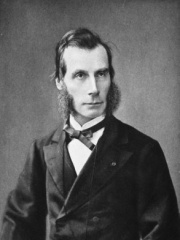
Numa Denis Fustel de Coulanges
POLITICIAN
1830 - 1889
HPI: 65.14
Posizione: 1,757
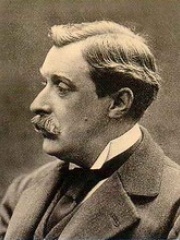
Alphonse Allais
WRITER
1854 - 1905
HPI: 65.14
Posizione: 1,758
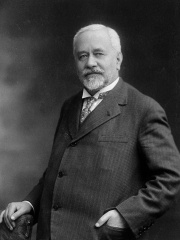
Albert Calmette
PHYSICIAN
1863 - 1933
HPI: 65.14
Posizione: 1,759
Tra Figura religiosa in Francia
Tra Figura religiosa nati in Francia, Hugh of Châteauneuf occupa la posizione 91. Prima di lui ci sono Vincent of Lérins (400), Arnaud Amalric (1160), Henri de Lubac (1896), Adhemar of Le Puy (1055), Jean-Marie Lustiger (1926), e William of Gellone (750). Dopo di lui ci sono William Farel (1489), Felix of Valois (1127), Germain of Paris (496), Valentin Haüy (1745), Benedict Joseph Labre (1748), e Maurice de Sully (1110).
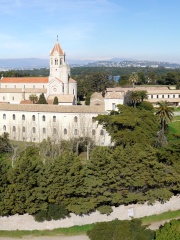
Vincent of Lérins
400 - 450
HPI: 65.37
Posizione: 85
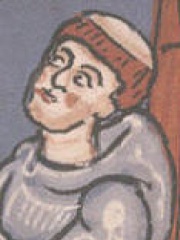
Arnaud Amalric
1160 - 1225
HPI: 65.34
Posizione: 86
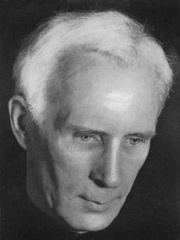
Henri de Lubac
1896 - 1991
HPI: 65.26
Posizione: 87
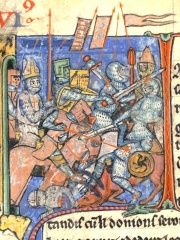
Adhemar of Le Puy
1055 - 1098
HPI: 65.19
Posizione: 88
Jean-Marie Lustiger
1926 - 2007
HPI: 65.18
Posizione: 89
William of Gellone
750 - 812
HPI: 65.17
Posizione: 90
Hugh of Châteauneuf
1053 - 1132
HPI: 65.15
Posizione: 91
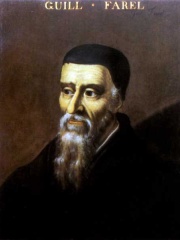
William Farel
1489 - 1565
HPI: 65.10
Posizione: 92
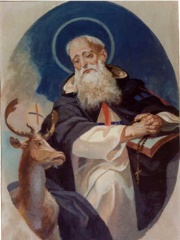
Felix of Valois
1127 - 1212
HPI: 65.03
Posizione: 93
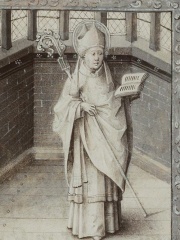
Germain of Paris
496 - 576
HPI: 64.97
Posizione: 94
Valentin Haüy
1745 - 1822
HPI: 64.79
Posizione: 95
Benedict Joseph Labre
1748 - 1783
HPI: 64.65
Posizione: 96
Maurice de Sully
1110 - 1196
HPI: 64.55
Posizione: 97




