宗教人物
Adhemar of Le Puy
1055 - 1098
ZH.WIKIPEDIA 页面浏览量 (PV)
 Adhemar of Le Puy
知名度指标
35k
页面浏览量
过去12个月
65.19
HPI
历史知名度指数
数据洞察
#18,722
逝世 9 个多世纪后,Adhemar of Le Puy在 Pantheon 全部人物中仍排名第 18,722。
Adhemar of Le Puy的各语言页面浏览量
在宗教人物中
在宗教人物中,Adhemar of Le Puy排名第1,208位(共3,187人)。 排在他之前的有:Shaykh Tusi, Philippe Ouédraogo, George Fox, Angelo Comastri, Antipope Victor IV, 和Peter Claver. 排在他之后的有:Epaphroditus, Jean-Marie Lustiger, William of Gellone, Maximilian of Tebessa, Alexandre do Nascimento, 和Ælfheah of Canterbury.
维基百科上最受欢迎的宗教人物
查看全部排名

Shaykh Tusi
995 - 1067
HPI: 65.23
排名: 1,202

Philippe Ouédraogo
1945 - 至今
HPI: 65.22
排名: 1,203
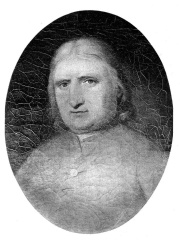
George Fox
1624 - 1691
HPI: 65.22
排名: 1,204

Angelo Comastri
1943 - 至今
HPI: 65.20
排名: 1,205

Antipope Victor IV
1010 - 1139
HPI: 65.20
排名: 1,206

Peter Claver
1581 - 1654
HPI: 65.20
排名: 1,207
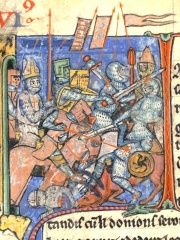
Adhemar of Le Puy
1055 - 1098
HPI: 65.19
排名: 1,208

Epaphroditus
100 - 69
HPI: 65.18
排名: 1,209
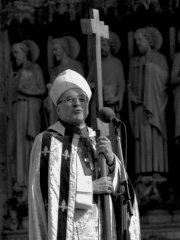
Jean-Marie Lustiger
1926 - 2007
HPI: 65.18
排名: 1,210

William of Gellone
750 - 812
HPI: 65.17
排名: 1,211

Maximilian of Tebessa
274 - 295
HPI: 65.17
排名: 1,212
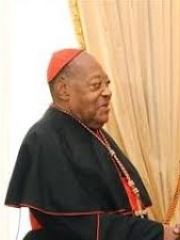
Alexandre do Nascimento
1925 - 2024
HPI: 65.16
排名: 1,213

Ælfheah of Canterbury
954 - 1012
HPI: 65.16
排名: 1,214

同时代人物
在1055年出生的人中,Adhemar of Le Puy排名第4位。 排在他之前的有:Malik-Shah I, Eric I of Denmark, 和Bertha of Holland. 排在他之后的有:Guibert of Nogent, Theophylact of Ohrid, 和Henry, Margrave of Frisia. 在1098年去世的人中,Adhemar of Le Puy排名第1位。 排在他之后的有:Baldwin II, Count of Hainaut, Thoros of Edessa, Gytha of Wessex, Yağısıyan, 和Keikavus.
其他1055年出生的人
查看全部排名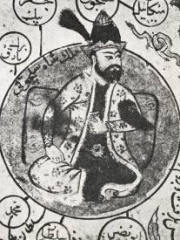
Malik-Shah I
POLITICIAN
1055 - 1092
HPI: 78.06
排名: 1
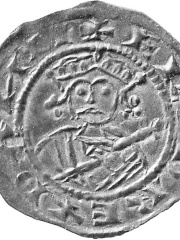
Eric I of Denmark
POLITICIAN
1055 - 1103
HPI: 69.52
排名: 2
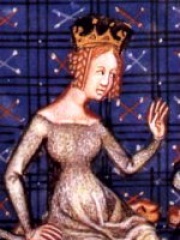
Bertha of Holland
COMPANION
1055 - 1093
HPI: 68.72
排名: 3
Adhemar of Le Puy
RELIGIOUS FIGURE
1055 - 1098
HPI: 65.19
排名: 4

Guibert of Nogent
HISTORIAN
1055 - 1124
HPI: 64.69
排名: 5
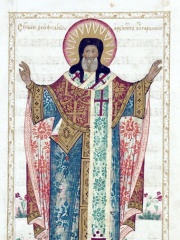
Theophylact of Ohrid
WRITER
1055 - 1107
HPI: 63.33
排名: 6

Henry, Margrave of Frisia
NOBLEMAN
1055 - 1101
HPI: 58.53
排名: 7
其他1098年去世的人
查看全部排名Adhemar of Le Puy
RELIGIOUS FIGURE
1055 - 1098
HPI: 65.19
排名: 1

Baldwin II, Count of Hainaut
POLITICIAN
1056 - 1098
HPI: 63.45
排名: 2

Thoros of Edessa
POLITICIAN
1100 - 1098
HPI: 62.89
排名: 3

Gytha of Wessex
POLITICIAN
1053 - 1098
HPI: 62.65
排名: 4

Yağısıyan
MILITARY PERSONNEL
1100 - 1098
HPI: 62.31
排名: 5

Keikavus
NOBLEMAN
1021 - 1098
HPI: 56.90
排名: 6
在法国
在出生于法国的人中,Adhemar of Le Puy排名第1,745位(共6,770人)。 排在他之前的有:Agnes of France, Duchess of Burgundy (1260), Jean-Marie Roland de la Platière (1734), Walter Krüger (1890), Jean-Luc Dehaene (1940), Jules de Goncourt (1830), 和Jean Chardin (1643). 排在他之后的有:Jules Bastien-Lepage (1848), François-Henri Pinault (1962), Jean-Marie Lustiger (1926), Louis Claude de Saint-Martin (1743), William of Gellone (750), 和Anselme Payen (1795).
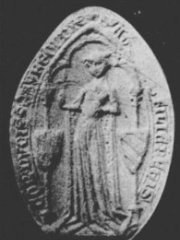
Agnes of France, Duchess of Burgundy
POLITICIAN
1260 - 1327
HPI: 65.23
排名: 1,739
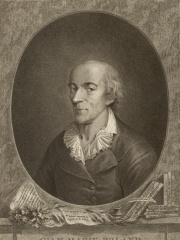
Jean-Marie Roland de la Platière
WRITER
1734 - 1793
HPI: 65.23
排名: 1,740

Walter Krüger
MILITARY PERSONNEL
1890 - 1945
HPI: 65.21
排名: 1,741

Jean-Luc Dehaene
POLITICIAN
1940 - 2014
HPI: 65.20
排名: 1,742
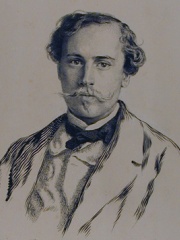
Jules de Goncourt
WRITER
1830 - 1870
HPI: 65.20
排名: 1,743

Jean Chardin
EXPLORER
1643 - 1713
HPI: 65.20
排名: 1,744
Adhemar of Le Puy
RELIGIOUS FIGURE
1055 - 1098
HPI: 65.19
排名: 1,745

Jules Bastien-Lepage
PAINTER
1848 - 1884
HPI: 65.19
排名: 1,746

François-Henri Pinault
BUSINESSPERSON
1962 - 至今
HPI: 65.18
排名: 1,747
Jean-Marie Lustiger
RELIGIOUS FIGURE
1926 - 2007
HPI: 65.18
排名: 1,748

Louis Claude de Saint-Martin
OCCULTIST
1743 - 1803
HPI: 65.17
排名: 1,749
William of Gellone
RELIGIOUS FIGURE
750 - 812
HPI: 65.17
排名: 1,750
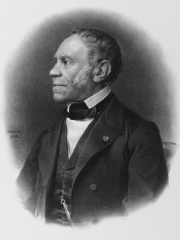
Anselme Payen
CHEMIST
1795 - 1871
HPI: 65.17
排名: 1,751
在法国的宗教人物中
在出生于法国的宗教人物中,Adhemar of Le Puy排名第88位。 排在他之前的有:Hugh of Cluny (1024), Eugène de Mazenod (1782), Caesarius of Arles (470), Vincent of Lérins (400), Arnaud Amalric (1160), 和Henri de Lubac (1896). 排在他之后的有:Jean-Marie Lustiger (1926), William of Gellone (750), Hugh of Châteauneuf (1053), William Farel (1489), Felix of Valois (1127), 和Germain of Paris (496).

Hugh of Cluny
1024 - 1109
HPI: 65.44
排名: 82
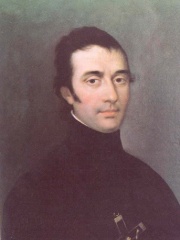
Eugène de Mazenod
1782 - 1861
HPI: 65.43
排名: 83
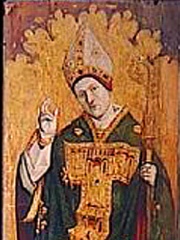
Caesarius of Arles
470 - 542
HPI: 65.42
排名: 84
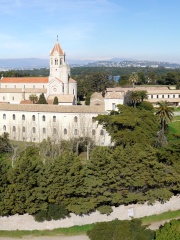
Vincent of Lérins
400 - 450
HPI: 65.37
排名: 85

Arnaud Amalric
1160 - 1225
HPI: 65.34
排名: 86
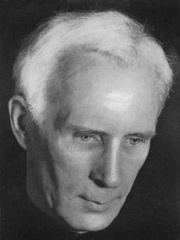
Henri de Lubac
1896 - 1991
HPI: 65.26
排名: 87
Adhemar of Le Puy
1055 - 1098
HPI: 65.19
排名: 88
Jean-Marie Lustiger
1926 - 2007
HPI: 65.18
排名: 89
William of Gellone
750 - 812
HPI: 65.17
排名: 90

Hugh of Châteauneuf
1053 - 1132
HPI: 65.15
排名: 91
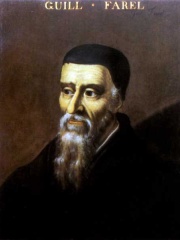
William Farel
1489 - 1565
HPI: 65.10
排名: 92
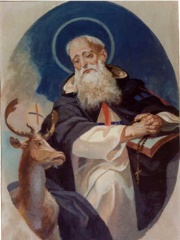
Felix of Valois
1127 - 1212
HPI: 65.03
排名: 93
Germain of Paris
496 - 576
HPI: 64.97
排名: 94




