Vallási személyiség
William of Gellone
750 - 812
HU.WIKIPEDIA OLDALMEGTEKINTÉSEK (PV)

 William of Gellone
Életrajza 28 különböző nyelven érhető el a Wikipédián (növekedés 26-ről 2024-ben). William of Gellone a 1,211th legnépszerűbb vallási személyiség (csökkenés a 1,057th-ről 2024-ben), a 1,750th legnépszerűbb életrajz Franciaország országából (csökkenés a 1,658th-ről 2019-ben) és a 90th legnépszerűbb Franciaországból vallási személyiség.
Ismertségi mutatók
53k
Oldalmegtekintések
Elmúlt 12 hónap
65.17
HPI
Történelmi népszerűségi index
William of Gellone oldalmegtekintései nyelvenként
A(z) Vallási személyiség között
A(z) Vallási személyiség között William of Gellone a(z) 1,211. helyen áll 3,187 közül. Előtte állnak: Angelo Comastri, Antipope Victor IV, Peter Claver, Adhemar of Le Puy, Epaphroditus, és Jean-Marie Lustiger. Utána következnek: Maximilian of Tebessa, Alexandre do Nascimento, Ælfheah of Canterbury, Hugh of Châteauneuf, Franciszek Macharski, és Amun-her-khepeshef.
A legnépszerűbb Vallási személyiség a Wikipédián
Összes rangsor megtekintése
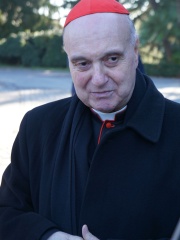
Angelo Comastri
1943 - napjainkig
HPI: 65.20
Helyezés: 1,205

Antipope Victor IV
1010 - 1139
HPI: 65.20
Helyezés: 1,206
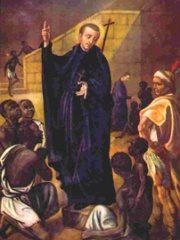
Peter Claver
1581 - 1654
HPI: 65.20
Helyezés: 1,207
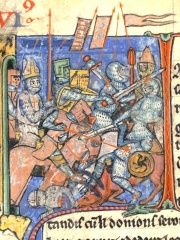
Adhemar of Le Puy
1055 - 1098
HPI: 65.19
Helyezés: 1,208
Epaphroditus
100 - 69
HPI: 65.18
Helyezés: 1,209
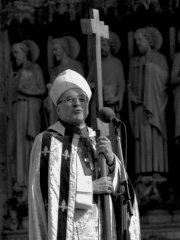
Jean-Marie Lustiger
1926 - 2007
HPI: 65.18
Helyezés: 1,210
William of Gellone
750 - 812
HPI: 65.17
Helyezés: 1,211

Maximilian of Tebessa
274 - 295
HPI: 65.17
Helyezés: 1,212
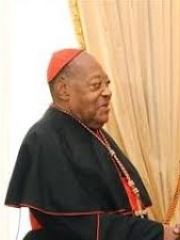
Alexandre do Nascimento
1925 - 2024
HPI: 65.16
Helyezés: 1,213

Ælfheah of Canterbury
954 - 1012
HPI: 65.16
Helyezés: 1,214

Hugh of Châteauneuf
1053 - 1132
HPI: 65.15
Helyezés: 1,215
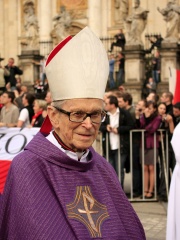
Franciszek Macharski
1927 - 2016
HPI: 65.15
Helyezés: 1,216

Amun-her-khepeshef
1300 BC - 1300 BC
HPI: 65.14
Helyezés: 1,217

Kortársak
A(z) 750. évben születettek között William of Gellone a(z) 6. helyen áll. Előtte állnak: Pope Leo III, Leo IV the Khazar, Muhammad al-Shaybani, Benedict of Aniane, és Bermudo I of Asturias. Utána következnek: Pietro Tradonico, Theodulf of Orléans, Theodore Abu Qurrah, Cynewulf of Wessex, Giovanni I Participazio, és Domenico Monegario. A(z) 812. évben elhunytak között William of Gellone a(z) 2. helyen áll. Előtte áll: Staurakios. Utána következik: Ibrahim I ibn al-Aghlab.
További személyek, akik a(z) 750. évben születtek
Összes rangsor megtekintése
Pope Leo III
RELIGIOUS FIGURE
750 - 816
HPI: 79.88
Helyezés: 1
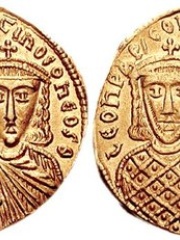
Leo IV the Khazar
POLITICIAN
750 - 780
HPI: 74.10
Helyezés: 2

Muhammad al-Shaybani
LAWYER
750 - 805
HPI: 67.98
Helyezés: 3
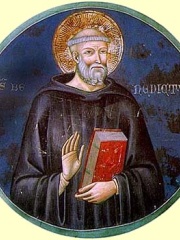
Benedict of Aniane
RELIGIOUS FIGURE
750 - 821
HPI: 66.75
Helyezés: 4
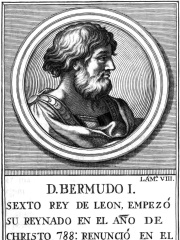
Bermudo I of Asturias
POLITICIAN
750 - 797
HPI: 65.90
Helyezés: 5
William of Gellone
RELIGIOUS FIGURE
750 - 812
HPI: 65.17
Helyezés: 6

Pietro Tradonico
POLITICIAN
750 - 864
HPI: 62.02
Helyezés: 7
Theodulf of Orléans
RELIGIOUS FIGURE
750 - 821
HPI: 61.80
Helyezés: 8
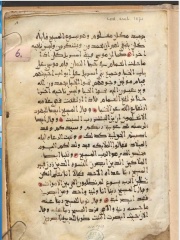
Theodore Abu Qurrah
WRITER
750 - 820
HPI: 61.51
Helyezés: 9
Cynewulf of Wessex
POLITICIAN
750 - 786
HPI: 60.57
Helyezés: 10

Giovanni I Participazio
POLITICIAN
750 - 836
HPI: 59.79
Helyezés: 11

Domenico Monegario
POLITICIAN
750 - 764
HPI: 59.43
Helyezés: 12
További személyek, akik a(z) 812. évben hunytak el
Összes rangsor megtekintése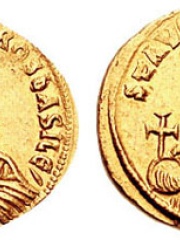
Staurakios
POLITICIAN
775 - 812
HPI: 77.06
Helyezés: 1
William of Gellone
RELIGIOUS FIGURE
750 - 812
HPI: 65.17
Helyezés: 2
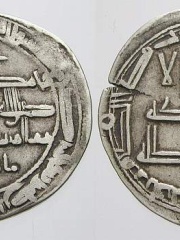
Ibrahim I ibn al-Aghlab
POLITICIAN
756 - 812
HPI: 61.18
Helyezés: 3
A(z) Franciaország rangsorában
A(z) Franciaország területén születettek között William of Gellone a(z) 1,750. helyen áll NaN közül. Előtte állnak: Jean Chardin (1643), Adhemar of Le Puy (1055), Jules Bastien-Lepage (1848), François-Henri Pinault (1962), Jean-Marie Lustiger (1926), és Louis Claude de Saint-Martin (1743). Utána következnek: Anselme Payen (1795), Xavier de Maistre (1763), Hugh of Châteauneuf (1053), Lambert Wilson (1958), Jacques Dutronc (1943), és Henri, Count of Paris (1908).
További személyek, akik Franciaország területén születtek
Összes rangsor megtekintése
Jean Chardin
EXPLORER
1643 - 1713
HPI: 65.20
Helyezés: 1,744
Adhemar of Le Puy
RELIGIOUS FIGURE
1055 - 1098
HPI: 65.19
Helyezés: 1,745
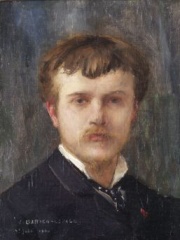
Jules Bastien-Lepage
PAINTER
1848 - 1884
HPI: 65.19
Helyezés: 1,746

François-Henri Pinault
BUSINESSPERSON
1962 - napjainkig
HPI: 65.18
Helyezés: 1,747
Jean-Marie Lustiger
RELIGIOUS FIGURE
1926 - 2007
HPI: 65.18
Helyezés: 1,748

Louis Claude de Saint-Martin
OCCULTIST
1743 - 1803
HPI: 65.17
Helyezés: 1,749
William of Gellone
RELIGIOUS FIGURE
750 - 812
HPI: 65.17
Helyezés: 1,750
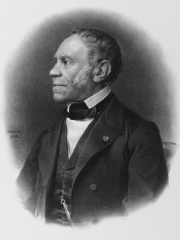
Anselme Payen
CHEMIST
1795 - 1871
HPI: 65.17
Helyezés: 1,751
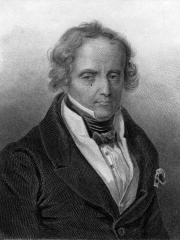
Xavier de Maistre
WRITER
1763 - 1852
HPI: 65.17
Helyezés: 1,752
Hugh of Châteauneuf
RELIGIOUS FIGURE
1053 - 1132
HPI: 65.15
Helyezés: 1,753

Lambert Wilson
ACTOR
1958 - napjainkig
HPI: 65.15
Helyezés: 1,754

Jacques Dutronc
MUSICIAN
1943 - napjainkig
HPI: 65.15
Helyezés: 1,755
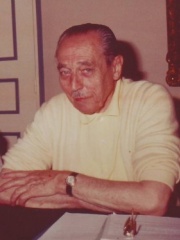
Henri, Count of Paris
POLITICIAN
1908 - 1999
HPI: 65.15
Helyezés: 1,756
A(z) Vallási személyiség között – Franciaország
A(z) Franciaország területén született Vallási személyiség között William of Gellone a(z) 90. helyen áll. Előtte állnak: Caesarius of Arles (470), Vincent of Lérins (400), Arnaud Amalric (1160), Henri de Lubac (1896), Adhemar of Le Puy (1055), és Jean-Marie Lustiger (1926). Utána következnek: Hugh of Châteauneuf (1053), William Farel (1489), Felix of Valois (1127), Germain of Paris (496), Valentin Haüy (1745), és Benedict Joseph Labre (1748).
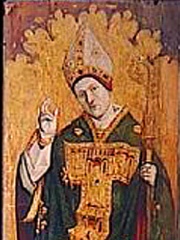
Caesarius of Arles
470 - 542
HPI: 65.42
Helyezés: 84
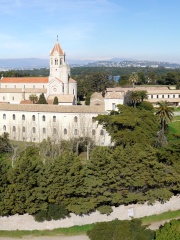
Vincent of Lérins
400 - 450
HPI: 65.37
Helyezés: 85
Arnaud Amalric
1160 - 1225
HPI: 65.34
Helyezés: 86
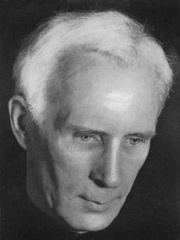
Henri de Lubac
1896 - 1991
HPI: 65.26
Helyezés: 87
Adhemar of Le Puy
1055 - 1098
HPI: 65.19
Helyezés: 88
Jean-Marie Lustiger
1926 - 2007
HPI: 65.18
Helyezés: 89
William of Gellone
750 - 812
HPI: 65.17
Helyezés: 90
Hugh of Châteauneuf
1053 - 1132
HPI: 65.15
Helyezés: 91
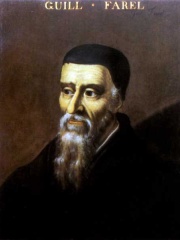
William Farel
1489 - 1565
HPI: 65.10
Helyezés: 92
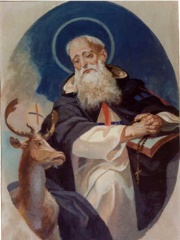
Felix of Valois
1127 - 1212
HPI: 65.03
Helyezés: 93
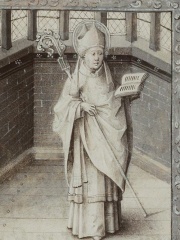
Germain of Paris
496 - 576
HPI: 64.97
Helyezés: 94
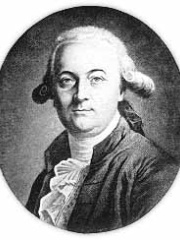
Valentin Haüy
1745 - 1822
HPI: 64.79
Helyezés: 95

Benedict Joseph Labre
1748 - 1783
HPI: 64.65
Helyezés: 96




