Politico
Ashurnasirpal II
1000 BC - 854 BC
IT.WIKIPEDIA PAGE VIEWS (PV)
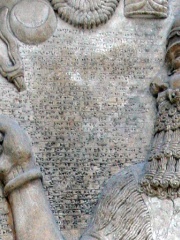
 Ashurnasirpal II
La sua biografia è disponibile in 42 lingue su Wikipedia (in aumento rispetto a 41 nel 2024). Ashurnasirpal II è il 2121° politico più popolare (in calo dal 1782° nel 2024), la 54ª biografia più popolare dell'Iraq (in calo dal 51ª nel 2019) e il 30° politico più popolare dell'Iraq.
Memorability Metrics
120k
Page Views
Past 12 months
71.85
HPI
Historical Popularity Index
Page views of Ashurnasirpal II by language
Among Politicos
Among politicos, Ashurnasirpal II ranks 2,120 out of 19,576. Before him are Ferdinand I of Naples, Neoptolemus, Gisela of Hungary, Victoria of Baden, Gnaeus Pompeius Trogus, and Emperor Yingzong of Ming. After him are Emperor Annei, Grand Duchess Anna Petrovna of Russia, Princess Maria Josepha of Saxony, Mario Monti, Karl Carstens, and Emperor Wu of Jin.
Most Popular Politicos in Wikipedia
Go to all Rankings

Ferdinand I of Naples
1423 - 1494
HPI: 71.86
Rank: 2,115
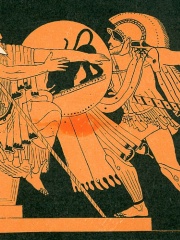
Neoptolemus
HPI: 71.86
Rank: 2,116
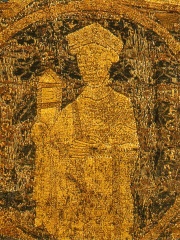
Gisela of Hungary
980 - 1065
HPI: 71.86
Rank: 2,117
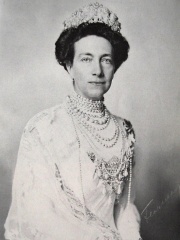
Victoria of Baden
1862 - 1930
HPI: 71.85
Rank: 2,118
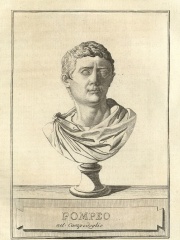
Gnaeus Pompeius Trogus
90 BC - 100 BC
HPI: 71.85
Rank: 2,119
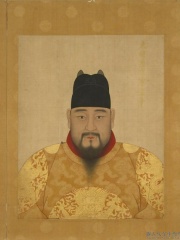
Emperor Yingzong of Ming
1427 - 1464
HPI: 71.85
Rank: 2,120
Ashurnasirpal II
1000 BC - 854 BC
HPI: 71.85
Rank: 2,121
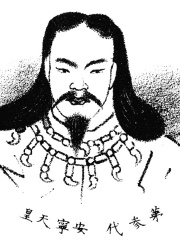
Emperor Annei
577 BC - 510 BC
HPI: 71.85
Rank: 2,122
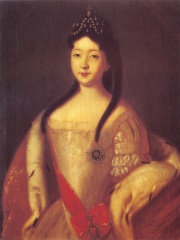
Grand Duchess Anna Petrovna of Russia
1708 - 1728
HPI: 71.85
Rank: 2,123
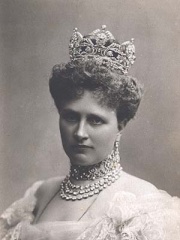
Princess Maria Josepha of Saxony
1867 - 1944
HPI: 71.84
Rank: 2,124
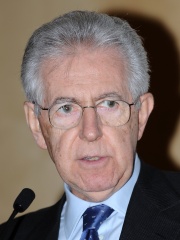
Mario Monti
1943 - Present
HPI: 71.84
Rank: 2,125
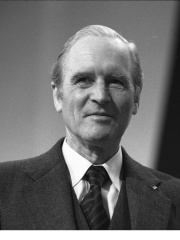
Karl Carstens
1914 - 1992
HPI: 71.84
Rank: 2,126
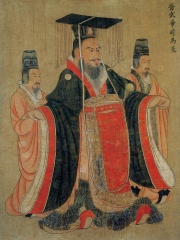
Emperor Wu of Jin
236 - 290
HPI: 71.84
Rank: 2,127

Contemporaries
Among people born in 1000 BC, Ashurnasirpal II ranks 13. Before him are Asa of Judah, Abijah of Judah, King Elah, Hiram I, Baasha of Israel, and Devadatta. After him are Nadab of Israel, Shoshenq II, Zimri, Michal, Abiathar, and Adad-nirari II. Among people deceased in 854 BC, Ashurnasirpal II ranks 1.
Others Born in 1000 BC
Go to all Rankings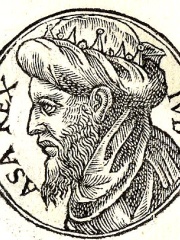
Asa of Judah
POLITICIAN
1000 BC - 873 BC
HPI: 75.15
Rank: 7
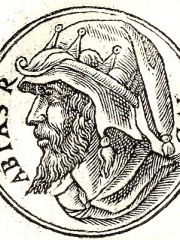
Abijah of Judah
POLITICIAN
1000 BC - 911 BC
HPI: 73.59
Rank: 8
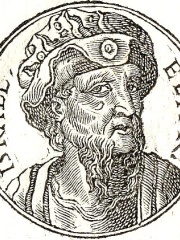
King Elah
POLITICIAN
1000 BC - 960 BC
HPI: 73.07
Rank: 9
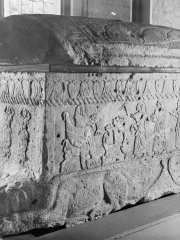
Hiram I
POLITICIAN
1000 BC - 935 BC
HPI: 72.58
Rank: 10
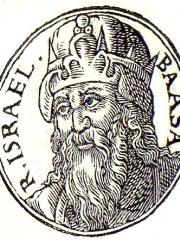
Baasha of Israel
POLITICIAN
1000 BC - 960 BC
HPI: 72.56
Rank: 11
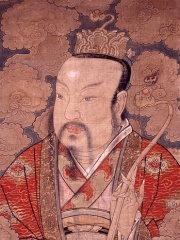
Devadatta
RELIGIOUS FIGURE
1000 BC - 490 BC
HPI: 72.36
Rank: 12
Ashurnasirpal II
POLITICIAN
1000 BC - 854 BC
HPI: 71.85
Rank: 13
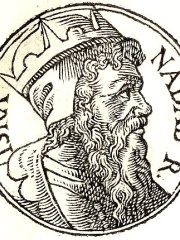
Nadab of Israel
POLITICIAN
1000 BC - 960 BC
HPI: 71.80
Rank: 14
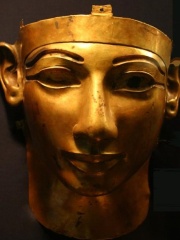
Shoshenq II
POLITICIAN
1000 BC - 889 BC
HPI: 70.68
Rank: 15

Zimri
POLITICIAN
1000 BC - 960 BC
HPI: 70.44
Rank: 16
Michal
POLITICIAN
1000 BC - Present
HPI: 67.68
Rank: 17

Abiathar
RELIGIOUS FIGURE
1000 BC - 900 BC
HPI: 66.66
Rank: 18
Adad-nirari II
POLITICIAN
1000 BC - 891 BC
HPI: 66.37
Rank: 19
Others Deceased in 854 BC
Go to all RankingsIn Iraq
Among people born in Iraq, Ashurnasirpal II ranks 54 out of NaN. Before him are Al-Jahiz (775), Suleyman Shah (1178), Shalmaneser III (-900), Al-Mutawakkil (822), Al-Baladhuri (806), and Mustafa Barzani (1903). After him are Junayd of Baghdad (830), Abd al-Karim Qasim (1914), Nabopolassar (-658), Al-Amin (787), Ya'qubi (801), and Banū Mūsā (900).
Others born in Iraq
Go to all Rankings
Al-Jahiz
PHILOSOPHER
775 - 868
HPI: 72.52
Rank: 48
Suleyman Shah
POLITICIAN
1178 - 1236
HPI: 72.46
Rank: 49
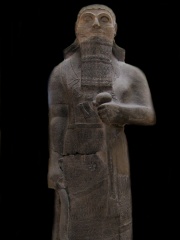
Shalmaneser III
POLITICIAN
900 BC - 824 BC
HPI: 72.29
Rank: 50
Al-Mutawakkil
POLITICIAN
822 - 861
HPI: 72.25
Rank: 51

Al-Baladhuri
HISTORIAN
806 - 892
HPI: 72.19
Rank: 52
Mustafa Barzani
SOCIAL ACTIVIST
1903 - 1979
HPI: 72.05
Rank: 53
Ashurnasirpal II
POLITICIAN
1000 BC - 854 BC
HPI: 71.85
Rank: 54
Junayd of Baghdad
RELIGIOUS FIGURE
830 - 910
HPI: 71.53
Rank: 55
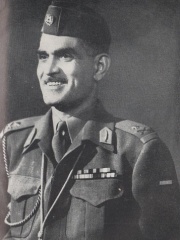
Abd al-Karim Qasim
POLITICIAN
1914 - 1963
HPI: 71.46
Rank: 56
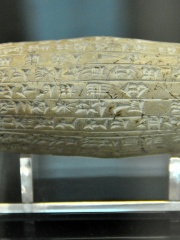
Nabopolassar
POLITICIAN
658 BC - 605 BC
HPI: 71.44
Rank: 57
Al-Amin
POLITICIAN
787 - 813
HPI: 71.39
Rank: 58

Ya'qubi
GEOGRAPHER
801 - 898
HPI: 71.21
Rank: 59
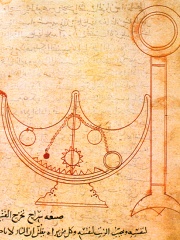
Banū Mūsā
ENGINEER
900 - 873
HPI: 71.09
Rank: 60
Among Politicos In Iraq
Among politicos born in Iraq, Ashurnasirpal II ranks 30. Before him are Al-Musta'sim (1213), Ahmed Hassan al-Bakr (1914), Ur-Nammu (-2200), Suleyman Shah (1178), Shalmaneser III (-900), and Al-Mutawakkil (822). After him are Abd al-Karim Qasim (1914), Nabopolassar (-658), Al-Amin (787), Ashur-etil-ilani (-700), Fuad Masum (1938), and Shamash-shum-ukin (-650).
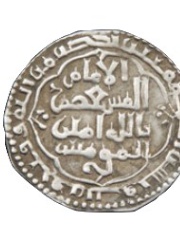
Al-Musta'sim
1213 - 1258
HPI: 72.74
Rank: 24
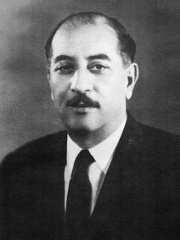
Ahmed Hassan al-Bakr
1914 - 1982
HPI: 72.67
Rank: 25
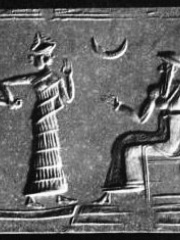
Ur-Nammu
2200 BC - 2094 BC
HPI: 72.66
Rank: 26
Suleyman Shah
1178 - 1236
HPI: 72.46
Rank: 27
Shalmaneser III
900 BC - 824 BC
HPI: 72.29
Rank: 28
Al-Mutawakkil
822 - 861
HPI: 72.25
Rank: 29
Ashurnasirpal II
1000 BC - 854 BC
HPI: 71.85
Rank: 30
Abd al-Karim Qasim
1914 - 1963
HPI: 71.46
Rank: 31
Nabopolassar
658 BC - 605 BC
HPI: 71.44
Rank: 32
Al-Amin
787 - 813
HPI: 71.39
Rank: 33
Ashur-etil-ilani
700 BC - 627 BC
HPI: 71.01
Rank: 34
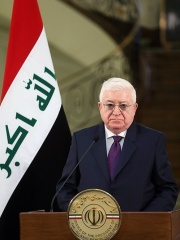
Fuad Masum
1938 - Present
HPI: 70.89
Rank: 35
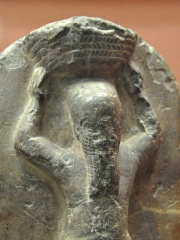
Shamash-shum-ukin
650 BC - 648 BC
HPI: 70.80
Rank: 36




