政治家
Shalmaneser II
1090 BC - 1019 BC
JA.WIKIPEDIA ページビュー (PV)
 Shalmaneser II
知名度指標
21k
ページビュー
過去12か月
61.78
HPI
歴史的人気指数
データインサイト
26
Shalmaneser IIの伝記はウィキペディアの26言語版に掲載され、歴史的人気指数は61.78です。
Shalmaneser IIの言語別ページビュー
政治家の中で
政治家の中で、Shalmaneser IIは20,022人中9,504位です。 彼より上位:Adelaide of Susa, Malietoa Tanumafili II, Hiranuma Kiichirō, Catherine Henriette de Balzac d'Entragues, Bongsang of Goguryeo, 、Mirek Topolánek. 彼より下位:Orodes I of Parthia, Bob Casey Jr., Fa of Xia, Infante Sebastian of Portugal and Spain, Rani Durgavati, 、Caesar Augustus Rodney.
ウィキペディアで最も人気のある政治家
すべてのランキングを見る
Adelaide of Susa
1020 - 1091
HPI: 61.78
順位: 9,503

Malietoa Tanumafili II
1913 - 2007
HPI: 61.78
順位: 9,504
Hiranuma Kiichirō
1867 - 1952
HPI: 61.78
順位: 9,505

Catherine Henriette de Balzac d'Entragues
1579 - 1633
HPI: 61.78
順位: 9,506

Bongsang of Goguryeo
300 - 300
HPI: 61.78
順位: 9,507

Mirek Topolánek
1956 - 現在
HPI: 61.78
順位: 9,508
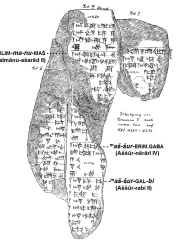
Shalmaneser II
1090 BC - 1019 BC
HPI: 61.78
順位: 9,509
Orodes I of Parthia
190 BC - 90 BC
HPI: 61.78
順位: 9,510
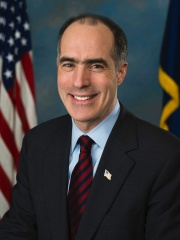
Bob Casey Jr.
1960 - 現在
HPI: 61.78
順位: 9,511

Fa of Xia
HPI: 61.77
順位: 9,512
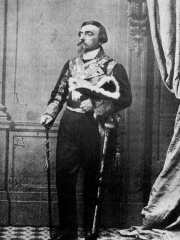
Infante Sebastian of Portugal and Spain
1811 - 1875
HPI: 61.77
順位: 9,513
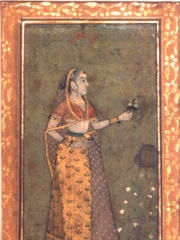
Rani Durgavati
1524 - 1564
HPI: 61.77
順位: 9,514

Caesar Augustus Rodney
1772 - 1824
HPI: 61.77
順位: 9,515

同時代の人物
1090 BC年生まれの人の中で、Shalmaneser IIは2位です。 彼より上位:Jiang Ziya. 1019 BC年に亡くなった人の中で、Shalmaneser IIは1位です。
1090 BC年生まれのその他の人物
すべてのランキングを見る
Jiang Ziya
POLITICIAN
1090 BC - 1015 BC
HPI: 70.98
順位: 1
Shalmaneser II
POLITICIAN
1090 BC - 1019 BC
HPI: 61.78
順位: 2
1019 BC年に亡くなったその他の人物
すべてのランキングを見るイラクの中で
イラク生まれの人の中で、Shalmaneser IIは414人中218位です。 彼より上位:Ghazi Mashal Ajil al-Yawer (1958), Sa'dun Hammadi (1930), Al-Sharif al-Radi (970), Al-Akhtal al-Taghlibi (640), Al-Khatib al-Baghdadi (1002), 、Qusay Hussein (1966). 彼より下位:Ashurnasirpal I (-1100), Ibn Wahshiyya (900), Sayf al-Din Ghazi I (1200), Emmanuel III Delly (1927), Al-Farazdaq (641), 、Burna-Buriash II (-1400).
イラク生まれのその他の人物
すべてのランキングを見る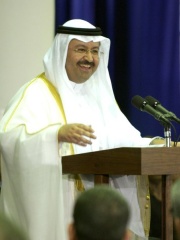
Ghazi Mashal Ajil al-Yawer
POLITICIAN
1958 - 現在
HPI: 62.37
順位: 212

Sa'dun Hammadi
POLITICIAN
1930 - 2007
HPI: 62.14
順位: 213
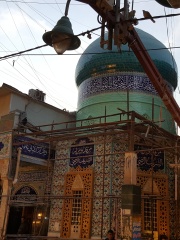
Al-Sharif al-Radi
WRITER
970 - 1015
HPI: 62.01
順位: 214

Al-Akhtal al-Taghlibi
POLITICIAN
640 - 710
HPI: 62.00
順位: 215

Al-Khatib al-Baghdadi
HISTORIAN
1002 - 1071
HPI: 61.96
順位: 216

Qusay Hussein
POLITICIAN
1966 - 2003
HPI: 61.89
順位: 217
Shalmaneser II
POLITICIAN
1090 BC - 1019 BC
HPI: 61.78
順位: 218
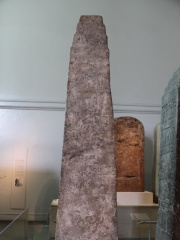
Ashurnasirpal I
POLITICIAN
1100 BC - 1060 BC
HPI: 61.76
順位: 219
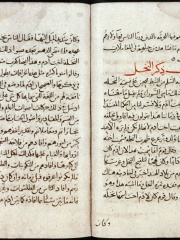
Ibn Wahshiyya
HISTORIAN
900 - 930
HPI: 61.75
順位: 220
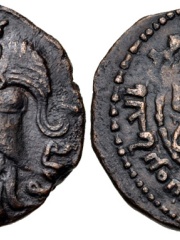
Sayf al-Din Ghazi I
POLITICIAN
1200 - 1149
HPI: 61.74
順位: 221

Emmanuel III Delly
RELIGIOUS FIGURE
1927 - 2014
HPI: 61.74
順位: 222
Al-Farazdaq
WRITER
641 - 728
HPI: 61.71
順位: 223
Burna-Buriash II
POLITICIAN
1400 BC - 1400 BC
HPI: 61.65
順位: 224
イラクの政治家の中で
イラク生まれの政治家の中で、Shalmaneser IIは141位です。 彼より上位:Manishtushu (null), Shar-Kali-Sharri (null), Ghazi Mashal Ajil al-Yawer (1958), Sa'dun Hammadi (1930), Al-Akhtal al-Taghlibi (640), 、Qusay Hussein (1966). 彼より下位:Ashurnasirpal I (-1100), Sayf al-Din Ghazi I (1200), Burna-Buriash II (-1400), Nechirvan Barzani (1966), Binyamin Ben-Eliezer (1936), 、Shu-Sin (null).
Manishtushu
HPI: 62.61
順位: 135
Shar-Kali-Sharri
HPI: 62.61
順位: 136
Ghazi Mashal Ajil al-Yawer
1958 - 現在
HPI: 62.37
順位: 137
Sa'dun Hammadi
1930 - 2007
HPI: 62.14
順位: 138
Al-Akhtal al-Taghlibi
640 - 710
HPI: 62.00
順位: 139
Qusay Hussein
1966 - 2003
HPI: 61.89
順位: 140
Shalmaneser II
1090 BC - 1019 BC
HPI: 61.78
順位: 141
Ashurnasirpal I
1100 BC - 1060 BC
HPI: 61.76
順位: 142
Sayf al-Din Ghazi I
1200 - 1149
HPI: 61.74
順位: 143
Burna-Buriash II
1400 BC - 1400 BC
HPI: 61.65
順位: 144

Nechirvan Barzani
1966 - 現在
HPI: 61.56
順位: 145

Binyamin Ben-Eliezer
1936 - 2016
HPI: 61.33
順位: 146
Shu-Sin
HPI: 61.32
順位: 147




