Író
Varro Atacinus
82 BC - 35 BC

 Varro Atacinus
Életrajza 23 különböző nyelven érhető el a Wikipédián (növekedés 22-ről 2024-ben). Varro Atacinus a 1,682nd legnépszerűbb író (növekedés a 2,613th-ről 2024-ben), a 1,946th legnépszerűbb életrajz Franciaország országából (növekedés a 2,853rd-ről 2019-ben) és a 243rd legnépszerűbb Franciaországból író.
Ismertségi mutatók
7.2k
Oldalmegtekintések
Elmúlt 12 hónap
64.43
HPI
Történelmi népszerűségi index
Adatérdekességek
#20,878
Több mint 20 évszázaddal a halála után Varro Atacinus még mindig a(z) 20,878. helyen áll a Pantheon összes személyisége között.
Varro Atacinus oldalmegtekintései nyelvenként
A(z) Író között
A(z) Író között Varro Atacinus a(z) 1,682. helyen áll 7,302 közül. Előtte állnak: Notker the Stammerer, Stanisław Ignacy Witkiewicz, Dean Koontz, James Oliver Curwood, Akiyuki Nosaka, és Vita Sackville-West. Utána következnek: Lina Kostenko, Ahmed Shawqi, Gil Vicente, Ishwar Chandra Vidyasagar, Ryū Murakami, és Jacopo Sannazaro.
A legnépszerűbb Író a Wikipédián
Összes rangsor megtekintése
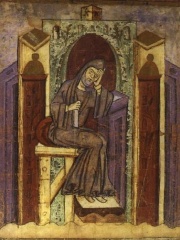
Notker the Stammerer
840 - 912
HPI: 64.47
Helyezés: 1,676
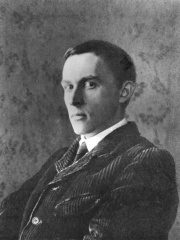
Stanisław Ignacy Witkiewicz
1885 - 1939
HPI: 64.46
Helyezés: 1,677

Dean Koontz
1945 - napjainkig
HPI: 64.45
Helyezés: 1,678
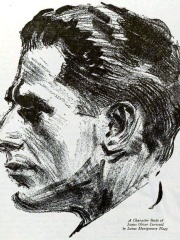
James Oliver Curwood
1878 - 1927
HPI: 64.44
Helyezés: 1,679

Akiyuki Nosaka
1930 - 2015
HPI: 64.43
Helyezés: 1,680
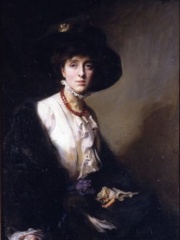
Vita Sackville-West
1892 - 1962
HPI: 64.43
Helyezés: 1,681
Varro Atacinus
82 BC - 35 BC
HPI: 64.43
Helyezés: 1,682

Lina Kostenko
1930 - napjainkig
HPI: 64.42
Helyezés: 1,683
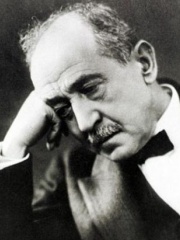
Ahmed Shawqi
1868 - 1932
HPI: 64.42
Helyezés: 1,684
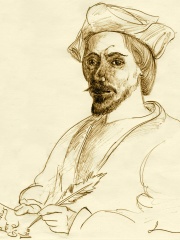
Gil Vicente
1465 - 1536
HPI: 64.42
Helyezés: 1,685
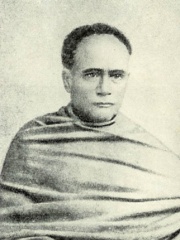
Ishwar Chandra Vidyasagar
1820 - 1891
HPI: 64.41
Helyezés: 1,686

Ryū Murakami
1952 - napjainkig
HPI: 64.41
Helyezés: 1,687
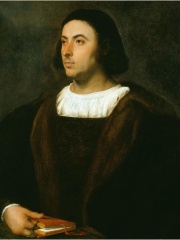
Jacopo Sannazaro
1458 - 1530
HPI: 64.41
Helyezés: 1,688

Kortársak
A(z) 82 BC. évben születettek között Varro Atacinus a(z) 2. helyen áll. Előtte áll: Burebista. Utána következnek: Licinius Macer Calvus, és Marcus Caelius Rufus. A(z) 35 BC. évben elhunytak között Varro Atacinus a(z) 3. helyen áll. Előtte állnak: Sextus Pompey, és Philodemus. Utána következik: Zhizhi.
További személyek, akik a(z) 82 BC. évben születtek
Összes rangsor megtekintése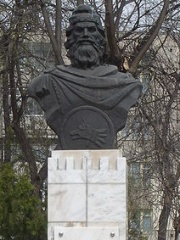
Burebista
POLITICIAN
82 BC - 44 BC
HPI: 71.09
Helyezés: 1
Varro Atacinus
WRITER
82 BC - 35 BC
HPI: 64.43
Helyezés: 2

Licinius Macer Calvus
WRITER
82 BC - 47 BC
HPI: 61.56
Helyezés: 3

Marcus Caelius Rufus
POLITICIAN
82 BC - 48 BC
HPI: 59.06
Helyezés: 4
További személyek, akik a(z) 35 BC. évben hunytak el
Összes rangsor megtekintése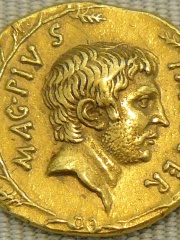
Sextus Pompey
PIRATE
67 BC - 35 BC
HPI: 68.79
Helyezés: 1

Philodemus
PHILOSOPHER
110 BC - 35 BC
HPI: 66.78
Helyezés: 2
Varro Atacinus
WRITER
82 BC - 35 BC
HPI: 64.43
Helyezés: 3
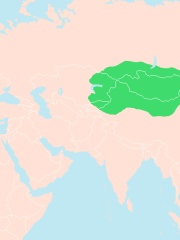
Zhizhi
POLITICIAN
HPI: 56.93
Helyezés: 4
A(z) Franciaország rangsorában
A(z) Franciaország területén születettek között Varro Atacinus a(z) 1,946. helyen áll 6,770 közül. Előtte állnak: Germaine Dulac (1882), Elias, Duke of Parma (1880), Antoine Barnave (1761), Berengar of Tours (998), Itta of Metz (592), és Jacques Roux (1752). Utána következnek: Bernard de Tremelay (1100), Charlotte Perriand (1903), Gabriel Pierné (1863), Marie Anne de Mailly (1717), Henri, Prince of Condé (1588), és Anne Desclos (1907).
További személyek, akik Franciaország területén születtek
Összes rangsor megtekintése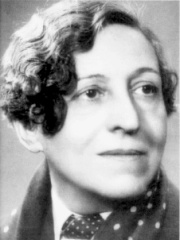
Germaine Dulac
FILM DIRECTOR
1882 - 1942
HPI: 64.45
Helyezés: 1,940
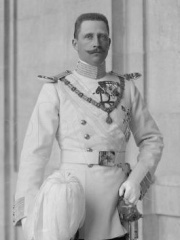
Elias, Duke of Parma
NOBLEMAN
1880 - 1959
HPI: 64.45
Helyezés: 1,941
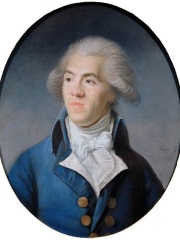
Antoine Barnave
POLITICIAN
1761 - 1793
HPI: 64.45
Helyezés: 1,942
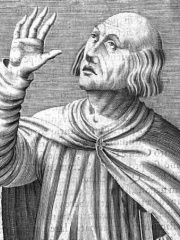
Berengar of Tours
PHILOSOPHER
998 - 1088
HPI: 64.44
Helyezés: 1,943

Itta of Metz
RELIGIOUS FIGURE
592 - 652
HPI: 64.43
Helyezés: 1,944
Jacques Roux
SOCIAL ACTIVIST
1752 - 1794
HPI: 64.43
Helyezés: 1,945
Varro Atacinus
WRITER
82 BC - 35 BC
HPI: 64.43
Helyezés: 1,946

Bernard de Tremelay
POLITICIAN
1100 - 1153
HPI: 64.42
Helyezés: 1,947
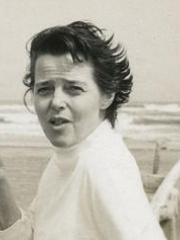
Charlotte Perriand
ARCHITECT
1903 - 1999
HPI: 64.42
Helyezés: 1,948
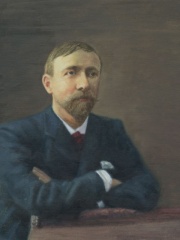
Gabriel Pierné
COMPOSER
1863 - 1937
HPI: 64.41
Helyezés: 1,949
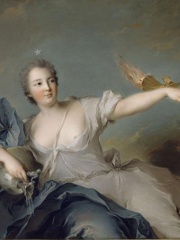
Marie Anne de Mailly
POLITICIAN
1717 - 1744
HPI: 64.41
Helyezés: 1,950
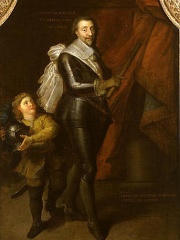
Henri, Prince of Condé
POLITICIAN
1588 - 1646
HPI: 64.40
Helyezés: 1,951
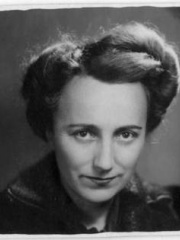
Anne Desclos
WRITER
1907 - 1998
HPI: 64.40
Helyezés: 1,952
A(z) Író között – Franciaország
A(z) Franciaország területén született Író között Varro Atacinus a(z) 243. helyen áll. Előtte állnak: Adèle Hugo (1830), Jean Bodel (1165), André Pieyre de Mandiargues (1909), Marquis de Custine (1790), Marcel Achard (1899), és Thoinot Arbeau (1520). Utána következnek: Anne Desclos (1907), François Pierre La Varenne (1618), Princess Isabelle of Orléans-Braganza (1911), Antoine de Montchrestien (1575), Jean-Louis Guez de Balzac (1597), és Adalberon (947).
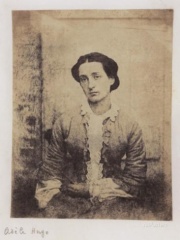
Adèle Hugo
1830 - 1915
HPI: 64.57
Helyezés: 237
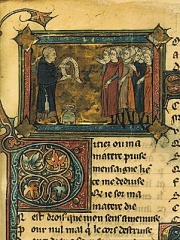
Jean Bodel
1165 - 1205
HPI: 64.53
Helyezés: 238
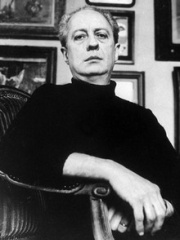
André Pieyre de Mandiargues
1909 - 1991
HPI: 64.51
Helyezés: 239
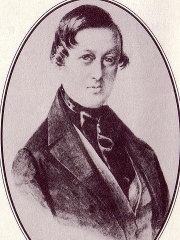
Marquis de Custine
1790 - 1857
HPI: 64.49
Helyezés: 240

Marcel Achard
1899 - 1974
HPI: 64.48
Helyezés: 241

Thoinot Arbeau
1520 - 1595
HPI: 64.47
Helyezés: 242
Varro Atacinus
82 BC - 35 BC
HPI: 64.43
Helyezés: 243
Anne Desclos
1907 - 1998
HPI: 64.40
Helyezés: 244
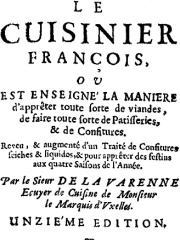
François Pierre La Varenne
1618 - 1678
HPI: 64.40
Helyezés: 245
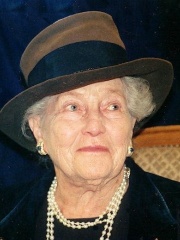
Princess Isabelle of Orléans-Braganza
1911 - 2003
HPI: 64.31
Helyezés: 246

Antoine de Montchrestien
1575 - 1621
HPI: 64.30
Helyezés: 247
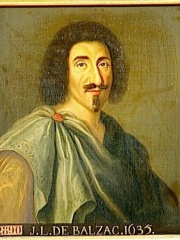
Jean-Louis Guez de Balzac
1597 - 1654
HPI: 64.18
Helyezés: 248

Adalberon
947 - 1030
HPI: 64.14
Helyezés: 249




