Compagnon
Julia
76 BC - 54 BC
FR.WIKIPEDIA PAGE VIEWS (PV)
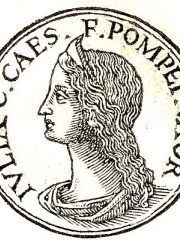
 Julia
Julia
Sa biographie est disponible en 28 langues sur Wikipédia. Julia est la 80th compagnon la plus populaire (en hausse du 173rd en 2024), la 487th biographie la plus populaire d'Italie (en hausse du 834th en 2019), ainsi que la 7th compagnon d'Italie la plus populaire.
Memorability Metrics
160k
Page Views
Past 12 months
75.19
HPI
Historical Popularity Index
Page views of Julia by language
Among Compagnons
Among compagnons, Julia ranks 80 out of 784. Before her are Clara Petacci, Julia Domna, Claude of France, Anne of Kiev, Sepp Dietrich, and Abigail. After her are Amalasuntha, Princess Alice, Duchess of Gloucester, Isabeau of Bavaria, Charlotte, Princess Royal, Frederica of Hanover, and Berenice II of Egypt.
Most Popular Compagnons in Wikipedia
Go to all Rankings
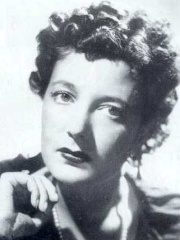
Clara Petacci
1912 - 1945
HPI: 75.41
Rank: 74
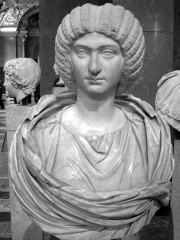
Julia Domna
160 - 217
HPI: 75.35
Rank: 75
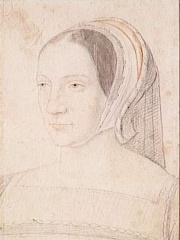
Claude of France
1499 - 1524
HPI: 75.32
Rank: 76
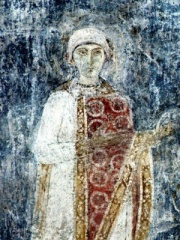
Anne of Kiev
1025 - 1075
HPI: 75.31
Rank: 77
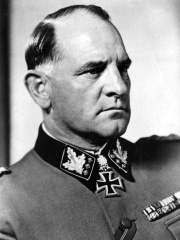
Sepp Dietrich
1892 - 1966
HPI: 75.24
Rank: 78

Abigail
1040 BC - 1000 BC
HPI: 75.24
Rank: 79
Julia
76 BC - 54 BC
HPI: 75.19
Rank: 80
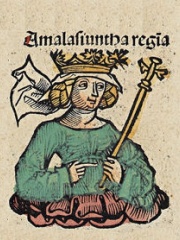
Amalasuntha
495 - 535
HPI: 75.18
Rank: 81
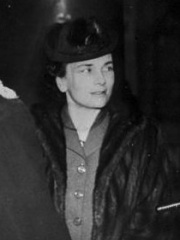
Princess Alice, Duchess of Gloucester
1901 - 2004
HPI: 75.17
Rank: 82
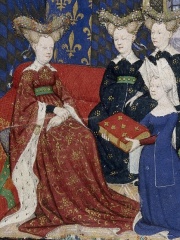
Isabeau of Bavaria
1370 - 1435
HPI: 75.11
Rank: 83
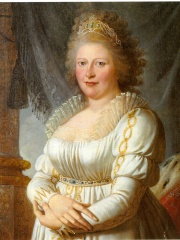
Charlotte, Princess Royal
1766 - 1828
HPI: 75.10
Rank: 84
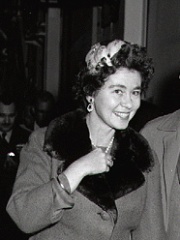
Frederica of Hanover
1917 - 1981
HPI: 75.08
Rank: 85
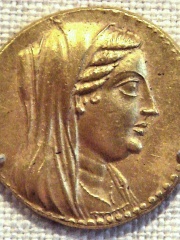
Berenice II of Egypt
267 BC - 221 BC
HPI: 74.99
Rank: 86

Contemporaries
Among people born in 76 BC, Julia ranks 1. After her is Gaius Asinius Pollio. Among people deceased in 54 BC, Julia ranks 2. Before her is Catullus. After her are Aurelia Cotta, Ariovistus, Mithridates IV of Parthia, Quintus Titurius Sabinus, and Dumnorix.
Others Born in 76 BC
Go to all Rankings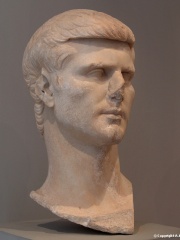
Others Deceased in 54 BC
Go to all Rankings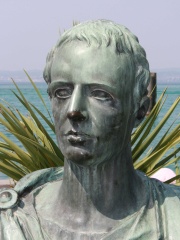
Catullus
WRITER
84 BC - 54 BC
HPI: 78.70
Rank: 1
Julia
COMPANION
76 BC - 54 BC
HPI: 75.19
Rank: 2
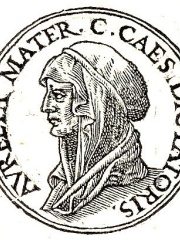
Aurelia Cotta
POLITICIAN
120 BC - 54 BC
HPI: 74.63
Rank: 3
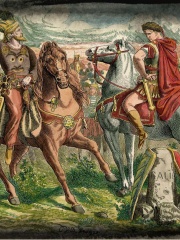
Ariovistus
POLITICIAN
101 BC - 54 BC
HPI: 67.18
Rank: 4
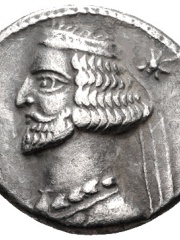
Mithridates IV of Parthia
POLITICIAN
HPI: 64.23
Rank: 5
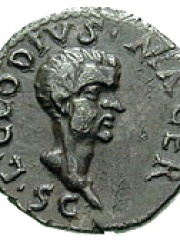
Quintus Titurius Sabinus
MILITARY PERSONNEL
50 BC - 54 BC
HPI: 62.94
Rank: 6
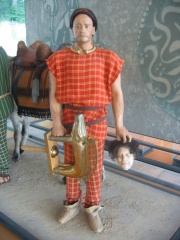
Dumnorix
POLITICIAN
100 BC - 54 BC
HPI: 58.84
Rank: 7
In Italie
Among people born in Italie, Julia ranks 487 out of NaN. Before her are Pietro Mascagni (1863), Gaius Cassius Longinus (-87), Pope John XVIII (970), Pope Zephyrinus (150), Francis II of the Two Sicilies (1836), and Quintus Fabius Maximus Verrucosus (-300). After her are Amalasuntha (495), Boniface I, Marquess of Montferrat (1150), Reinhold Messner (1944), Maurizio Gucci (1948), Francesco I de' Medici, Grand Duke of Tuscany (1541), and Ancus Marcius (-675).
Others born in Italie
Go to all Rankings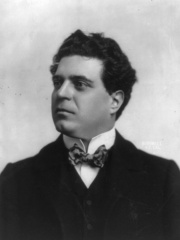
Pietro Mascagni
COMPOSER
1863 - 1945
HPI: 75.30
Rank: 481

Gaius Cassius Longinus
POLITICIAN
87 BC - 42 BC
HPI: 75.29
Rank: 482
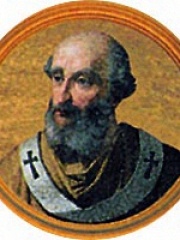
Pope John XVIII
RELIGIOUS FIGURE
970 - 1009
HPI: 75.22
Rank: 483
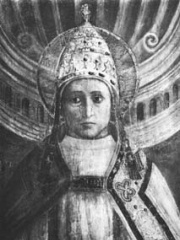
Pope Zephyrinus
RELIGIOUS FIGURE
150 - 217
HPI: 75.21
Rank: 484
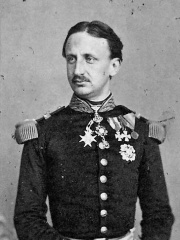
Francis II of the Two Sicilies
POLITICIAN
1836 - 1894
HPI: 75.20
Rank: 485
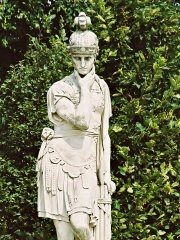
Quintus Fabius Maximus Verrucosus
POLITICIAN
300 BC - 203 BC
HPI: 75.20
Rank: 486
Julia
COMPANION
76 BC - 54 BC
HPI: 75.19
Rank: 487
Amalasuntha
COMPANION
495 - 535
HPI: 75.18
Rank: 488

Boniface I, Marquess of Montferrat
POLITICIAN
1150 - 1207
HPI: 75.18
Rank: 489

Reinhold Messner
MOUNTAINEER
1944 - Present
HPI: 75.14
Rank: 490

Maurizio Gucci
FASHION DESIGNER
1948 - 1995
HPI: 75.14
Rank: 491
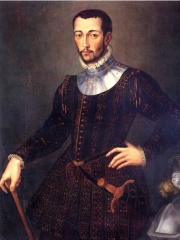
Francesco I de' Medici, Grand Duke of Tuscany
NOBLEMAN
1541 - 1587
HPI: 75.13
Rank: 492
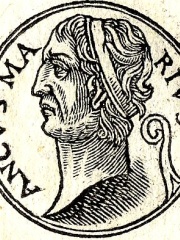
Ancus Marcius
POLITICIAN
675 BC - 616 BC
HPI: 75.12
Rank: 493
Among Compagnons In Italie
Among compagnons born in Italie, Julia ranks 7. Before her are Catherine de' Medici (1519), Messalina (17), Livia (-58), Zita of Bourbon-Parma (1892), Maria Theresa of Naples and Sicily (1772), and Clara Petacci (1912). After her are Amalasuntha (495), Scribonia (-70), Julia the Elder (-39), Caterina Sforza (1463), Marie Adélaïde of Savoy (1685), and Maria Luisa of Parma (1751).
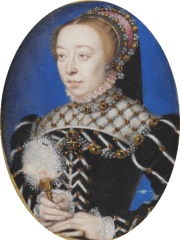
Catherine de' Medici
1519 - 1589
HPI: 83.94
Rank: 1
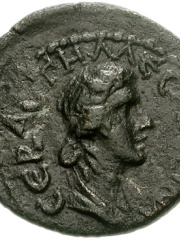
Messalina
17 - 48
HPI: 79.81
Rank: 2
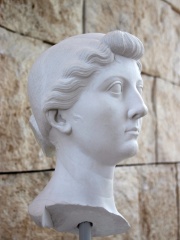
Livia
58 BC - 29
HPI: 78.80
Rank: 3
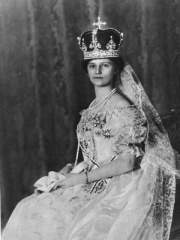
Zita of Bourbon-Parma
1892 - 1989
HPI: 78.14
Rank: 4
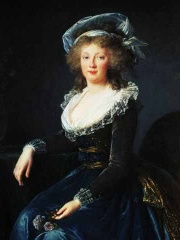
Maria Theresa of Naples and Sicily
1772 - 1807
HPI: 77.27
Rank: 5
Clara Petacci
1912 - 1945
HPI: 75.41
Rank: 6
Julia
76 BC - 54 BC
HPI: 75.19
Rank: 7
Amalasuntha
495 - 535
HPI: 75.18
Rank: 8
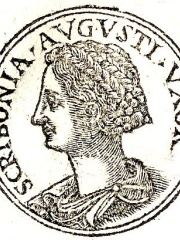
Scribonia
70 BC - 16
HPI: 73.96
Rank: 9
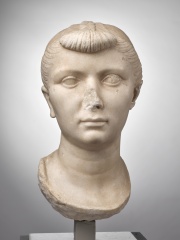
Julia the Elder
39 BC - 14
HPI: 73.42
Rank: 10
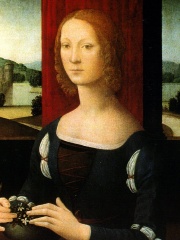
Caterina Sforza
1463 - 1509
HPI: 73.32
Rank: 11
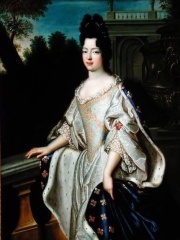
Marie Adélaïde of Savoy
1685 - 1712
HPI: 73.24
Rank: 12
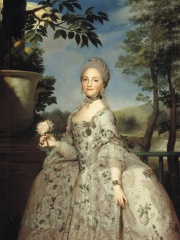
Maria Luisa of Parma
1751 - 1819
HPI: 72.95
Rank: 13




