Filozófus
Titus Lucretius Carus
94 BC - 55 BC
HU.WIKIPEDIA OLDALMEGTEKINTÉSEK (PV)
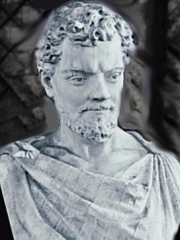
 Titus Lucretius Carus
Életrajza 81 különböző nyelven érhető el a Wikipédián (növekedés 80-ről 2024-ben). Titus Lucretius Carus a 40th legnépszerűbb filozófus (növekedés a 49th-ről 2024-ben), a 75th legnépszerűbb életrajz Olaszország országából (csökkenés a 56th-ről 2019-ben) és a 5th legnépszerűbb Olaszországból filozófus.
Ismertségi mutatók
320k
Oldalmegtekintések
Elmúlt 12 hónap
83.96
HPI
Történelmi népszerűségi index
Adatérdekességek
#1
Titus Lucretius Carus a legemlékezetesebb a(z) Pompeii városában — a mai Olaszország területén — született 2 nevezetes személy közül.
39
Bár Titus Lucretius Carus csupán 39 évet élt, a történelem összes Filozófus között a(z) 40. helyen áll.
#539
Több mint 20 évszázaddal a halála után Titus Lucretius Carus még mindig a(z) 539. helyen áll a Pantheon összes személyisége között.
81
Titus Lucretius Carus életrajza a Wikipédia 81 nyelvi változatában szerepel — több nyelven, mint a(z) Filozófus 95%-a esetében.
Titus Lucretius Carus oldalmegtekintései nyelvenként
A(z) Filozófus között
A(z) Filozófus között Titus Lucretius Carus a(z) 40. helyen áll 1,267 közül. Előtte állnak: Martin Heidegger, Maria Montessori, Parmenides, Søren Kierkegaard, Origen, és Al-Farabi. Utána következnek: Rajneesh, Michel de Montaigne, Sun Tzu, Empedocles, Plutarch, és Anaximander.
A legnépszerűbb Filozófus a Wikipédián
Összes rangsor megtekintése
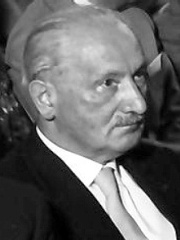
Martin Heidegger
1889 - 1976
HPI: 84.92
Helyezés: 34
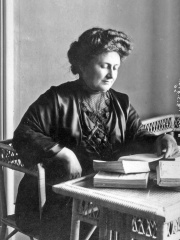
Maria Montessori
1870 - 1952
HPI: 84.59
Helyezés: 35
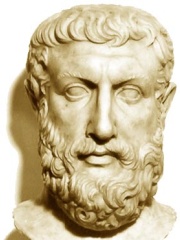
Parmenides
501 BC - 470 BC
HPI: 84.47
Helyezés: 36
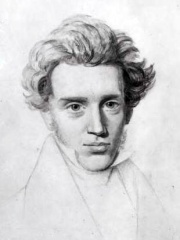
Søren Kierkegaard
1813 - 1855
HPI: 84.47
Helyezés: 37
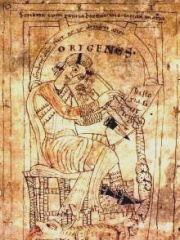
Origen
185 - 254
HPI: 84.46
Helyezés: 38
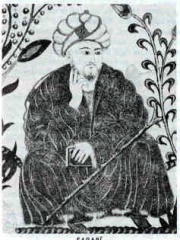
Al-Farabi
872 - 951
HPI: 84.23
Helyezés: 39
Lucretius
94 BC - 55 BC
HPI: 83.96
Helyezés: 40

Rajneesh
1931 - 1990
HPI: 83.75
Helyezés: 41
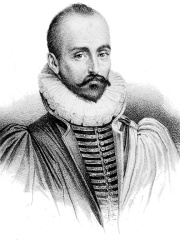
Michel de Montaigne
1533 - 1592
HPI: 83.66
Helyezés: 42

Sun Tzu
544 BC - 496 BC
HPI: 83.60
Helyezés: 43
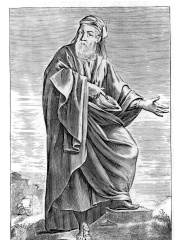
Empedocles
490 BC - 430 BC
HPI: 83.60
Helyezés: 44
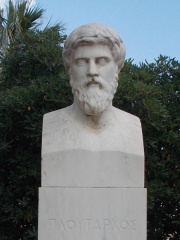
Plutarch
46 - 127
HPI: 83.51
Helyezés: 45
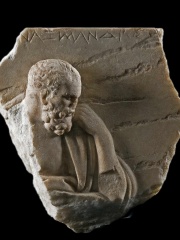
Anaximander
610 BC - 546 BC
HPI: 83.48
Helyezés: 46

Kortársak
A(z) 94 BC. évben születettek között Titus Lucretius Carus a(z) 1. helyen áll. Utána következnek: Emperor Zhao of Han, Clodia Pulchra, Publius Servilius Vatia Isauricus, és Marcus Claudius Marcellus. A(z) 55 BC. évben elhunytak között Titus Lucretius Carus a(z) 1. helyen áll. Utána következnek: Tigranes the Great, Berenice IV of Egypt, és Quintus Caecilius Metellus Nepos.
További személyek, akik a(z) 94 BC. évben születtek
Összes rangsor megtekintéseLucretius
PHILOSOPHER
94 BC - 55 BC
HPI: 83.96
Helyezés: 1

Emperor Zhao of Han
POLITICIAN
94 BC - 74 BC
HPI: 67.80
Helyezés: 2
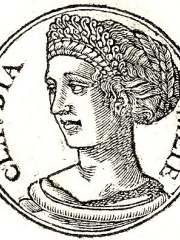
Clodia Pulchra
WRITER
94 BC - 45 BC
HPI: 66.06
Helyezés: 3

Publius Servilius Vatia Isauricus
POLITICIAN
94 BC - 100 BC
HPI: 64.44
Helyezés: 4

Marcus Claudius Marcellus
POLITICIAN
94 BC - 45 BC
HPI: 60.04
Helyezés: 5
További személyek, akik a(z) 55 BC. évben hunytak el
Összes rangsor megtekintéseLucretius
PHILOSOPHER
94 BC - 55 BC
HPI: 83.96
Helyezés: 1
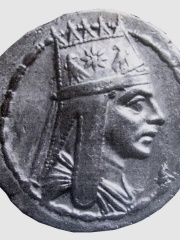
Tigranes the Great
POLITICIAN
140 BC - 55 BC
HPI: 77.29
Helyezés: 2
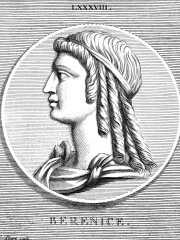
Berenice IV of Egypt
POLITICIAN
77 BC - 55 BC
HPI: 72.89
Helyezés: 3
Quintus Caecilius Metellus Nepos
POLITICIAN
135 BC - 55 BC
HPI: 63.70
Helyezés: 4
A(z) Olaszország rangsorában
A(z) Olaszország területén születettek között Titus Lucretius Carus a(z) 75. helyen áll 5,161 közül. Előtte állnak: Pope Leo XII (1760), Joseph-Louis Lagrange (1736), Lorenzo de' Medici (1449), Titus (41), Mark Antony (-83), és Saint Lucy (283). Utána következnek: Catherine de' Medici (1519), Pope Pius VIII (1761), Vespasian (9), Gioachino Rossini (1792), Domitian (51), és Pope Urban VIII (1568).
További személyek, akik Olaszország területén születtek
Összes rangsor megtekintése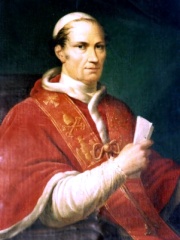
Pope Leo XII
RELIGIOUS FIGURE
1760 - 1829
HPI: 84.18
Helyezés: 69
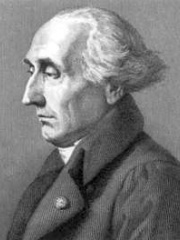
Joseph-Louis Lagrange
MATHEMATICIAN
1736 - 1813
HPI: 84.17
Helyezés: 70
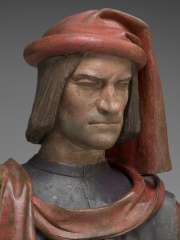
Lorenzo de' Medici
POLITICIAN
1449 - 1492
HPI: 84.14
Helyezés: 71
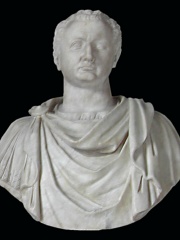
Titus
POLITICIAN
41 - 81
HPI: 84.07
Helyezés: 72
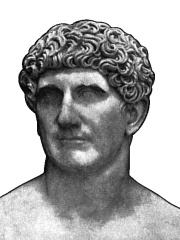
Mark Antony
POLITICIAN
83 BC - 30 BC
HPI: 83.97
Helyezés: 73
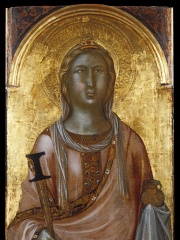
Saint Lucy
RELIGIOUS FIGURE
283 - 304
HPI: 83.96
Helyezés: 74
Lucretius
PHILOSOPHER
94 BC - 55 BC
HPI: 83.96
Helyezés: 75
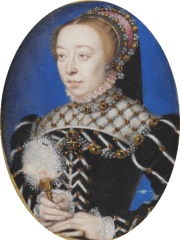
Catherine de' Medici
COMPANION
1519 - 1589
HPI: 83.94
Helyezés: 76
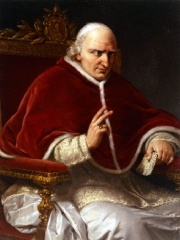
Pope Pius VIII
RELIGIOUS FIGURE
1761 - 1830
HPI: 83.92
Helyezés: 77
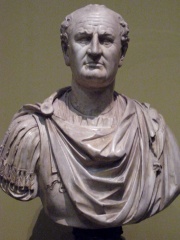
Vespasian
POLITICIAN
9 - 79
HPI: 83.91
Helyezés: 78
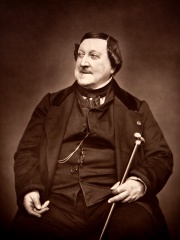
Gioachino Rossini
COMPOSER
1792 - 1868
HPI: 83.90
Helyezés: 79
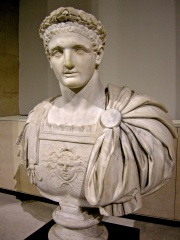
Domitian
POLITICIAN
51 - 96
HPI: 83.71
Helyezés: 80
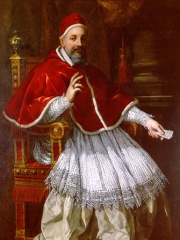
Pope Urban VIII
RELIGIOUS FIGURE
1568 - 1644
HPI: 83.69
Helyezés: 81
A(z) Filozófus között – Olaszország
A(z) Olaszország területén született Filozófus között Titus Lucretius Carus a(z) 5. helyen áll. Előtte állnak: Niccolò Machiavelli (1469), Thomas Aquinas (1225), Maria Montessori (1870), és Parmenides (-501). Utána következnek: Empedocles (-490), Zeno of Elea (-490), Antonio Gramsci (1891), Pliny the Elder (23), Giovanni Pico della Mirandola (1463), Boethius (480), és Bonaventure (1221).
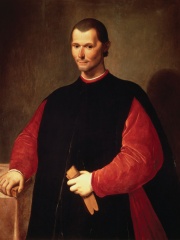
Niccolò Machiavelli
1469 - 1527
HPI: 90.45
Helyezés: 1
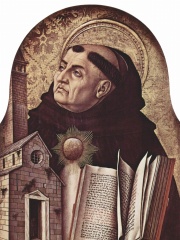
Thomas Aquinas
1225 - 1274
HPI: 88.70
Helyezés: 2
Maria Montessori
1870 - 1952
HPI: 84.59
Helyezés: 3
Parmenides
501 BC - 470 BC
HPI: 84.47
Helyezés: 4
Lucretius
94 BC - 55 BC
HPI: 83.96
Helyezés: 5
Empedocles
490 BC - 430 BC
HPI: 83.60
Helyezés: 6

Zeno of Elea
490 BC - 425 BC
HPI: 81.64
Helyezés: 7
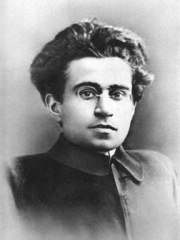
Antonio Gramsci
1891 - 1937
HPI: 80.94
Helyezés: 8
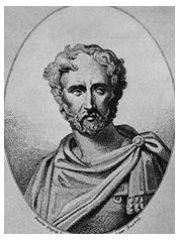
Pliny the Elder
23 - 79
HPI: 80.68
Helyezés: 9
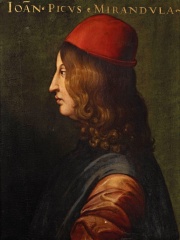
Giovanni Pico della Mirandola
1463 - 1494
HPI: 79.56
Helyezés: 10

Boethius
480 - 525
HPI: 78.53
Helyezés: 11
Bonaventure
1221 - 1274
HPI: 77.62
Helyezés: 12




