Personnalité religieuse
Mani (prophète)
216 - 274
FR.WIKIPEDIA PAGE VIEWS (PV)
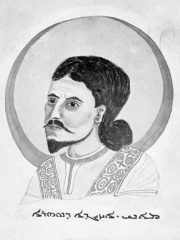
 Mani (prophète)
Sa biographie est disponible en 69 langues sur Wikipédia (en hausse par rapport à 67 en 2024). Mani (prophète) est le 268th personnalité religieuse le plus populaire (en baisse du 144th en 2024), la 17th biographie la plus populaire d'Irak (en baisse du 14th en 2019), ainsi que le 5th personnalité religieuse d'Irak le plus populaire.
Memorability Metrics
320k
Page Views
Past 12 months
78.43
HPI
Historical Popularity Index
Page views of Mani (prophète) by language
Among Personnalité religieuses
Among personnalité religieuses, Mani (prophète) ranks 268 out of 3,187. Before him are John of Nepomuk, Zechariah, Pope Leo IV, Pope Paul II, Pope Innocent IV, and Pope Celestine IV. After him are Vitus, Anna the Prophetess, Saint Christopher, Pope Eugene I, Pope Cornelius, and Pope Gregory V.
Most Popular Personnalité Religieuses in Wikipedia
Go to all Rankings

John of Nepomuk
1350 - 1393
HPI: 78.59
Rank: 262

Zechariah
550 BC - 401 BC
HPI: 78.56
Rank: 263
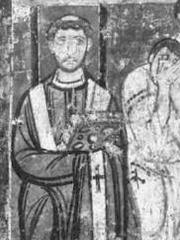
Pope Leo IV
790 - 855
HPI: 78.52
Rank: 264
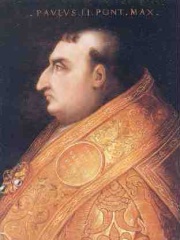
Pope Paul II
1417 - 1471
HPI: 78.50
Rank: 265

Pope Innocent IV
1195 - 1254
HPI: 78.50
Rank: 266
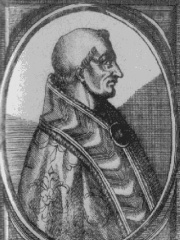
Pope Celestine IV
1200 - 1241
HPI: 78.49
Rank: 267
Mani
216 - 274
HPI: 78.43
Rank: 268
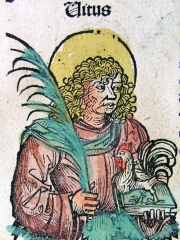
Vitus
290 - 303
HPI: 78.41
Rank: 269

Anna the Prophetess
90 BC - 100
HPI: 78.40
Rank: 270

Saint Christopher
220 - 300
HPI: 78.38
Rank: 271
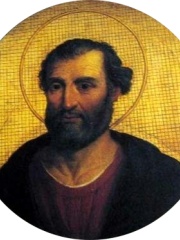
Pope Eugene I
600 - 657
HPI: 78.33
Rank: 272
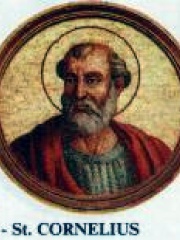
Pope Cornelius
200 - 253
HPI: 78.25
Rank: 273
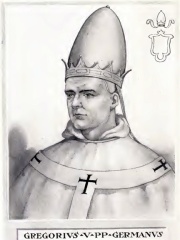
Pope Gregory V
972 - 999
HPI: 78.20
Rank: 274

Contemporaries
Among people born in 216, Mani (prophète) ranks 1. After him is Gaius Julius Verus Maximus. Among people deceased in 274, Mani (prophète) ranks 2. Before him is Pope Felix I. After him are Tetricus I, Cao Fang, and Tetricus II.
Others Born in 216
Go to all RankingsMani
RELIGIOUS FIGURE
216 - 274
HPI: 78.43
Rank: 1

Gaius Julius Verus Maximus
POLITICIAN
216 - 238
HPI: 63.63
Rank: 2
Others Deceased in 274
Go to all Rankings
Pope Felix I
RELIGIOUS FIGURE
300 - 274
HPI: 79.01
Rank: 1
Mani
RELIGIOUS FIGURE
216 - 274
HPI: 78.43
Rank: 2
Tetricus I
POLITICIAN
250 - 274
HPI: 68.73
Rank: 3

Cao Fang
POLITICIAN
232 - 274
HPI: 68.32
Rank: 4
Tetricus II
POLITICIAN
300 - 274
HPI: 63.62
Rank: 5
In Irak
Among people born in Irak, Mani (prophète) ranks 17 out of NaN. Before him are Sarah (-1803), Rabia of Basra (710), Al-Masudi (896), Sargon of Akkad (-2300), Fuzûlî (1494), and Zaha Hadid (1950). After him are Nur ad-Din (1116), Ahmad ibn Hanbal (780), Ezra (-500), Nebuchadnezzar I (-1200), Al-Ma'mun (786), and Alexander IV of Macedon (-323).
Others born in Irak
Go to all Rankings
Sarah
RELIGIOUS FIGURE
1803 BC - 1676 BC
HPI: 79.84
Rank: 11

Rabia of Basra
RELIGIOUS FIGURE
710 - 801
HPI: 78.81
Rank: 12
Al-Masudi
WRITER
896 - 956
HPI: 78.74
Rank: 13
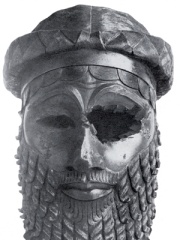
Sargon of Akkad
POLITICIAN
2300 BC - 2215 BC
HPI: 78.68
Rank: 14
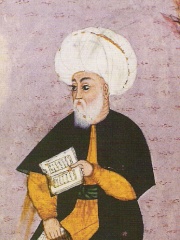
Fuzûlî
WRITER
1494 - 1556
HPI: 78.46
Rank: 15

Zaha Hadid
ARCHITECT
1950 - 2016
HPI: 78.46
Rank: 16
Mani
RELIGIOUS FIGURE
216 - 274
HPI: 78.43
Rank: 17
Nur ad-Din
POLITICIAN
1116 - 1174
HPI: 78.41
Rank: 18

Ahmad ibn Hanbal
WRITER
780 - 855
HPI: 78.16
Rank: 19
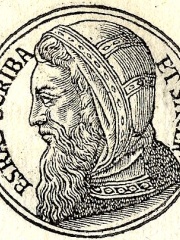
Ezra
RELIGIOUS FIGURE
500 BC - 401 BC
HPI: 77.65
Rank: 20
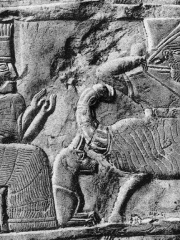
Nebuchadnezzar I
POLITICIAN
1200 BC - 1104 BC
HPI: 77.32
Rank: 21
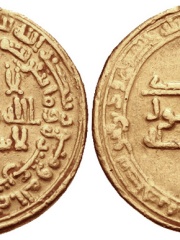
Al-Ma'mun
POLITICIAN
786 - 833
HPI: 77.32
Rank: 22
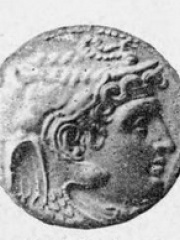
Alexander IV of Macedon
POLITICIAN
323 BC - 309 BC
HPI: 76.94
Rank: 23
Among Personnalité religieuses In Irak
Among personnalité religieuses born in Irak, Mani (prophète) ranks 5. Before him are Abraham (-1813), Abu Hanifa (698), Sarah (-1803), and Rabia of Basra (710). After him are Ezra (-500), Muhammad al-Mahdi (869), Belshazzar (-600), Eber (-2038), Junayd of Baghdad (830), Louis Raphaël I Sako (1948), and Ibn Hisham (701).

Abraham
1813 BC - 1638 BC
HPI: 89.99
Rank: 1

Abu Hanifa
698 - 767
HPI: 83.39
Rank: 2
Sarah
1803 BC - 1676 BC
HPI: 79.84
Rank: 3
Rabia of Basra
710 - 801
HPI: 78.81
Rank: 4
Mani
216 - 274
HPI: 78.43
Rank: 5
Ezra
500 BC - 401 BC
HPI: 77.65
Rank: 6
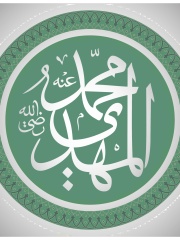
Muhammad al-Mahdi
869 - 941
HPI: 76.87
Rank: 7

Belshazzar
600 BC - 600 BC
HPI: 75.54
Rank: 8
Eber
2038 BC - 1574 BC
HPI: 74.57
Rank: 9
Junayd of Baghdad
830 - 910
HPI: 71.53
Rank: 10
Louis Raphaël I Sako
1948 - Present
HPI: 70.61
Rank: 11

Ibn Hisham
701 - 833
HPI: 70.58
Rank: 12




