Politicien
Djaghataï (khan)
1183 - 1242
FR.WIKIPEDIA PAGE VIEWS (PV)
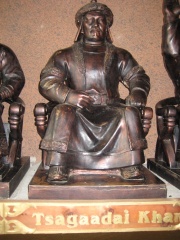
 Djaghataï (khan)
Sa biographie est disponible en 64 langues sur Wikipédia (en hausse par rapport à 63 en 2024). Djaghataï (khan) est le 487th politicien le plus populaire (en baisse du 302nd en 2024), la 5th biographie la plus populaire de Mongolie, ainsi que le 3rd politicien de Mongolie le plus populaire.
Memorability Metrics
330k
Page Views
Past 12 months
79.21
HPI
Historical Popularity Index
Page views of Djaghataï (khan) by language
Among Politiciens
Among politiciens, Djaghataï (khan) ranks 487 out of 19,576. Before him are Matthias Corvinus, Kanishka, Scorpion II, Geoffrey Plantagenet, Count of Anjou, Amin al-Husseini, and Guy of Lusignan. After him are Michael I of Romania, Ertuğrul, Caesarion, Frederick III, German Emperor, Archduchess Gisela of Austria, and Ptolemy XIV of Egypt.
Most Popular Politiciens in Wikipedia
Go to all Rankings
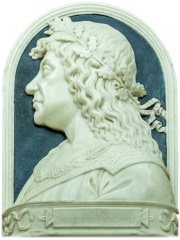
Matthias Corvinus
1443 - 1490
HPI: 79.23
Rank: 481
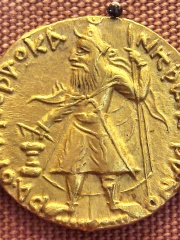
Kanishka
78 - 144
HPI: 79.23
Rank: 482
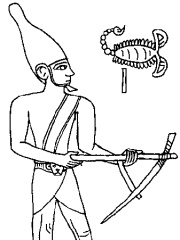
Scorpion II
3500 BC - Present
HPI: 79.23
Rank: 483
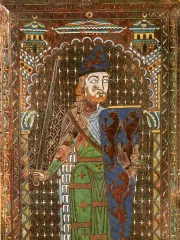
Geoffrey Plantagenet, Count of Anjou
1113 - 1151
HPI: 79.23
Rank: 484
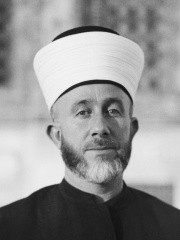
Amin al-Husseini
1895 - 1974
HPI: 79.22
Rank: 485
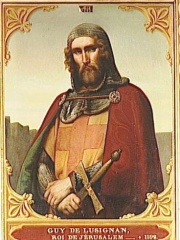
Guy of Lusignan
1150 - 1194
HPI: 79.22
Rank: 486
Chagatai Khan
1183 - 1242
HPI: 79.21
Rank: 487

Michael I of Romania
1921 - 2017
HPI: 79.19
Rank: 488
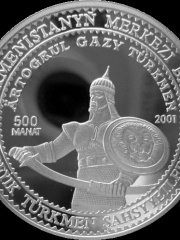
Ertuğrul
1198 - 1281
HPI: 79.18
Rank: 489
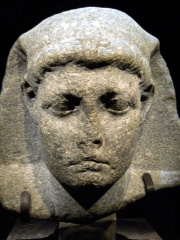
Caesarion
47 BC - 30 BC
HPI: 79.18
Rank: 490
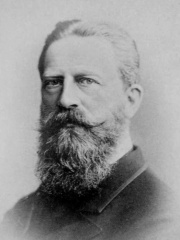
Frederick III, German Emperor
1831 - 1888
HPI: 79.16
Rank: 491
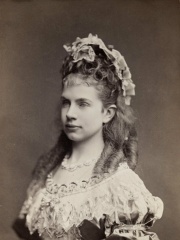
Archduchess Gisela of Austria
1856 - 1932
HPI: 79.16
Rank: 492
Ptolemy XIV of Egypt
60 BC - 44 BC
HPI: 79.15
Rank: 493

Contemporaries
Among people born in 1183, Djaghataï (khan) ranks 1. After him are Hōjō Yasutoki, Qul Ghali, and Philippa of Armenia. Among people deceased in 1242, Djaghataï (khan) ranks 1. After him are Henry of Germany, Al-Mustansir, Emperor Juntoku, Emperor Shijō, Abd al-Wahid II, Muhammad Aufi, Archambaud VIII of Bourbon, Hōjō Yasutoki, Garsenda, Countess of Forcalquier, and Muiz ud din Bahram.
Others Born in 1183
Go to all RankingsChagatai Khan
POLITICIAN
1183 - 1242
HPI: 79.21
Rank: 1
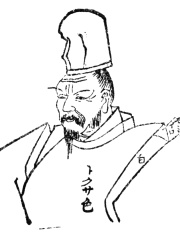
Hōjō Yasutoki
POLITICIAN
1183 - 1242
HPI: 59.46
Rank: 2
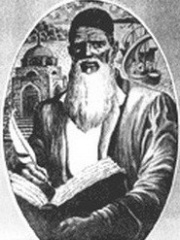
Qul Ghali
WRITER
1183 - 1236
HPI: 58.17
Rank: 3
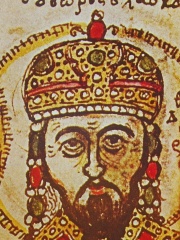
Philippa of Armenia
POLITICIAN
1183 - 1210
HPI: 50.95
Rank: 4
Others Deceased in 1242
Go to all RankingsChagatai Khan
POLITICIAN
1183 - 1242
HPI: 79.21
Rank: 1
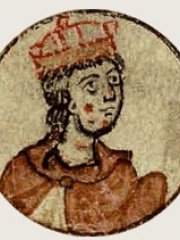
Henry of Germany
POLITICIAN
1211 - 1242
HPI: 72.65
Rank: 2
Al-Mustansir
POLITICIAN
1192 - 1242
HPI: 66.86
Rank: 3
Emperor Juntoku
POLITICIAN
1197 - 1242
HPI: 65.69
Rank: 4
Emperor Shijō
POLITICIAN
1231 - 1242
HPI: 62.68
Rank: 5

Abd al-Wahid II
POLITICIAN
1200 - 1242
HPI: 60.56
Rank: 6

Muhammad Aufi
HISTORIAN
1171 - 1242
HPI: 60.32
Rank: 7

Archambaud VIII of Bourbon
NOBLEMAN
1189 - 1242
HPI: 60.10
Rank: 8
Hōjō Yasutoki
POLITICIAN
1183 - 1242
HPI: 59.46
Rank: 9
Garsenda, Countess of Forcalquier
WRITER
1170 - 1242
HPI: 57.82
Rank: 10
Muiz ud din Bahram
POLITICIAN
HPI: 53.85
Rank: 11
In Mongolie
Among people born in Mongolie, Djaghataï (khan) ranks 5 out of NaN. Before him are Genghis Khan (1162), Hulagu Khan (1217), Jochi (1181), and Batu Khan (1207). After him are Tolui (1191), Subutai (1175), Modu Chanyu (-234), Berke (1209), Börte (1161), Ariq Böke (1219), and Abaqa Khan (1234).
Others born in Mongolie
Go to all Rankings
Genghis Khan
MILITARY PERSONNEL
1162 - 1227
HPI: 98.43
Rank: 1
Hulagu Khan
POLITICIAN
1217 - 1265
HPI: 84.69
Rank: 2
Jochi
MILITARY PERSONNEL
1181 - 1227
HPI: 81.23
Rank: 3
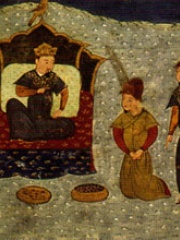
Batu Khan
POLITICIAN
1207 - 1255
HPI: 81.22
Rank: 4
Chagatai Khan
POLITICIAN
1183 - 1242
HPI: 79.21
Rank: 5
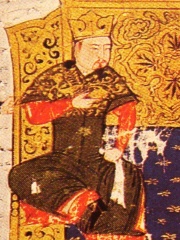
Tolui
POLITICIAN
1191 - 1232
HPI: 79.05
Rank: 6
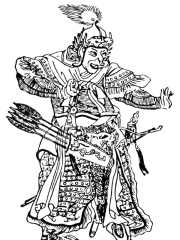
Subutai
MILITARY PERSONNEL
1175 - 1248
HPI: 75.70
Rank: 7
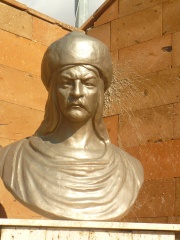
Modu Chanyu
POLITICIAN
234 BC - 174 BC
HPI: 75.23
Rank: 8
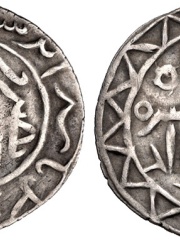
Berke
POLITICIAN
1209 - 1266
HPI: 75.07
Rank: 9
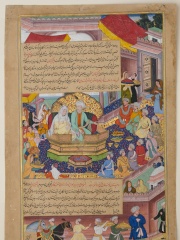
Börte
POLITICIAN
1161 - 1230
HPI: 74.50
Rank: 10
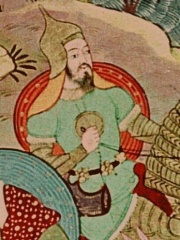
Ariq Böke
POLITICIAN
1219 - 1266
HPI: 73.98
Rank: 11
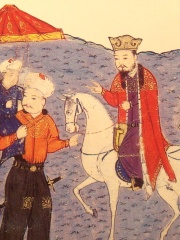
Abaqa Khan
POLITICIAN
1234 - 1282
HPI: 73.66
Rank: 12
Among Politiciens In Mongolie
Among politiciens born in Mongolie, Djaghataï (khan) ranks 3. Before him are Hulagu Khan (1217), and Batu Khan (1207). After him are Tolui (1191), Modu Chanyu (-234), Berke (1209), Börte (1161), Ariq Böke (1219), Abaqa Khan (1234), Toghrul (1130), Jebe (1137), and Damdin Sükhbaatar (1893).
Hulagu Khan
1217 - 1265
HPI: 84.69
Rank: 1
Batu Khan
1207 - 1255
HPI: 81.22
Rank: 2
Chagatai Khan
1183 - 1242
HPI: 79.21
Rank: 3
Tolui
1191 - 1232
HPI: 79.05
Rank: 4
Modu Chanyu
234 BC - 174 BC
HPI: 75.23
Rank: 5
Berke
1209 - 1266
HPI: 75.07
Rank: 6
Börte
1161 - 1230
HPI: 74.50
Rank: 7
Ariq Böke
1219 - 1266
HPI: 73.98
Rank: 8
Abaqa Khan
1234 - 1282
HPI: 73.66
Rank: 9
Toghrul
1130 - 1203
HPI: 72.19
Rank: 10

Jebe
1137 - 1225
HPI: 71.90
Rank: 11
Damdin Sükhbaatar
1893 - 1923
HPI: 70.61
Rank: 12




