Psychologue
Carl Gustav Jung
1875 - 1961
PAGES VUES SUR FR.WIKIPEDIA (PV)
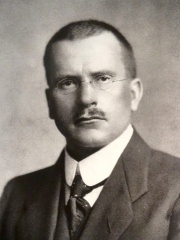
 Carl Gustav Jung
Sa biographie est disponible en 110 langues sur Wikipédia (en hausse par rapport à 107 en 2024). Carl Gustav Jung est le 2nd psychologue le plus populaire, la 4th biographie la plus populaire de Suisse (en hausse du 6th en 2019), ainsi que le psychologue de Suisse le plus populaire.
Indicateurs de mémorabilité
3.1M
Pages vues
12 derniers mois
85.60
HPI
Indice de popularité historique
Faits marquants
#4 / 1,198
Carl Gustav Jung se classe n° 4 parmi les 1,198 personnalités de Pantheon nées en Suisse, dans le top 1 % de ce groupe.
110
La biographie de Carl Gustav Jung figure dans 110 éditions linguistiques de Wikipédia, plus que 99 % de l'ensemble des Psychologue.
+117
Carl Gustav Jung a gagné 117 places au classement HPI mondial de Pantheon, passant du n° 484 au n° 367.
Pages vues de Carl Gustav Jung par langue
Parmi les Psychologue
Parmi les Psychologue, Carl Gustav Jung occupe le rang 2 sur 243. Avant lui vient Sigmund Freud. Après lui viennent Jean Piaget, Erich Fromm, Alfred Adler, Abraham Maslow, Wilhelm Wundt, Lev Vygotsky, Jacques Lacan, Viktor Frankl, Erik Erikson, et John Dewey.
Psychologue les plus populaires sur Wikipédia
Voir tous les classements
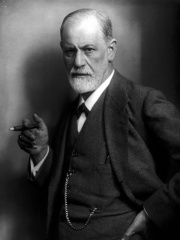
Sigmund Freud
1856 - 1939
HPI : 91.09
Rang : 1
Carl Jung
1875 - 1961
HPI : 85.60
Rang : 2
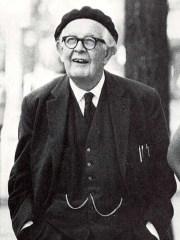
Jean Piaget
1896 - 1980
HPI : 82.27
Rang : 3
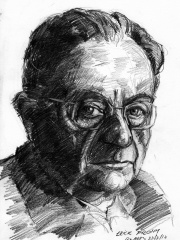
Erich Fromm
1900 - 1980
HPI : 81.27
Rang : 4
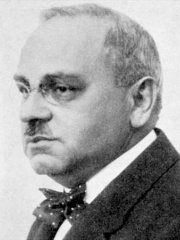
Alfred Adler
1870 - 1937
HPI : 81.23
Rang : 5
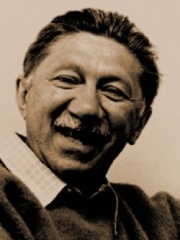
Abraham Maslow
1908 - 1970
HPI : 80.93
Rang : 6
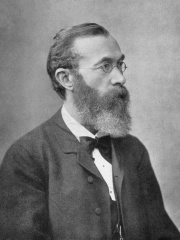
Wilhelm Wundt
1832 - 1920
HPI : 80.54
Rang : 7
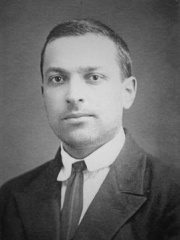
Lev Vygotsky
1896 - 1934
HPI : 80.34
Rang : 8
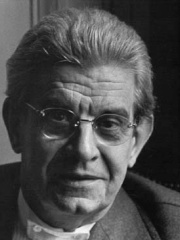
Jacques Lacan
1901 - 1981
HPI : 80.10
Rang : 9
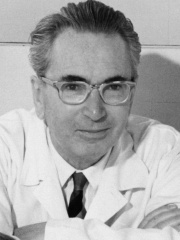
Viktor Frankl
1905 - 1997
HPI : 79.30
Rang : 10
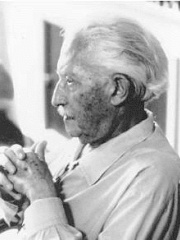
Erik Erikson
1902 - 1994
HPI : 78.99
Rang : 11
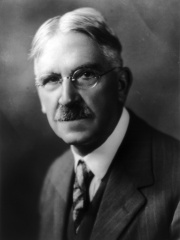
John Dewey
1859 - 1952
HPI : 78.90
Rang : 12

Contemporains
Parmi les personnes nées en 1875, Carl Gustav Jung occupe le rang 1. Après lui viennent Thomas Mann, Maurice Ravel, Aleister Crowley, Vallabhbhai Patel, Syngman Rhee, Rainer Maria Rilke, Albert Schweitzer, D. W. Griffith, Ibn Saud, Ferdinand Porsche, et Jeanne Calment. Parmi les personnes décédées en 1961, Carl Gustav Jung occupe le rang 1. Après lui viennent Ernest Hemingway, Erwin Schrödinger, Zog I of Albania, Dag Hammarskjöld, Patrice Lumumba, Louis-Ferdinand Céline, Emily Greene Balch, Lee de Forest, Jules Bordet, Gary Cooper, et Percy Williams Bridgman.
Autres personnes nées en 1875
Voir tous les classementsCarl Jung
PSYCHOLOGIST
1875 - 1961
HPI : 85.60
Rang : 1
Thomas Mann
WRITER
1875 - 1955
HPI : 83.34
Rang : 2
Maurice Ravel
COMPOSER
1875 - 1937
HPI : 83.16
Rang : 3

Aleister Crowley
OCCULTIST
1875 - 1947
HPI : 83.14
Rang : 4
Vallabhbhai Patel
POLITICIAN
1875 - 1950
HPI : 82.30
Rang : 5
Syngman Rhee
POLITICIAN
1875 - 1965
HPI : 81.11
Rang : 6
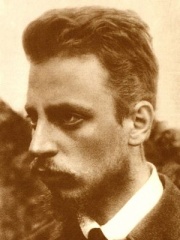
Rainer Maria Rilke
WRITER
1875 - 1926
HPI : 80.94
Rang : 7
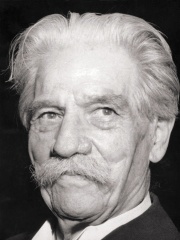
Albert Schweitzer
PHYSICIAN
1875 - 1965
HPI : 80.49
Rang : 8
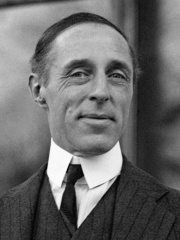
D. W. Griffith
FILM DIRECTOR
1875 - 1948
HPI : 79.78
Rang : 9
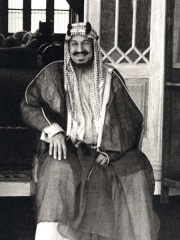
Ibn Saud
POLITICIAN
1875 - 1953
HPI : 79.58
Rang : 10
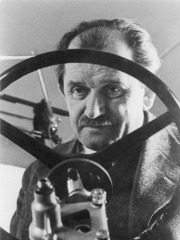
Ferdinand Porsche
DESIGNER
1875 - 1951
HPI : 78.49
Rang : 11
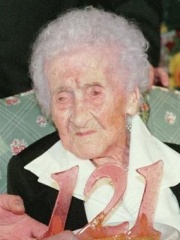
Jeanne Calment
CELEBRITY
1875 - 1997
HPI : 78.45
Rang : 12
Autres personnes décédées en 1961
Voir tous les classementsCarl Jung
PSYCHOLOGIST
1875 - 1961
HPI : 85.60
Rang : 1
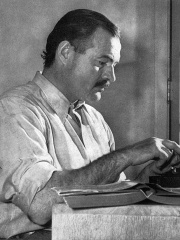
Ernest Hemingway
WRITER
1899 - 1961
HPI : 84.99
Rang : 2
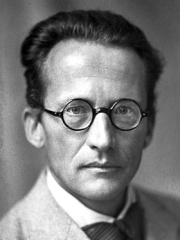
Erwin Schrödinger
PHYSICIST
1887 - 1961
HPI : 84.23
Rang : 3
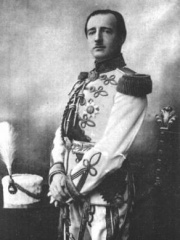
Zog I of Albania
POLITICIAN
1895 - 1961
HPI : 80.61
Rang : 4
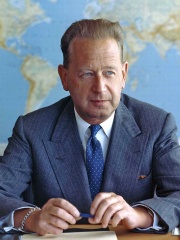
Dag Hammarskjöld
DIPLOMAT
1905 - 1961
HPI : 79.85
Rang : 5
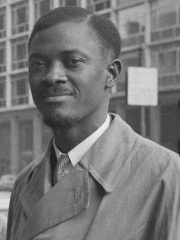
Patrice Lumumba
POLITICIAN
1925 - 1961
HPI : 78.45
Rang : 6
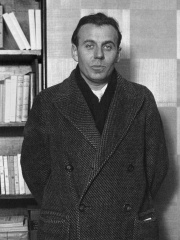
Louis-Ferdinand Céline
WRITER
1894 - 1961
HPI : 77.61
Rang : 7
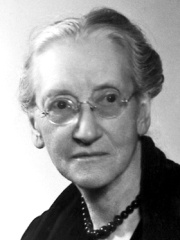
Emily Greene Balch
SOCIAL ACTIVIST
1867 - 1961
HPI : 77.27
Rang : 8
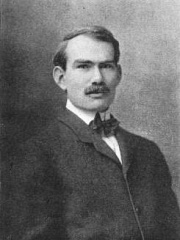
Lee de Forest
INVENTOR
1873 - 1961
HPI : 76.60
Rang : 9
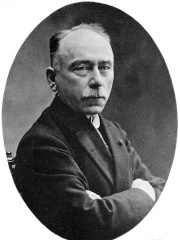
Jules Bordet
BIOLOGIST
1870 - 1961
HPI : 76.46
Rang : 10
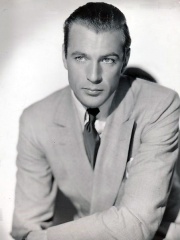
Gary Cooper
ACTOR
1901 - 1961
HPI : 76.38
Rang : 11
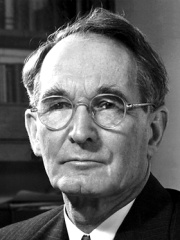
Percy Williams Bridgman
PHYSICIST
1882 - 1961
HPI : 76.05
Rang : 12
En Suisse
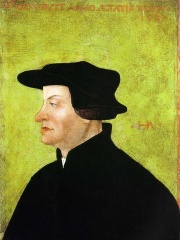
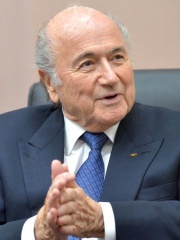
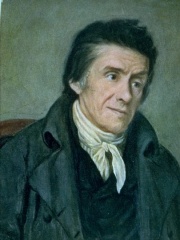
Parmi les personnes nées en Suisse, Carl Gustav Jung occupe le rang 4 sur 1,198. Avant lui viennent Jean-Jacques Rousseau (1712), Leonhard Euler (1707), et Le Corbusier (1887). Après lui viennent Paracelsus (1493), Henry Dunant (1828), Jean Piaget (1896), Ferdinand de Saussure (1857), Jacob Bernoulli (1654), Huldrych Zwingli (1484), Sepp Blatter (1936), et Johann Heinrich Pestalozzi (1746).
Autres personnes nées en Suisse
Voir tous les classements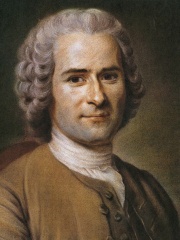
Jean-Jacques Rousseau
PHILOSOPHER
1712 - 1778
HPI : 91.27
Rang : 1
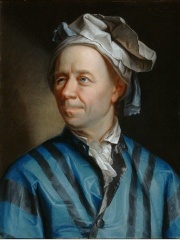
Leonhard Euler
MATHEMATICIAN
1707 - 1783
HPI : 87.60
Rang : 2
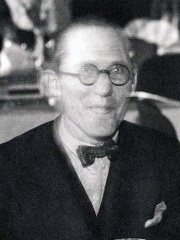
Le Corbusier
ARCHITECT
1887 - 1965
HPI : 86.85
Rang : 3
Carl Jung
PSYCHOLOGIST
1875 - 1961
HPI : 85.60
Rang : 4
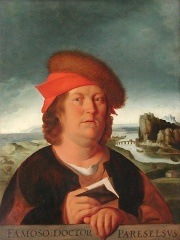
Paracelsus
PHYSICIAN
1493 - 1541
HPI : 85.08
Rang : 5
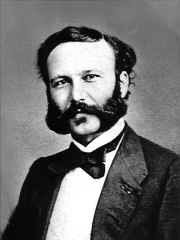
Henry Dunant
SOCIAL ACTIVIST
1828 - 1910
HPI : 83.32
Rang : 6
Jean Piaget
PSYCHOLOGIST
1896 - 1980
HPI : 82.27
Rang : 7
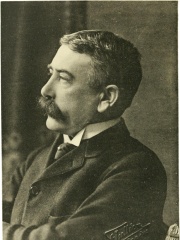
Ferdinand de Saussure
LINGUIST
1857 - 1913
HPI : 82.09
Rang : 8
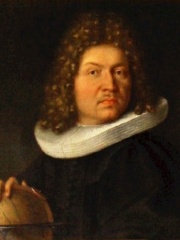
Jacob Bernoulli
MATHEMATICIAN
1654 - 1705
HPI : 81.66
Rang : 9
Huldrych Zwingli
RELIGIOUS FIGURE
1484 - 1531
HPI : 81.35
Rang : 10
Sepp Blatter
BUSINESSPERSON
1936 - présent
HPI : 80.94
Rang : 11
Johann Heinrich Pestalozzi
SOCIAL ACTIVIST
1746 - 1827
HPI : 80.39
Rang : 12
Parmi les Psychologue en Suisse
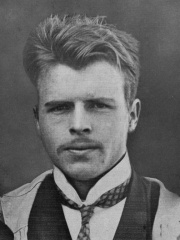
Parmi les Psychologue nés en Suisse, Carl Gustav Jung occupe le rang 1. Après lui viennent Jean Piaget (1896), Hermann Rorschach (1884), Ludwig Binswanger (1881), Auguste Forel (1848), Édouard Claparède (1873), Edgar Schein (1928), Otto Binswanger (1852), et Théodore Flournoy (1854).
Carl Jung
1875 - 1961
HPI : 85.60
Rang : 1
Jean Piaget
1896 - 1980
HPI : 82.27
Rang : 2
Hermann Rorschach
1884 - 1922
HPI : 72.22
Rang : 3
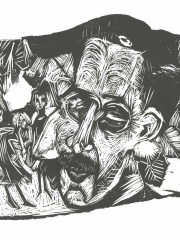
Ludwig Binswanger
1881 - 1966
HPI : 66.82
Rang : 4
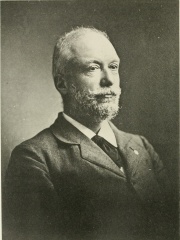
Auguste Forel
1848 - 1931
HPI : 66.27
Rang : 5
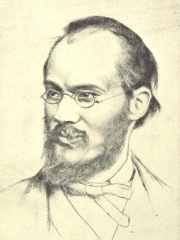
Édouard Claparède
1873 - 1940
HPI : 64.32
Rang : 6

Edgar Schein
1928 - 2023
HPI : 58.89
Rang : 7
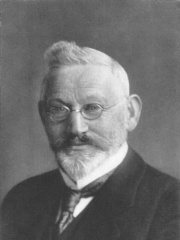
Otto Binswanger
1852 - 1929
HPI : 58.30
Rang : 8
Théodore Flournoy
1854 - 1920
HPI : 56.99
Rang : 9




