Figura religiosa
Saint Remigius
437 - 533
VISITAS EN ES.WIKIPEDIA (PV)
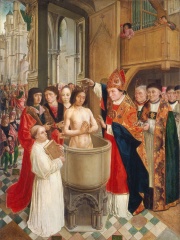
 Saint Remigius
Su biografía está disponible en 33 idiomas en Wikipedia (aumentó de 32 en 2024). Saint Remigius ocupa el puesto 740 entre los figura religiosa más populares (bajó del puesto 672 en 2024), el puesto 891 entre las biografías más populares de Francia (bajó del puesto 803 en 2019) y el puesto 47 entre los figura religiosa de francia más populares.
Métricas de memorabilidad
77k
Visitas
Últimos 12 meses
70.12
HPI
Índice de Popularidad Histórica
Visitas a la página de Saint Remigius por idioma
Entre Figura religiosa
Entre Figura religiosa, Saint Remigius ocupa el puesto 740 de 3,187. Antes de él están Al-Suyuti, Robert of Molesme, John Mott, Nahor, son of Serug, Benkei, y Mordecai. Después de él están Olaus Magnus, Matteo Zuppi, Pope Shenouda III of Alexandria, Juliana of Nicomedia, Theophilus of Antioch, y Eleazar.
Figura religiosa más populares en Wikipedia
Ver todas las clasificaciones

Al-Suyuti
1445 - 1505
HPI: 70.22
Puesto: 734
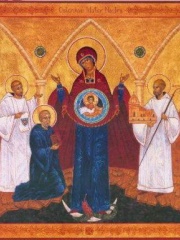
Robert of Molesme
1024 - 1111
HPI: 70.19
Puesto: 735
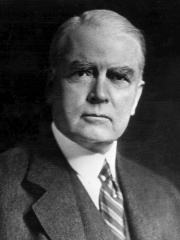
John Mott
1865 - 1955
HPI: 70.17
Puesto: 736
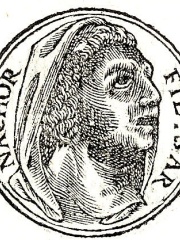
Nahor, son of Serug
1912 BC - 1764 BC
HPI: 70.15
Puesto: 737

Benkei
1155 - 1189
HPI: 70.14
Puesto: 738

Mordecai
HPI: 70.14
Puesto: 739
Saint Remigius
437 - 533
HPI: 70.12
Puesto: 740

Olaus Magnus
1490 - 1557
HPI: 70.10
Puesto: 741
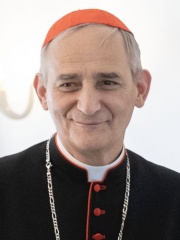
Matteo Zuppi
1955 - presente
HPI: 70.05
Puesto: 742
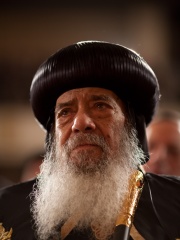
Pope Shenouda III of Alexandria
1923 - 2012
HPI: 70.03
Puesto: 743
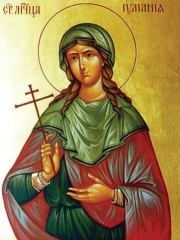
Juliana of Nicomedia
285 - 304
HPI: 70.03
Puesto: 744
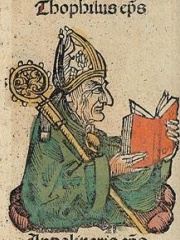
Theophilus of Antioch
140 - 183
HPI: 69.99
Puesto: 745
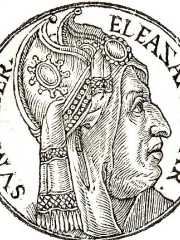
Eleazar
1192 BC - 1100 BC
HPI: 69.99
Puesto: 746

Contemporáneos
Entre las personas nacidas en 437, Saint Remigius ocupa el puesto 1. Entre las personas fallecidas en 533, Saint Remigius ocupa el puesto 1. Después de él están Hilderic, Fulgentius of Ruspe, Eugippius, y Mihirakula.
Otras personas nacidas en 437
Ver todas las clasificacionesOtras personas fallecidas en 533
Ver todas las clasificacionesSaint Remigius
RELIGIOUS FIGURE
437 - 533
HPI: 70.12
Puesto: 1
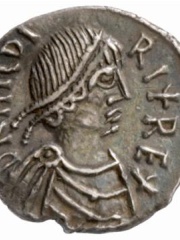
Hilderic
POLITICIAN
460 - 533
HPI: 67.89
Puesto: 2
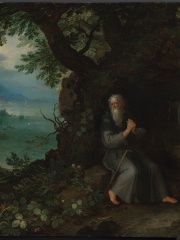
Fulgentius of Ruspe
RELIGIOUS FIGURE
468 - 533
HPI: 64.74
Puesto: 3

Eugippius
WRITER
460 - 533
HPI: 55.80
Puesto: 4
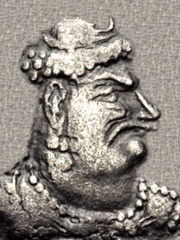
Mihirakula
POLITICIAN
500 - 533
HPI: 53.09
Puesto: 5
En Francia
Entre las personas nacidas en Francia, Saint Remigius ocupa el puesto 891 de NaN. Antes de él están Louis the Blind (880), Ferdinand Cheval (1836), Vincent Cassel (1966), Jacques Pierre Brissot (1754), Sigismund of Burgundy (500), y Frédéric Bastiat (1801). Después de él están Edmond de Goncourt (1822), Emmanuelle Riva (1927), Prince Philippe, Count of Paris (1838), Jean-Pierre Cassel (1932), François Achille Bazaine (1811), y Paul Mauriat (1925).
Otras personas nacidas en Francia
Ver todas las clasificaciones
Louis the Blind
POLITICIAN
880 - 928
HPI: 70.15
Puesto: 885
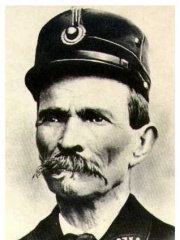
Ferdinand Cheval
ARCHITECT
1836 - 1924
HPI: 70.13
Puesto: 886

Vincent Cassel
ACTOR
1966 - presente
HPI: 70.12
Puesto: 887
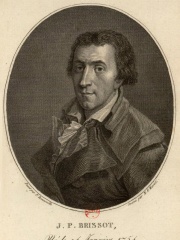
Jacques Pierre Brissot
POLITICIAN
1754 - 1793
HPI: 70.12
Puesto: 888
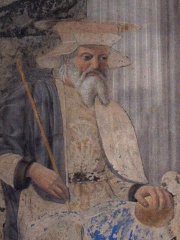
Sigismund of Burgundy
POLITICIAN
500 - 524
HPI: 70.12
Puesto: 889
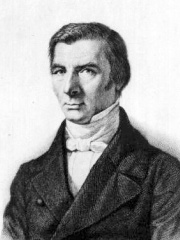
Frédéric Bastiat
ECONOMIST
1801 - 1850
HPI: 70.12
Puesto: 890
Saint Remigius
RELIGIOUS FIGURE
437 - 533
HPI: 70.12
Puesto: 891
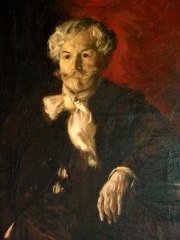
Edmond de Goncourt
WRITER
1822 - 1896
HPI: 70.11
Puesto: 892

Emmanuelle Riva
ACTOR
1927 - 2017
HPI: 70.06
Puesto: 893
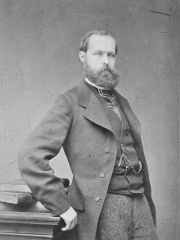
Prince Philippe, Count of Paris
POLITICIAN
1838 - 1894
HPI: 70.05
Puesto: 894
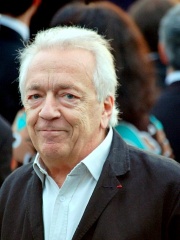
Jean-Pierre Cassel
ACTOR
1932 - 2007
HPI: 70.04
Puesto: 895
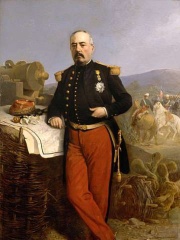
François Achille Bazaine
MILITARY PERSONNEL
1811 - 1888
HPI: 70.02
Puesto: 896
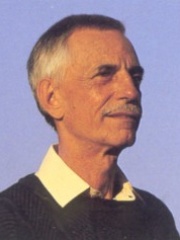
Paul Mauriat
MUSICIAN
1925 - 2006
HPI: 70.01
Puesto: 897
Entre Figura religiosa en Francia
Entre Figura religiosa nacidos en Francia, Saint Remigius ocupa el puesto 47. Antes de él están Peter Waldo (1140), Louis de Montfort (1673), Jean Meslier (1664), Catherine Labouré (1806), Ivo of Kermartin (1253), y Robert of Molesme (1024). Después de él están Célestin Freinet (1896), Martin Bucer (1491), Victor of Aveyron (1793), Lucile Randon (1904), Philipp Spener (1635), y Roger Etchegaray (1922).
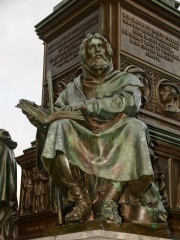
Peter Waldo
1140 - 1205
HPI: 71.06
Puesto: 41
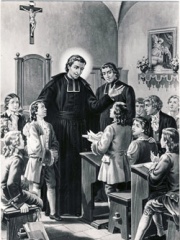
Louis de Montfort
1673 - 1716
HPI: 70.91
Puesto: 42
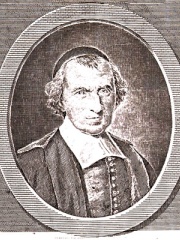
Jean Meslier
1664 - 1729
HPI: 70.80
Puesto: 43
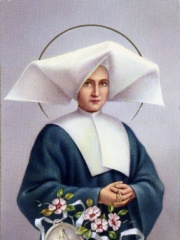
Catherine Labouré
1806 - 1876
HPI: 70.80
Puesto: 44

Ivo of Kermartin
1253 - 1303
HPI: 70.46
Puesto: 45
Robert of Molesme
1024 - 1111
HPI: 70.19
Puesto: 46
Saint Remigius
437 - 533
HPI: 70.12
Puesto: 47

Célestin Freinet
1896 - 1966
HPI: 69.91
Puesto: 48
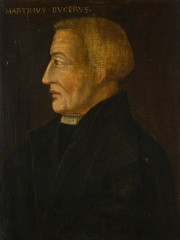
Martin Bucer
1491 - 1551
HPI: 69.83
Puesto: 49
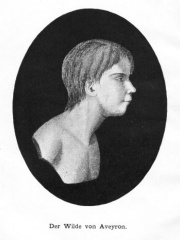
Victor of Aveyron
1793 - 1828
HPI: 69.80
Puesto: 50
Lucile Randon
1904 - 2023
HPI: 69.61
Puesto: 51
Philipp Spener
1635 - 1705
HPI: 69.34
Puesto: 52
Roger Etchegaray
1922 - 2019
HPI: 69.07
Puesto: 53




