Filósofo
Ramanuja
1017 - 1137
VISITAS EN ES.WIKIPEDIA (PV)
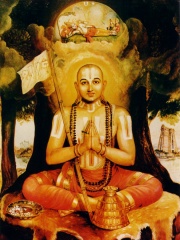
 Ramanuja
Su biografía está disponible en 55 idiomas en Wikipedia (aumentó de 54 en 2024). Ramanuja ocupa el puesto 365 entre los filósofo más populares (bajó del puesto 324 en 2024), el puesto 135 entre las biografías más populares de India (bajó del puesto 93 en 2019) y el puesto 17 entre los filósofo de india más populares.
Métricas de memorabilidad
210k
Visitas
Últimos 12 meses
69.10
HPI
Índice de Popularidad Histórica
Visitas a la página de Ramanuja por idioma
Entre Filósofo
Entre Filósofo, Ramanuja ocupa el puesto 365 de 1,267. Antes de él están Nasir Khusraw, John Philoponus, George Santayana, Fukuzawa Yukichi, Julius Caesar Scaliger, y Stilpo. Después de él están Maurice Halbwachs, Francisco de Vitoria, Étienne Cabet, Wilhelm Windelband, Alexandre Koyré, y Pierre d'Ailly.
Filósofo más populares en Wikipedia
Ver todas las clasificaciones

Nasir Khusraw
1004 - 1088
HPI: 69.26
Puesto: 359

John Philoponus
490 - 570
HPI: 69.25
Puesto: 360
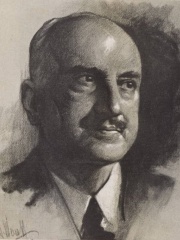
George Santayana
1863 - 1952
HPI: 69.22
Puesto: 361

Fukuzawa Yukichi
1835 - 1901
HPI: 69.20
Puesto: 362
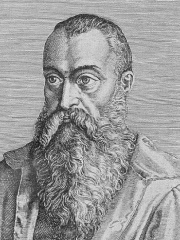
Julius Caesar Scaliger
1484 - 1558
HPI: 69.19
Puesto: 363
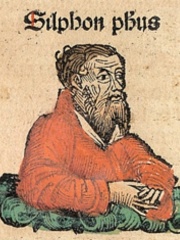
Stilpo
359 BC - 279 BC
HPI: 69.16
Puesto: 364
Ramanuja
1017 - 1137
HPI: 69.10
Puesto: 365
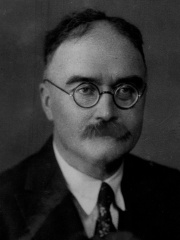
Maurice Halbwachs
1877 - 1945
HPI: 69.09
Puesto: 366
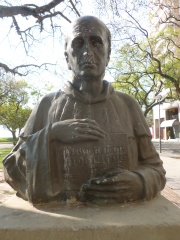
Francisco de Vitoria
1483 - 1546
HPI: 69.04
Puesto: 367
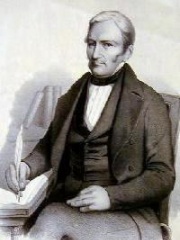
Étienne Cabet
1788 - 1856
HPI: 69.00
Puesto: 368
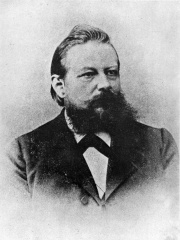
Wilhelm Windelband
1848 - 1915
HPI: 68.99
Puesto: 369
Alexandre Koyré
1892 - 1964
HPI: 68.96
Puesto: 370
Pierre d'Ailly
1350 - 1420
HPI: 68.92
Puesto: 371

Contemporáneos
Entre las personas nacidas en 1017, Ramanuja ocupa el puesto 1. Después de él están Bermudo III of León, Zhou Dunyi, Beatrice of Lorraine, y Basil Boioannes. Entre las personas fallecidas en 1137, Ramanuja ocupa el puesto 3. Antes de él están Louis VI of France, y Lothair II, Holy Roman Emperor. Después de él están William X, Duke of Aquitaine, Eric II of Denmark, Antipope Gregory VIII, Adela of Normandy, Nikephoros Bryennios the Younger, Pons, Count of Tripoli, Malmfred of Kiev, y Ingeborg of Kiev.
Otras personas nacidas en 1017
Ver todas las clasificacionesRamanuja
PHILOSOPHER
1017 - 1137
HPI: 69.10
Puesto: 1

Bermudo III of León
POLITICIAN
1017 - 1037
HPI: 66.17
Puesto: 2
Zhou Dunyi
PHILOSOPHER
1017 - 1073
HPI: 65.34
Puesto: 3
Beatrice of Lorraine
POLITICIAN
1017 - 1076
HPI: 64.04
Puesto: 4

Basil Boioannes
POLITICIAN
1017 - 1027
HPI: 54.47
Puesto: 5
Otras personas fallecidas en 1137
Ver todas las clasificaciones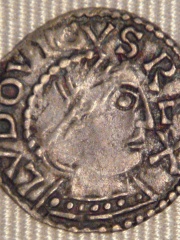
Louis VI of France
POLITICIAN
1081 - 1137
HPI: 77.61
Puesto: 1

Lothair II, Holy Roman Emperor
POLITICIAN
1075 - 1137
HPI: 76.35
Puesto: 2
Ramanuja
PHILOSOPHER
1017 - 1137
HPI: 69.10
Puesto: 3
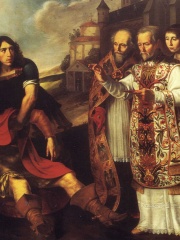
William X, Duke of Aquitaine
POLITICIAN
1099 - 1137
HPI: 68.76
Puesto: 4

Eric II of Denmark
POLITICIAN
1090 - 1137
HPI: 68.39
Puesto: 5
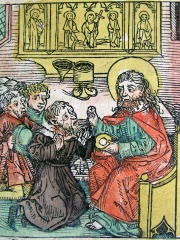
Antipope Gregory VIII
RELIGIOUS FIGURE
1100 - 1137
HPI: 67.53
Puesto: 6

Adela of Normandy
NOBLEMAN
1065 - 1137
HPI: 66.18
Puesto: 7

Nikephoros Bryennios the Younger
WRITER
1062 - 1137
HPI: 64.15
Puesto: 8
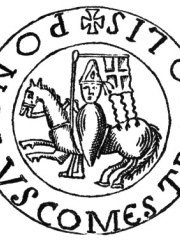
Pons, Count of Tripoli
POLITICIAN
1096 - 1137
HPI: 62.75
Puesto: 9

Malmfred of Kiev
POLITICIAN
1100 - 1137
HPI: 61.54
Puesto: 10

Ingeborg of Kiev
COMPANION
1100 - 1137
HPI: 61.51
Puesto: 11
En India
Entre las personas nacidas en India, Ramanuja ocupa el puesto 135 de NaN. Antes de él están Zeb-un-Nissa (1638), Ghiyas ud din Balban (1200), Abul A'la Maududi (1903), Kim Philby (1912), Radha (null), y Vyjayanthimala Bali (1936). Después de él están Rajendra Chola I (1000), Cliff Richard (1940), Mahinda (-285), Vātsyāyana (300), Nathuram Godse (1910), y Sambhaji (1657).
Otras personas nacidas en India
Ver todas las clasificaciones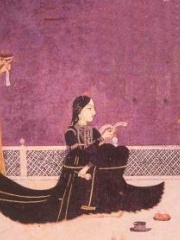
Zeb-un-Nissa
WRITER
1638 - 1702
HPI: 69.33
Puesto: 129

Ghiyas ud din Balban
POLITICIAN
1200 - 1287
HPI: 69.31
Puesto: 130
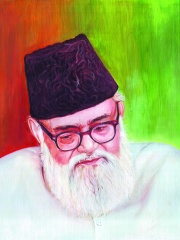
Abul A'la Maududi
PHILOSOPHER
1903 - 1979
HPI: 69.30
Puesto: 131
Kim Philby
MILITARY PERSONNEL
1912 - 1988
HPI: 69.30
Puesto: 132
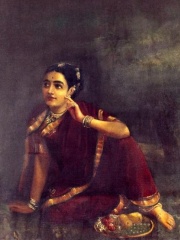
Radha
RELIGIOUS FIGURE
HPI: 69.21
Puesto: 133

Vyjayanthimala Bali
ACTOR
1936 - presente
HPI: 69.12
Puesto: 134
Ramanuja
PHILOSOPHER
1017 - 1137
HPI: 69.10
Puesto: 135
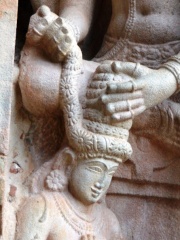
Rajendra Chola I
POLITICIAN
1000 - 1044
HPI: 69.10
Puesto: 136

Cliff Richard
MUSICIAN
1940 - presente
HPI: 69.05
Puesto: 137

Mahinda
RELIGIOUS FIGURE
285 BC - 205 BC
HPI: 69.02
Puesto: 138

Vātsyāyana
WRITER
300 - 500
HPI: 68.99
Puesto: 139
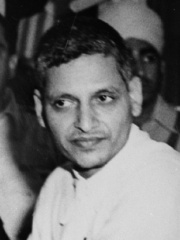
Nathuram Godse
EXTREMIST
1910 - 1949
HPI: 68.95
Puesto: 140
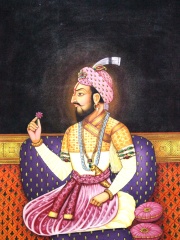
Sambhaji
POLITICIAN
1657 - 1689
HPI: 68.91
Puesto: 141
Entre Filósofo en India
Entre Filósofo nacidos en India, Ramanuja ocupa el puesto 17. Antes de él están Paramahansa Yogananda (1893), Aśvaghoṣa (80), Sri Aurobindo (1872), Ramana Maharshi (1879), Vyasa (-390), y Abul A'la Maududi (1903). Después de él están Chandrakirti (600), Shah Waliullah Dehlawi (1703), Jyotirao Phule (1827), Shantideva (685), Homi K. Bhabha (1949), y Madhvacharya (1199).
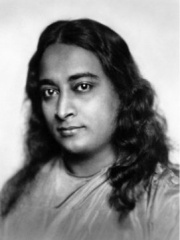
Paramahansa Yogananda
1893 - 1952
HPI: 71.62
Puesto: 11
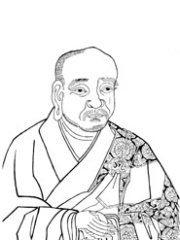
Aśvaghoṣa
80 - 150
HPI: 71.30
Puesto: 12
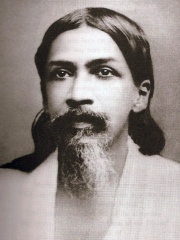
Sri Aurobindo
1872 - 1950
HPI: 71.21
Puesto: 13
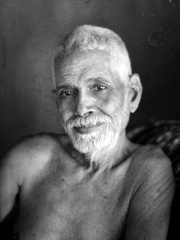
Ramana Maharshi
1879 - 1950
HPI: 71.16
Puesto: 14
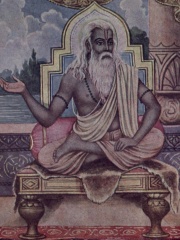
Vyasa
390 BC - 310 BC
HPI: 70.22
Puesto: 15
Abul A'la Maududi
1903 - 1979
HPI: 69.30
Puesto: 16
Ramanuja
1017 - 1137
HPI: 69.10
Puesto: 17

Chandrakirti
600 - 650
HPI: 68.88
Puesto: 18

Shah Waliullah Dehlawi
1703 - 1762
HPI: 67.42
Puesto: 19
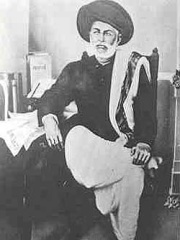
Jyotirao Phule
1827 - 1890
HPI: 67.24
Puesto: 20

Shantideva
685 - 763
HPI: 67.07
Puesto: 21
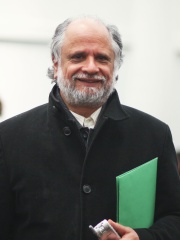
Homi K. Bhabha
1949 - presente
HPI: 66.35
Puesto: 22
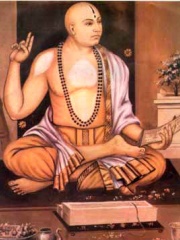
Madhvacharya
1199 - 1278
HPI: 65.81
Puesto: 23




