Filosofo
Ramananda
1400 - presente
VISUALIZZAZIONI SU IT.WIKIPEDIA (PV)

 Ramananda
La sua biografia è disponibile in 21 lingue su Wikipedia (in aumento rispetto a 20 nel 2024). Ramananda è il 958° filosofo più popolare (in calo dal 902° nel 2024), la 449ª biografia più popolare dell'India (in calo dal 385ª nel 2019) e il 41° filosofo più popolare dell'India.
Metriche di memorabilità
82k
Visualizzazioni
Ultimi 12 mesi
59.54
HPI
Indice di popolarità storica
Visualizzazioni della pagina di Ramananda per lingua
Tra Filosofo
Tra Filosofo, Ramananda occupa la posizione 958 su 1,267. Prima di lui ci sono Dirck Coornhert, Stanley Cavell, Bernard Stiegler, Keshub Chandra Sen, Lars Gustafsson, e Sandra Harding. Dopo di lui ci sono Derek Parfit, Nemesius, Monimus, Jacques-André Naigeon, David Lewis, e Wendy Brown.
Filosofo più popolari su Wikipedia
Vai a tutte le classifiche
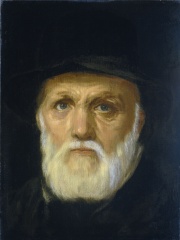
Dirck Coornhert
1522 - 1590
HPI: 59.61
Posizione: 952
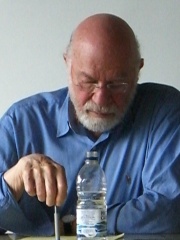
Stanley Cavell
1926 - 2018
HPI: 59.60
Posizione: 953
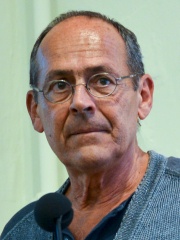
Bernard Stiegler
1952 - 2020
HPI: 59.60
Posizione: 954
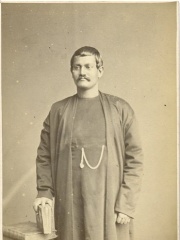
Keshub Chandra Sen
1838 - 1884
HPI: 59.58
Posizione: 955

Lars Gustafsson
1936 - 2016
HPI: 59.56
Posizione: 956

Sandra Harding
1935 - 2025
HPI: 59.55
Posizione: 957
Ramananda
1400 - presente
HPI: 59.54
Posizione: 958
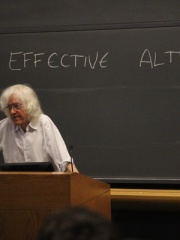
Derek Parfit
1942 - 2017
HPI: 59.52
Posizione: 959

Nemesius
400 - 500
HPI: 59.51
Posizione: 960
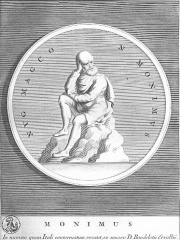
Monimus
400 BC - presente
HPI: 59.50
Posizione: 961

Jacques-André Naigeon
1738 - 1810
HPI: 59.50
Posizione: 962
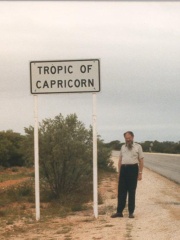
David Lewis
1941 - 2001
HPI: 59.49
Posizione: 963
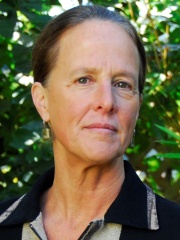
Wendy Brown
1955 - presente
HPI: 59.49
Posizione: 964

Contemporanei
Tra le persone nate nel 1400, Ramananda occupa la posizione 35. Prima di lui ci sono Johann Fust, Abella, Michael Critobulus, Hans Multscher, Dragoș, Voivode of Moldavia, e Nerio I Acciaioli. Dopo di lui ci sono Stephen Ostojić of Bosnia, Gonçalo Velho Cabral, Irene Palaiologina, David IX of Georgia, Richard Neville, 5th Earl of Salisbury, e Domenico di Bartolo.
Altre persone nate nel 1400
Vai a tutte le classifiche
Johann Fust
POLITICIAN
1400 - 1466
HPI: 60.88
Posizione: 29

Abella
PHYSICIAN
1400 - presente
HPI: 60.80
Posizione: 30

Michael Critobulus
POLITICIAN
1400 - 1467
HPI: 60.48
Posizione: 31
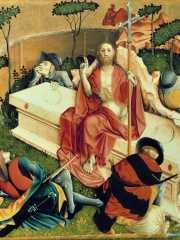
Hans Multscher
SCULPTOR
1400 - 1467
HPI: 60.39
Posizione: 32
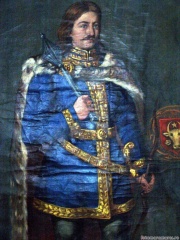
Dragoș, Voivode of Moldavia
POLITICIAN
1400 - 1400
HPI: 59.77
Posizione: 33
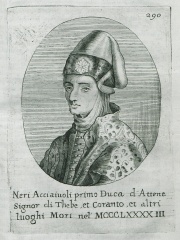
Nerio I Acciaioli
NOBLEMAN
1400 - 1394
HPI: 59.64
Posizione: 34
Ramananda
PHILOSOPHER
1400 - presente
HPI: 59.54
Posizione: 35

Stephen Ostojić of Bosnia
POLITICIAN
1400 - 1421
HPI: 59.06
Posizione: 36

Gonçalo Velho Cabral
EXPLORER
1400 - 1460
HPI: 58.65
Posizione: 37

Irene Palaiologina
NOBLEMAN
1400 - 1400
HPI: 57.96
Posizione: 38

David IX of Georgia
POLITICIAN
1400 - 1360
HPI: 57.72
Posizione: 39
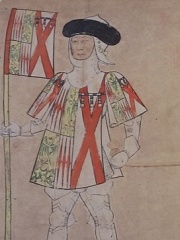
Richard Neville, 5th Earl of Salisbury
POLITICIAN
1400 - 1460
HPI: 57.64
Posizione: 40
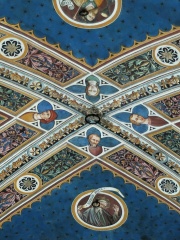
Domenico di Bartolo
PAINTER
1400 - 1445
HPI: 57.30
Posizione: 41
In India
Tra le persone nate in India, Ramananda occupa la posizione 449 su NaN. Prima di lui ci sono Satya Nadella (1967), Jacques Lauriston (1768), Jahandar Shah (1661), Keshub Chandra Sen (1838), Satish Kumar (1936), e Anil Kapoor (1956). Dopo di lui ci sono Gangubai Hangal (1913), Oswald Gracias (1944), D. R. Kaprekar (1905), Bhupen Hazarika (1926), Telesphore Toppo (1939), e Bismillah Khan (1916).
Altre persone nate in India
Vai a tutte le classifiche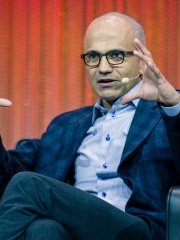
Satya Nadella
BUSINESSPERSON
1967 - presente
HPI: 59.60
Posizione: 443
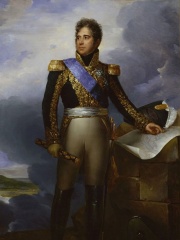
Jacques Lauriston
POLITICIAN
1768 - 1828
HPI: 59.59
Posizione: 444
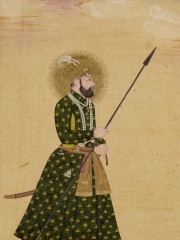
Jahandar Shah
POLITICIAN
1661 - 1713
HPI: 59.58
Posizione: 445
Keshub Chandra Sen
PHILOSOPHER
1838 - 1884
HPI: 59.58
Posizione: 446

Satish Kumar
SOCIAL ACTIVIST
1936 - presente
HPI: 59.57
Posizione: 447
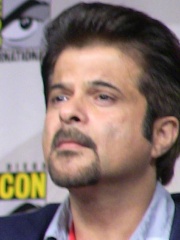
Anil Kapoor
ACTOR
1956 - presente
HPI: 59.55
Posizione: 448
Ramananda
PHILOSOPHER
1400 - presente
HPI: 59.54
Posizione: 449
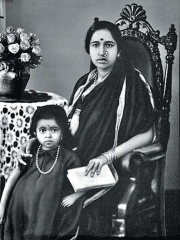
Gangubai Hangal
SINGER
1913 - 2009
HPI: 59.52
Posizione: 450
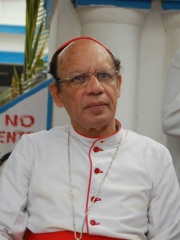
Oswald Gracias
RELIGIOUS FIGURE
1944 - presente
HPI: 59.52
Posizione: 451

D. R. Kaprekar
MATHEMATICIAN
1905 - 1986
HPI: 59.51
Posizione: 452
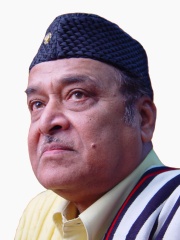
Bhupen Hazarika
ACTOR
1926 - 2011
HPI: 59.50
Posizione: 453
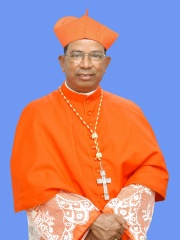
Telesphore Toppo
RELIGIOUS FIGURE
1939 - 2023
HPI: 59.49
Posizione: 454
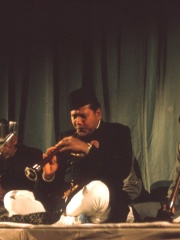
Bismillah Khan
MUSICIAN
1916 - 2006
HPI: 59.48
Posizione: 455
Tra Filosofo in India
Tra Filosofo nati in India, Ramananda occupa la posizione 41. Prima di lui ci sono Rishabhanatha (null), Kumārila Bhaṭṭa (700), Jaimini (-390), Debendranath Tagore (1817), Sarada Devi (1853), e Keshub Chandra Sen (1838). Dopo di lui ci sono Bhaktisiddhanta Sarasvati (1874), Prabhat Ranjan Sarkar (1921), Chinmayananda Saraswati (1916), Tirumalai Krishnamacharya (1888), Rambhadracharya (1950), e Derek Prince (1915).
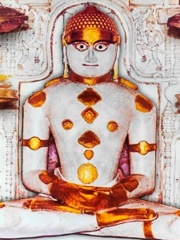
Rishabhanatha
HPI: 61.40
Posizione: 35

Kumārila Bhaṭṭa
700 - 700
HPI: 61.09
Posizione: 36

Jaimini
390 BC - presente
HPI: 60.42
Posizione: 37
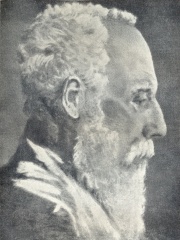
Debendranath Tagore
1817 - 1905
HPI: 59.69
Posizione: 38
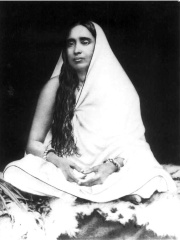
Sarada Devi
1853 - 1920
HPI: 59.61
Posizione: 39
Keshub Chandra Sen
1838 - 1884
HPI: 59.58
Posizione: 40
Ramananda
1400 - presente
HPI: 59.54
Posizione: 41
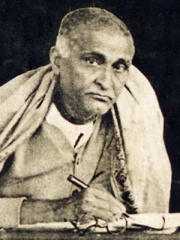
Bhaktisiddhanta Sarasvati
1874 - 1937
HPI: 59.42
Posizione: 42
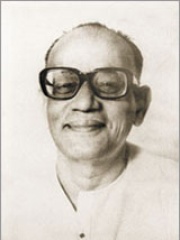
Prabhat Ranjan Sarkar
1921 - 1990
HPI: 59.02
Posizione: 43
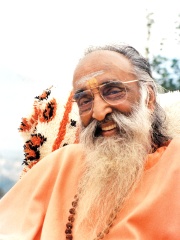
Chinmayananda Saraswati
1916 - 1993
HPI: 58.39
Posizione: 44
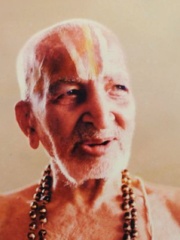
Tirumalai Krishnamacharya
1888 - 1989
HPI: 58.27
Posizione: 45
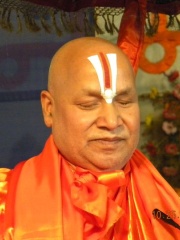
Rambhadracharya
1950 - presente
HPI: 57.33
Posizione: 46
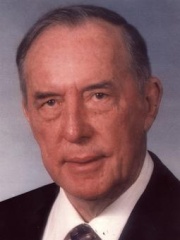
Derek Prince
1915 - 2003
HPI: 56.21
Posizione: 47




