Político
Börte
1161 - 1230
VISITAS EN ES.WIKIPEDIA (PV)
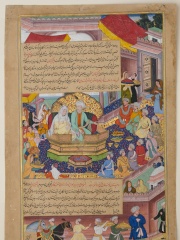
 Börte
Börte
Su biografía está disponible en 44 idiomas en Wikipedia (aumentó de 43 en 2024). Börte ocupa el puesto 1320 entre los político más populares (bajó del puesto 741 en 2024), el puesto 10 entre las biografías más populares de Mongolia (bajó del puesto 7 en 2019) y el puesto 7 entre los político de mongolia más populares.
Métricas de memorabilidad
390k
Visitas
Últimos 12 meses
74.50
HPI
Índice de Popularidad Histórica
Datos destacados
#1,320 / 20k
Börte ocupa el puesto n.º 1,320 entre 20,022 Político del mundo, dentro del 7 % más destacado de la profesión.
Visitas a la página de Börte por idioma
Entre Político
Entre Político, Börte ocupa el puesto 1,320 de 20,022. Antes de ella están Trebonianus Gallus, Milovan Đilas, Wilhelm Frick, Chongzhen Emperor, Ajatashatru, y Gaius Gracchus. Después de ella están Gustav Stresemann, Conrad I of Germany, Muhammad II of Khwarazm, Robert F. Kennedy, Haman, y Symon Petliura.
Político más populares en Wikipedia
Ver todas las clasificaciones
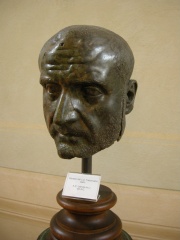
Trebonianus Gallus
206 - 253
HPI: 74.53
Puesto: 1,314
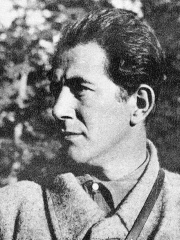
Milovan Đilas
1911 - 1995
HPI: 74.53
Puesto: 1,315
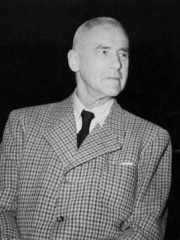
Wilhelm Frick
1877 - 1946
HPI: 74.52
Puesto: 1,316
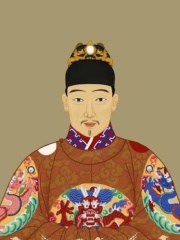
Chongzhen Emperor
1611 - 1644
HPI: 74.51
Puesto: 1,317
Ajatashatru
500 a. C. - 460 a. C.
HPI: 74.51
Puesto: 1,318
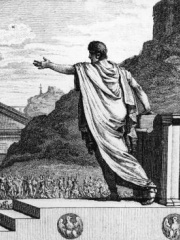
Gaius Gracchus
154 a. C. - 121 a. C.
HPI: 74.51
Puesto: 1,319
Börte
1161 - 1230
HPI: 74.50
Puesto: 1,320
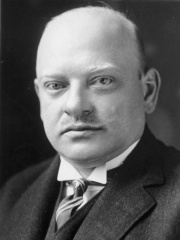
Gustav Stresemann
1878 - 1929
HPI: 74.49
Puesto: 1,321
Conrad I of Germany
881 - 918
HPI: 74.49
Puesto: 1,322
Muhammad II of Khwarazm
1169 - 1220
HPI: 74.49
Puesto: 1,323

Robert F. Kennedy
1925 - 1968
HPI: 74.49
Puesto: 1,324
Haman
HPI: 74.48
Puesto: 1,325
Symon Petliura
1879 - 1926
HPI: 74.48
Puesto: 1,326

Contemporáneos
Entre las personas nacidas en 1161, Börte ocupa el puesto 2. Antes de ella está Baldwin IV of Jerusalem. Después de ella están Emperor Takakura, Constance, Duchess of Brittany, y Sancho, Count of Provence. Entre las personas fallecidas en 1230, Börte ocupa el puesto 1. Después de ella están Pérotin, Walther von der Vogelweide, Berengaria of Navarre, Ottokar I of Bohemia, Alfonso IX of León, Leopold VI, Duke of Austria, Pelagio Galvani, Margaret, Countess of Blois, Pietro Ziani, Benedetto Antelami, y Samuel ibn Tibbon.
Otras personas nacidas en 1161
Ver todas las clasificaciones
Baldwin IV of Jerusalem
POLITICIAN
1161 - 1185
HPI: 83.71
Puesto: 1
Börte
POLITICIAN
1161 - 1230
HPI: 74.50
Puesto: 2
Emperor Takakura
POLITICIAN
1161 - 1181
HPI: 65.31
Puesto: 3
Constance, Duchess of Brittany
POLITICIAN
1161 - 1201
HPI: 62.11
Puesto: 4
Sancho, Count of Provence
POLITICIAN
1161 - 1223
HPI: 59.19
Puesto: 5
Otras personas fallecidas en 1230
Ver todas las clasificacionesBörte
POLITICIAN
1161 - 1230
HPI: 74.50
Puesto: 1
Pérotin
COMPOSER
1160 - 1230
HPI: 72.46
Puesto: 2
Walther von der Vogelweide
WRITER
1170 - 1230
HPI: 71.85
Puesto: 3
Berengaria of Navarre
COMPANION
1165 - 1230
HPI: 71.53
Puesto: 4
Ottokar I of Bohemia
POLITICIAN
1155 - 1230
HPI: 70.81
Puesto: 5
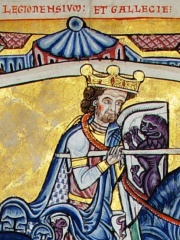
Alfonso IX of León
POLITICIAN
1171 - 1230
HPI: 70.51
Puesto: 6
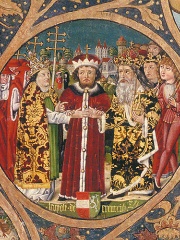
Leopold VI, Duke of Austria
POLITICIAN
1176 - 1230
HPI: 68.40
Puesto: 7
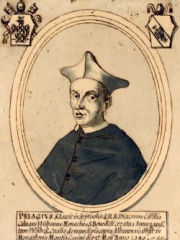
Pelagio Galvani
RELIGIOUS FIGURE
1165 - 1230
HPI: 62.57
Puesto: 8
Margaret, Countess of Blois
POLITICIAN
1164 - 1230
HPI: 61.10
Puesto: 9
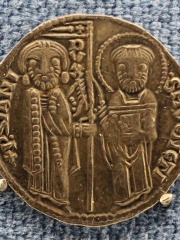
Pietro Ziani
POLITICIAN
1153 - 1230
HPI: 60.89
Puesto: 10
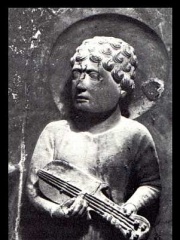
Benedetto Antelami
ARCHITECT
1150 - 1230
HPI: 58.43
Puesto: 11

Samuel ibn Tibbon
PHILOSOPHER
1150 - 1230
HPI: 57.58
Puesto: 12
En Mongolia
Entre las personas nacidas en Mongolia, Börte ocupa el puesto 10 de 108. Antes de ella están Batu Khan (1207), Chagatai Khan (1183), Tolui (1191), Subutai (1175), Modu Chanyu (-234), y Berke (1209). Después de ella están Ariq Böke (1219), Abaqa Khan (1234), Toghrul (1130), Jebe (1137), Sorghaghtani Beki (1190), y Damdin Sükhbaatar (1893).
Otras personas nacidas en Mongolia
Ver todas las clasificaciones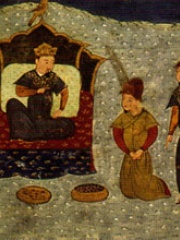
Batu Khan
POLITICIAN
1207 - 1255
HPI: 81.22
Puesto: 4
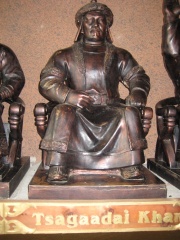
Chagatai Khan
POLITICIAN
1183 - 1242
HPI: 79.21
Puesto: 5
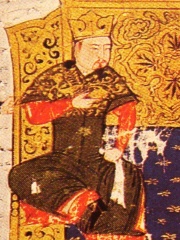
Tolui
POLITICIAN
1191 - 1232
HPI: 79.05
Puesto: 6
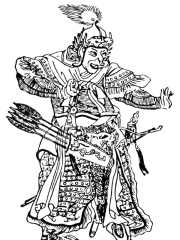
Subutai
MILITARY PERSONNEL
1175 - 1248
HPI: 75.70
Puesto: 7
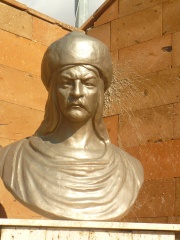
Modu Chanyu
POLITICIAN
234 a. C. - 174 a. C.
HPI: 75.23
Puesto: 8
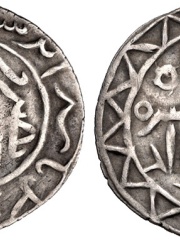
Berke
POLITICIAN
1209 - 1266
HPI: 75.07
Puesto: 9
Börte
POLITICIAN
1161 - 1230
HPI: 74.50
Puesto: 10
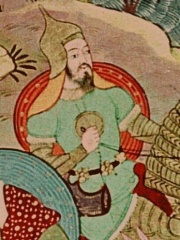
Ariq Böke
POLITICIAN
1219 - 1266
HPI: 73.98
Puesto: 11
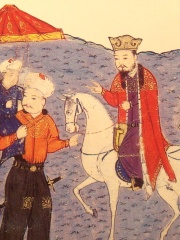
Abaqa Khan
POLITICIAN
1234 - 1282
HPI: 73.66
Puesto: 12
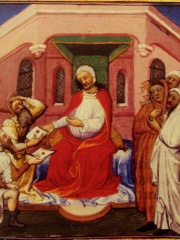
Toghrul
POLITICIAN
1130 - 1203
HPI: 72.19
Puesto: 13

Jebe
POLITICIAN
1137 - 1225
HPI: 71.90
Puesto: 14
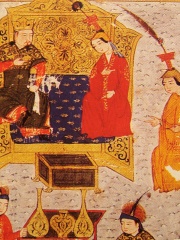
Sorghaghtani Beki
NOBLEMAN
1190 - 1252
HPI: 71.23
Puesto: 15
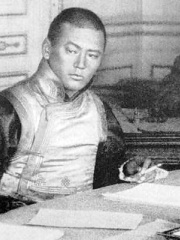
Damdin Sükhbaatar
POLITICIAN
1893 - 1923
HPI: 70.61
Puesto: 16
Entre Político en Mongolia
Entre Político nacidos en Mongolia, Börte ocupa el puesto 7. Antes de ella están Hulagu Khan (1217), Batu Khan (1207), Chagatai Khan (1183), Tolui (1191), Modu Chanyu (-234), y Berke (1209). Después de ella están Ariq Böke (1219), Abaqa Khan (1234), Toghrul (1130), Jebe (1137), Damdin Sükhbaatar (1893), y Punsalmaagiin Ochirbat (1942).
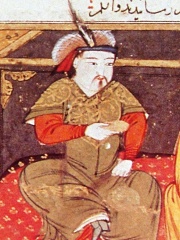
Hulagu Khan
1217 - 1265
HPI: 84.69
Puesto: 1
Batu Khan
1207 - 1255
HPI: 81.22
Puesto: 2
Chagatai Khan
1183 - 1242
HPI: 79.21
Puesto: 3
Tolui
1191 - 1232
HPI: 79.05
Puesto: 4
Modu Chanyu
234 a. C. - 174 a. C.
HPI: 75.23
Puesto: 5
Berke
1209 - 1266
HPI: 75.07
Puesto: 6
Börte
1161 - 1230
HPI: 74.50
Puesto: 7
Ariq Böke
1219 - 1266
HPI: 73.98
Puesto: 8
Abaqa Khan
1234 - 1282
HPI: 73.66
Puesto: 9
Toghrul
1130 - 1203
HPI: 72.19
Puesto: 10
Jebe
1137 - 1225
HPI: 71.90
Puesto: 11
Damdin Sükhbaatar
1893 - 1923
HPI: 70.61
Puesto: 12
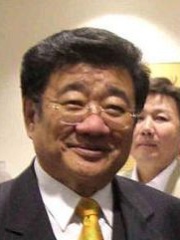
Punsalmaagiin Ochirbat
1942 - 2025
HPI: 68.80
Puesto: 13




