Philosoph
Berengar of Tours
998 - 1088
DE.WIKIPEDIA-SEITENAUFRUFE (PV)
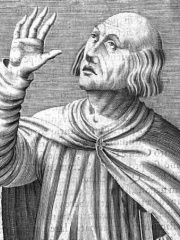
 Berengar of Tours
Seine Biografie ist in 23 verschiedenen Sprachen auf Wikipedia verfügbar. Berengar of Tours ist der 615th beliebteste Philosoph, die 1,943rd beliebteste Biografie aus Frankreich (gesunken vom 1,910th im Jahr 2019) und der 80th beliebteste aus Frankreich Philosoph.
Bekanntheitsmetriken
20k
Seitenaufrufe
Letzte 12 Monate
64.44
HPI
Historischer Popularitätsindex
Daten-Einblicke
23
Die Biografie von Berengar of Tours umfasst 23 Sprachversionen der Wikipedia und erreicht einen Historischen Popularitätsindex von 64.44.
Seitenaufrufe von Berengar of Tours nach Sprache
Unter Philosoph
Unter Philosoph belegt Berengar of Tours Rang 615 von 1,285. Vor ihm stehen Conrad Celtes, Eduard Spranger, Silvia Federici, Cebes, Aeschines of Sphettus, und Shihab al-Din 'Umar al-Suhrawardi. Nach ihm folgen Friedrich Albert Lange, Pietro d'Abano, Abraham Isaac Kook, Dignāga, Arthur Danto, und Metrodorus of Lampsacus.
Die beliebtesten Philosoph auf Wikipedia
Zu allen Ranglisten
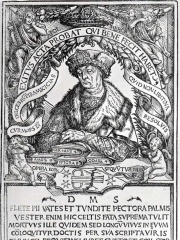
Conrad Celtes
1459 - 1508
HPI: 64.52
Rang: 609
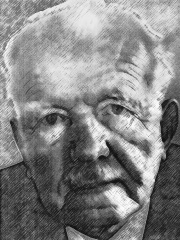
Eduard Spranger
1882 - 1963
HPI: 64.52
Rang: 610

Silvia Federici
1942 - heute
HPI: 64.52
Rang: 611
Cebes
500 v. Chr. - 400 v. Chr.
HPI: 64.47
Rang: 612
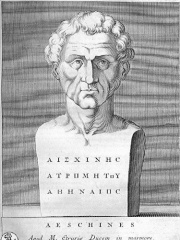
Aeschines of Sphettus
430 v. Chr. - 360 v. Chr.
HPI: 64.46
Rang: 613
Shihab al-Din 'Umar al-Suhrawardi
1145 - 1234
HPI: 64.44
Rang: 614
Berengar of Tours
998 - 1088
HPI: 64.44
Rang: 615
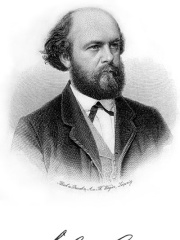
Friedrich Albert Lange
1828 - 1875
HPI: 64.42
Rang: 616
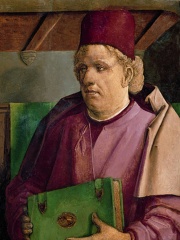
Pietro d'Abano
1250 - 1315
HPI: 64.42
Rang: 617
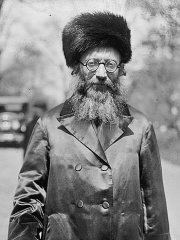
Abraham Isaac Kook
1865 - 1935
HPI: 64.40
Rang: 618

Dignāga
480 - 540
HPI: 64.39
Rang: 619

Arthur Danto
1924 - 2013
HPI: 64.39
Rang: 620
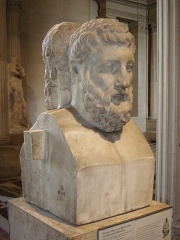
Metrodorus of Lampsacus
331 v. Chr. - 278 v. Chr.
HPI: 64.38
Rang: 621

Zeitgenossen
Unter den im Jahr 998 Geborenen belegt Berengar of Tours Rang 3. Vor ihm stehen George Maniakes, und Mas'ud I of Ghazni. Nach ihm folgt Muhammad of Ghazni. Unter den im Jahr 1088 Verstorbenen belegt Berengar of Tours Rang 2. Vor ihm steht Nasir Khusraw. Nach ihm folgen Abu Bakr ibn Umar, John Doukas, und Hermann of Salm.
Weitere im Jahr 998 Geborene
Zu allen Ranglisten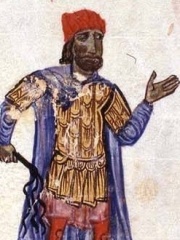
George Maniakes
MILITARY PERSONNEL
998 - 1043
HPI: 68.72
Rang: 1
Mas'ud I of Ghazni
POLITICIAN
998 - 1041
HPI: 64.62
Rang: 2
Berengar of Tours
PHILOSOPHER
998 - 1088
HPI: 64.44
Rang: 3
Muhammad of Ghazni
POLITICIAN
998 - 1041
HPI: 61.24
Rang: 4
Weitere im Jahr 1088 Verstorbene
Zu allen Ranglisten
Nasir Khusraw
PHILOSOPHER
1004 - 1088
HPI: 69.26
Rang: 1
Berengar of Tours
PHILOSOPHER
998 - 1088
HPI: 64.44
Rang: 2
Abu Bakr ibn Umar
MILITARY PERSONNEL
1100 - 1088
HPI: 63.66
Rang: 3

John Doukas
POLITICIAN
HPI: 62.38
Rang: 4
Hermann of Salm
POLITICIAN
1035 - 1088
HPI: 60.87
Rang: 5
In Frankreich
Unter den in Frankreich Geborenen belegt Berengar of Tours Rang 1,943 von 7,658. Vor ihm stehen Sophie Gengembre Anderson (1823), Charlotte of Albret (1480), Heinz Harmel (1906), Germaine Dulac (1882), Elias, Duke of Parma (1880), und Antoine Barnave (1761). Nach ihm folgen Itta of Metz (592), Jacques Roux (1752), Varro Atacinus (-82), Bernard de Tremelay (1100), Charlotte Perriand (1903), und Gabriel Pierné (1863).
Weitere in Frankreich geborene Personen
Zu allen Ranglisten
Sophie Gengembre Anderson
PAINTER
1823 - 1903
HPI: 64.46
Rang: 1,937
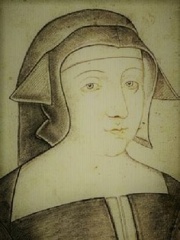
Charlotte of Albret
NOBLEMAN
1480 - 1514
HPI: 64.46
Rang: 1,938
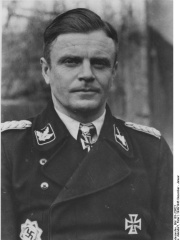
Heinz Harmel
MILITARY PERSONNEL
1906 - 2000
HPI: 64.45
Rang: 1,939
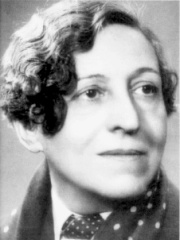
Germaine Dulac
FILM DIRECTOR
1882 - 1942
HPI: 64.45
Rang: 1,940
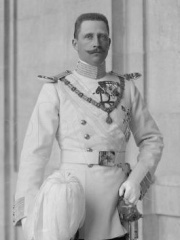
Elias, Duke of Parma
NOBLEMAN
1880 - 1959
HPI: 64.45
Rang: 1,941
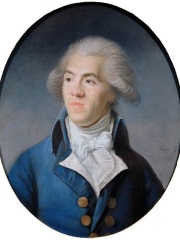
Antoine Barnave
POLITICIAN
1761 - 1793
HPI: 64.45
Rang: 1,942
Berengar of Tours
PHILOSOPHER
998 - 1088
HPI: 64.44
Rang: 1,943

Itta of Metz
RELIGIOUS FIGURE
592 - 652
HPI: 64.43
Rang: 1,944
Jacques Roux
SOCIAL ACTIVIST
1752 - 1794
HPI: 64.43
Rang: 1,945

Varro Atacinus
WRITER
82 v. Chr. - 35 v. Chr.
HPI: 64.43
Rang: 1,946

Bernard de Tremelay
POLITICIAN
1100 - 1153
HPI: 64.42
Rang: 1,947
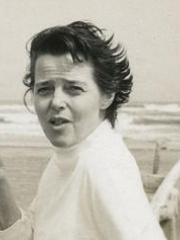
Charlotte Perriand
ARCHITECT
1903 - 1999
HPI: 64.42
Rang: 1,948
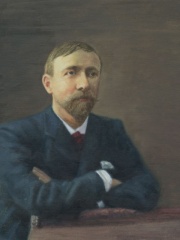
Gabriel Pierné
COMPOSER
1863 - 1937
HPI: 64.41
Rang: 1,949
Unter Philosoph in Frankreich
Unter den in Frankreich geborenen Philosoph belegt Berengar of Tours Rang 80. Vor ihm stehen Étienne-Gabriel Morelly (1717), Pierre Charron (1541), Georges Canguilhem (1904), Jean Hyppolite (1907), Jacques Ellul (1912), und Henry Corbin (1903). Nach ihm folgen Étienne Balibar (1942), Maurice Blondel (1861), Yves Bonnefoy (1923), Pierre Hadot (1922), Émile Chartier (1868), und Amalric of Bena (1150).
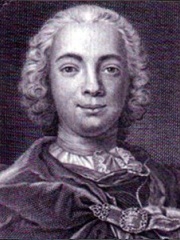
Étienne-Gabriel Morelly
1717 - 1778
HPI: 64.91
Rang: 74
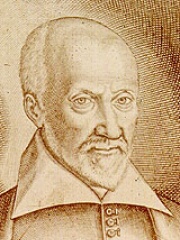
Pierre Charron
1541 - 1603
HPI: 64.89
Rang: 75

Georges Canguilhem
1904 - 1995
HPI: 64.85
Rang: 76
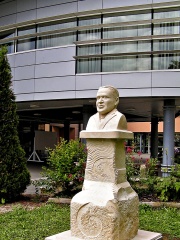
Jean Hyppolite
1907 - 1968
HPI: 64.79
Rang: 77
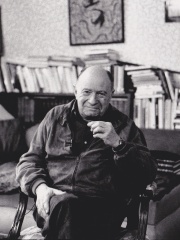
Jacques Ellul
1912 - 1994
HPI: 64.69
Rang: 78
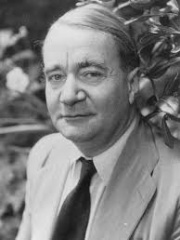
Henry Corbin
1903 - 1978
HPI: 64.66
Rang: 79
Berengar of Tours
998 - 1088
HPI: 64.44
Rang: 80
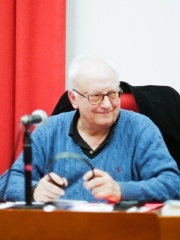
Étienne Balibar
1942 - heute
HPI: 64.24
Rang: 81
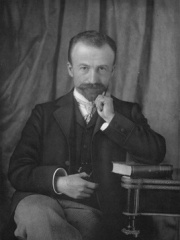
Maurice Blondel
1861 - 1949
HPI: 64.22
Rang: 82
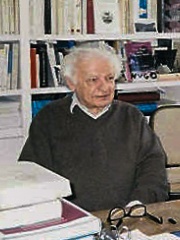
Yves Bonnefoy
1923 - 2016
HPI: 64.20
Rang: 83
Pierre Hadot
1922 - 2010
HPI: 64.01
Rang: 84

Émile Chartier
1868 - 1951
HPI: 63.98
Rang: 85
Amalric of Bena
1150 - 1206
HPI: 63.87
Rang: 86




