رسام
Parrhasius
500 BC - 460 BC

 Parrhasius
سيرته الذاتية متاحة بـ20 لغة مختلفة على ويكيبيديا. يحتل Parrhasius المرتبة 498 بين أكثر رسام شعبيةً (تقدمًا من 540 في 2024)، والمرتبة 507 بين أكثر السير الذاتية شعبيةً في تركيا (تراجعًا من 504 في 2019)، كما يحتل المرتبة 3 بين أكثر رسام من تركيا شعبيةً.
Memorability Metrics
17k
Page Views
Past 12 months
66.20
HPI
Historical Popularity Index
Page views of Parrhasius by language
Among رسام
Among رسام, Parrhasius ranks 498 out of 2,023. Before him are Grant Wood, Guo Xi, Giovanni Antonio Boltraffio, Eugène Atget, Arman, and Francisco Pacheco. After him are Leonor Fini, Carlo Dolci, John La Farge, Anselm Feuerbach, Jan Lievens, and Antonis Mor.
Most Popular رسام in Wikipedia
Go to all Rankings
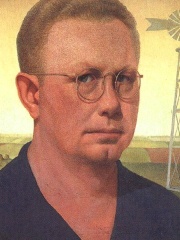
Grant Wood
1891 - 1942
HPI: 66.29
Rank: 492

Guo Xi
1020 - 1090
HPI: 66.28
Rank: 493
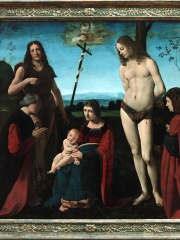
Giovanni Antonio Boltraffio
1467 - 1516
HPI: 66.28
Rank: 494
Eugène Atget
1857 - 1927
HPI: 66.25
Rank: 495
Arman
1928 - 2005
HPI: 66.22
Rank: 496
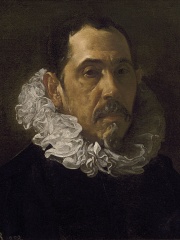
Francisco Pacheco
1564 - 1644
HPI: 66.20
Rank: 497
Parrhasius
500 BC - 460 BC
HPI: 66.20
Rank: 498

Leonor Fini
1907 - 1996
HPI: 66.19
Rank: 499
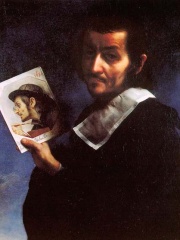
Carlo Dolci
1616 - 1686
HPI: 66.19
Rank: 500
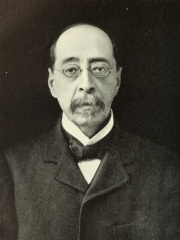
John La Farge
1835 - 1910
HPI: 66.16
Rank: 501
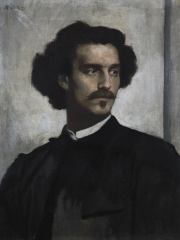
Anselm Feuerbach
1829 - 1880
HPI: 66.14
Rank: 502
Jan Lievens
1607 - 1674
HPI: 66.13
Rank: 503
Antonis Mor
1519 - 1575
HPI: 66.12
Rank: 504

Contemporaries
Among people born in 500 BC, Parrhasius ranks 30. Before him are Polygnotus, Alcetas II of Macedon, Fan Li, Eubulides, Paeonius, and Alcamenes. After him are Parysatis, Perdiccas II of Macedon, Cleombrotus I, Marcus Manlius Capitolinus, Cratinus, and Psammuthes. Among people deceased in 460 BC, Parrhasius ranks 7. Before him are Pāṇini, Ajatashatru, Meton of Athens, Mnesikles, Pharnabazus II, and Paeonius. After him are Hippo, Agatharchus, Calamis, Diagoras of Rhodes, Callimachus, and Telesilla.
Others Born in 500 BC
Go to all Rankings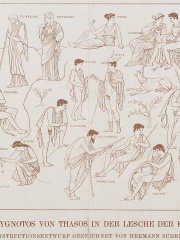
Polygnotus
PAINTER
500 BC - 500 BC
HPI: 67.86
Rank: 24

Alcetas II of Macedon
POLITICIAN
500 BC - 448 BC
HPI: 67.48
Rank: 25
Fan Li
POLITICIAN
500 BC - 448 BC
HPI: 67.19
Rank: 26
Eubulides
PHILOSOPHER
500 BC - 400 BC
HPI: 66.97
Rank: 27
Paeonius
SCULPTOR
500 BC - 460 BC
HPI: 66.77
Rank: 28
Alcamenes
SCULPTOR
500 BC - 400 BC
HPI: 66.62
Rank: 29
Parrhasius
PAINTER
500 BC - 460 BC
HPI: 66.20
Rank: 30
Parysatis
POLITICIAN
500 BC - 400 BC
HPI: 66.20
Rank: 31
Perdiccas II of Macedon
POLITICIAN
500 BC - 413 BC
HPI: 65.91
Rank: 32

Cleombrotus I
POLITICIAN
500 BC - 371 BC
HPI: 65.50
Rank: 33
Marcus Manlius Capitolinus
POLITICIAN
500 BC - 384 BC
HPI: 65.42
Rank: 34

Cratinus
WRITER
500 BC - 422 BC
HPI: 65.36
Rank: 35
Psammuthes
POLITICIAN
500 BC - 391 BC
HPI: 65.07
Rank: 36
Others Deceased in 460 BC
Go to all Rankings
Pāṇini
LINGUIST
500 BC - 460 BC
HPI: 81.60
Rank: 1
Ajatashatru
POLITICIAN
500 BC - 460 BC
HPI: 74.51
Rank: 2

Meton of Athens
MATHEMATICIAN
500 BC - 460 BC
HPI: 69.92
Rank: 3

Mnesikles
ARCHITECT
500 BC - 460 BC
HPI: 68.38
Rank: 4
Pharnabazus II
POLITICIAN
500 BC - 460 BC
HPI: 68.35
Rank: 5
Paeonius
SCULPTOR
500 BC - 460 BC
HPI: 66.77
Rank: 6
Parrhasius
PAINTER
500 BC - 460 BC
HPI: 66.20
Rank: 7

Hippo
PHILOSOPHER
500 BC - 460 BC
HPI: 63.65
Rank: 8

Agatharchus
PAINTER
500 BC - 460 BC
HPI: 63.15
Rank: 9
Calamis
SCULPTOR
500 BC - 460 BC
HPI: 63.03
Rank: 10

Diagoras of Rhodes
POLITICIAN
500 BC - 460 BC
HPI: 62.96
Rank: 11
Callimachus
ARCHITECT
500 BC - 460 BC
HPI: 62.79
Rank: 12

Telesilla
WRITER
500 BC - 460 BC
HPI: 62.54
Rank: 13
In تركيا
Among people born in تركيا, Parrhasius ranks 507 out of NaN. Before him are Artabasdos (700), Aelius Aristides (117), Stratonice of Syria (-317), Philetaerus (-340), Eumenes III (-200), and Gerasimus of the Jordan (500). After him are Theodora Komnene, Queen of Jerusalem (1145), Yılmaz Güney (1937), Artabazos II (-400), Nicomedes I of Bithynia (-300), Argishti I of Urartu (-827), and Sezen Aksu (1954).
Others born in تركيا
Go to all Rankings
Artabasdos
POLITICIAN
700 - 743
HPI: 66.28
Rank: 501
Aelius Aristides
WRITER
117 - 189
HPI: 66.27
Rank: 502
Stratonice of Syria
POLITICIAN
317 BC - 268 BC
HPI: 66.27
Rank: 503
Philetaerus
POLITICIAN
340 BC - 263 BC
HPI: 66.24
Rank: 504
Eumenes III
POLITICIAN
200 BC - 129 BC
HPI: 66.24
Rank: 505
Gerasimus of the Jordan
RELIGIOUS FIGURE
500 - 475
HPI: 66.20
Rank: 506
Parrhasius
PAINTER
500 BC - 460 BC
HPI: 66.20
Rank: 507
Theodora Komnene, Queen of Jerusalem
POLITICIAN
1145 - 1180
HPI: 66.15
Rank: 508
Yılmaz Güney
FILM DIRECTOR
1937 - 1984
HPI: 66.14
Rank: 509
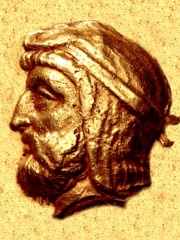
Artabazos II
MILITARY PERSONNEL
400 BC - 360 BC
HPI: 66.08
Rank: 510
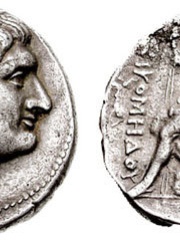
Nicomedes I of Bithynia
POLITICIAN
300 BC - 250 BC
HPI: 66.04
Rank: 511
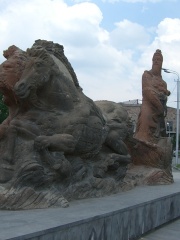
Argishti I of Urartu
POLITICIAN
827 BC - 764 BC
HPI: 66.04
Rank: 512

Sezen Aksu
SINGER
1954 - Present
HPI: 66.03
Rank: 513
Among رسام In تركيا
Among رسام born in تركيا, Parrhasius ranks 3. Before him are Apelles (-370), and Theophanes the Greek (1340). After him are Princess Fahrelnissa Zeid (1901), Arshile Gorky (1904), Osman Hamdi Bey (1842), Iaia (-100), Jan Rustem (1762), Echion (-350), Halil Pasha (1857), Nevin Çokay (1930), and Hale Asaf (1905).
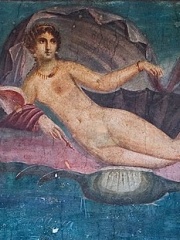
Apelles
370 BC - 306 BC
HPI: 75.64
Rank: 1
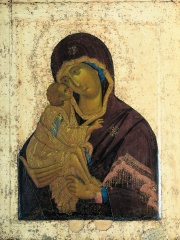
Theophanes the Greek
1340 - 1410
HPI: 66.87
Rank: 2
Parrhasius
500 BC - 460 BC
HPI: 66.20
Rank: 3
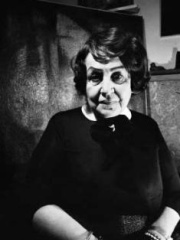
Princess Fahrelnissa Zeid
1901 - 1991
HPI: 65.11
Rank: 4
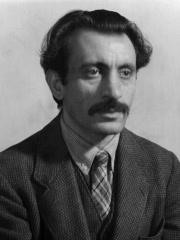
Arshile Gorky
1904 - 1948
HPI: 64.71
Rank: 5
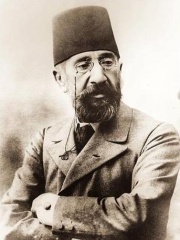
Osman Hamdi Bey
1842 - 1910
HPI: 63.71
Rank: 6
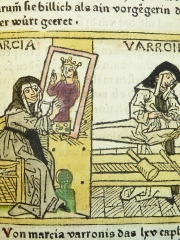
Iaia
100 BC - Present
HPI: 60.69
Rank: 7
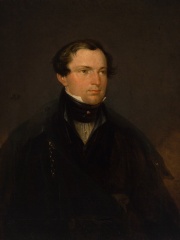
Jan Rustem
1762 - 1835
HPI: 60.09
Rank: 8

Echion
350 BC - 400 BC
HPI: 58.10
Rank: 9

Halil Pasha
1857 - 1939
HPI: 56.94
Rank: 10
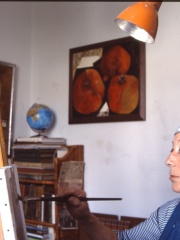
Nevin Çokay
1930 - 2012
HPI: 54.76
Rank: 11
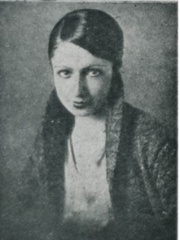
Hale Asaf
1905 - 1938
HPI: 52.39
Rank: 12




