Pittore
Echion
350 BC - 400 BC
IT.WIKIPEDIA PAGE VIEWS (PV)

 Echion
La sua biografia è disponibile in 20 lingue su Wikipedia (in aumento rispetto a 19 nel 2024). Echion è il 1490° pittore più popolare (in calo dal 1306° nel 2024), la 1031ª biografia più popolare della Turchia (in calo dal 940ª nel 2019) e il 9° pittore più popolare della Turchia.
Memorability Metrics
6.9k
Page Views
Past 12 months
58.10
HPI
Historical Popularity Index
Page views of Echion by language
Among Pittores
Among pittores, Echion ranks 1,490 out of 2,023. Before him are Jens Ferdinand Willumsen, Pekka Halonen, Giottino, Maria Wodzińska, Gonzales Coques, and Ernest Hébert. After him are Grigory Gagarin, Kamal-ol-molk, Kanō Masanobu, Albert Chmielowski, Martinus Rørbye, and Nadezhda Udaltsova.
Most Popular Pittores in Wikipedia
Go to all Rankings
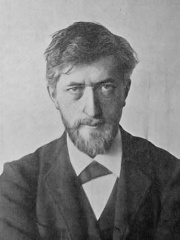
Jens Ferdinand Willumsen
1864 - 1958
HPI: 58.13
Rank: 1,484
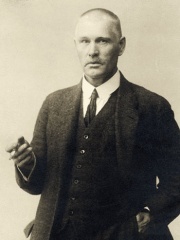
Pekka Halonen
1865 - 1933
HPI: 58.12
Rank: 1,485
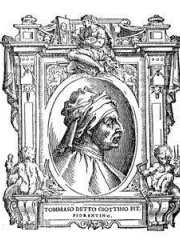
Giottino
1324 - 1357
HPI: 58.12
Rank: 1,486
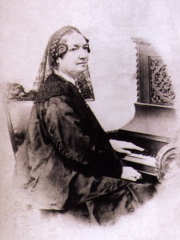
Maria Wodzińska
1819 - 1896
HPI: 58.12
Rank: 1,487
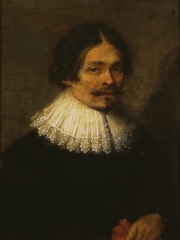
Gonzales Coques
1614 - 1684
HPI: 58.12
Rank: 1,488
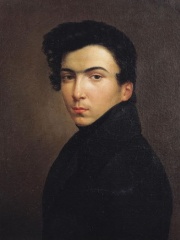
Ernest Hébert
1817 - 1908
HPI: 58.11
Rank: 1,489
Echion
350 BC - 400 BC
HPI: 58.10
Rank: 1,490
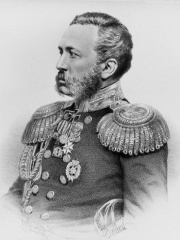
Grigory Gagarin
1810 - 1893
HPI: 58.09
Rank: 1,491
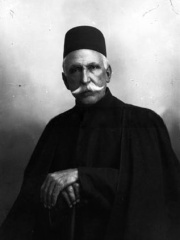
Kamal-ol-molk
1848 - 1940
HPI: 58.09
Rank: 1,492
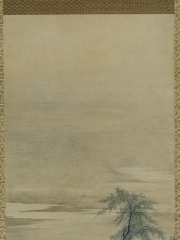
Kanō Masanobu
1434 - 1530
HPI: 58.08
Rank: 1,493
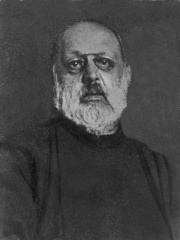
Albert Chmielowski
1846 - 1916
HPI: 58.08
Rank: 1,494
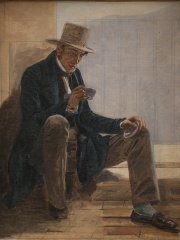
Martinus Rørbye
1803 - 1848
HPI: 58.07
Rank: 1,495
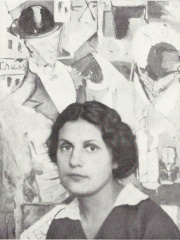
Nadezhda Udaltsova
1885 - 1961
HPI: 58.07
Rank: 1,496

Contemporaries
Among people born in 350 BC, Echion ranks 32. Before him are Antigenes, Arsinoe of Macedon, Publius Valerius Laevinus, Ariarathes II of Cappadocia, Antigone of Epirus, and Eudamidas II. After him are Gaius Marcius Rutilus, and Asander. Among people deceased in 400 BC, Echion ranks 41. Before him are Euphranor, Pamphilus, Arsinoe of Macedon, Androtion, Sosipatra, and Shi Shen. After him are Gaius Licinius Stolo, Tiribazus, Asander, Ecphantus the Pythagorean, Laodice of Macedonia, and Ariamnes.
Others Born in 350 BC
Go to all Rankings
Antigenes
POLITICIAN
350 BC - 316 BC
HPI: 59.75
Rank: 26

Arsinoe of Macedon
POLITICIAN
350 BC - 400 BC
HPI: 59.44
Rank: 27

Publius Valerius Laevinus
POLITICIAN
350 BC - 300 BC
HPI: 59.12
Rank: 28
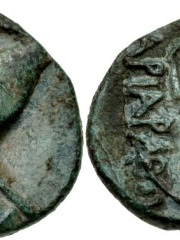
Ariarathes II of Cappadocia
POLITICIAN
350 BC - 280 BC
HPI: 59.04
Rank: 29

Antigone of Epirus
POLITICIAN
350 BC - Present
HPI: 59.00
Rank: 30

Eudamidas II
POLITICIAN
350 BC - 244 BC
HPI: 58.80
Rank: 31
Echion
PAINTER
350 BC - 400 BC
HPI: 58.10
Rank: 32

Gaius Marcius Rutilus
POLITICIAN
350 BC - 350 BC
HPI: 56.48
Rank: 33

Asander
POLITICIAN
350 BC - 400 BC
HPI: 56.28
Rank: 34
Others Deceased in 400 BC
Go to all Rankings
Euphranor
PAINTER
301 BC - 400 BC
HPI: 59.54
Rank: 35

Pamphilus
PAINTER
390 BC - 400 BC
HPI: 59.50
Rank: 36
Arsinoe of Macedon
POLITICIAN
350 BC - 400 BC
HPI: 59.44
Rank: 37

Androtion
POLITICIAN
500 BC - 400 BC
HPI: 59.33
Rank: 38

Sosipatra
PHILOSOPHER
400 BC - 400 BC
HPI: 59.26
Rank: 39

Shi Shen
ASTRONOMER
400 BC - 400 BC
HPI: 58.53
Rank: 40
Echion
PAINTER
350 BC - 400 BC
HPI: 58.10
Rank: 41

Gaius Licinius Stolo
POLITICIAN
400 BC - 400 BC
HPI: 56.80
Rank: 42
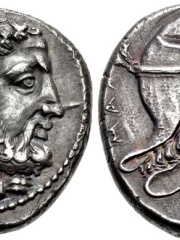
Tiribazus
POLITICIAN
500 BC - 400 BC
HPI: 56.78
Rank: 43
Asander
POLITICIAN
350 BC - 400 BC
HPI: 56.28
Rank: 44

Ecphantus the Pythagorean
PHILOSOPHER
HPI: 56.17
Rank: 45

Laodice of Macedonia
POLITICIAN
400 BC - 400 BC
HPI: 55.13
Rank: 46

Ariamnes
POLITICIAN
500 BC - 400 BC
HPI: 54.96
Rank: 47
In Turchia
Among people born in Turchia, Echion ranks 1,031 out of NaN. Before him are Hayranidil Kadın (1846), Hande Yener (1973), Siamanto (1878), Uğur Şahin (1965), Meral Akşener (1956), and İsmail Ogan (1933). After him are Zülfü Livaneli (1946), Paris Pişmiş (1911), Hrachia Acharian (1876), Seyla Benhabib (1950), Antony II of Constantinople (829), and Gessius Florus (100).
Others born in Turchia
Go to all Rankings
Hayranidil Kadın
POLITICAL SCIENTIST
1846 - 1895
HPI: 58.22
Rank: 1,025

Hande Yener
SINGER
1973 - Present
HPI: 58.21
Rank: 1,026
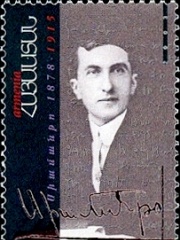
Siamanto
WRITER
1878 - 1915
HPI: 58.17
Rank: 1,027
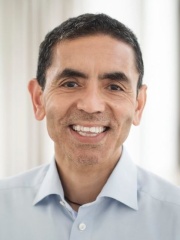
Uğur Şahin
BUSINESSPERSON
1965 - Present
HPI: 58.16
Rank: 1,028
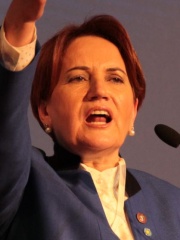
Meral Akşener
POLITICIAN
1956 - Present
HPI: 58.16
Rank: 1,029
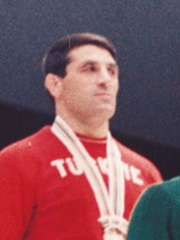
İsmail Ogan
WRESTLER
1933 - 2022
HPI: 58.12
Rank: 1,030
Echion
PAINTER
350 BC - 400 BC
HPI: 58.10
Rank: 1,031
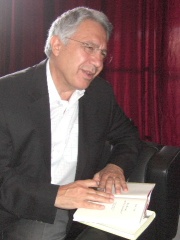
Zülfü Livaneli
WRITER
1946 - Present
HPI: 58.08
Rank: 1,032
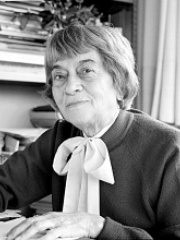
Paris Pişmiş
ASTRONOMER
1911 - 1999
HPI: 58.08
Rank: 1,033
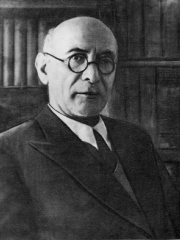
Hrachia Acharian
LINGUIST
1876 - 1953
HPI: 58.05
Rank: 1,034

Seyla Benhabib
PHILOSOPHER
1950 - Present
HPI: 58.00
Rank: 1,035

Antony II of Constantinople
RELIGIOUS FIGURE
829 - 901
HPI: 57.96
Rank: 1,036

Gessius Florus
POLITICIAN
100 - 100
HPI: 57.95
Rank: 1,037
Among Pittores In Turchia
Among pittores born in Turchia, Echion ranks 9. Before him are Parrhasius (-500), Princess Fahrelnissa Zeid (1901), Arshile Gorky (1904), Osman Hamdi Bey (1842), Iaia (-100), and Jan Rustem (1762). After him are Halil Pasha (1857), Nevin Çokay (1930), Hale Asaf (1905), and Selma Gürbüz (1960).

Parrhasius
500 BC - 460 BC
HPI: 66.20
Rank: 3
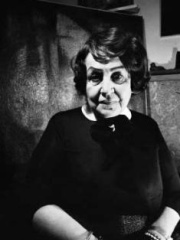
Princess Fahrelnissa Zeid
1901 - 1991
HPI: 65.11
Rank: 4
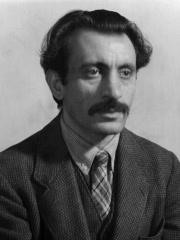
Arshile Gorky
1904 - 1948
HPI: 64.71
Rank: 5
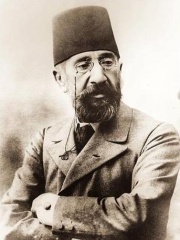
Osman Hamdi Bey
1842 - 1910
HPI: 63.71
Rank: 6
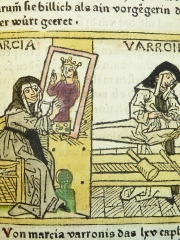
Iaia
100 BC - Present
HPI: 60.69
Rank: 7
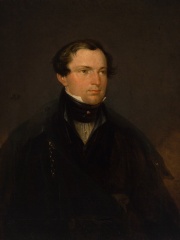
Jan Rustem
1762 - 1835
HPI: 60.09
Rank: 8
Echion
350 BC - 400 BC
HPI: 58.10
Rank: 9

Halil Pasha
1857 - 1939
HPI: 56.94
Rank: 10
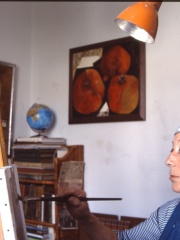
Nevin Çokay
1930 - 2012
HPI: 54.76
Rank: 11
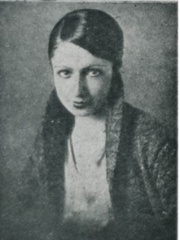
Hale Asaf
1905 - 1938
HPI: 52.39
Rank: 12
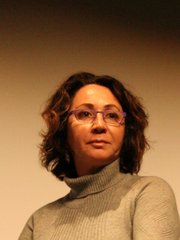
Selma Gürbüz
1960 - 2021
HPI: 45.88
Rank: 13




