سياسي
Orodes II
70 BC - 38 BC
مشاهدات AR.WIKIPEDIA (PV)
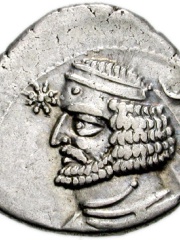
 Orodes II
سيرته الذاتية متاحة بـ39 لغة مختلفة على ويكيبيديا (زيادة من 37 في 2024). يحتل Orodes II المرتبة 3,226 بين أكثر سياسي شعبيةً (تراجعًا من 2,643 في 2024)، والمرتبة 108 بين أكثر السير الذاتية شعبيةً في إيران (تراجعًا من 105 في 2019)، كما يحتل المرتبة 63 بين أكثر سياسي من إيران شعبيةً.
مقاييس الشهرة
52k
مشاهدات الصفحة
آخر 12 شهرًا
69.28
HPI
مؤشر الشعبية التاريخية
رؤى من البيانات
#10,070
بعد أكثر من 20 قرون على الوفاة، لا يزال Orodes II في المرتبة 10,070 بين جميع الشخصيات في بانثيون.
39
تظهر سيرة Orodes II في 39 نسخة لغوية من ويكيبيديا — أكثر من 82٪ من جميع سياسي.
مشاهدات صفحة Orodes II حسب اللغة
من بين سياسي
من بين سياسي، يحتل Orodes II المرتبة 3,224 من أصل 19,576. قبله يأتي John I Albert, Friedrich Karl Ludwig, Duke of Schleswig-Holstein-Sonderburg-Beck, Sverker I of Sweden, James Callaghan, Sancho III of Pamplona, وEmperor Ling of Han. بعده يأتي Zhao Bing, Princess Mafalda of Savoy, Demetrius II Nicator, Ernst Gideon von Laudon, Jie of Xia, وWilhelm Liebknecht.
أشهر سياسي على ويكيبيديا
عرض جميع التصنيفات
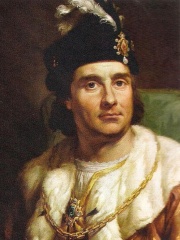
John I Albert
1459 - 1501
HPI: 69.29
المرتبة: 3,220
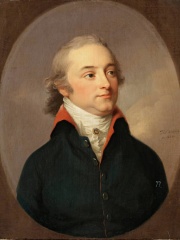
Friedrich Karl Ludwig, Duke of Schleswig-Holstein-Sonderburg-Beck
1757 - 1816
HPI: 69.29
المرتبة: 3,221
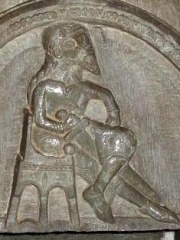
Sverker I of Sweden
1100 - 1156
HPI: 69.29
المرتبة: 3,222
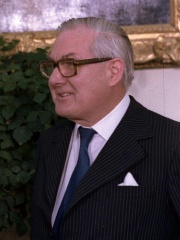
James Callaghan
1912 - 2005
HPI: 69.28
المرتبة: 3,223
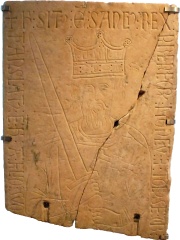
Sancho III of Pamplona
990 - 1035
HPI: 69.28
المرتبة: 3,224
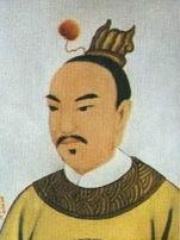
Emperor Ling of Han
156 - 189
HPI: 69.28
المرتبة: 3,225
Orodes II
70 BC - 38 BC
HPI: 69.28
المرتبة: 3,226
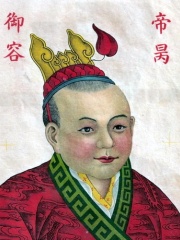
Zhao Bing
1271 - 1279
HPI: 69.27
المرتبة: 3,227
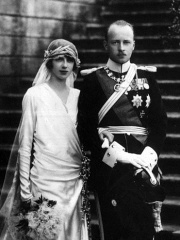
Princess Mafalda of Savoy
1902 - 1944
HPI: 69.27
المرتبة: 3,228
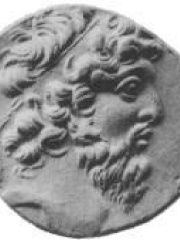
Demetrius II Nicator
161 BC - 125 BC
HPI: 69.27
المرتبة: 3,229
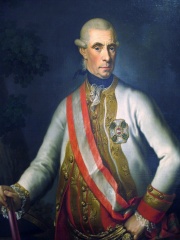
Ernst Gideon von Laudon
1717 - 1790
HPI: 69.27
المرتبة: 3,230
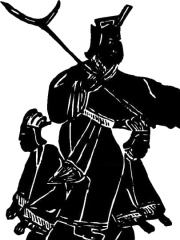
Jie of Xia
1728 BC - 1675 BC
HPI: 69.26
المرتبة: 3,231
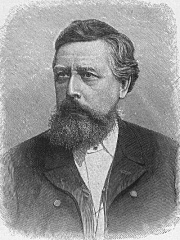
Wilhelm Liebknecht
1826 - 1900
HPI: 69.26
المرتبة: 3,232

معاصرون
من بين المولودين في عام 70 BC، يحتل Orodes II المرتبة 3. قبله يأتي Virgil, وScribonia. بعده يأتي Publius Cornelius Dolabella, وJunia Tertia. من بين المتوفين في عام 38 BC، يحتل Orodes II المرتبة 2. قبله يأتي Antiochus I Theos of Commagene. بعده يأتي Pacorus I, وQuintus Labienus.
آخرون وُلدوا في عام 70 BC
عرض جميع التصنيفات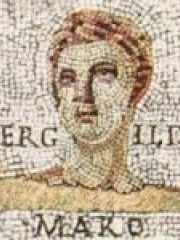
Virgil
WRITER
70 BC - 19 BC
HPI: 88.05
المرتبة: 1
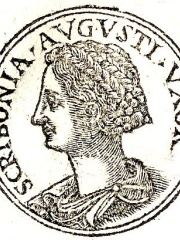
Scribonia
COMPANION
70 BC - 16
HPI: 73.96
المرتبة: 2
Orodes II
POLITICIAN
70 BC - 38 BC
HPI: 69.28
المرتبة: 3

Publius Cornelius Dolabella
POLITICIAN
70 BC - 43 BC
HPI: 68.89
المرتبة: 4

Junia Tertia
RELIGIOUS FIGURE
70 BC - 22
HPI: 57.74
المرتبة: 5
آخرون توفوا في عام 38 BC
عرض جميع التصنيفات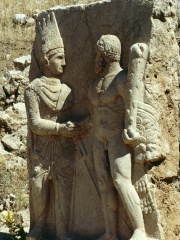
Antiochus I Theos of Commagene
POLITICIAN
86 BC - 38 BC
HPI: 72.01
المرتبة: 1
Orodes II
POLITICIAN
70 BC - 38 BC
HPI: 69.28
المرتبة: 2
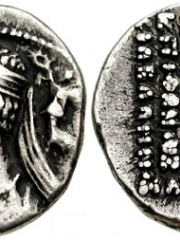
Pacorus I
POLITICIAN
63 BC - 38 BC
HPI: 67.32
المرتبة: 3
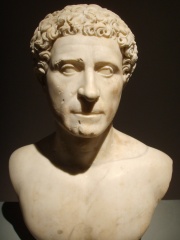
Quintus Labienus
MILITARY PERSONNEL
100 BC - 38 BC
HPI: 61.19
المرتبة: 4
في إيران
من بين المولودين في إيران، يحتل Orodes II المرتبة 108 من أصل 631. قبله يأتي Artavasdes II of Armenia (-100), Sinatruces of Parthia (-157), Safi of Persia (1611), Qazi Muhammad (1893), Atossa (-550), وVologases I of Parthia (1). بعده يأتي Demetrius II Nicator (-161), Yazdegerd II (500), Imad ad-Din al-Isfahani (1125), Ali Shariati (1933), Qasem Soleimani (1957), وIbn al-Muqaffa' (724).
آخرون وُلدوا في إيران
عرض جميع التصنيفات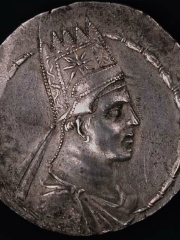
Artavasdes II of Armenia
POLITICIAN
100 BC - 31 BC
HPI: 69.54
المرتبة: 102
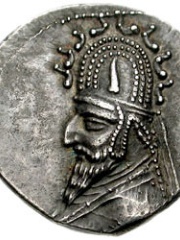
Sinatruces of Parthia
POLITICIAN
157 BC - 70 BC
HPI: 69.54
المرتبة: 103
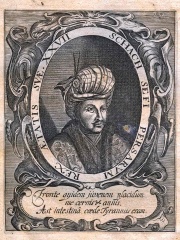
Safi of Persia
POLITICIAN
1611 - 1642
HPI: 69.53
المرتبة: 104
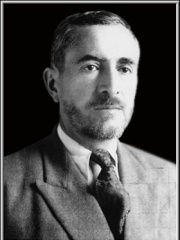
Qazi Muhammad
POLITICIAN
1893 - 1947
HPI: 69.52
المرتبة: 105
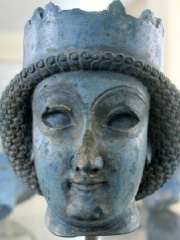
Atossa
POLITICIAN
550 BC - 475 BC
HPI: 69.51
المرتبة: 106
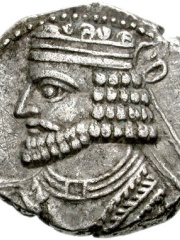
Vologases I of Parthia
POLITICIAN
1 - 78
HPI: 69.49
المرتبة: 107
Orodes II
POLITICIAN
70 BC - 38 BC
HPI: 69.28
المرتبة: 108
Demetrius II Nicator
POLITICIAN
161 BC - 125 BC
HPI: 69.27
المرتبة: 109
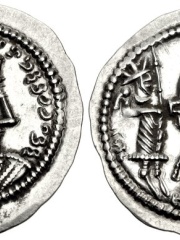
Yazdegerd II
POLITICIAN
500 - 457
HPI: 69.20
المرتبة: 110
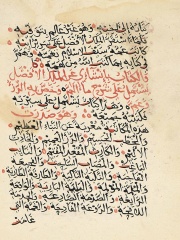
Imad ad-Din al-Isfahani
WRITER
1125 - 1201
HPI: 69.16
المرتبة: 111
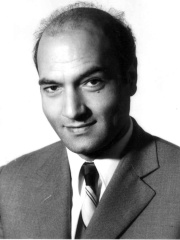
Ali Shariati
WRITER
1933 - 1977
HPI: 69.15
المرتبة: 112
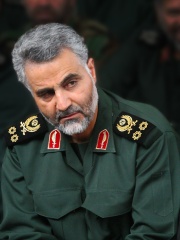
Qasem Soleimani
MILITARY PERSONNEL
1957 - 2020
HPI: 69.10
المرتبة: 113
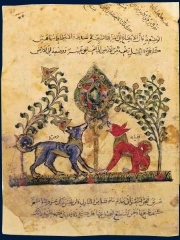
Ibn al-Muqaffa'
WRITER
724 - 756
HPI: 68.95
المرتبة: 114
من بين سياسي في إيران
من بين سياسي المولودين في إيران، يحتل Orodes II المرتبة 63. قبله يأتي Artavasdes II of Armenia (-100), Sinatruces of Parthia (-157), Safi of Persia (1611), Qazi Muhammad (1893), Atossa (-550), وVologases I of Parthia (1). بعده يأتي Demetrius II Nicator (-161), Yazdegerd II (500), Abolhassan Banisadr (1933), Mohammad Ali Shah Qajar (1872), Ebrahim Raisi (1960), وBardiya (-580).
Artavasdes II of Armenia
100 BC - 31 BC
HPI: 69.54
المرتبة: 57
Sinatruces of Parthia
157 BC - 70 BC
HPI: 69.54
المرتبة: 58
Safi of Persia
1611 - 1642
HPI: 69.53
المرتبة: 59
Qazi Muhammad
1893 - 1947
HPI: 69.52
المرتبة: 60
Atossa
550 BC - 475 BC
HPI: 69.51
المرتبة: 61
Vologases I of Parthia
1 - 78
HPI: 69.49
المرتبة: 62
Orodes II
70 BC - 38 BC
HPI: 69.28
المرتبة: 63
Demetrius II Nicator
161 BC - 125 BC
HPI: 69.27
المرتبة: 64
Yazdegerd II
500 - 457
HPI: 69.20
المرتبة: 65
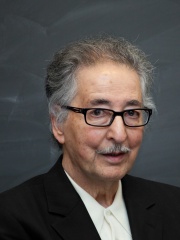
Abolhassan Banisadr
1933 - 2021
HPI: 68.91
المرتبة: 66
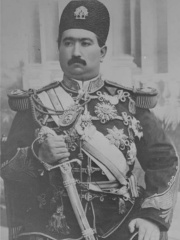
Mohammad Ali Shah Qajar
1872 - 1925
HPI: 68.84
المرتبة: 67
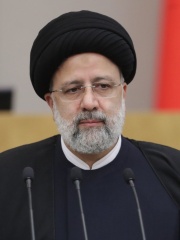
Ebrahim Raisi
1960 - 2024
HPI: 68.80
المرتبة: 68
Bardiya
580 BC - 522 BC
HPI: 68.66
المرتبة: 69




