政治家
Ma Chao
176 - 222
ZH.WIKIPEDIA 页面浏览量 (PV)
 Ma Chao
知名度指标
120k
页面浏览量
过去12个月
69.84
HPI
历史知名度指数
Ma Chao的各语言页面浏览量
在政治家中
在政治家中,Ma Chao排名第2,953位(共19,576人)。 排在他之前的有:Jean Casimir-Perier, Emmerson Mnangagwa, Aristagoras, Bahram I, Seleucus IV Philopator, 和Charlotte, Queen of Cyprus. 排在他之后的有:Athanaric, Ismail Haniyeh, William I of Sicily, Samora Machel, Lin Zexu, 和Robert II of Scotland.
维基百科上最受欢迎的政治家
查看全部排名
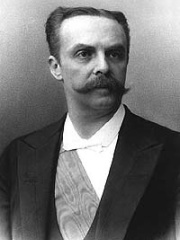
Jean Casimir-Perier
1847 - 1907
HPI: 69.85
排名: 2,948
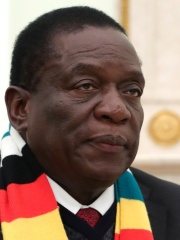
Emmerson Mnangagwa
1942 - 至今
HPI: 69.85
排名: 2,949
Aristagoras
600 BC - 497 BC
HPI: 69.85
排名: 2,950
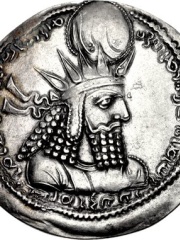
Bahram I
250 - 276
HPI: 69.85
排名: 2,951
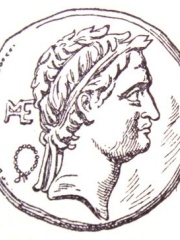
Seleucus IV Philopator
217 BC - 175 BC
HPI: 69.85
排名: 2,952

Charlotte, Queen of Cyprus
1442 - 1487
HPI: 69.84
排名: 2,953

Ma Chao
176 - 222
HPI: 69.84
排名: 2,954
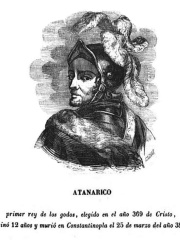
Athanaric
318 - 381
HPI: 69.84
排名: 2,955

Ismail Haniyeh
1962 - 2024
HPI: 69.84
排名: 2,956
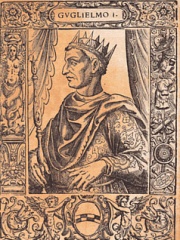
William I of Sicily
1126 - 1166
HPI: 69.84
排名: 2,957

Samora Machel
1933 - 1986
HPI: 69.83
排名: 2,958
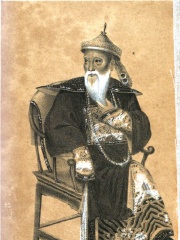
Lin Zexu
1785 - 1850
HPI: 69.83
排名: 2,959
Robert II of Scotland
1316 - 1390
HPI: 69.82
排名: 2,960

同时代人物
在176年出生的人中,Ma Chao排名第1位。 排在他之后的有:Liu Bian. 在222年去世的人中,Ma Chao排名第2位。 排在他之前的有:Elagabalus. 排在他之后的有:Julia Soaemias, Zhang Liao, Gan Ning, Huang Gai, Bardaisan, Ma Liang, Annia Faustina, 和Hierocles.
其他176年出生的人
查看全部排名
其他222年去世的人
查看全部排名
Elagabalus
POLITICIAN
203 - 222
HPI: 81.84
排名: 1
Ma Chao
POLITICIAN
176 - 222
HPI: 69.84
排名: 2
Julia Soaemias
POLITICIAN
180 - 222
HPI: 69.75
排名: 3
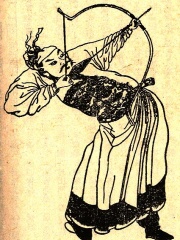
Zhang Liao
MILITARY PERSONNEL
169 - 222
HPI: 69.67
排名: 4
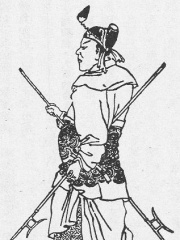
Gan Ning
MILITARY PERSONNEL
175 - 222
HPI: 67.08
排名: 5
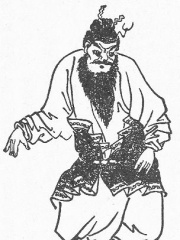
Huang Gai
MILITARY PERSONNEL
145 - 222
HPI: 65.19
排名: 6

Bardaisan
PHILOSOPHER
154 - 222
HPI: 65.10
排名: 7
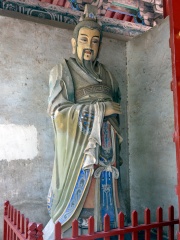
Ma Liang
POLITICIAN
187 - 222
HPI: 63.77
排名: 8
Annia Faustina
POLITICIAN
201 - 222
HPI: 63.53
排名: 9

Hierocles
POLITICIAN
200 - 222
HPI: 60.47
排名: 10
在中国
在出生于中国的人中,Ma Chao排名第192位(共NaN人)。 排在他之前的有:Emperor Taizong of Song (939), King Wen of Zhou (-1112), Yuan Shu (155), Ban Gu (32), Liu Hui (225), 和Benedict Anderson (1936). 排在他之后的有:Han Yu (768), Lin Zexu (1785), King Wu of Zhou (-1150), Zhao Yun (168), Wang Anshi (1021), 和Longqing Emperor (1537).
Emperor Taizong of Song
POLITICIAN
939 - 997
HPI: 70.02
排名: 186
King Wen of Zhou
POLITICIAN
1112 BC - 1050 BC
HPI: 70.02
排名: 187
Yuan Shu
POLITICIAN
155 - 199
HPI: 69.92
排名: 188
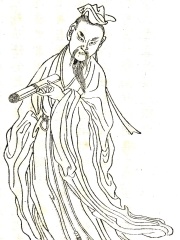
Ban Gu
WRITER
32 - 92
HPI: 69.92
排名: 189
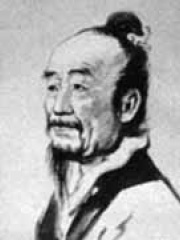
Liu Hui
MATHEMATICIAN
225 - 295
HPI: 69.90
排名: 190

Benedict Anderson
POLITICAL SCIENTIST
1936 - 2015
HPI: 69.90
排名: 191
Ma Chao
POLITICIAN
176 - 222
HPI: 69.84
排名: 192
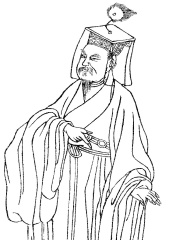
Han Yu
PHILOSOPHER
768 - 824
HPI: 69.83
排名: 193
Lin Zexu
POLITICIAN
1785 - 1850
HPI: 69.83
排名: 194
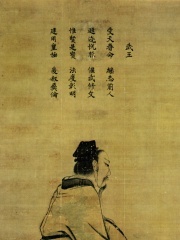
King Wu of Zhou
POLITICIAN
1150 BC - 1043 BC
HPI: 69.82
排名: 195
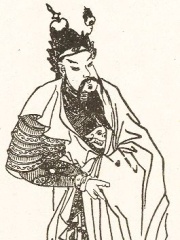
Zhao Yun
MILITARY PERSONNEL
168 - 229
HPI: 69.82
排名: 196
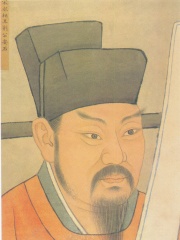
Wang Anshi
ECONOMIST
1021 - 1086
HPI: 69.81
排名: 197
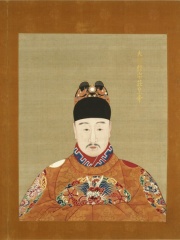
Longqing Emperor
POLITICIAN
1537 - 1572
HPI: 69.78
排名: 198
在中国的政治家中
在出生于中国的政治家中,Ma Chao排名第120位。 排在他之前的有:Emperor Hui of Han (-210), Hyeonjong of Joseon (1641), Jayaatu Khan Tugh Temür (1304), Emperor Taizong of Song (939), King Wen of Zhou (-1112), 和Yuan Shu (155). 排在他之后的有:Lin Zexu (1785), King Wu of Zhou (-1150), Longqing Emperor (1537), Li Peng (1928), King Zhou of Shang (-1105), 和Li Keqiang (1955).

Emperor Hui of Han
210 BC - 188 BC
HPI: 70.26
排名: 114

Hyeonjong of Joseon
1641 - 1674
HPI: 70.13
排名: 115
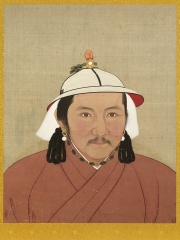
Jayaatu Khan Tugh Temür
1304 - 1332
HPI: 70.13
排名: 116
Emperor Taizong of Song
939 - 997
HPI: 70.02
排名: 117
King Wen of Zhou
1112 BC - 1050 BC
HPI: 70.02
排名: 118
Yuan Shu
155 - 199
HPI: 69.92
排名: 119
Ma Chao
176 - 222
HPI: 69.84
排名: 120
Lin Zexu
1785 - 1850
HPI: 69.83
排名: 121
King Wu of Zhou
1150 BC - 1043 BC
HPI: 69.82
排名: 122
Longqing Emperor
1537 - 1572
HPI: 69.78
排名: 123
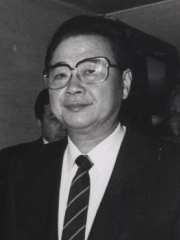
Li Peng
1928 - 2019
HPI: 69.74
排名: 124
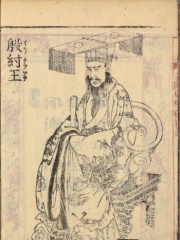
King Zhou of Shang
1105 BC - 1046 BC
HPI: 69.69
排名: 125
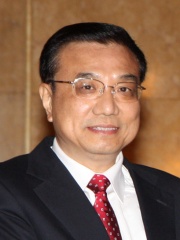
Li Keqiang
1955 - 2023
HPI: 69.69
排名: 126




