作曲家
朱塞佩·威尔第
1813 - 1901
ZH.WIKIPEDIA PAGE VIEWS (PV)
 朱塞佩·威尔第
Memorability Metrics
1.1M
Page Views
Past 12 months
89.28
HPI
Historical Popularity Index
Page views of 朱塞佩·威尔第 by language
Among 作曲家
Among 作曲家, 朱塞佩·威尔第 ranks 7 out of 1,451. Before him are Ludwig van Beethoven, Wolfgang Amadeus Mozart, Johann Sebastian Bach, Frédéric Chopin, Antonio Vivaldi, and Pyotr Ilyich Tchaikovsky. After him are George Frideric Handel, Joseph Haydn, Richard Wagner, Franz Schubert, Igor Stravinsky, and Gustav Mahler.
Most Popular 作曲家 in Wikipedia
Go to all Rankings
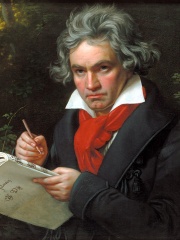
Ludwig van Beethoven
1770 - 1827
HPI: 96.89
Rank: 1
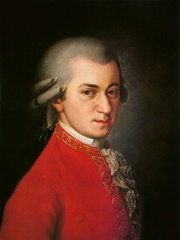
Wolfgang Amadeus Mozart
1756 - 1791
HPI: 95.37
Rank: 2
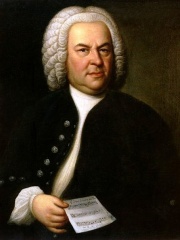
Johann Sebastian Bach
1685 - 1750
HPI: 92.78
Rank: 3
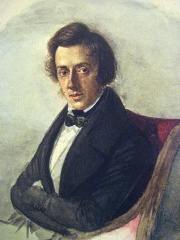
Frédéric Chopin
1810 - 1849
HPI: 92.48
Rank: 4
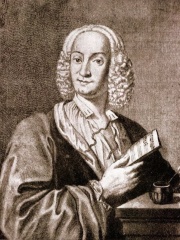
Antonio Vivaldi
1678 - 1741
HPI: 91.00
Rank: 5
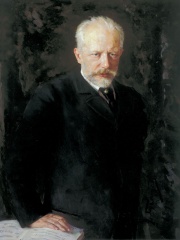
Pyotr Ilyich Tchaikovsky
1840 - 1893
HPI: 89.39
Rank: 6
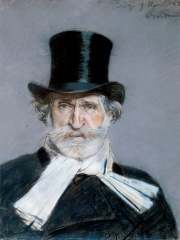
Giuseppe Verdi
1813 - 1901
HPI: 89.28
Rank: 7
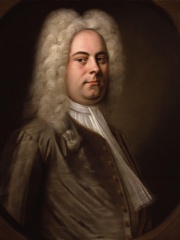
George Frideric Handel
1685 - 1759
HPI: 88.95
Rank: 8
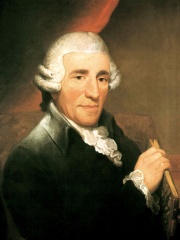
Joseph Haydn
1732 - 1809
HPI: 88.30
Rank: 9
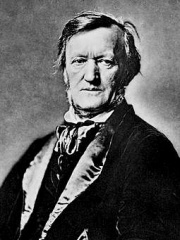
Richard Wagner
1813 - 1883
HPI: 88.15
Rank: 10
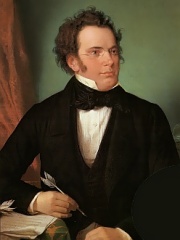
Franz Schubert
1797 - 1828
HPI: 87.80
Rank: 11
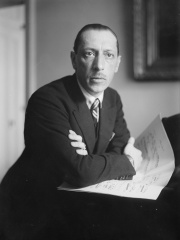
Igor Stravinsky
1882 - 1971
HPI: 87.34
Rank: 12
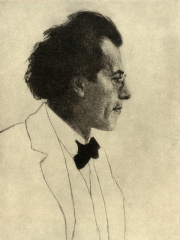
Gustav Mahler
1860 - 1911
HPI: 87.34
Rank: 13

Contemporaries
Among people born in 1813, 朱塞佩·威尔第 ranks 1. After him are Richard Wagner, Søren Kierkegaard, David Livingstone, John Snow, Claude Bernard, Ivar Aasen, Petar II Petrović-Njegoš, Franz Miklosich, Georg Büchner, Baron Alexander von Bach, and Charles-Valentin Alkan. Among people deceased in 1901, 朱塞佩·威尔第 ranks 2. Before him is William McKinley. After him are Queen Victoria, Henri de Toulouse-Lautrec, Victoria, Princess Royal, Johanna Spyri, Leon Czolgosz, Benjamin Harrison, Arnold Böcklin, Adolf Erik Nordenskiöld, George Francis FitzGerald, and Chlodwig, Prince of Hohenlohe-Schillingsfürst.
Others Born in 1813
Go to all RankingsGiuseppe Verdi
COMPOSER
1813 - 1901
HPI: 89.28
Rank: 1
Richard Wagner
COMPOSER
1813 - 1883
HPI: 88.15
Rank: 2
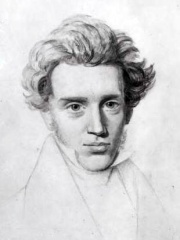
Søren Kierkegaard
PHILOSOPHER
1813 - 1855
HPI: 84.47
Rank: 3
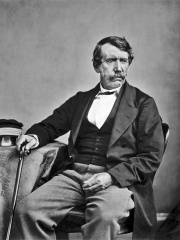
David Livingstone
EXPLORER
1813 - 1873
HPI: 77.19
Rank: 4
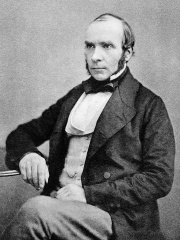
John Snow
PHYSICIAN
1813 - 1858
HPI: 76.33
Rank: 5
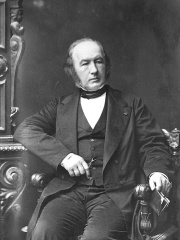
Claude Bernard
PHYSICIAN
1813 - 1878
HPI: 74.84
Rank: 6
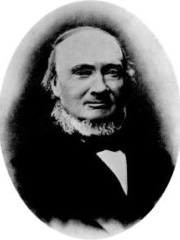
Ivar Aasen
WRITER
1813 - 1896
HPI: 74.48
Rank: 7
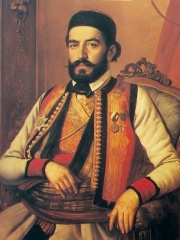
Petar II Petrović-Njegoš
WRITER
1813 - 1851
HPI: 71.12
Rank: 8

Franz Miklosich
LINGUIST
1813 - 1891
HPI: 70.75
Rank: 9
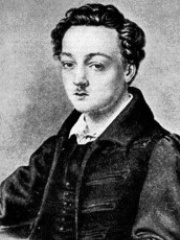
Georg Büchner
WRITER
1813 - 1837
HPI: 70.62
Rank: 10
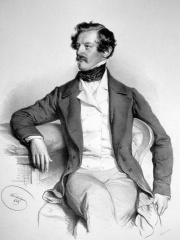
Baron Alexander von Bach
POLITICIAN
1813 - 1893
HPI: 69.71
Rank: 11
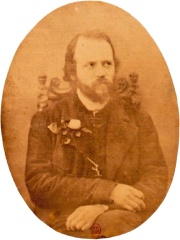
Charles-Valentin Alkan
MUSICIAN
1813 - 1888
HPI: 68.62
Rank: 12
Others Deceased in 1901
Go to all Rankings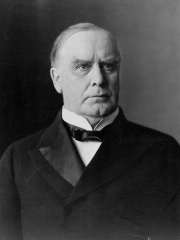
William McKinley
POLITICIAN
1843 - 1901
HPI: 89.29
Rank: 1
Giuseppe Verdi
COMPOSER
1813 - 1901
HPI: 89.28
Rank: 2
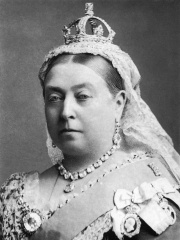
Queen Victoria
POLITICIAN
1819 - 1901
HPI: 86.29
Rank: 3
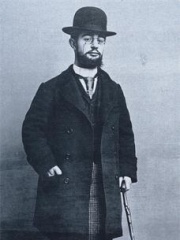
Henri de Toulouse-Lautrec
PAINTER
1864 - 1901
HPI: 80.51
Rank: 4
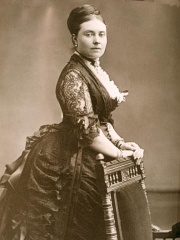
Victoria, Princess Royal
COMPANION
1840 - 1901
HPI: 77.93
Rank: 5
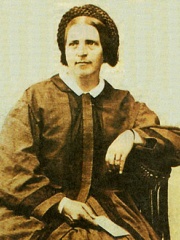
Johanna Spyri
WRITER
1827 - 1901
HPI: 76.73
Rank: 6
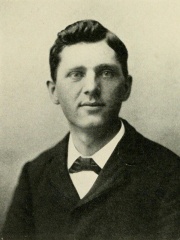
Leon Czolgosz
EXTREMIST
1873 - 1901
HPI: 76.01
Rank: 7
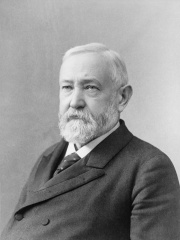
Benjamin Harrison
POLITICIAN
1833 - 1901
HPI: 75.73
Rank: 8
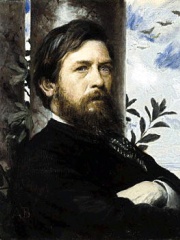
Arnold Böcklin
PAINTER
1827 - 1901
HPI: 74.84
Rank: 9
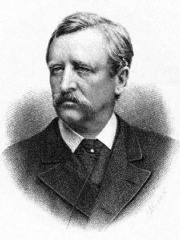
Adolf Erik Nordenskiöld
EXPLORER
1832 - 1901
HPI: 72.76
Rank: 10
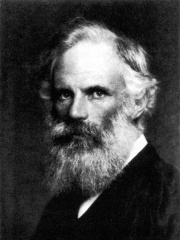
George Francis FitzGerald
PHYSICIST
1851 - 1901
HPI: 71.97
Rank: 11
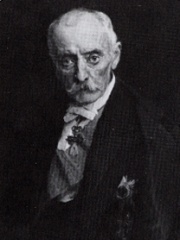
Chlodwig, Prince of Hohenlohe-Schillingsfürst
POLITICIAN
1819 - 1901
HPI: 70.76
Rank: 12
In 意大利
Among people born in 意大利, 朱塞佩·威尔第 ranks 16 out of NaN. Before him are Antonio Vivaldi (1678), Raphael (1483), Niccolò Machiavelli (1469), Pope John Paul I (1912), Commodus (161), and Fibonacci (1170). After him are Thomas Aquinas (1225), Giordano Bruno (1548), Pope Leo XIII (1810), Benito Mussolini (1883), Cicero (-106), and Virgil (-70).
Others born in 意大利
Go to all RankingsAntonio Vivaldi
COMPOSER
1678 - 1741
HPI: 91.00
Rank: 10
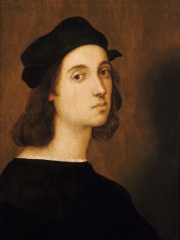
Raphael
PAINTER
1483 - 1520
HPI: 90.99
Rank: 11
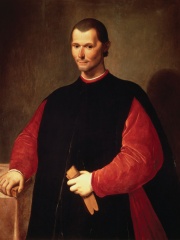
Niccolò Machiavelli
PHILOSOPHER
1469 - 1527
HPI: 90.45
Rank: 12
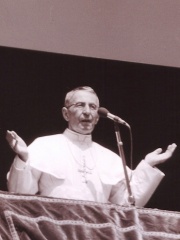
Pope John Paul I
RELIGIOUS FIGURE
1912 - 1978
HPI: 89.80
Rank: 13
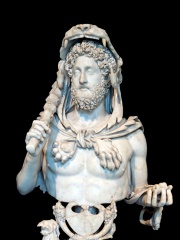
Commodus
POLITICIAN
161 - 192
HPI: 89.79
Rank: 14
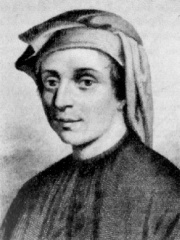
Fibonacci
MATHEMATICIAN
1170 - 1240
HPI: 89.74
Rank: 15
Giuseppe Verdi
COMPOSER
1813 - 1901
HPI: 89.28
Rank: 16
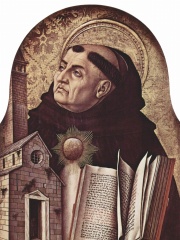
Thomas Aquinas
PHILOSOPHER
1225 - 1274
HPI: 88.70
Rank: 17
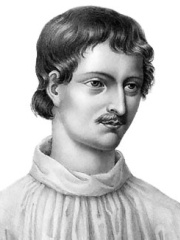
Giordano Bruno
ASTRONOMER
1548 - 1600
HPI: 88.57
Rank: 18
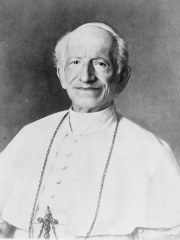
Pope Leo XIII
RELIGIOUS FIGURE
1810 - 1903
HPI: 88.51
Rank: 19
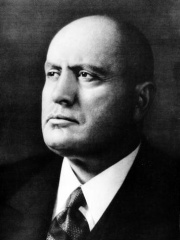
Benito Mussolini
POLITICIAN
1883 - 1945
HPI: 88.36
Rank: 20
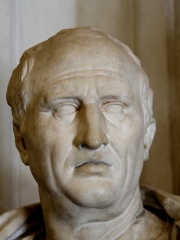
Cicero
POLITICIAN
106 BC - 43 BC
HPI: 88.19
Rank: 21
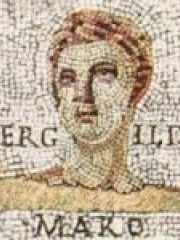
Virgil
WRITER
70 BC - 19 BC
HPI: 88.05
Rank: 22
Among 作曲家 In 意大利
Among 作曲家 born in 意大利, 朱塞佩·威尔第 ranks 2. Before him are Antonio Vivaldi (1678). After him are Giacomo Puccini (1858), Gioachino Rossini (1792), Claudio Monteverdi (1567), Ennio Morricone (1928), Domenico Scarlatti (1685), Antonio Salieri (1750), Gaetano Donizetti (1797), Jean-Baptiste Lully (1632), Tomaso Albinoni (1671), and Guido of Arezzo (991).
Antonio Vivaldi
1678 - 1741
HPI: 91.00
Rank: 1
Giuseppe Verdi
1813 - 1901
HPI: 89.28
Rank: 2
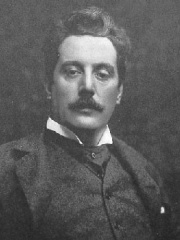
Giacomo Puccini
1858 - 1924
HPI: 85.72
Rank: 3
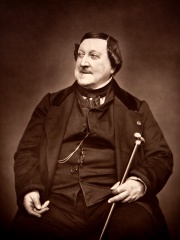
Gioachino Rossini
1792 - 1868
HPI: 83.90
Rank: 4
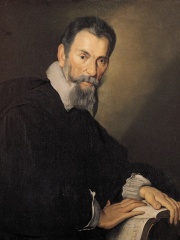
Claudio Monteverdi
1567 - 1643
HPI: 83.41
Rank: 5

Ennio Morricone
1928 - 2020
HPI: 81.73
Rank: 6
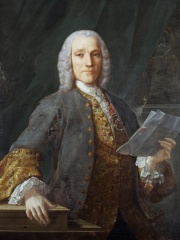
Domenico Scarlatti
1685 - 1757
HPI: 80.67
Rank: 7
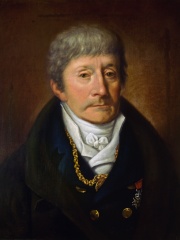
Antonio Salieri
1750 - 1825
HPI: 80.23
Rank: 8
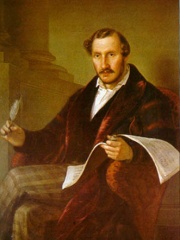
Gaetano Donizetti
1797 - 1848
HPI: 80.22
Rank: 9
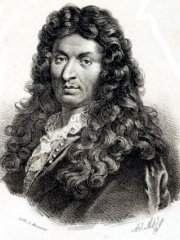
Jean-Baptiste Lully
1632 - 1687
HPI: 80.15
Rank: 10
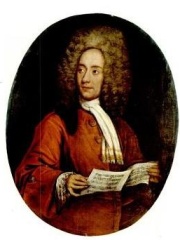
Tomaso Albinoni
1671 - 1751
HPI: 79.90
Rank: 11
Guido of Arezzo
991 - 1050
HPI: 79.78
Rank: 12




