Kompozytor
Gwido z Arezzo
991 - 1050
WYŚWIETLENIA PL.WIKIPEDIA (PV)
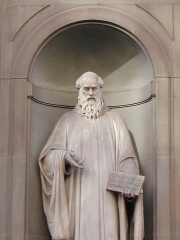
 Gwido z Arezzo
Jego biografia jest dostępna w 58 różnych językach w Wikipedii (wzrost z 57 w 2024 roku). Gwido z Arezzo jest 49. najpopularniejszym kompozytor (spadek z 34. w 2024 roku), 213. najpopularniejszą biografią Włochy (spadek z 122. w 2019 roku) oraz 12. najpopularniejszym kompozytor Włochy.
Wskaźniki rozpoznawalności
180k
Wyświetlenia strony
Ostatnie 12 miesięcy
79.78
HPI
Indeks historycznej popularności
Wyświetlenia strony Gwido z Arezzo według języka
Wśród przedstawicieli zawodu Kompozytor
Wśród przedstawicieli zawodu „Kompozytor” Gwido z Arezzo zajmuje 49. miejsce na 1,451. Przed nim są Gaetano Donizetti, Jean-Baptiste Lully, Orlande de Lassus, Tomaso Albinoni, Modest Mussorgsky, i Anton Bruckner. Po nim są Stefania Turkewich, Vincenzo Bellini, Arnold Schoenberg, Edward Elgar, Georg Philipp Telemann, i Aram Khachaturian.
Najpopularniejsi w Wikipedii: Kompozytor
Zobacz wszystkie rankingi
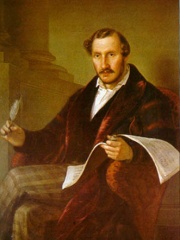
Gaetano Donizetti
1797 - 1848
HPI: 80.22
Miejsce: 43
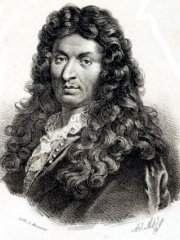
Jean-Baptiste Lully
1632 - 1687
HPI: 80.15
Miejsce: 44
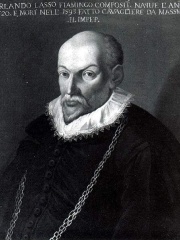
Orlande de Lassus
1534 - 1594
HPI: 79.92
Miejsce: 45
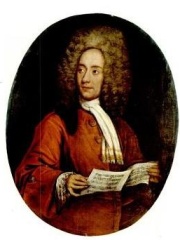
Tomaso Albinoni
1671 - 1751
HPI: 79.90
Miejsce: 46
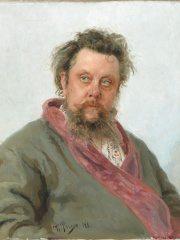
Modest Mussorgsky
1839 - 1881
HPI: 79.87
Miejsce: 47
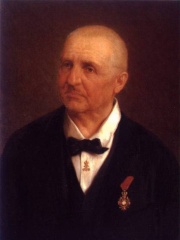
Anton Bruckner
1824 - 1896
HPI: 79.85
Miejsce: 48
Guido of Arezzo
991 - 1050
HPI: 79.78
Miejsce: 49
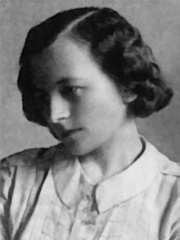
Stefania Turkewich
1898 - 1977
HPI: 79.75
Miejsce: 50
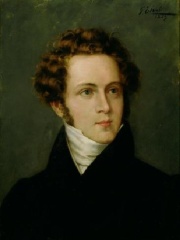
Vincenzo Bellini
1801 - 1835
HPI: 79.74
Miejsce: 51
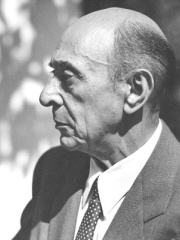
Arnold Schoenberg
1874 - 1951
HPI: 79.61
Miejsce: 52
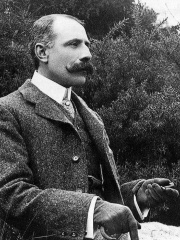
Edward Elgar
1857 - 1934
HPI: 79.61
Miejsce: 53
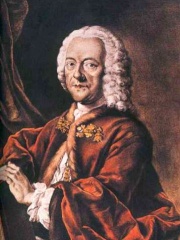
Georg Philipp Telemann
1681 - 1767
HPI: 79.39
Miejsce: 54
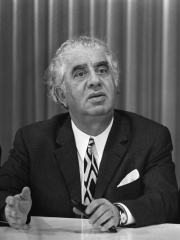
Aram Khachaturian
1903 - 1978
HPI: 79.24
Miejsce: 55

Współcześni
Wśród osób urodzonych w 991 roku Gwido z Arezzo zajmuje 1. miejsce. Wśród osób zmarłych w 1050 roku Gwido z Arezzo zajmuje 2. miejsce. Przed nim jest Zoë Porphyrogenita. Po nim są Peter, King of Hungary, Anund Jacob, Ingegerd Olofsdotter of Sweden, Herleva, Suryavarman I, i Einar Thambarskelfir.
Inne osoby urodzone w 991 roku
Zobacz wszystkie rankingiInne osoby zmarłe w 1050 roku
Zobacz wszystkie rankingi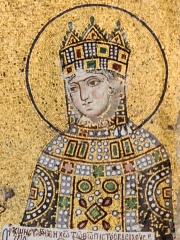
Zoë Porphyrogenita
POLITICIAN
978 - 1050
HPI: 80.62
Miejsce: 1
Guido of Arezzo
COMPOSER
991 - 1050
HPI: 79.78
Miejsce: 2
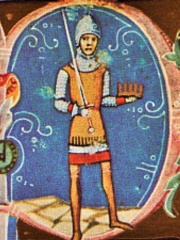
Peter, King of Hungary
POLITICIAN
1011 - 1050
HPI: 70.97
Miejsce: 3
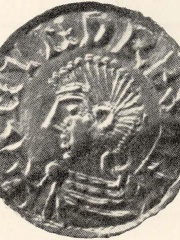
Anund Jacob
POLITICIAN
1008 - 1050
HPI: 69.23
Miejsce: 4
Ingegerd Olofsdotter of Sweden
NOBLEMAN
1001 - 1050
HPI: 66.87
Miejsce: 5
Herleva
POLITICIAN
1003 - 1050
HPI: 64.60
Miejsce: 6

Suryavarman I
POLITICIAN
1000 - 1050
HPI: 64.43
Miejsce: 7
Einar Thambarskelfir
POLITICIAN
980 - 1050
HPI: 61.48
Miejsce: 8
W kraju Włochy
Wśród osób urodzonych w kraju Włochy Gwido z Arezzo zajmuje 213. miejsce na NaN. Przed nim są Cato the Elder (-243), Messalina (17), Clare of Assisi (1193), Gerolamo Cardano (1501), Pope Martin V (1369), i Pope Boniface I (370). Po nim są Pope Eugene III (1080), Didius Julianus (133), Pope Alexander I (100), Pope John XIX (975), Vincenzo Bellini (1801), i Gina Lollobrigida (1927).
Inne osoby urodzone w kraju Włochy
Zobacz wszystkie rankingi
Cato the Elder
WRITER
243 BC - 149 BC
HPI: 79.82
Miejsce: 207
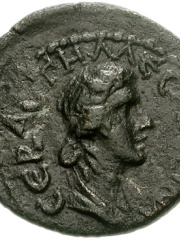
Messalina
COMPANION
17 - 48
HPI: 79.81
Miejsce: 208
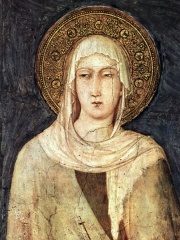
Clare of Assisi
RELIGIOUS FIGURE
1193 - 1253
HPI: 79.80
Miejsce: 209
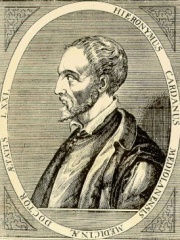
Gerolamo Cardano
MATHEMATICIAN
1501 - 1576
HPI: 79.79
Miejsce: 210
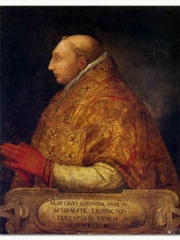
Pope Martin V
RELIGIOUS FIGURE
1369 - 1431
HPI: 79.79
Miejsce: 211
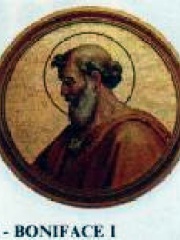
Pope Boniface I
RELIGIOUS FIGURE
370 - 422
HPI: 79.79
Miejsce: 212
Guido of Arezzo
COMPOSER
991 - 1050
HPI: 79.78
Miejsce: 213
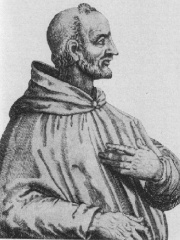
Pope Eugene III
RELIGIOUS FIGURE
1080 - 1153
HPI: 79.78
Miejsce: 214
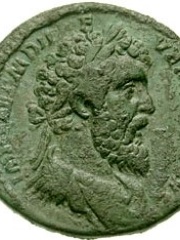
Didius Julianus
POLITICIAN
133 - 193
HPI: 79.76
Miejsce: 215
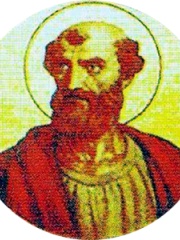
Pope Alexander I
RELIGIOUS FIGURE
100 - 116
HPI: 79.74
Miejsce: 216
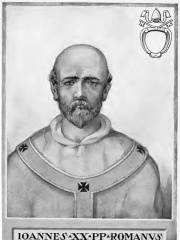
Pope John XIX
RELIGIOUS FIGURE
975 - 1032
HPI: 79.74
Miejsce: 217
Vincenzo Bellini
COMPOSER
1801 - 1835
HPI: 79.74
Miejsce: 218
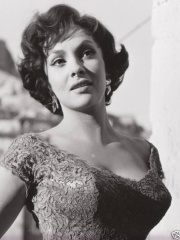
Gina Lollobrigida
ACTOR
1927 - 2023
HPI: 79.72
Miejsce: 219
Wśród przedstawicieli zawodu Kompozytor w kraju Włochy
Wśród przedstawicieli zawodu „Kompozytor” urodzonych w kraju Włochy Gwido z Arezzo zajmuje 12. miejsce. Przed nim są Ennio Morricone (1928), Domenico Scarlatti (1685), Antonio Salieri (1750), Gaetano Donizetti (1797), Jean-Baptiste Lully (1632), i Tomaso Albinoni (1671). Po nim są Vincenzo Bellini (1801), Giovanni Battista Pergolesi (1710), Alessandro Scarlatti (1660), Luigi Cherubini (1760), Luigi Boccherini (1743), i Nino Rota (1911).
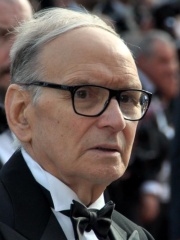
Ennio Morricone
1928 - 2020
HPI: 81.73
Miejsce: 6
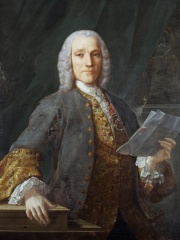
Domenico Scarlatti
1685 - 1757
HPI: 80.67
Miejsce: 7
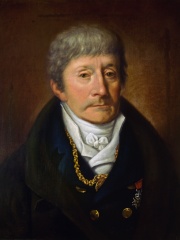
Antonio Salieri
1750 - 1825
HPI: 80.23
Miejsce: 8
Gaetano Donizetti
1797 - 1848
HPI: 80.22
Miejsce: 9
Jean-Baptiste Lully
1632 - 1687
HPI: 80.15
Miejsce: 10
Tomaso Albinoni
1671 - 1751
HPI: 79.90
Miejsce: 11
Guido of Arezzo
991 - 1050
HPI: 79.78
Miejsce: 12
Vincenzo Bellini
1801 - 1835
HPI: 79.74
Miejsce: 13
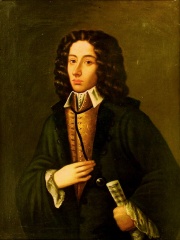
Giovanni Battista Pergolesi
1710 - 1736
HPI: 78.19
Miejsce: 14
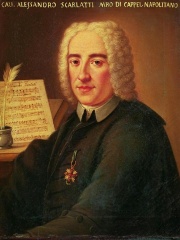
Alessandro Scarlatti
1660 - 1725
HPI: 77.56
Miejsce: 15
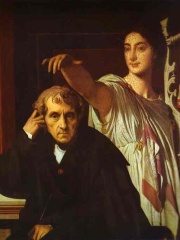
Luigi Cherubini
1760 - 1842
HPI: 75.85
Miejsce: 16
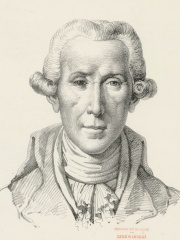
Luigi Boccherini
1743 - 1805
HPI: 75.85
Miejsce: 17
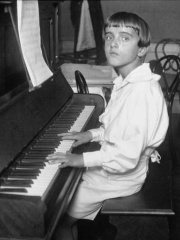
Nino Rota
1911 - 1979
HPI: 75.60
Miejsce: 18




