政治家
Agis II
490 BC - 401 BC
ZH.WIKIPEDIA 页面浏览量 (PV)
 Agis II
知名度指标
23k
页面浏览量
过去12个月
66.33
HPI
历史知名度指数
Agis II的各语言页面浏览量
在政治家中
在政治家中,Agis II排名第5,167位(共19,576人)。 排在他之前的有:Rafael Caldera, Emperor An of Han, Utu-hengal, Richard Neville, 16th Earl of Warwick, Gaius Scribonius Curio, 和Emperor Guangzong of Song. 排在他之后的有:Aleksandar Stamboliyski, Mehmed Emin Âli Pasha, Countess Claudine Rhédey von Kis-Rhéde, Princess Marie Isabelle of Orléans, Favila of Asturias, 和Emperor Go-Horikawa.
维基百科上最受欢迎的政治家
查看全部排名
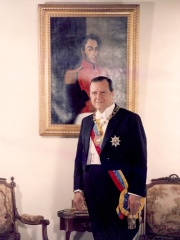
Rafael Caldera
1916 - 2009
HPI: 66.34
排名: 5,163

Emperor An of Han
94 - 125
HPI: 66.34
排名: 5,164
Utu-hengal
2200 BC - 2200 BC
HPI: 66.34
排名: 5,165
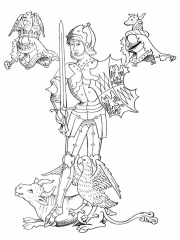
Richard Neville, 16th Earl of Warwick
1428 - 1471
HPI: 66.34
排名: 5,166

Gaius Scribonius Curio
90 BC - 49 BC
HPI: 66.33
排名: 5,167
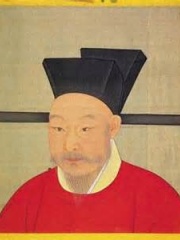
Emperor Guangzong of Song
1147 - 1200
HPI: 66.33
排名: 5,168

Agis II
490 BC - 401 BC
HPI: 66.33
排名: 5,169
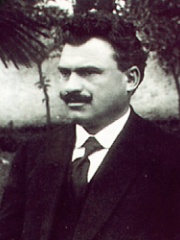
Aleksandar Stamboliyski
1879 - 1923
HPI: 66.33
排名: 5,170
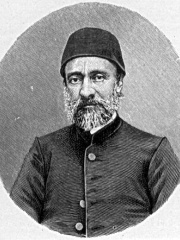
Mehmed Emin Âli Pasha
1815 - 1871
HPI: 66.33
排名: 5,171
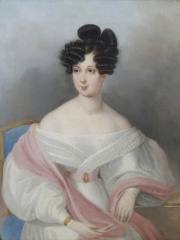
Countess Claudine Rhédey von Kis-Rhéde
1812 - 1841
HPI: 66.33
排名: 5,172
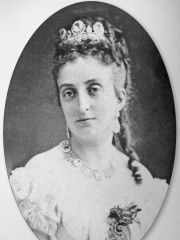
Princess Marie Isabelle of Orléans
1848 - 1919
HPI: 66.32
排名: 5,173
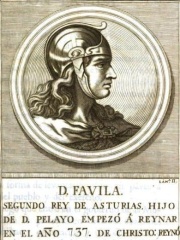
Favila of Asturias
715 - 739
HPI: 66.32
排名: 5,174

Emperor Go-Horikawa
1212 - 1234
HPI: 66.32
排名: 5,175

同时代人物
在490 BC年出生的人中,Agis II排名第8位。 排在他之前的有:Phidias, Zeno of Elea, Nehemiah, Archelaus I of Macedon, Hellanicus of Lesbos, 和Bacchylides. 排在他之后的有:Crateuas of Macedon, Ion of Chios, Nepherites I, 和Oenopides. 在401 BC年去世的人中,Agis II排名第5位。 排在他之前的有:Zechariah, Ezra, Cyrus the Younger, 和Agathon. 排在他之后的有:Clearchus of Sparta, 和Megabyzus.
其他490 BC年出生的人
查看全部排名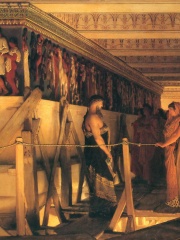
Phidias
SCULPTOR
490 BC - 430 BC
HPI: 82.85
排名: 2
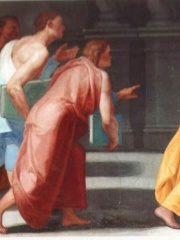
Zeno of Elea
PHILOSOPHER
490 BC - 425 BC
HPI: 81.64
排名: 3
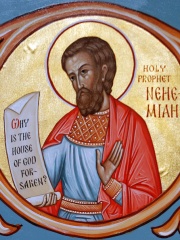
Nehemiah
RELIGIOUS FIGURE
490 BC - 403 BC
HPI: 75.88
排名: 4
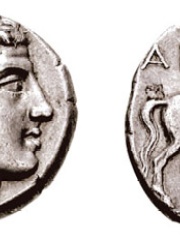
Archelaus I of Macedon
POLITICIAN
490 BC - 399 BC
HPI: 74.01
排名: 5

Hellanicus of Lesbos
WRITER
490 BC - 405 BC
HPI: 71.15
排名: 6

Bacchylides
WRITER
490 BC - 451 BC
HPI: 69.29
排名: 7
Agis II
POLITICIAN
490 BC - 401 BC
HPI: 66.33
排名: 8

Crateuas of Macedon
POLITICIAN
490 BC - 400 BC
HPI: 65.29
排名: 9

Ion of Chios
WRITER
490 BC - 422 BC
HPI: 63.12
排名: 10
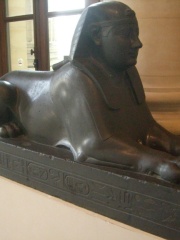
Nepherites I
POLITICIAN
490 BC - 393 BC
HPI: 61.80
排名: 11

Oenopides
ASTRONOMER
490 BC - 420 BC
HPI: 59.84
排名: 12
其他401 BC年去世的人
查看全部排名
Zechariah
RELIGIOUS FIGURE
550 BC - 401 BC
HPI: 78.56
排名: 1
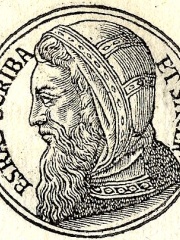
Ezra
RELIGIOUS FIGURE
500 BC - 401 BC
HPI: 77.65
排名: 2
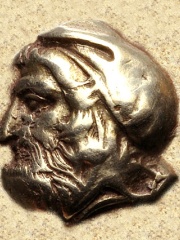
Cyrus the Younger
POLITICIAN
500 BC - 401 BC
HPI: 72.58
排名: 3
Agathon
WRITER
448 BC - 401 BC
HPI: 68.16
排名: 4
Agis II
POLITICIAN
490 BC - 401 BC
HPI: 66.33
排名: 5
Clearchus of Sparta
MILITARY PERSONNEL
401 BC - 401 BC
HPI: 60.89
排名: 6
Megabyzus
MILITARY PERSONNEL
516 BC - 401 BC
HPI: 59.62
排名: 7
在希腊
在出生于希腊的人中,Agis II排名第302位(共NaN人)。 排在他之前的有:Katina Paxinou (1900), Chares of Lindos (-400), Antilochus (null), Theaetetus (-417), Dimitri Mitropoulos (1896), 和Georgios Papandreou (1888). 排在他之后的有:Machaon (null), Patriarch Theophilos III of Jerusalem (1952), Princess Margarita of Greece and Denmark (1905), Piri Mehmed Pasha (1458), Princess Irene, Duchess of Aosta (1904), 和Timoleon (-411).
Katina Paxinou
ACTOR
1900 - 1973
HPI: 66.62
排名: 296
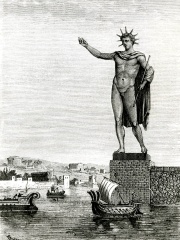
Chares of Lindos
SCULPTOR
400 BC - 280 BC
HPI: 66.58
排名: 297
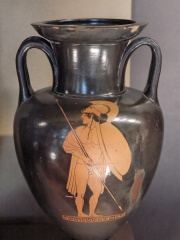
Antilochus
POLITICIAN
HPI: 66.52
排名: 298

Theaetetus
MATHEMATICIAN
417 BC - 369 BC
HPI: 66.49
排名: 299
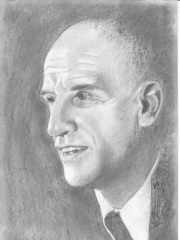
Dimitri Mitropoulos
CONDUCTOR
1896 - 1960
HPI: 66.46
排名: 300
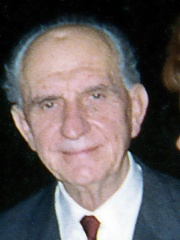
Georgios Papandreou
POLITICIAN
1888 - 1968
HPI: 66.44
排名: 301
Agis II
POLITICIAN
490 BC - 401 BC
HPI: 66.33
排名: 302

Machaon
POLITICIAN
HPI: 66.29
排名: 303
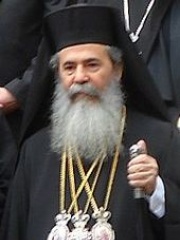
Patriarch Theophilos III of Jerusalem
RELIGIOUS FIGURE
1952 - 至今
HPI: 66.24
排名: 304
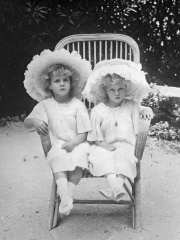
Princess Margarita of Greece and Denmark
POLITICIAN
1905 - 1981
HPI: 66.24
排名: 305
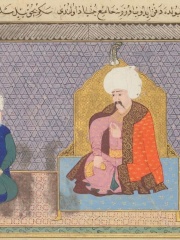
Piri Mehmed Pasha
POLITICIAN
1458 - 1532
HPI: 66.23
排名: 306
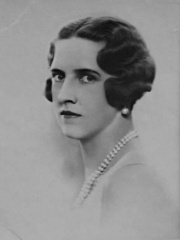
Princess Irene, Duchess of Aosta
COMPANION
1904 - 1974
HPI: 66.20
排名: 307
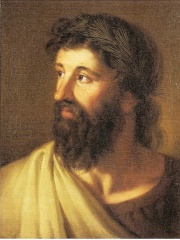
Timoleon
POLITICIAN
411 BC - 337 BC
HPI: 66.19
排名: 308
在希腊的政治家中
在出生于希腊的政治家中,Agis II排名第127位。 排在他之前的有:Andreas Palaiologos (1453), Leonnatus (-356), Lycurgus of Athens (-390), Julia Livilla (18), Antilochus (null), 和Georgios Papandreou (1888). 排在他之后的有:Machaon (null), Princess Margarita of Greece and Denmark (1905), Piri Mehmed Pasha (1458), Timoleon (-411), Loukas Notaras (1402), 和Andronikos Palaiologos (1400).
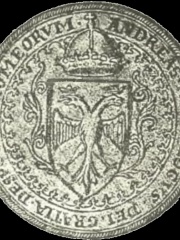
Andreas Palaiologos
1453 - 1502
HPI: 66.70
排名: 121
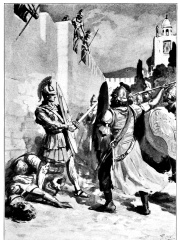
Leonnatus
356 BC - 322 BC
HPI: 66.70
排名: 122

Lycurgus of Athens
390 BC - 324 BC
HPI: 66.69
排名: 123
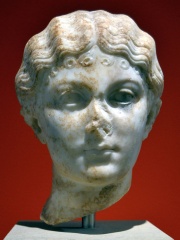
Julia Livilla
18 - 42
HPI: 66.64
排名: 124
Antilochus
HPI: 66.52
排名: 125
Georgios Papandreou
1888 - 1968
HPI: 66.44
排名: 126
Agis II
490 BC - 401 BC
HPI: 66.33
排名: 127
Machaon
HPI: 66.29
排名: 128
Princess Margarita of Greece and Denmark
1905 - 1981
HPI: 66.24
排名: 129
Piri Mehmed Pasha
1458 - 1532
HPI: 66.23
排名: 130
Timoleon
411 BC - 337 BC
HPI: 66.19
排名: 131

Loukas Notaras
1402 - 1453
HPI: 66.19
排名: 132
Andronikos Palaiologos
1400 - 1428
HPI: 66.19
排名: 133




