Политик
Ли Ши-минь
598 - 649
RU.WIKIPEDIA PAGE VIEWS (PV)
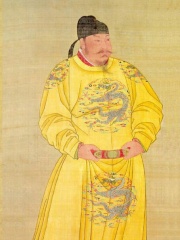
 Ли Ши-минь
Его биография доступна на 50 различных языках в Википедии. Ли Ши-минь занимает 632-е место среди самых популярных политик (снижение с 441-е места в 2024 году), занимает 41-е место среди самых популярных биографий из Китайа (снижение с 34-е места в 2019 году) и занимает 22-е место среди политик Китай.
Memorability Metrics
800k
Page Views
Past 12 months
78.06
HPI
Historical Popularity Index
Page views of Ли Ши-минь by language
Among Политик
Among политик, Ли Ши-минь ranks 632 out of 19,576. Before him are Merneptah, Albert II of Belgium, Ahmad Shah Durrani, Richard II of England, Malik-Shah I, and Licinius. After him are Ferdinand III, Holy Roman Emperor, Henry II, Holy Roman Emperor, Herbert Hoover, Valéry Giscard d'Estaing, Louis X of France, and Ernest Augustus, King of Hanover.
Most Popular Политик in Wikipedia
Go to all Rankings
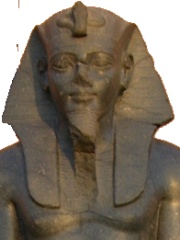
Merneptah
1300 BC - 1203 BC
HPI: 78.10
Rank: 626
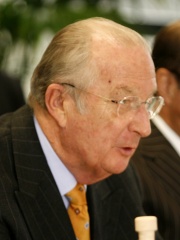
Albert II of Belgium
1934 - Present
HPI: 78.10
Rank: 627
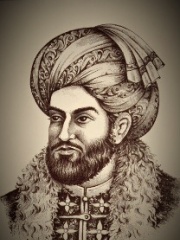
Ahmad Shah Durrani
1722 - 1772
HPI: 78.09
Rank: 628
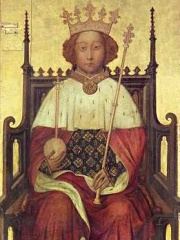
Richard II of England
1367 - 1400
HPI: 78.08
Rank: 629
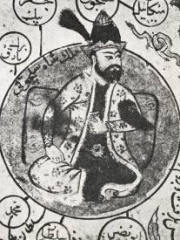
Malik-Shah I
1055 - 1092
HPI: 78.06
Rank: 630
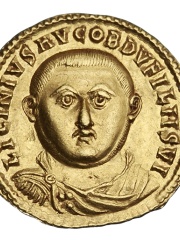
Licinius
263 - 325
HPI: 78.06
Rank: 631
Emperor Taizong of Tang
598 - 649
HPI: 78.06
Rank: 632
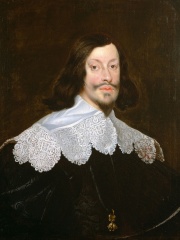
Ferdinand III, Holy Roman Emperor
1608 - 1657
HPI: 78.06
Rank: 633
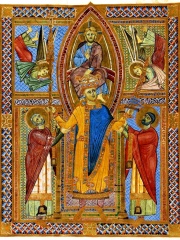
Henry II, Holy Roman Emperor
973 - 1024
HPI: 78.04
Rank: 634
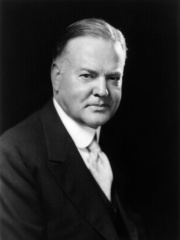
Herbert Hoover
1874 - 1964
HPI: 78.01
Rank: 635
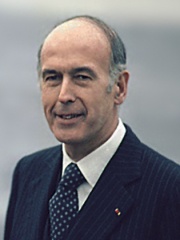
Valéry Giscard d'Estaing
1926 - 2020
HPI: 78.01
Rank: 636
Louis X of France
1289 - 1316
HPI: 78.00
Rank: 637
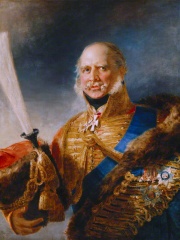
Ernest Augustus, King of Hanover
1771 - 1851
HPI: 77.97
Rank: 638

Contemporaries
Among people born in 598, Ли Ши-минь ranks 2. Before him is Brahmagupta. After him are Ruqayyah bint Muhammad, Qasim ibn Muhammad, Ikrima ibn Abi Jahl, Martina, and Princess Pingyang. Among people deceased in 649, Ли Ши-минь ranks 1. After him are John Climacus, Pope Theodore I, and Ubayy ibn Ka'b.
Others Born in 598
Go to all Rankings
Brahmagupta
MATHEMATICIAN
598 - 670
HPI: 78.74
Rank: 1
Emperor Taizong of Tang
POLITICIAN
598 - 649
HPI: 78.06
Rank: 2

Ruqayyah bint Muhammad
RELIGIOUS FIGURE
598 - 624
HPI: 75.14
Rank: 3

Qasim ibn Muhammad
RELIGIOUS FIGURE
598 - 600
HPI: 70.99
Rank: 4

Ikrima ibn Abi Jahl
MILITARY PERSONNEL
598 - 636
HPI: 65.74
Rank: 5
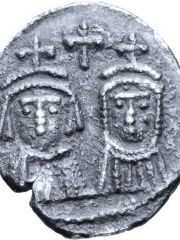
Martina
POLITICIAN
598 - 641
HPI: 64.97
Rank: 6
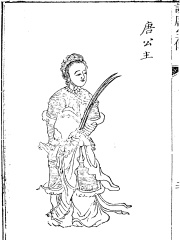
Princess Pingyang
MILITARY PERSONNEL
598 - 623
HPI: 62.65
Rank: 7
Others Deceased in 649
Go to all RankingsEmperor Taizong of Tang
POLITICIAN
598 - 649
HPI: 78.06
Rank: 1
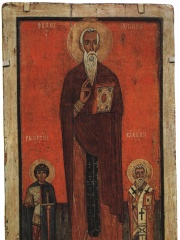
John Climacus
RELIGIOUS FIGURE
579 - 649
HPI: 73.89
Rank: 2
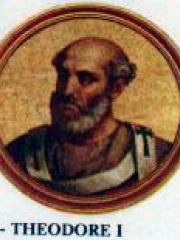
Pope Theodore I
RELIGIOUS FIGURE
600 - 649
HPI: 71.78
Rank: 3

Ubayy ibn Ka'b
RELIGIOUS FIGURE
600 - 649
HPI: 66.46
Rank: 4
In Китай
Among people born in Китай, Ли Ши-минь ranks 41 out of NaN. Before him are Xuanzang (602), Hongwu Emperor (1328), Liu Bei (161), Guan Yu (162), Yongle Emperor (1360), and Zhou Enlai (1898). After him are Emperor Wu of Han (-156), Lü Bu (161), Ching Shih (1775), Emperor Gaozu of Han (-256), Lu Xun (1881), and Mahmud al-Kashgari (1029).
Others born in Китай
Go to all Rankings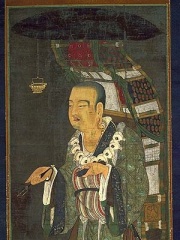
Xuanzang
EXPLORER
602 - 664
HPI: 78.93
Rank: 35
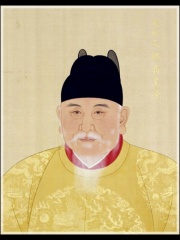
Hongwu Emperor
POLITICIAN
1328 - 1398
HPI: 78.82
Rank: 36
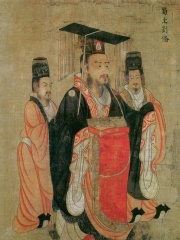
Liu Bei
POLITICIAN
161 - 223
HPI: 78.72
Rank: 37
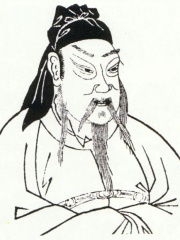
Guan Yu
MILITARY PERSONNEL
162 - 220
HPI: 78.46
Rank: 38
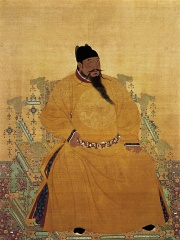
Yongle Emperor
POLITICIAN
1360 - 1424
HPI: 78.44
Rank: 39
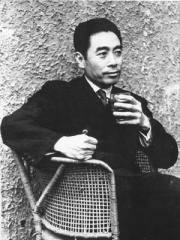
Zhou Enlai
POLITICIAN
1898 - 1976
HPI: 78.26
Rank: 40
Emperor Taizong of Tang
POLITICIAN
598 - 649
HPI: 78.06
Rank: 41
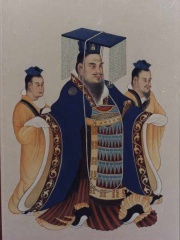
Emperor Wu of Han
POLITICIAN
156 BC - 87 BC
HPI: 77.80
Rank: 42
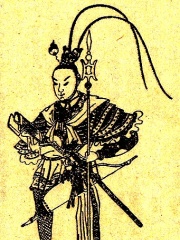
Lü Bu
MILITARY PERSONNEL
161 - 199
HPI: 77.65
Rank: 43
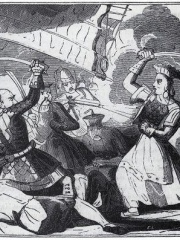
Ching Shih
PIRATE
1775 - 1844
HPI: 77.61
Rank: 44
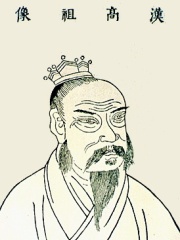
Emperor Gaozu of Han
POLITICIAN
256 BC - 195 BC
HPI: 77.59
Rank: 45
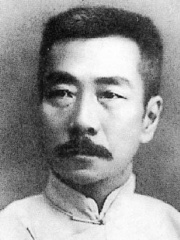
Lu Xun
WRITER
1881 - 1936
HPI: 77.56
Rank: 46
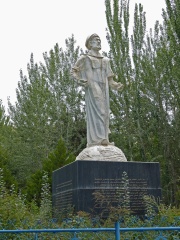
Mahmud al-Kashgari
LINGUIST
1029 - 1101
HPI: 77.39
Rank: 47
Among Политик In Китай
Among политик born in Китай, Ли Ши-минь ranks 22. Before him are Jiang Zemin (1926), Kangxi Emperor (1654), Hongwu Emperor (1328), Liu Bei (161), Yongle Emperor (1360), and Zhou Enlai (1898). After him are Emperor Wu of Han (-156), Emperor Gaozu of Han (-256), Nurhaci (1559), Yuan Shikai (1859), Hong Taiji (1592), and Emperor Gaozu of Tang (566).
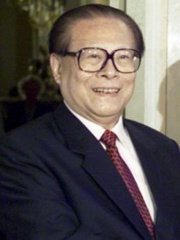
Jiang Zemin
1926 - 2022
HPI: 79.12
Rank: 16
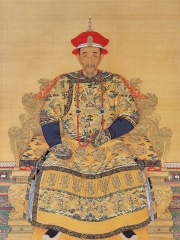
Kangxi Emperor
1654 - 1722
HPI: 78.96
Rank: 17
Hongwu Emperor
1328 - 1398
HPI: 78.82
Rank: 18
Liu Bei
161 - 223
HPI: 78.72
Rank: 19
Yongle Emperor
1360 - 1424
HPI: 78.44
Rank: 20
Zhou Enlai
1898 - 1976
HPI: 78.26
Rank: 21
Emperor Taizong of Tang
598 - 649
HPI: 78.06
Rank: 22
Emperor Wu of Han
156 BC - 87 BC
HPI: 77.80
Rank: 23
Emperor Gaozu of Han
256 BC - 195 BC
HPI: 77.59
Rank: 24
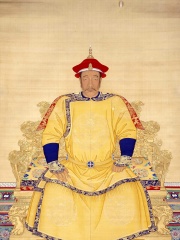
Nurhaci
1559 - 1626
HPI: 77.12
Rank: 25
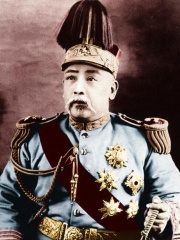
Yuan Shikai
1859 - 1916
HPI: 76.77
Rank: 26
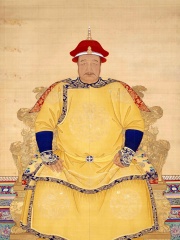
Hong Taiji
1592 - 1643
HPI: 76.49
Rank: 27
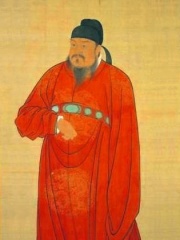
Emperor Gaozu of Tang
566 - 635
HPI: 76.08
Rank: 28




