Figura religiosa
Shinran
1173 - 1263
VISUALIZAÇÕES EM PT.WIKIPEDIA (PV)
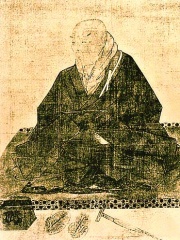
 Shinran
Sua biografia está disponível em 24 idiomas na Wikipédia (aumento em relação a 23 em 2024). Shinran é o 1378º figura religiosa mais popular (caiu do 1258º em 2024), a 593ª biografia mais popular do Japão (caiu do 524ª em 2019) e o 14º figura religiosa mais popular do Japão.
Métricas de memorabilidade
290k
Visualizações
Últimos 12 meses
64.07
HPI
Índice de Popularidade Histórica
Destaques dos dados
#21,975
Mais de 7 séculos após a morte, Shinran ainda ocupa a posição nº 21,975 entre todas as personalidades do Pantheon.
28 de mai.
Shinran faz aniversário no mesmo dia (28 de maio) que Selim II, George I of Great Britain e Edvard Beneš.
Visualizações da página de Shinran por idioma
Entre Figura religiosa
Entre Figura religiosa, Shinran ocupa a posição 1,378 de 3,187. Antes dele vêm Johannes Oecolampadius, Abdul-Aziz ibn Abdullah Al ash-Sheikh, Meletius IV of Constantinople, Saichō, Barsanuphius, e Dominik Duka. Depois dele vêm Ignatius IV of Antioch, Shamgar, Muhammad ibn Ya'qub al-Kulayni, Cristóvão Ferreira, Sultan Walad, e Laurent Monsengwo Pasinya.
Figura religiosa mais populares na Wikipédia
Ver todas as classificações
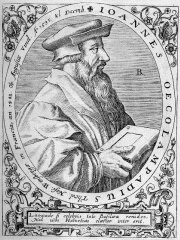
Johannes Oecolampadius
1482 - 1531
HPI: 64.13
Posição: 1,372
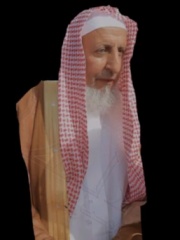
Abdul-Aziz ibn Abdullah Al ash-Sheikh
1943 - 2025
HPI: 64.12
Posição: 1,373
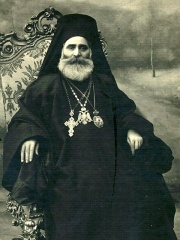
Meletius IV of Constantinople
1871 - 1935
HPI: 64.10
Posição: 1,374
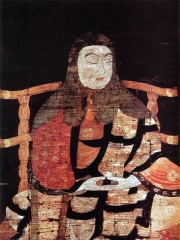
Saichō
767 - 822
HPI: 64.08
Posição: 1,375

Barsanuphius
401 - 540
HPI: 64.08
Posição: 1,376
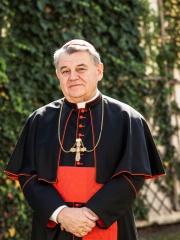
Dominik Duka
1943 - 2025
HPI: 64.07
Posição: 1,377
Shinran
1173 - 1263
HPI: 64.07
Posição: 1,378
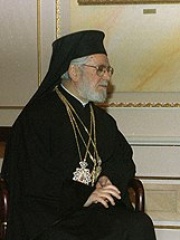
Ignatius IV of Antioch
1920 - 2012
HPI: 64.07
Posição: 1,379
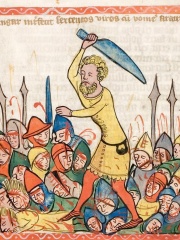
Shamgar
HPI: 64.07
Posição: 1,380

Muhammad ibn Ya'qub al-Kulayni
864 - 941
HPI: 64.07
Posição: 1,381
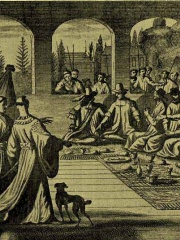
Cristóvão Ferreira
1580 - 1650
HPI: 64.05
Posição: 1,382

Sultan Walad
1226 - 1312
HPI: 64.04
Posição: 1,383
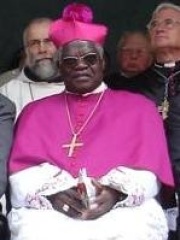
Laurent Monsengwo Pasinya
1939 - 2021
HPI: 64.03
Posição: 1,384

Contemporâneos
Entre as pessoas nascidas em 1173, Shinran ocupa a posição 3. Antes dele vêm Llywelyn the Great, e Louis I, Duke of Bavaria. Depois dele vêm Eudokia Angelina, e Henry V, Count Palatine of the Rhine. Entre as pessoas falecidas em 1263, Shinran ocupa a posição 5. Antes dele vêm Alexander Nevsky, Haakon IV of Norway, Mindaugas, e Manuel I of Trebizond. Depois dele vêm Boniface, Count of Savoy, e Guy I de la Roche.
Outras pessoas nascidas em 1173
Ver todas as classificações
Llywelyn the Great
POLITICIAN
1173 - 1240
HPI: 72.46
Posição: 1
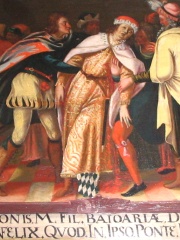
Louis I, Duke of Bavaria
POLITICIAN
1173 - 1231
HPI: 68.31
Posição: 2
Shinran
RELIGIOUS FIGURE
1173 - 1263
HPI: 64.07
Posição: 3

Eudokia Angelina
POLITICIAN
1173 - 1211
HPI: 63.00
Posição: 4
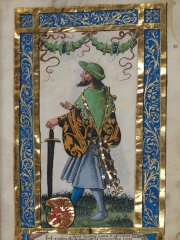
Henry V, Count Palatine of the Rhine
POLITICIAN
1173 - 1227
HPI: 62.31
Posição: 5
Outras pessoas falecidas em 1263
Ver todas as classificações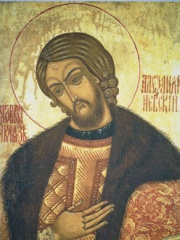
Alexander Nevsky
NOBLEMAN
1220 - 1263
HPI: 79.44
Posição: 1
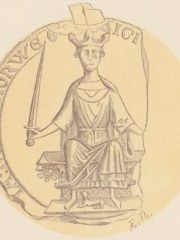
Haakon IV of Norway
POLITICIAN
1204 - 1263
HPI: 76.99
Posição: 2
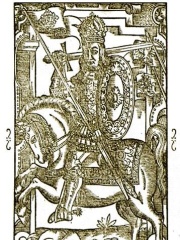
Mindaugas
POLITICIAN
1203 - 1263
HPI: 75.00
Posição: 3
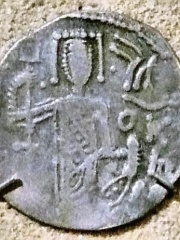
Manuel I of Trebizond
POLITICIAN
1218 - 1263
HPI: 65.32
Posição: 4
Shinran
RELIGIOUS FIGURE
1173 - 1263
HPI: 64.07
Posição: 5
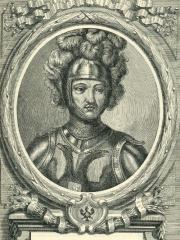
Boniface, Count of Savoy
NOBLEMAN
1244 - 1263
HPI: 63.12
Posição: 6

Guy I de la Roche
POLITICIAN
1205 - 1263
HPI: 58.20
Posição: 7
Em Japão
Entre as pessoas nascidas em Japão, Shinran ocupa a posição 593 de 6,245. Antes dele vêm Hideaki Anno (1960), Junji Ito (1963), Satoshi Kon (1963), Miho Kaneda (1950), Saichō (767), e Yasuji Okamura (1884). Depois dele vêm Katsu Kaishū (1823), Satoru Iwata (1959), Tokugawa Ieyoshi (1793), Otozō Yamada (1881), Emperor Junnin (733), e George W. Casey Jr. (1948).
Outras pessoas nascidas em Japão
Ver todas as classificações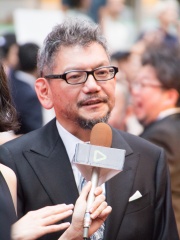
Hideaki Anno
FILM DIRECTOR
1960 - presente
HPI: 64.12
Posição: 587

Junji Ito
WRITER
1963 - presente
HPI: 64.12
Posição: 588
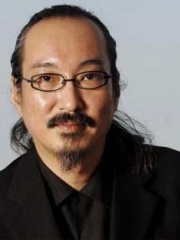
Satoshi Kon
FILM DIRECTOR
1963 - 2010
HPI: 64.10
Posição: 589

Miho Kaneda
SOCCER PLAYER
1950 - presente
HPI: 64.08
Posição: 590
Saichō
RELIGIOUS FIGURE
767 - 822
HPI: 64.08
Posição: 591
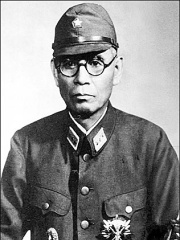
Yasuji Okamura
MILITARY PERSONNEL
1884 - 1966
HPI: 64.07
Posição: 592
Shinran
RELIGIOUS FIGURE
1173 - 1263
HPI: 64.07
Posição: 593
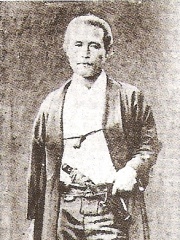
Katsu Kaishū
WRITER
1823 - 1899
HPI: 64.05
Posição: 594

Satoru Iwata
GAME DESIGNER
1959 - 2015
HPI: 64.03
Posição: 595
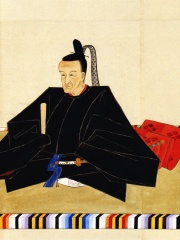
Tokugawa Ieyoshi
POLITICIAN
1793 - 1853
HPI: 64.03
Posição: 596
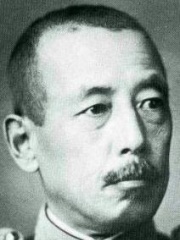
Otozō Yamada
MILITARY PERSONNEL
1881 - 1965
HPI: 63.98
Posição: 597

Emperor Junnin
POLITICIAN
733 - 765
HPI: 63.97
Posição: 598

George W. Casey Jr.
MILITARY PERSONNEL
1948 - presente
HPI: 63.97
Posição: 599
Entre Figura religiosa em Japão
Entre Figura religiosa nascidos em Japão, Shinran ocupa a posição 14. Antes dele vêm Sen no Rikyū (1522), Mikao Usui (1865), Yamamoto Tsunetomo (1659), Ikkyū (1394), Eisai (1141), e Saichō (767). Depois dele vêm Dom Justo Takayama (1552), Shunryū Suzuki (1904), Kōdō Sawaki (1880), Hōnen (1133), Thomas Aquino Manyo Maeda (1949), e Hōjō Ujimasa (1538).
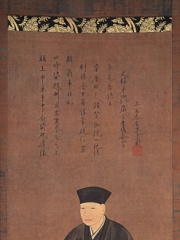
Sen no Rikyū
1522 - 1591
HPI: 69.18
Posição: 8
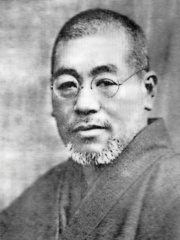
Mikao Usui
1865 - 1926
HPI: 67.34
Posição: 9
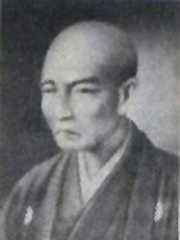
Yamamoto Tsunetomo
1659 - 1719
HPI: 66.14
Posição: 10
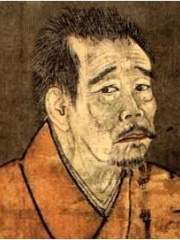
Ikkyū
1394 - 1481
HPI: 65.93
Posição: 11
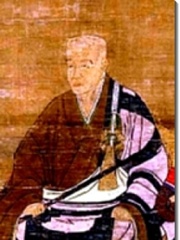
Eisai
1141 - 1215
HPI: 65.03
Posição: 12
Saichō
767 - 822
HPI: 64.08
Posição: 13
Shinran
1173 - 1263
HPI: 64.07
Posição: 14
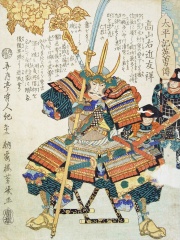
Dom Justo Takayama
1552 - 1615
HPI: 63.96
Posição: 15
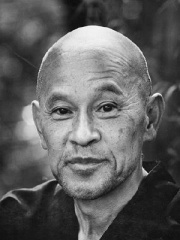
Shunryū Suzuki
1904 - 1971
HPI: 63.66
Posição: 16
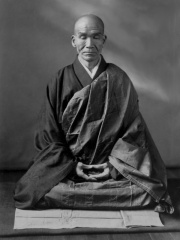
Kōdō Sawaki
1880 - 1965
HPI: 63.03
Posição: 17
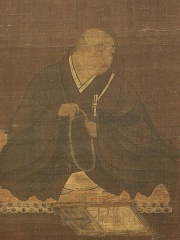
Hōnen
1133 - 1212
HPI: 62.84
Posição: 18
Thomas Aquino Manyo Maeda
1949 - presente
HPI: 62.51
Posição: 19
Hōjō Ujimasa
1538 - 1590
HPI: 62.16
Posição: 20




