شخصية دينية
Shinran
1173 - 1263
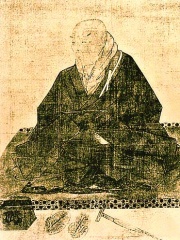
 Shinran
سيرته الذاتية متاحة بـ24 لغة مختلفة على ويكيبيديا (زيادة من 23 في 2024). يحتل Shinran المرتبة 1,378 بين أكثر شخصية دينية شعبيةً (تراجعًا من 1,258 في 2024)، والمرتبة 593 بين أكثر السير الذاتية شعبيةً في اليابان (تراجعًا من 524 في 2019)، كما يحتل المرتبة 14 بين أكثر شخصية دينية من اليابان شعبيةً.
مقاييس الشهرة
290k
مشاهدات الصفحة
آخر 12 شهرًا
64.07
HPI
مؤشر الشعبية التاريخية
مشاهدات صفحة Shinran حسب اللغة
من بين شخصية دينية
من بين شخصية دينية، يحتل Shinran المرتبة 1,378 من أصل 3,187. قبله يأتي Johannes Oecolampadius, Abdul-Aziz ibn Abdullah Al ash-Sheikh, Meletius IV of Constantinople, Saichō, Barsanuphius, وDominik Duka. بعده يأتي Ignatius IV of Antioch, Shamgar, Muhammad ibn Ya'qub al-Kulayni, Cristóvão Ferreira, Sultan Walad, وLaurent Monsengwo Pasinya.
أشهر شخصية دينية على ويكيبيديا
عرض جميع التصنيفات
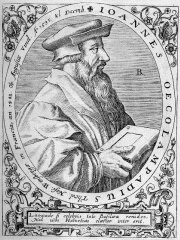
Johannes Oecolampadius
1482 - 1531
HPI: 64.13
المرتبة: 1,372

Abdul-Aziz ibn Abdullah Al ash-Sheikh
1943 - 2025
HPI: 64.12
المرتبة: 1,373

Meletius IV of Constantinople
1871 - 1935
HPI: 64.10
المرتبة: 1,374
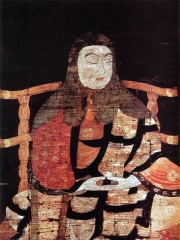
Saichō
767 - 822
HPI: 64.08
المرتبة: 1,375

Barsanuphius
401 - 540
HPI: 64.08
المرتبة: 1,376
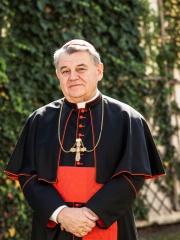
Dominik Duka
1943 - 2025
HPI: 64.07
المرتبة: 1,377
Shinran
1173 - 1263
HPI: 64.07
المرتبة: 1,378
Ignatius IV of Antioch
1920 - 2012
HPI: 64.07
المرتبة: 1,379

Shamgar
HPI: 64.07
المرتبة: 1,380

Muhammad ibn Ya'qub al-Kulayni
864 - 941
HPI: 64.07
المرتبة: 1,381
Cristóvão Ferreira
1580 - 1650
HPI: 64.05
المرتبة: 1,382

Sultan Walad
1226 - 1312
HPI: 64.04
المرتبة: 1,383
Laurent Monsengwo Pasinya
1939 - 2021
HPI: 64.03
المرتبة: 1,384

معاصرون
من بين المولودين في عام 1173، يحتل Shinran المرتبة 3. قبله يأتي Llywelyn the Great, وLouis I, Duke of Bavaria. بعده يأتي Eudokia Angelina, وHenry V, Count Palatine of the Rhine. من بين المتوفين في عام 1263، يحتل Shinran المرتبة 5. قبله يأتي Alexander Nevsky, Haakon IV of Norway, Mindaugas, وManuel I of Trebizond. بعده يأتي Boniface, Count of Savoy, وGuy I de la Roche.
آخرون وُلدوا في عام 1173
عرض جميع التصنيفات
Llywelyn the Great
POLITICIAN
1173 - 1240
HPI: 72.46
المرتبة: 1

Louis I, Duke of Bavaria
POLITICIAN
1173 - 1231
HPI: 68.31
المرتبة: 2
Shinran
RELIGIOUS FIGURE
1173 - 1263
HPI: 64.07
المرتبة: 3

Eudokia Angelina
POLITICIAN
1173 - 1211
HPI: 63.00
المرتبة: 4
Henry V, Count Palatine of the Rhine
POLITICIAN
1173 - 1227
HPI: 62.31
المرتبة: 5
آخرون توفوا في عام 1263
عرض جميع التصنيفات
Alexander Nevsky
NOBLEMAN
1220 - 1263
HPI: 79.44
المرتبة: 1

Haakon IV of Norway
POLITICIAN
1204 - 1263
HPI: 76.99
المرتبة: 2
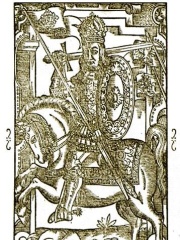
Mindaugas
POLITICIAN
1203 - 1263
HPI: 75.00
المرتبة: 3
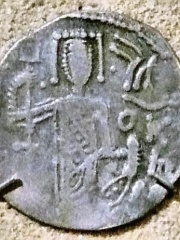
Manuel I of Trebizond
POLITICIAN
1218 - 1263
HPI: 65.32
المرتبة: 4
Shinran
RELIGIOUS FIGURE
1173 - 1263
HPI: 64.07
المرتبة: 5

Boniface, Count of Savoy
NOBLEMAN
1244 - 1263
HPI: 63.12
المرتبة: 6

Guy I de la Roche
POLITICIAN
1205 - 1263
HPI: 58.20
المرتبة: 7
في اليابان
من بين المولودين في اليابان، يحتل Shinran المرتبة 593 من أصل NaN. قبله يأتي Hideaki Anno (1960), Junji Ito (1963), Satoshi Kon (1963), Miho Kaneda (1950), Saichō (767), وYasuji Okamura (1884). بعده يأتي Katsu Kaishū (1823), Satoru Iwata (1959), Tokugawa Ieyoshi (1793), Otozō Yamada (1881), Emperor Junnin (733), وGeorge W. Casey Jr. (1948).
آخرون وُلدوا في اليابان
عرض جميع التصنيفات
Hideaki Anno
FILM DIRECTOR
1960 - حتى الآن
HPI: 64.12
المرتبة: 587

Junji Ito
WRITER
1963 - حتى الآن
HPI: 64.12
المرتبة: 588
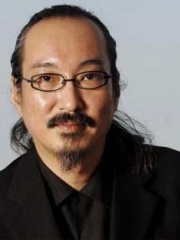
Satoshi Kon
FILM DIRECTOR
1963 - 2010
HPI: 64.10
المرتبة: 589

Miho Kaneda
SOCCER PLAYER
1950 - حتى الآن
HPI: 64.08
المرتبة: 590
Saichō
RELIGIOUS FIGURE
767 - 822
HPI: 64.08
المرتبة: 591
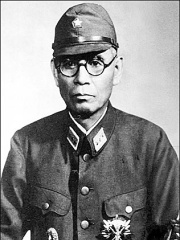
Yasuji Okamura
MILITARY PERSONNEL
1884 - 1966
HPI: 64.07
المرتبة: 592
Shinran
RELIGIOUS FIGURE
1173 - 1263
HPI: 64.07
المرتبة: 593
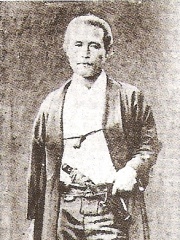
Katsu Kaishū
WRITER
1823 - 1899
HPI: 64.05
المرتبة: 594

Satoru Iwata
GAME DESIGNER
1959 - 2015
HPI: 64.03
المرتبة: 595
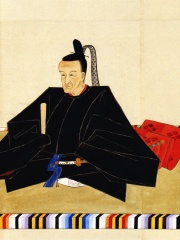
Tokugawa Ieyoshi
POLITICIAN
1793 - 1853
HPI: 64.03
المرتبة: 596
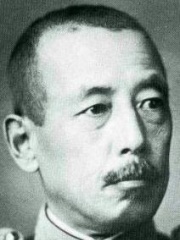
Otozō Yamada
MILITARY PERSONNEL
1881 - 1965
HPI: 63.98
المرتبة: 597

Emperor Junnin
POLITICIAN
733 - 765
HPI: 63.97
المرتبة: 598

George W. Casey Jr.
MILITARY PERSONNEL
1948 - حتى الآن
HPI: 63.97
المرتبة: 599
من بين شخصية دينية في اليابان
من بين شخصية دينية المولودين في اليابان، يحتل Shinran المرتبة 14. قبله يأتي Sen no Rikyū (1522), Mikao Usui (1865), Yamamoto Tsunetomo (1659), Ikkyū (1394), Eisai (1141), وSaichō (767). بعده يأتي Dom Justo Takayama (1552), Shunryū Suzuki (1904), Kōdō Sawaki (1880), Hōnen (1133), Thomas Aquino Manyo Maeda (1949), وHōjō Ujimasa (1538).
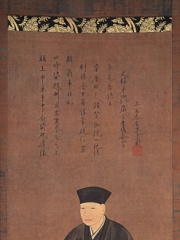
Sen no Rikyū
1522 - 1591
HPI: 69.18
المرتبة: 8
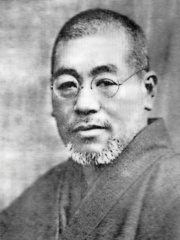
Mikao Usui
1865 - 1926
HPI: 67.34
المرتبة: 9
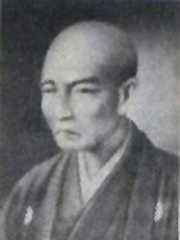
Yamamoto Tsunetomo
1659 - 1719
HPI: 66.14
المرتبة: 10
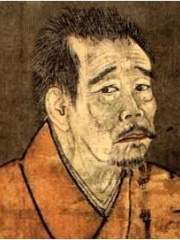
Ikkyū
1394 - 1481
HPI: 65.93
المرتبة: 11
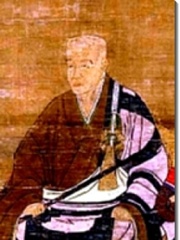
Eisai
1141 - 1215
HPI: 65.03
المرتبة: 12
Saichō
767 - 822
HPI: 64.08
المرتبة: 13
Shinran
1173 - 1263
HPI: 64.07
المرتبة: 14
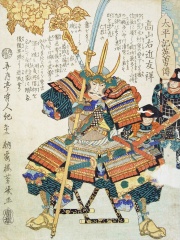
Dom Justo Takayama
1552 - 1615
HPI: 63.96
المرتبة: 15

Shunryū Suzuki
1904 - 1971
HPI: 63.66
المرتبة: 16
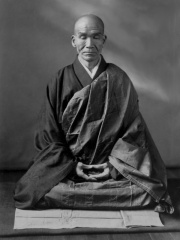
Kōdō Sawaki
1880 - 1965
HPI: 63.03
المرتبة: 17
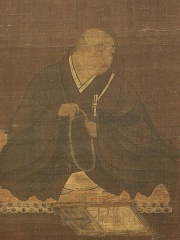
Hōnen
1133 - 1212
HPI: 62.84
المرتبة: 18
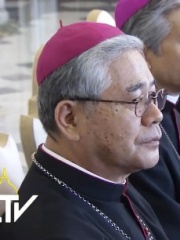
Thomas Aquino Manyo Maeda
1949 - حتى الآن
HPI: 62.51
المرتبة: 19
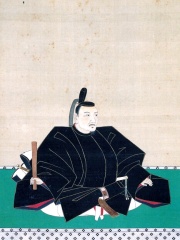
Hōjō Ujimasa
1538 - 1590
HPI: 62.16
المرتبة: 20




