Historiador
Procópio de Cesareia
500 - 560
VISUALIZAÇÕES EM PT.WIKIPEDIA (PV)

 Procópio de Cesareia
Sua biografia está disponível em 55 idiomas na Wikipédia (aumento em relação a 53 em 2024). Procópio de Cesareia é o 15º historiador mais popular (subiu do 22º em 2024), a 43ª biografia mais popular de Israel (subiu do 49ª em 2019) e o 2º historiador mais popular de Israel.
Métricas de memorabilidade
230k
Visualizações
Últimos 12 meses
76.58
HPI
Índice de Popularidade Histórica
Visualizações da página de Procópio de Cesareia por idioma
Entre Historiador
Entre Historiador, Procópio de Cesareia ocupa a posição 15 de 561. Antes dele vêm Diodorus Siculus, Alexis de Tocqueville, Polybius, Suetonius, Thomas Kuhn, e Hecataeus of Miletus. Depois dele vêm Thomas Babington Macaulay, Mircea Eliade, Cassius Dio, Johann Joachim Winckelmann, Manetho, e William of Tyre.
Historiador mais populares na Wikipédia
Ver todas as classificações
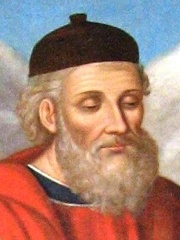
Diodorus Siculus
90 BC - 30 BC
HPI: 79.20
Posição: 9
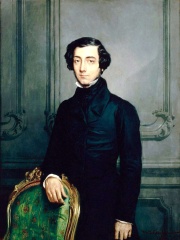
Alexis de Tocqueville
1805 - 1859
HPI: 78.33
Posição: 10
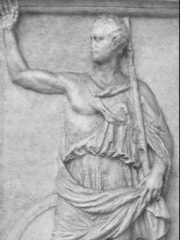
Polybius
208 BC - 126 BC
HPI: 77.83
Posição: 11
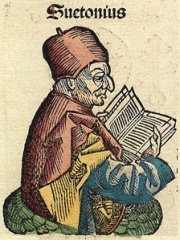
Suetonius
70 - 126
HPI: 77.79
Posição: 12
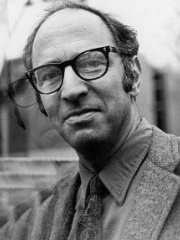
Thomas Kuhn
1922 - 1996
HPI: 76.91
Posição: 13
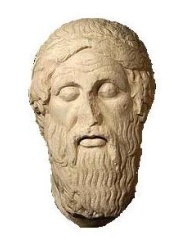
Hecataeus of Miletus
550 BC - 476 BC
HPI: 76.89
Posição: 14
Procopius
500 - 560
HPI: 76.58
Posição: 15
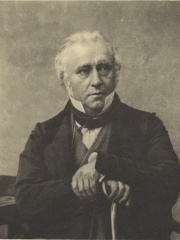
Thomas Babington Macaulay
1800 - 1859
HPI: 76.29
Posição: 16
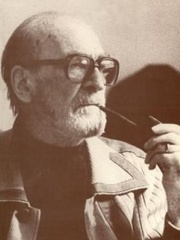
Mircea Eliade
1907 - 1986
HPI: 76.17
Posição: 17
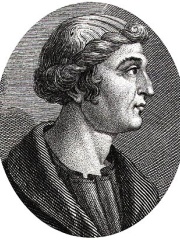
Cassius Dio
155 - 235
HPI: 76.14
Posição: 18

Johann Joachim Winckelmann
1717 - 1768
HPI: 75.91
Posição: 19

Manetho
201 BC - 160 BC
HPI: 75.91
Posição: 20
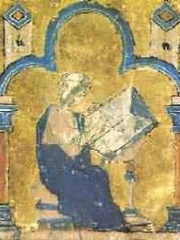
William of Tyre
1130 - 1186
HPI: 75.84
Posição: 21

Contemporâneos
Entre as pessoas nascidas em 500, Procópio de Cesareia ocupa a posição 2. Antes dele vem Theodora. Depois dele vêm Totila, Pope Vigilius, Pseudo-Dionysius the Areopagite, Basiliscus, Peroz I, Sigismund of Burgundy, Rhadamistus, Nonnus, Antipope Laurentius, e Yazdegerd II. Entre as pessoas falecidas em 560, Procópio de Cesareia ocupa a posição 1. Depois dele vêm Cynric, Simplicius of Cilicia, Medardus, Audoin, Chram, Clodoald, Glappa of Bernicia, Thurisind, e Gabrán mac Domangairt.
Outras pessoas nascidas em 500
Ver todas as classificações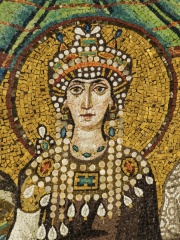
Theodora
COMPANION
500 - 548
HPI: 83.54
Posição: 1
Procopius
HISTORIAN
500 - 560
HPI: 76.58
Posição: 2
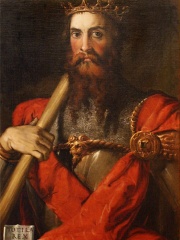
Totila
POLITICIAN
500 - 552
HPI: 74.78
Posição: 3
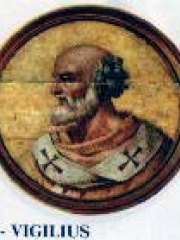
Pope Vigilius
RELIGIOUS FIGURE
500 - 555
HPI: 73.23
Posição: 4
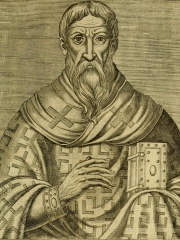
Pseudo-Dionysius the Areopagite
PHILOSOPHER
500 - 510
HPI: 72.34
Posição: 5
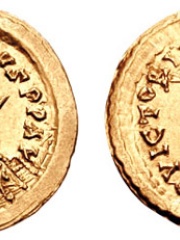
Basiliscus
POLITICIAN
500 - 476
HPI: 71.65
Posição: 6
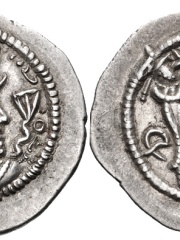
Peroz I
POLITICIAN
500 - 484
HPI: 70.70
Posição: 7
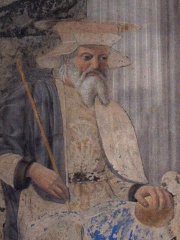
Sigismund of Burgundy
POLITICIAN
500 - 524
HPI: 70.12
Posição: 8

Rhadamistus
POLITICIAN
500 - 58
HPI: 69.63
Posição: 9

Nonnus
WRITER
500 - 500
HPI: 69.60
Posição: 10

Antipope Laurentius
RELIGIOUS FIGURE
500 - 507
HPI: 69.45
Posição: 11
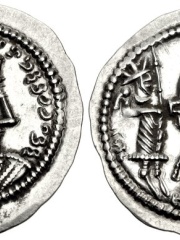
Yazdegerd II
POLITICIAN
500 - 457
HPI: 69.20
Posição: 12
Outras pessoas falecidas em 560
Ver todas as classificaçõesProcopius
HISTORIAN
500 - 560
HPI: 76.58
Posição: 1

Cynric
POLITICIAN
450 - 560
HPI: 71.77
Posição: 2

Simplicius of Cilicia
MATHEMATICIAN
490 - 560
HPI: 68.13
Posição: 3
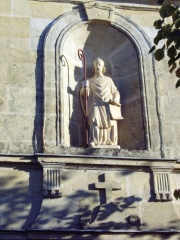
Medardus
RELIGIOUS FIGURE
470 - 560
HPI: 66.55
Posição: 4

Audoin
POLITICIAN
541 - 560
HPI: 61.07
Posição: 5

Chram
MILITARY PERSONNEL
600 - 560
HPI: 60.89
Posição: 6
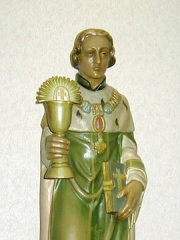
Clodoald
RELIGIOUS FIGURE
524 - 560
HPI: 60.07
Posição: 7

Glappa of Bernicia
POLITICIAN
550 - 560
HPI: 54.59
Posição: 8
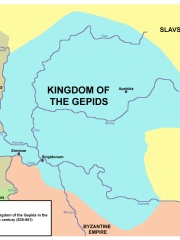
Thurisind
POLITICIAN
600 - 560
HPI: 54.02
Posição: 9

Gabrán mac Domangairt
POLITICIAN
501 - 560
HPI: 53.83
Posição: 10
Em Israel
Entre as pessoas nascidas em Israel, Procópio de Cesareia ocupa a posição 43 de NaN. Antes dele vêm Bathsheba (-3500), Moshe Dayan (1915), Rehoboam (-972), John the Evangelist (10), Ahmed Yassin (1937), e Joseph of Arimathea (100). Depois dele vêm Jeroboam (-1000), Joel (-1), Nehemiah (-490), William of Tyre (1130), Hezekiah (-800), e Simeon (null).
Outras pessoas nascidas em Israel
Ver todas as classificações
Bathsheba
COMPANION
3500 BC - 970 BC
HPI: 78.24
Posição: 37
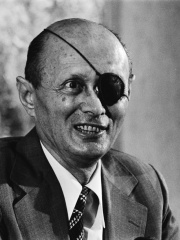
Moshe Dayan
POLITICIAN
1915 - 1981
HPI: 78.14
Posição: 38

Rehoboam
POLITICIAN
972 BC - 914 BC
HPI: 77.75
Posição: 39
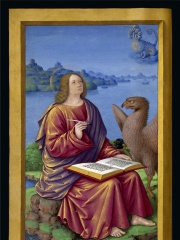
John the Evangelist
WRITER
10 - 100
HPI: 77.45
Posição: 40
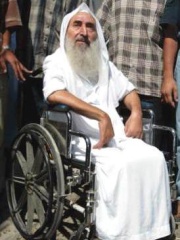
Ahmed Yassin
RELIGIOUS FIGURE
1937 - 2004
HPI: 77.42
Posição: 41
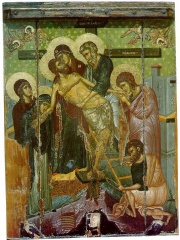
Joseph of Arimathea
RELIGIOUS FIGURE
100 - 96
HPI: 77.32
Posição: 42
Procopius
HISTORIAN
500 - 560
HPI: 76.58
Posição: 43
Jeroboam
POLITICIAN
1000 BC - 910 BC
HPI: 76.22
Posição: 44
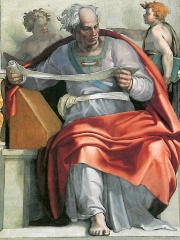
Joel
RELIGIOUS FIGURE
1 BC - 301 BC
HPI: 75.95
Posição: 45
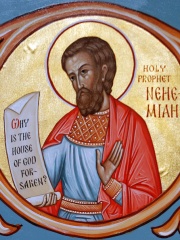
Nehemiah
RELIGIOUS FIGURE
490 BC - 403 BC
HPI: 75.88
Posição: 46
William of Tyre
HISTORIAN
1130 - 1186
HPI: 75.84
Posição: 47
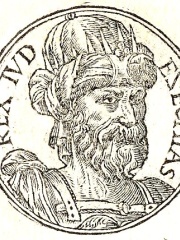
Hezekiah
POLITICIAN
800 BC - 697 BC
HPI: 75.72
Posição: 48

Simeon
RELIGIOUS FIGURE
HPI: 75.45
Posição: 49
Entre Historiador em Israel
Entre Historiador nascidos em Israel, Procópio de Cesareia ocupa a posição 2. Antes dele vem Josephus (37). Depois dele vêm William of Tyre (1130), Yuval Noah Harari (1976), Sextus Julius Africanus (160), Tom Segev (1945), Omer Bartov (1954), e Benny Morris (1948).
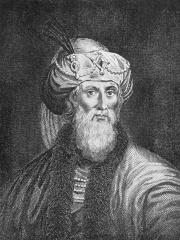
Josephus
37 - 100
HPI: 80.94
Posição: 1
Procopius
500 - 560
HPI: 76.58
Posição: 2
William of Tyre
1130 - 1186
HPI: 75.84
Posição: 3

Yuval Noah Harari
1976 - presente
HPI: 71.50
Posição: 4

Sextus Julius Africanus
160 - 240
HPI: 66.14
Posição: 5

Tom Segev
1945 - presente
HPI: 59.12
Posição: 6
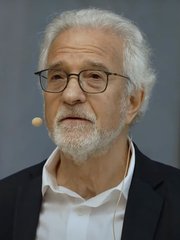
Omer Bartov
1954 - presente
HPI: 58.15
Posição: 7
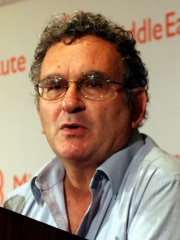
Benny Morris
1948 - presente
HPI: 57.25
Posição: 8




