Político
Miloš Zeman
1944 - presente
PT.WIKIPEDIA PAGE VIEWS (PV)
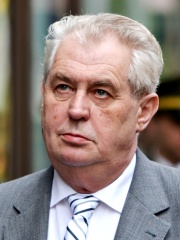

 Miloš Zeman
Sua biografia está disponível em 83 idiomas na Wikipédia (aumento em relação a 81 em 2024). Miloš Zeman é o 1244º político mais popular (caiu do 1014º em 2024), a 42ª biografia mais popular da Tchéquia (caiu do 37ª em 2019) e o 6º político mais popular da Tchéquia.
Memorability Metrics
270k
Page Views
Past 12 months
74.81
HPI
Historical Popularity Index
Page views of Miloš Zeman by language
Among Políticos
Among políticos, Miloš Zeman ranks 1,244 out of 19,576. Before him are Grigory Zinoviev, Samuel of Bulgaria, Pepin of Herstal, James I of Aragon, Stanisław August Poniatowski, and Maria Anna of Savoy. After him are Jérôme Bonaparte, Hussein bin Ali, Sharif of Mecca, Mary, Queen of Hungary, Baldwin II, Latin Emperor, Xiang Yu, and Andronikos II Palaiologos.
Most Popular Políticos in Wikipedia
Go to all Rankings
Grigory Zinoviev
1883 - 1936
HPI: 74.85
Rank: 1,238
Samuel of Bulgaria
958 - 1014
HPI: 74.85
Rank: 1,239
Pepin of Herstal
635 - 714
HPI: 74.84
Rank: 1,240
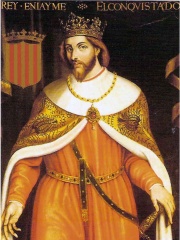
James I of Aragon
1208 - 1276
HPI: 74.84
Rank: 1,241
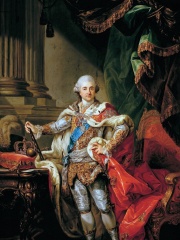
Stanisław August Poniatowski
1732 - 1798
HPI: 74.82
Rank: 1,242
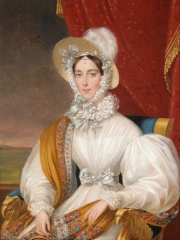
Maria Anna of Savoy
1803 - 1884
HPI: 74.82
Rank: 1,243
Miloš Zeman
1944 - Present
HPI: 74.81
Rank: 1,244
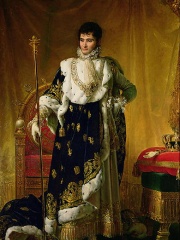
Jérôme Bonaparte
1784 - 1860
HPI: 74.81
Rank: 1,245
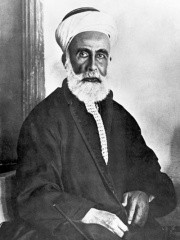
Hussein bin Ali, Sharif of Mecca
1853 - 1931
HPI: 74.81
Rank: 1,246
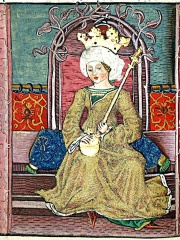
Mary, Queen of Hungary
1371 - 1395
HPI: 74.81
Rank: 1,247
Baldwin II, Latin Emperor
1217 - 1273
HPI: 74.80
Rank: 1,248
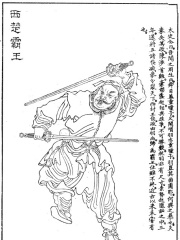
Xiang Yu
232 BC - 202 BC
HPI: 74.80
Rank: 1,249
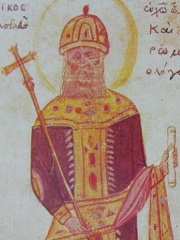
Andronikos II Palaiologos
1259 - 1332
HPI: 74.80
Rank: 1,250

Contemporaries
Among people born in 1944, Miloš Zeman ranks 18. Before him are Jairzinho, Reinhold Messner, Rutger Hauer, Prince Richard, Duke of Gloucester, Ernő Rubik, and Jean-Pierre Sauvage. After him are Geraldine Chaplin, Jane Hawking, Dzhokhar Dudayev, Jimmy Page, Peter Mayhew, and Joe Cocker.
Others Born in 1944
Go to all Rankings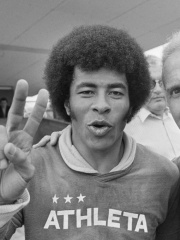
Jairzinho
SOCCER PLAYER
1944 - Present
HPI: 75.49
Rank: 12
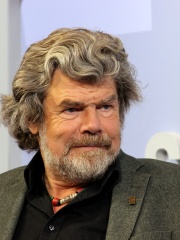
Reinhold Messner
MOUNTAINEER
1944 - Present
HPI: 75.14
Rank: 13
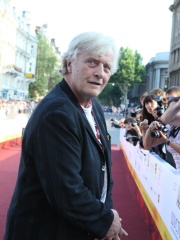
Rutger Hauer
ACTOR
1944 - 2019
HPI: 75.13
Rank: 14
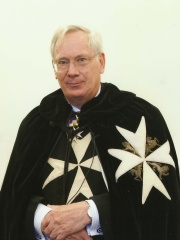
Prince Richard, Duke of Gloucester
POLITICIAN
1944 - Present
HPI: 75.07
Rank: 15
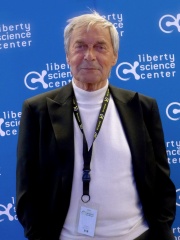
Ernő Rubik
INVENTOR
1944 - Present
HPI: 75.03
Rank: 16
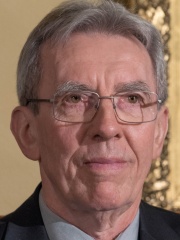
Jean-Pierre Sauvage
CHEMIST
1944 - Present
HPI: 74.92
Rank: 17
Miloš Zeman
POLITICIAN
1944 - Present
HPI: 74.81
Rank: 18
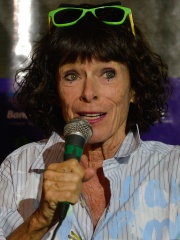
Geraldine Chaplin
ACTOR
1944 - Present
HPI: 74.80
Rank: 19

Jane Hawking
WRITER
1944 - Present
HPI: 74.68
Rank: 20
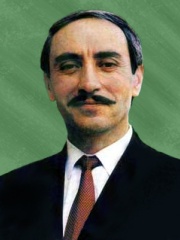
Dzhokhar Dudayev
POLITICIAN
1944 - 1996
HPI: 74.42
Rank: 21
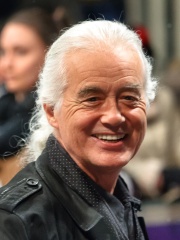
Jimmy Page
MUSICIAN
1944 - Present
HPI: 74.38
Rank: 22
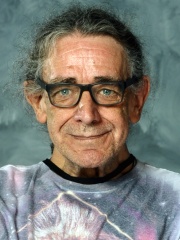
Peter Mayhew
ACTOR
1944 - 2019
HPI: 74.25
Rank: 23
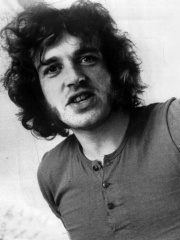
Joe Cocker
SINGER
1944 - 2014
HPI: 74.23
Rank: 24
In Tchéquia
Among people born in Tchéquia, Miloš Zeman ranks 42 out of NaN. Before him are Hans Kelsen (1881), Max Brod (1884), Ottokar II of Bohemia (1233), Gerty Cori (1896), Peter Grünberg (1939), and Jan Palach (1948). After him are Bernard Bolzano (1781), Klement Gottwald (1896), Karl Kautsky (1854), Adolf Loos (1870), Johann Palisa (1848), and Bohuslav Martinů (1890).
Others born in Tchéquia
Go to all Rankings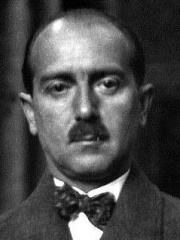
Hans Kelsen
PHILOSOPHER
1881 - 1973
HPI: 75.57
Rank: 36
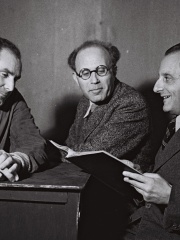
Max Brod
WRITER
1884 - 1968
HPI: 75.54
Rank: 37
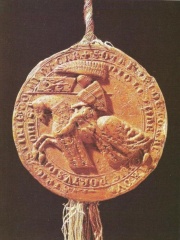
Ottokar II of Bohemia
POLITICIAN
1233 - 1278
HPI: 75.47
Rank: 38
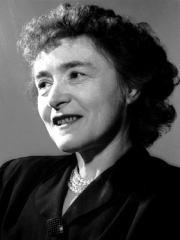
Gerty Cori
CHEMIST
1896 - 1957
HPI: 75.23
Rank: 39
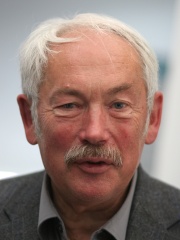
Peter Grünberg
PHYSICIST
1939 - 2018
HPI: 75.22
Rank: 40
Jan Palach
SOCIAL ACTIVIST
1948 - 1969
HPI: 75.04
Rank: 41
Miloš Zeman
POLITICIAN
1944 - Present
HPI: 74.81
Rank: 42
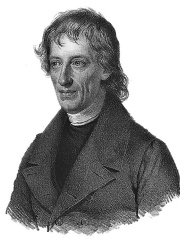
Bernard Bolzano
PHILOSOPHER
1781 - 1848
HPI: 74.68
Rank: 43
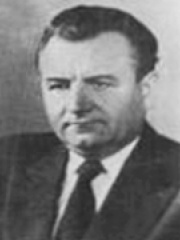
Klement Gottwald
POLITICIAN
1896 - 1953
HPI: 74.43
Rank: 44
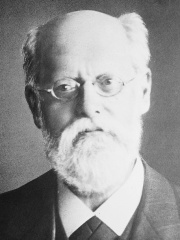
Karl Kautsky
PHILOSOPHER
1854 - 1938
HPI: 74.17
Rank: 45
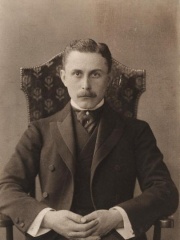
Adolf Loos
ARCHITECT
1870 - 1933
HPI: 74.17
Rank: 46
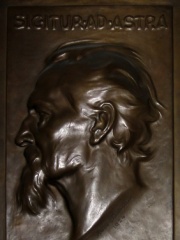
Johann Palisa
ASTRONOMER
1848 - 1925
HPI: 74.05
Rank: 47
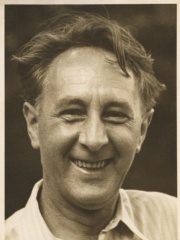
Bohuslav Martinů
COMPOSER
1890 - 1959
HPI: 73.98
Rank: 48
Among Políticos In Tchéquia
Among políticos born in Tchéquia, Miloš Zeman ranks 6. Before him are Charles IV, Holy Roman Emperor (1316), Tomáš Garrigue Masaryk (1850), Edvard Beneš (1884), Arthur Seyss-Inquart (1892), and Ottokar II of Bohemia (1233). After him are Klement Gottwald (1896), Václav Klaus (1941), Wenceslaus III of Bohemia (1289), Wenceslaus II of Bohemia (1271), Joanna of Austria, Grand Duchess of Tuscany (1547), and Emil Hácha (1872).
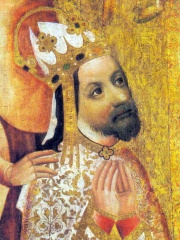
Charles IV, Holy Roman Emperor
1316 - 1378
HPI: 82.60
Rank: 1
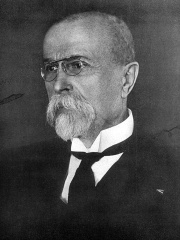
Tomáš Garrigue Masaryk
1850 - 1937
HPI: 77.19
Rank: 2
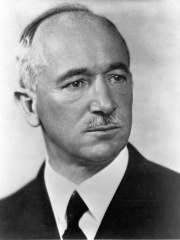
Edvard Beneš
1884 - 1948
HPI: 77.01
Rank: 3
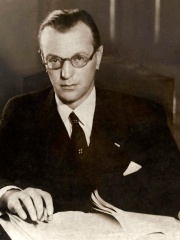
Arthur Seyss-Inquart
1892 - 1946
HPI: 76.27
Rank: 4
Ottokar II of Bohemia
1233 - 1278
HPI: 75.47
Rank: 5
Miloš Zeman
1944 - Present
HPI: 74.81
Rank: 6
Klement Gottwald
1896 - 1953
HPI: 74.43
Rank: 7
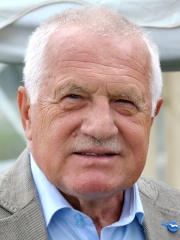
Václav Klaus
1941 - Present
HPI: 73.98
Rank: 8
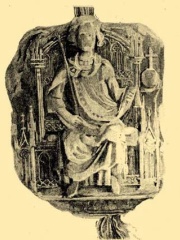
Wenceslaus III of Bohemia
1289 - 1306
HPI: 73.88
Rank: 9
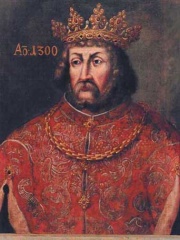
Wenceslaus II of Bohemia
1271 - 1305
HPI: 73.77
Rank: 10
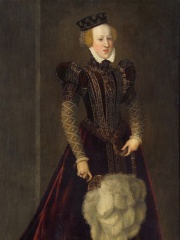
Joanna of Austria, Grand Duchess of Tuscany
1547 - 1578
HPI: 73.59
Rank: 11
Emil Hácha
1872 - 1945
HPI: 73.53
Rank: 12




