Político
Huang Chao
801 - 884
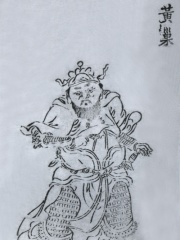
 Huang Chao
Sua biografia está disponível em 23 idiomas na Wikipédia. Huang Chao é o 5813º político mais popular (caiu do 4338º em 2024), a 392ª biografia mais popular da China (caiu do 331ª em 2019) e o 229º político mais popular da China.
Métricas de memorabilidade
170k
Visualizações
Últimos 12 meses
65.51
HPI
Índice de Popularidade Histórica
Destaques dos dados
23
A biografia de Huang Chao abrange 23 edições de idiomas da Wikipédia e alcança um Índice de Popularidade Histórica de 65.51.
Visualizações da página de Huang Chao por idioma
Entre Político
Entre Político, Huang Chao ocupa a posição 5,811 de 20,022. Antes dele vêm Apama, Robert II, Duke of Burgundy, Yaropolk II of Kiev, Artur da Costa e Silva, Dorothea of Denmark, Duchess of Prussia, e Casimir II the Just. Depois dele vêm Aurelius of Asturias, Tokugawa Ietsuna, Emperor Shang of Han, Rudolf Diels, Prince Frederick William of Hesse-Kassel, e Ertuğrul Osman.
Político mais populares na Wikipédia
Ver todas as classificações

Apama
400 a.C. - presente
HPI: 65.52
Posição: 5,807
Robert II, Duke of Burgundy
1248 - 1306
HPI: 65.52
Posição: 5,808
Yaropolk II of Kiev
1082 - 1139
HPI: 65.52
Posição: 5,809
Artur da Costa e Silva
1899 - 1969
HPI: 65.52
Posição: 5,810
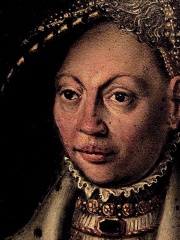
Dorothea of Denmark, Duchess of Prussia
1504 - 1547
HPI: 65.51
Posição: 5,811
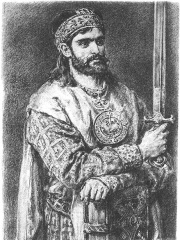
Casimir II the Just
1138 - 1194
HPI: 65.51
Posição: 5,812
Huang Chao
801 - 884
HPI: 65.51
Posição: 5,813
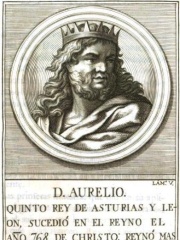
Aurelius of Asturias
740 - 774
HPI: 65.51
Posição: 5,814
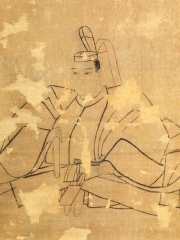
Tokugawa Ietsuna
1641 - 1680
HPI: 65.51
Posição: 5,815

Emperor Shang of Han
105 - 106
HPI: 65.51
Posição: 5,816
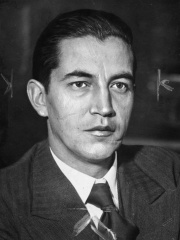
Rudolf Diels
1900 - 1957
HPI: 65.51
Posição: 5,817
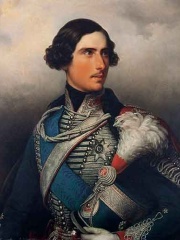
Prince Frederick William of Hesse-Kassel
1820 - 1884
HPI: 65.51
Posição: 5,818
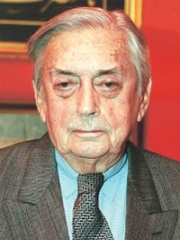
Ertuğrul Osman
1912 - 2009
HPI: 65.51
Posição: 5,819

Contemporâneos
Entre as pessoas nascidas em 801, Huang Chao ocupa a posição 5. Antes dele vêm Al-Kindi, Ansgar, Ya'qubi, e Malcolm I of Scotland. Depois dele vêm Theodora, Constantine II of Scotland, Leo Phokas the Elder, Enravota, Zoe Zaoutzaina, Eudokia Dekapolitissa, e Grímur Kamban. Entre as pessoas falecidas em 884, Huang Chao ocupa a posição 4. Antes dele vêm Pope Marinus I, Carloman II, e Ahmad ibn Tulun.
Outras pessoas nascidas em 801
Ver todas as classificações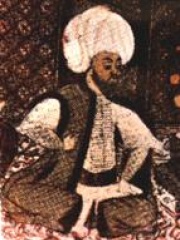
Al-Kindi
PHILOSOPHER
801 - 866
HPI: 80.39
Posição: 1
Ansgar
RELIGIOUS FIGURE
801 - 865
HPI: 72.27
Posição: 2

Ya'qubi
GEOGRAPHER
801 - 898
HPI: 71.21
Posição: 3
Malcolm I of Scotland
POLITICIAN
801 - 954
HPI: 67.21
Posição: 4
Huang Chao
POLITICIAN
801 - 884
HPI: 65.51
Posição: 5

Theodora
COMPANION
801 - 922
HPI: 64.88
Posição: 6
Constantine II of Scotland
POLITICIAN
801 - 952
HPI: 64.32
Posição: 7
Leo Phokas the Elder
MILITARY PERSONNEL
801 - 901
HPI: 60.14
Posição: 8
Enravota
RELIGIOUS FIGURE
801 - 833
HPI: 59.46
Posição: 9

Zoe Zaoutzaina
POLITICIAN
801 - 899
HPI: 58.70
Posição: 10
Eudokia Dekapolitissa
POLITICIAN
801 - 801
HPI: 55.70
Posição: 11
Grímur Kamban
EXPLORER
801 - 899
HPI: 55.66
Posição: 12
Outras pessoas falecidas em 884
Ver todas as classificações
Pope Marinus I
RELIGIOUS FIGURE
830 - 884
HPI: 76.60
Posição: 1
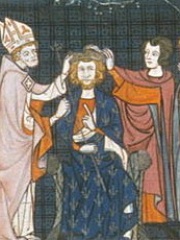
Carloman II
POLITICIAN
866 - 884
HPI: 76.16
Posição: 2
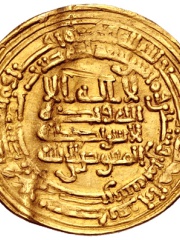
Ahmad ibn Tulun
POLITICIAN
835 - 884
HPI: 67.50
Posição: 3
Huang Chao
POLITICIAN
801 - 884
HPI: 65.51
Posição: 4
Em China
Entre as pessoas nascidas em China, Huang Chao ocupa a posição 392 de 2,131. Antes dele vêm Du Mu (803), Emperor Zhezong (1076), Marpa Lotsawa (1012), Cangjie (-2650), Princess Wencheng (628), e J. G. Ballard (1930). Depois dele vêm Emperor Shang of Han (105), Emperor Yuan of Jin (276), Emperor Zhi of Han (138), 11th Dalai Lama (1838), Terence Young (1915), e Wang Yi (1953).
Outras pessoas nascidas em China
Ver todas as classificações
Du Mu
WRITER
803 - 852
HPI: 65.57
Posição: 386
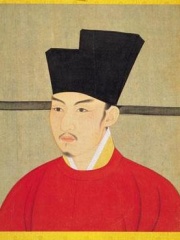
Emperor Zhezong
POLITICIAN
1076 - 1100
HPI: 65.56
Posição: 387
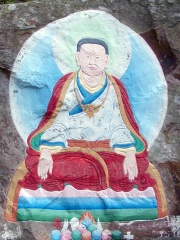
Marpa Lotsawa
PHILOSOPHER
1012 - 1097
HPI: 65.55
Posição: 388
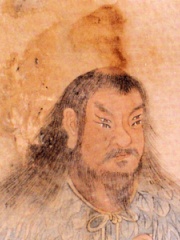
Cangjie
HISTORIAN
2650 a.C. - presente
HPI: 65.55
Posição: 389
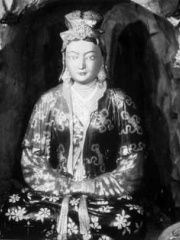
Princess Wencheng
POLITICIAN
628 - 680
HPI: 65.55
Posição: 390

J. G. Ballard
WRITER
1930 - 2009
HPI: 65.51
Posição: 391
Huang Chao
POLITICIAN
801 - 884
HPI: 65.51
Posição: 392
Emperor Shang of Han
POLITICIAN
105 - 106
HPI: 65.51
Posição: 393
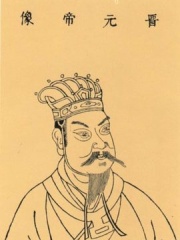
Emperor Yuan of Jin
POLITICIAN
276 - 323
HPI: 65.50
Posição: 394
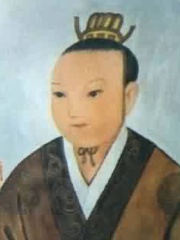
Emperor Zhi of Han
POLITICIAN
138 - 146
HPI: 65.50
Posição: 395
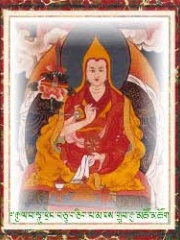
11th Dalai Lama
RELIGIOUS FIGURE
1838 - 1856
HPI: 65.48
Posição: 396
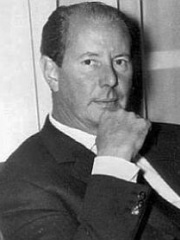
Terence Young
FILM DIRECTOR
1915 - 1994
HPI: 65.48
Posição: 397
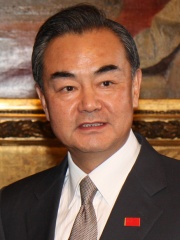
Wang Yi
POLITICIAN
1953 - presente
HPI: 65.46
Posição: 398
Entre Político em China
Entre Político nascidos em China, Huang Chao ocupa a posição 229. Antes dele vêm Emperor Huai of Jin (300), Zhong Hui (225), Emperor Ningzong (1168), Emperor Wenzong of Tang (809), Emperor Zhezong (1076), e Princess Wencheng (628). Depois dele vêm Emperor Shang of Han (105), Emperor Yuan of Jin (276), Emperor Zhi of Han (138), Wang Yi (1953), Jin Youzhi (1918), e Zhu Wen (852).
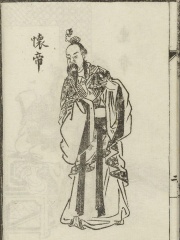
Emperor Huai of Jin
300 - 313
HPI: 65.87
Posição: 223
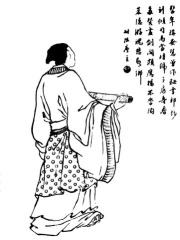
Zhong Hui
225 - 264
HPI: 65.78
Posição: 224
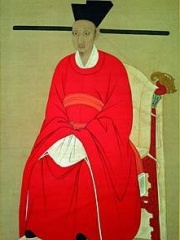
Emperor Ningzong
1168 - 1224
HPI: 65.74
Posição: 225
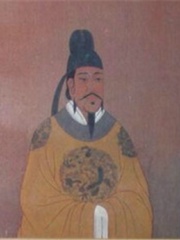
Emperor Wenzong of Tang
809 - 840
HPI: 65.69
Posição: 226
Emperor Zhezong
1076 - 1100
HPI: 65.56
Posição: 227
Princess Wencheng
628 - 680
HPI: 65.55
Posição: 228
Huang Chao
801 - 884
HPI: 65.51
Posição: 229
Emperor Shang of Han
105 - 106
HPI: 65.51
Posição: 230
Emperor Yuan of Jin
276 - 323
HPI: 65.50
Posição: 231
Emperor Zhi of Han
138 - 146
HPI: 65.50
Posição: 232
Wang Yi
1953 - presente
HPI: 65.46
Posição: 233

Jin Youzhi
1918 - 2015
HPI: 65.42
Posição: 234
Zhu Wen
852 - 912
HPI: 65.41
Posição: 235




