Politikus
Li Siyuan
867 - 933
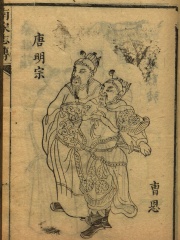
 Li Siyuan
Életrajza 16 különböző nyelven érhető el a Wikipédián. Li Siyuan a 11,375th legnépszerűbb politikus (csökkenés a 7,856th-ről 2024-ben), a 739th legnépszerűbb életrajz Kína országából (csökkenés a 574th-ről 2019-ben) és a 381st legnépszerűbb Kínaból politikus.
Ismertségi mutatók
64k
Oldalmegtekintések
Elmúlt 12 hónap
59.97
HPI
Történelmi népszerűségi index
Adatérdekességek
16
Li Siyuan életrajza a Wikipédia 16 nyelvi változatában érhető el, történelmi népszerűségi indexe 59.97.
Li Siyuan oldalmegtekintései nyelvenként
A(z) Politikus között
A(z) Politikus között Li Siyuan a(z) 11,369. helyen áll 20,022 közül. Előtte állnak: Hugh V, Count of Maine, Elihu Yale, Eberhard of Franconia, Remismund, Bakili Muluzi, és Francis Pym. Utána következnek: Pedro Santana, Yukhym Zvyahilsky, Jassim bin Mohammed Al Thani, García Jiménez of Pamplona, Grand Duke Boris Vladimirovich of Russia, és Roberto Micheletti.
A legnépszerűbb Politikus a Wikipédián
Összes rangsor megtekintése

Hugh V, Count of Maine
1062 - 1097
HPI: 59.97
Helyezés: 11,369
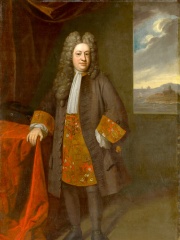
Elihu Yale
1649 - 1721
HPI: 59.97
Helyezés: 11,370
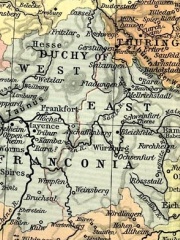
Eberhard of Franconia
885 - 939
HPI: 59.97
Helyezés: 11,371

Remismund
500 - 469
HPI: 59.97
Helyezés: 11,372
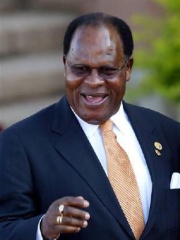
Bakili Muluzi
1941 - napjainkig
HPI: 59.97
Helyezés: 11,373

Francis Pym
1922 - 2008
HPI: 59.97
Helyezés: 11,374
Li Siyuan
867 - 933
HPI: 59.97
Helyezés: 11,375
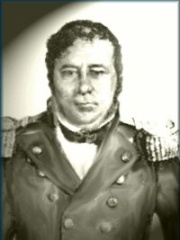
Pedro Santana
1801 - 1864
HPI: 59.97
Helyezés: 11,376

Yukhym Zvyahilsky
1933 - 2021
HPI: 59.96
Helyezés: 11,377
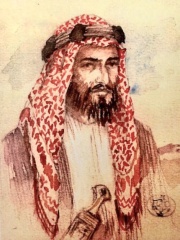
Jassim bin Mohammed Al Thani
1825 - 1913
HPI: 59.96
Helyezés: 11,378

García Jiménez of Pamplona
800 - 886
HPI: 59.96
Helyezés: 11,379
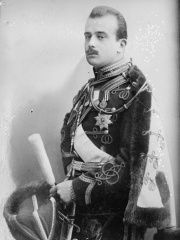
Grand Duke Boris Vladimirovich of Russia
1877 - 1943
HPI: 59.96
Helyezés: 11,380

Roberto Micheletti
1943 - napjainkig
HPI: 59.96
Helyezés: 11,381

Kortársak
A(z) 867. évben születettek között Li Siyuan a(z) 7. helyen áll. Előtte állnak: Emperor Uda, Emperor Yōzei, Emperor Zhaozong of Tang, Stephen I of Constantinople, Aznar Galíndez II, és Kyŏn Hwŏn. A(z) 933. évben elhunytak között Li Siyuan a(z) 4. helyen áll. Előtte állnak: Harald Fairhair, Alfonso IV of León, és Alfonso Fróilaz. Utána következik: Tryphon of Constantinople.
További személyek, akik a(z) 867. évben születtek
Összes rangsor megtekintése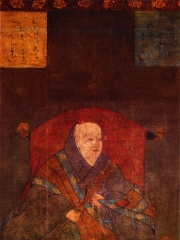
Emperor Uda
POLITICIAN
867 - 931
HPI: 67.13
Helyezés: 1

Emperor Yōzei
POLITICIAN
867 - 949
HPI: 65.74
Helyezés: 2
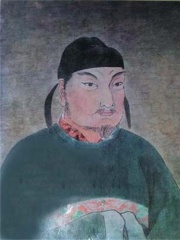
Emperor Zhaozong of Tang
POLITICIAN
867 - 904
HPI: 65.10
Helyezés: 3
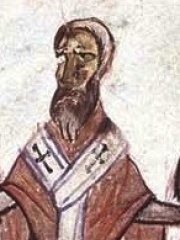
Stephen I of Constantinople
RELIGIOUS FIGURE
867 - 893
HPI: 60.92
Helyezés: 4

Aznar Galíndez II
POLITICIAN
867 - 893
HPI: 60.32
Helyezés: 5

Kyŏn Hwŏn
NOBLEMAN
867 - napjainkig
HPI: 60.07
Helyezés: 6
Li Siyuan
POLITICIAN
867 - 933
HPI: 59.97
Helyezés: 7
További személyek, akik a(z) 933. évben hunytak el
Összes rangsor megtekintése
Harald Fairhair
POLITICIAN
850 - 933
HPI: 77.69
Helyezés: 1
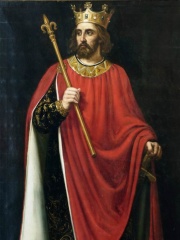
Alfonso IV of León
POLITICIAN
890 - 933
HPI: 66.05
Helyezés: 2

Alfonso Fróilaz
POLITICIAN
911 - 933
HPI: 61.33
Helyezés: 3
Li Siyuan
POLITICIAN
867 - 933
HPI: 59.97
Helyezés: 4

Tryphon of Constantinople
RELIGIOUS FIGURE
HPI: 58.48
Helyezés: 5
A(z) Kína rangsorában
A(z) Kína területén születettek között Li Siyuan a(z) 739. helyen áll 2,131 közül. Előtte állnak: Wang Meng (1308), King Hu (1932), Ng Man-tat (1952), Lin Huiyin (1904), Li Lisan (1899), és Xie Lingyun (385). Utána következnek: Guo Wei (904), Chu Suiliang (597), Peter H. Raven (1936), Xu Qiliang (1950), Empress Wang (Ping) (-8), és Emperor Xuanwu of Northern Wei (483).
További személyek, akik Kína területén születtek
Összes rangsor megtekintése
Wang Meng
PAINTER
1308 - 1385
HPI: 60.03
Helyezés: 733

King Hu
FILM DIRECTOR
1932 - 1997
HPI: 60.03
Helyezés: 734

Ng Man-tat
ACTOR
1952 - 2021
HPI: 60.02
Helyezés: 735
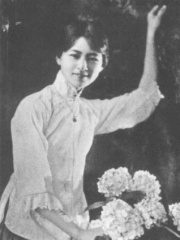
Lin Huiyin
ARCHITECT
1904 - 1955
HPI: 60.01
Helyezés: 736
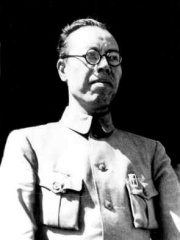
Li Lisan
POLITICIAN
1899 - 1967
HPI: 60.00
Helyezés: 737
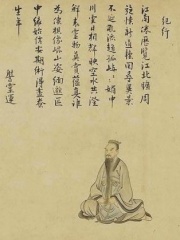
Xie Lingyun
MILITARY PERSONNEL
385 - 433
HPI: 59.98
Helyezés: 738
Li Siyuan
POLITICIAN
867 - 933
HPI: 59.97
Helyezés: 739

Guo Wei
POLITICIAN
904 - 954
HPI: 59.92
Helyezés: 740
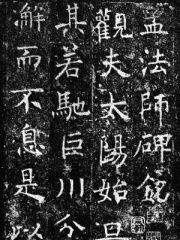
Chu Suiliang
POLITICIAN
597 - 658
HPI: 59.92
Helyezés: 741

Peter H. Raven
BIOLOGIST
1936 - 2026
HPI: 59.87
Helyezés: 742

Xu Qiliang
POLITICIAN
1950 - 2025
HPI: 59.83
Helyezés: 743
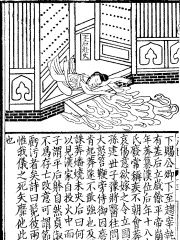
Empress Wang (Ping)
COMPANION
8 BC - 23
HPI: 59.83
Helyezés: 744

Emperor Xuanwu of Northern Wei
POLITICIAN
483 - 515
HPI: 59.81
Helyezés: 745
A(z) Politikus között – Kína
A(z) Kína területén született Politikus között Li Siyuan a(z) 381. helyen áll. Előtte állnak: Zeng Qinghong (1939), Emperor Mingyuan of Northern Wei (392), Shi Lang (1621), Hai Rui (1514), Wang Can (177), és Li Lisan (1899). Utána következnek: Guo Wei (904), Chu Suiliang (597), Xu Qiliang (1950), Emperor Xuanwu of Northern Wei (483), Liu Ziye (449), és Lien Chan (1936).
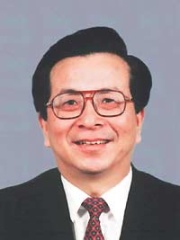
Zeng Qinghong
1939 - napjainkig
HPI: 60.36
Helyezés: 375
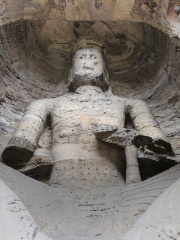
Emperor Mingyuan of Northern Wei
392 - 423
HPI: 60.27
Helyezés: 376

Shi Lang
1621 - 1696
HPI: 60.24
Helyezés: 377

Hai Rui
1514 - 1587
HPI: 60.21
Helyezés: 378

Wang Can
177 - napjainkig
HPI: 60.15
Helyezés: 379
Li Lisan
1899 - 1967
HPI: 60.00
Helyezés: 380
Li Siyuan
867 - 933
HPI: 59.97
Helyezés: 381
Guo Wei
904 - 954
HPI: 59.92
Helyezés: 382
Chu Suiliang
597 - 658
HPI: 59.92
Helyezés: 383
Xu Qiliang
1950 - 2025
HPI: 59.83
Helyezés: 384
Emperor Xuanwu of Northern Wei
483 - 515
HPI: 59.81
Helyezés: 385
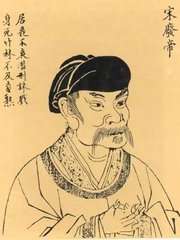
Liu Ziye
449 - 466
HPI: 59.72
Helyezés: 386
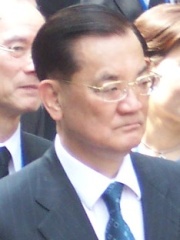
Lien Chan
1936 - napjainkig
HPI: 59.70
Helyezés: 387




