Político
Giovanni Galbaio
800 - 804
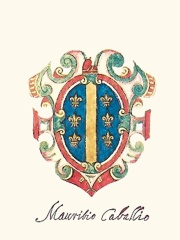
 Giovanni Galbaio
Sua biografia está disponível em 21 idiomas na Wikipédia (aumento em relação a 20 em 2024). Giovanni Galbaio é o 12087º político mais popular (caiu do 11301º em 2024), a 2983ª biografia mais popular da Itália (caiu do 2856ª em 2019) e o 742º político mais popular da Itália.
Métricas de memorabilidade
5.8k
Visualizações
Últimos 12 meses
59.24
HPI
Índice de Popularidade Histórica
Destaques dos dados
#40,467
Mais de 12 séculos após a morte, Giovanni Galbaio ainda ocupa a posição nº 40,467 entre todas as personalidades do Pantheon.
1 de jan.
Giovanni Galbaio faz aniversário no mesmo dia (1 de janeiro) que Mary, mother of Jesus, Saint Peter e Laozi.
Visualizações da página de Giovanni Galbaio por idioma
Entre Político
Entre Político, Giovanni Galbaio ocupa a posição 12,081 de 19,576. Antes dele vêm Jānis Rudzutaks, Princess Marie of Prussia, Lojze Peterle, Jean Joseph Mounier, Agustín Eyzaguirre, e José María Iglesias. Depois dele vêm Nicolae Ciucă, Omar Sharmarke, Deidamia I of Epirus, Gaius Caecilius Metellus Caprarius, Azlan Shah of Perak, e Dragan Tomić.
Político mais populares na Wikipédia
Ver todas as classificações
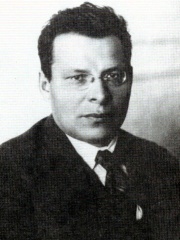
Jānis Rudzutaks
1887 - 1938
HPI: 59.24
Posição: 12,081
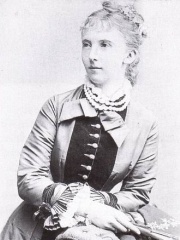
Princess Marie of Prussia
1855 - 1888
HPI: 59.24
Posição: 12,082
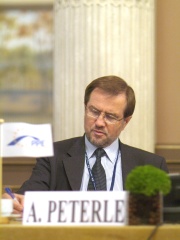
Lojze Peterle
1948 - presente
HPI: 59.24
Posição: 12,083
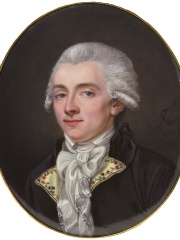
Jean Joseph Mounier
1758 - 1806
HPI: 59.24
Posição: 12,084
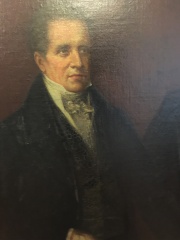
Agustín Eyzaguirre
1768 - 1837
HPI: 59.24
Posição: 12,085
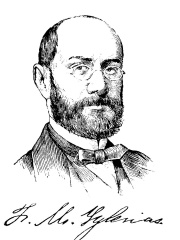
José María Iglesias
1823 - 1891
HPI: 59.24
Posição: 12,086
Giovanni Galbaio
800 - 804
HPI: 59.24
Posição: 12,087
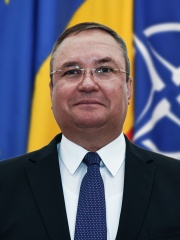
Nicolae Ciucă
1967 - presente
HPI: 59.23
Posição: 12,088

Omar Sharmarke
1960 - presente
HPI: 59.23
Posição: 12,089

Deidamia I of Epirus
400 BC - presente
HPI: 59.23
Posição: 12,090
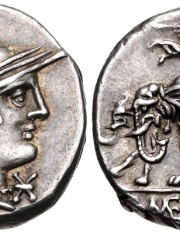
Gaius Caecilius Metellus Caprarius
160 BC - 1 BC
HPI: 59.23
Posição: 12,091
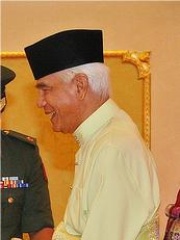
Azlan Shah of Perak
1928 - 2014
HPI: 59.23
Posição: 12,092
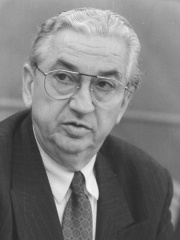
Dragan Tomić
1935 - 2022
HPI: 59.23
Posição: 12,093

Contemporâneos
Entre as pessoas nascidas em 800, Giovanni Galbaio ocupa a posição 60. Antes dele vêm Boso the Elder, García Jiménez of Pamplona, García Galíndez, Wulfstan of Hedeby, Ecgberht II of Kent, e Saraha. Depois dele vêm Maurizio Galbaio, Coenwulf of Mercia, Krešimir I of Croatia, Chorso, 'Abd al-Hamīd ibn Turk, e Wiglaf of Mercia. Entre as pessoas falecidas em 804, Giovanni Galbaio ocupa a posição 3. Antes dele vêm Alcuin, e Lu Yu.
Outras pessoas nascidas em 800
Ver todas as classificações
Boso the Elder
POLITICIAN
800 - 855
HPI: 60.16
Posição: 54

García Jiménez of Pamplona
POLITICIAN
800 - 886
HPI: 59.96
Posição: 55

García Galíndez
POLITICIAN
800 - 833
HPI: 59.92
Posição: 56
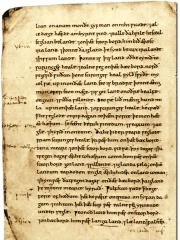
Wulfstan of Hedeby
EXPLORER
800 - 850
HPI: 59.91
Posição: 57
Ecgberht II of Kent
POLITICIAN
800 - 784
HPI: 59.90
Posição: 58

Saraha
POLITICIAN
800 - presente
HPI: 59.73
Posição: 59
Giovanni Galbaio
POLITICIAN
800 - 804
HPI: 59.24
Posição: 60
Maurizio Galbaio
POLITICIAN
800 - 797
HPI: 58.81
Posição: 61
Coenwulf of Mercia
POLITICIAN
800 - 821
HPI: 58.58
Posição: 62
Krešimir I of Croatia
POLITICIAN
800 - 945
HPI: 58.45
Posição: 63

Chorso
POLITICIAN
800 - 790
HPI: 58.35
Posição: 64

'Abd al-Hamīd ibn Turk
MATHEMATICIAN
800 - 900
HPI: 58.07
Posição: 65
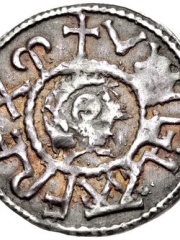
Wiglaf of Mercia
POLITICIAN
800 - 839
HPI: 57.84
Posição: 66
Outras pessoas falecidas em 804
Ver todas as classificações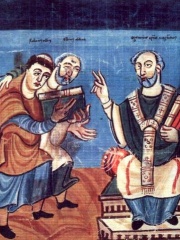
Alcuin
RELIGIOUS FIGURE
735 - 804
HPI: 73.89
Posição: 1
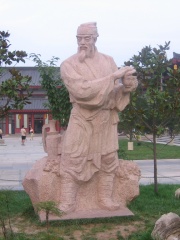
Lu Yu
WRITER
733 - 804
HPI: 66.22
Posição: 2
Giovanni Galbaio
POLITICIAN
800 - 804
HPI: 59.24
Posição: 3
Em Itália
Entre as pessoas nascidas em Itália, Giovanni Galbaio ocupa a posição 2,983 de 5,161. Antes dele vêm Pietro Loredan (1482), Rino Fisichella (1951), Benny Benassi (1967), Francesca Neri (1964), Umberto Orsini (1934), e Olympia Fulvia Morata (1526). Depois dele vêm Armando Picchi (1935), Giuseppe Parini (1729), Teodato Ipato (750), Louis Visconti (1791), Nicolò Longobardo (1565), e Camillo Caccia Dominioni (1877).
Outras pessoas nascidas em Itália
Ver todas as classificações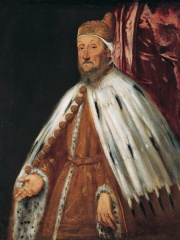
Pietro Loredan
POLITICIAN
1482 - 1570
HPI: 59.28
Posição: 2,977
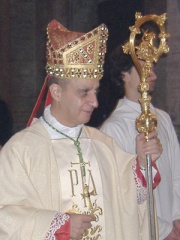
Rino Fisichella
RELIGIOUS FIGURE
1951 - presente
HPI: 59.27
Posição: 2,978

Benny Benassi
MUSICIAN
1967 - presente
HPI: 59.27
Posição: 2,979

Francesca Neri
ACTOR
1964 - presente
HPI: 59.26
Posição: 2,980
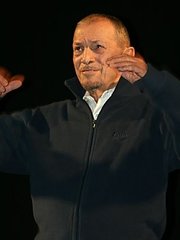
Umberto Orsini
ACTOR
1934 - presente
HPI: 59.26
Posição: 2,981
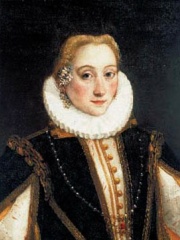
Olympia Fulvia Morata
WRITER
1526 - 1555
HPI: 59.24
Posição: 2,982
Giovanni Galbaio
POLITICIAN
800 - 804
HPI: 59.24
Posição: 2,983
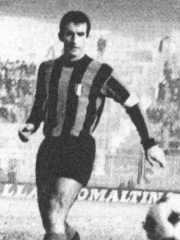
Armando Picchi
SOCCER PLAYER
1935 - 1971
HPI: 59.23
Posição: 2,984
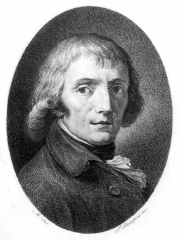
Giuseppe Parini
WRITER
1729 - 1799
HPI: 59.22
Posição: 2,985
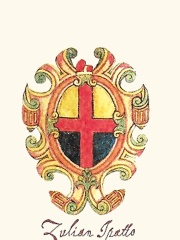
Teodato Ipato
POLITICIAN
750 - 800
HPI: 59.22
Posição: 2,986
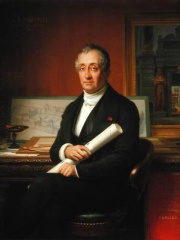
Louis Visconti
ARCHITECT
1791 - 1853
HPI: 59.21
Posição: 2,987
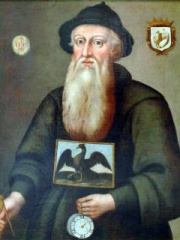
Nicolò Longobardo
RELIGIOUS FIGURE
1565 - 1655
HPI: 59.20
Posição: 2,988
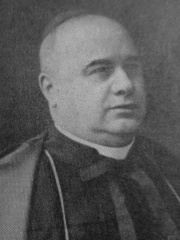
Camillo Caccia Dominioni
RELIGIOUS FIGURE
1877 - 1946
HPI: 59.20
Posição: 2,989
Entre Político em Itália
Entre Político nascidos em Itália, Giovanni Galbaio ocupa a posição 742. Antes dele vêm Fernando Tambroni (1901), Francesco Molin (1575), Michele Steno (1331), Proculus (300), Stefano Domenicali (1965), e Pietro Loredan (1482). Depois dele vêm Teodato Ipato (750), Andrea Vendramin (1393), Blanche of Montferrat (1472), Margaritus of Brindisi (1149), Bartolomeo Gradenigo (1260), e Giuseppe Volpi (1877).
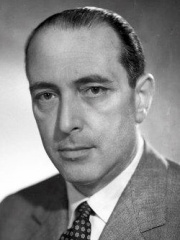
Fernando Tambroni
1901 - 1963
HPI: 59.36
Posição: 736
Francesco Molin
1575 - 1655
HPI: 59.35
Posição: 737
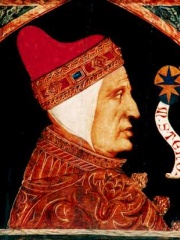
Michele Steno
1331 - 1413
HPI: 59.33
Posição: 738
Proculus
300 - 281
HPI: 59.30
Posição: 739

Stefano Domenicali
1965 - presente
HPI: 59.28
Posição: 740
Pietro Loredan
1482 - 1570
HPI: 59.28
Posição: 741
Giovanni Galbaio
800 - 804
HPI: 59.24
Posição: 742
Teodato Ipato
750 - 800
HPI: 59.22
Posição: 743
Andrea Vendramin
1393 - 1478
HPI: 59.19
Posição: 744
Blanche of Montferrat
1472 - 1519
HPI: 59.19
Posição: 745
Margaritus of Brindisi
1149 - 1197
HPI: 59.18
Posição: 746

Bartolomeo Gradenigo
1260 - 1342
HPI: 59.17
Posição: 747
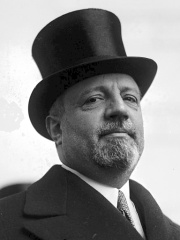
Giuseppe Volpi
1877 - 1947
HPI: 59.16
Posição: 748




