Religious Figure
Alcuin
8th century English scholar, clergyman, poet, and teacher
735 - 804
EN.WIKIPEDIA PAGE VIEWS (PV)
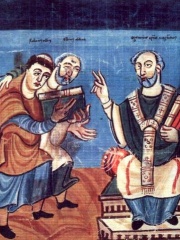
 Alcuin
His biography is available in 53 different languages on Wikipedia (up from 51 in 2024). Alcuin is the 501st most popular religious figure (down from 375th in 2024), the 394th most popular biography from United Kingdom (down from 226th in 2019) and the 6th most popular British Religious Figure.
Alcuin was a scholar and theologian from York, England. He was a student of the most famous scholar of the time, the Venerable Bede. Alcuin was also a tutor to Charlemagne. He is most famous for his role in the Carolingian Renaissance.
Memorability Metrics
280k
Page Views
Past 12 months
73.89
HPI
Historical Popularity Index
Page views of Alcuin by language
Among Religious Figures
Among religious figures, Alcuin ranks 501 out of 3,187. Before him are Antipope Benedict XIII, Pope Benedict V, Dietrich Bonhoeffer, Pope Stephen II, Zaynab bint Ali, and Dionysius the Areopagite. After him are John Climacus, Pope Victor II, Eric IX of Sweden, Thomas à Kempis, Charbel Makhlouf, and Vincent of Saragossa.
Most Popular Religious Figures in Wikipedia
Go to all Rankings
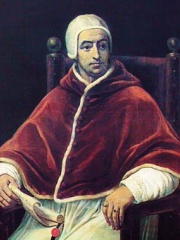
Antipope Benedict XIII
1328 - 1423
HPI: 74.05
Rank: 495
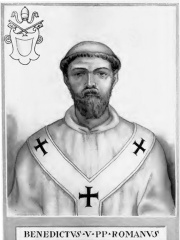
Pope Benedict V
930 - 965
HPI: 74.02
Rank: 496
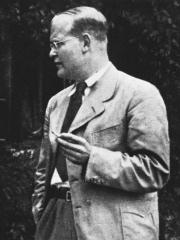
Dietrich Bonhoeffer
1906 - 1945
HPI: 74.02
Rank: 497
Pope Stephen II
715 - 757
HPI: 74.00
Rank: 498

Zaynab bint Ali
626 - 682
HPI: 73.95
Rank: 499
Dionysius the Areopagite
100 - 100
HPI: 73.94
Rank: 500
Alcuin
735 - 804
HPI: 73.89
Rank: 501
John Climacus
579 - 649
HPI: 73.89
Rank: 502
Pope Victor II
1018 - 1057
HPI: 73.88
Rank: 503
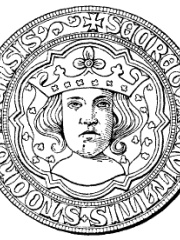
Eric IX of Sweden
1120 - 1160
HPI: 73.87
Rank: 504
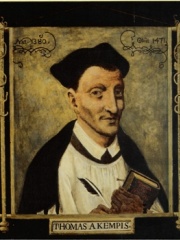
Thomas à Kempis
1380 - 1471
HPI: 73.86
Rank: 505
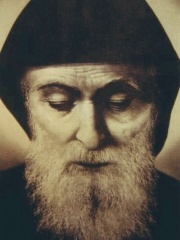
Charbel Makhlouf
1828 - 1898
HPI: 73.82
Rank: 506
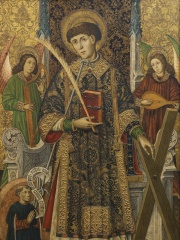
Vincent of Saragossa
300 - 304
HPI: 73.81
Rank: 507

Contemporaries
Among people born in 735, Alcuin ranks 1. After him are Kardam of Bulgaria, and Willehad. Among people deceased in 804, Alcuin ranks 1. After him are Lu Yu, and Giovanni Galbaio.
Others Born in 735
Go to all RankingsAlcuin
RELIGIOUS FIGURE
735 - 804
HPI: 73.89
Rank: 1

Kardam of Bulgaria
POLITICIAN
735 - 803
HPI: 65.74
Rank: 2
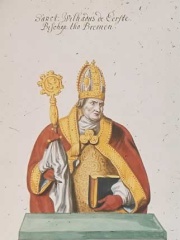
Willehad
RELIGIOUS FIGURE
735 - 789
HPI: 59.45
Rank: 3
Others Deceased in 804
Go to all RankingsAlcuin
RELIGIOUS FIGURE
735 - 804
HPI: 73.89
Rank: 1
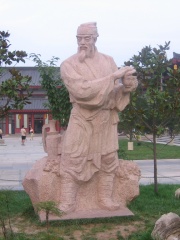
Lu Yu
WRITER
733 - 804
HPI: 66.22
Rank: 2

Giovanni Galbaio
POLITICIAN
800 - 804
HPI: 59.24
Rank: 3
In United Kingdom
Among people born in United Kingdom, Alcuin ranks 394 out of NaN. Before him are David Prowse (1935), Graham Greene (1904), Richard Henderson (1945), Emmeline Pankhurst (1858), M. Stanley Whittingham (1941), and William Hogarth (1697). After him are John Lydon (1956), John Constable (1776), Ian Gillan (1945), Ælfweard of Wessex (904), Daniel Day-Lewis (1957), and Gary Oldman (1958).
Others born in United Kingdom
Go to all Rankings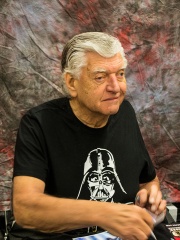
David Prowse
ACTOR
1935 - 2020
HPI: 74.00
Rank: 388
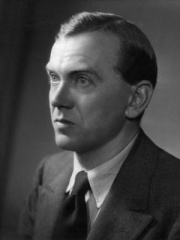
Graham Greene
WRITER
1904 - 1991
HPI: 73.99
Rank: 389
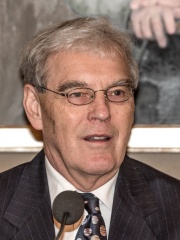
Richard Henderson
BIOLOGIST
1945 - Present
HPI: 73.98
Rank: 390
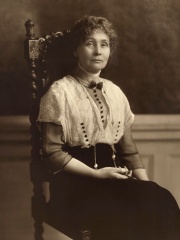
Emmeline Pankhurst
SOCIAL ACTIVIST
1858 - 1928
HPI: 73.94
Rank: 391

M. Stanley Whittingham
CHEMIST
1941 - Present
HPI: 73.91
Rank: 392
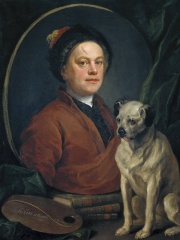
William Hogarth
PAINTER
1697 - 1764
HPI: 73.90
Rank: 393
Alcuin
RELIGIOUS FIGURE
735 - 804
HPI: 73.89
Rank: 394

John Lydon
SINGER
1956 - Present
HPI: 73.88
Rank: 395
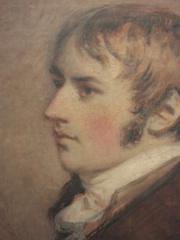
John Constable
PAINTER
1776 - 1837
HPI: 73.86
Rank: 396

Ian Gillan
SINGER
1945 - Present
HPI: 73.85
Rank: 397

Ælfweard of Wessex
POLITICIAN
904 - 924
HPI: 73.80
Rank: 398

Daniel Day-Lewis
ACTOR
1957 - Present
HPI: 73.78
Rank: 399

Gary Oldman
ACTOR
1958 - Present
HPI: 73.73
Rank: 400
Among Religious Figures In United Kingdom
Among religious figures born in United Kingdom, Alcuin ranks 6. Before him are Saint Patrick (385), Saint Boniface (680), John Harvard (1607), Saint Ursula (400), and Saint Walpurga (710). After him are William Laud (1573), John Wesley (1703), Thomas Becket (1119), Pope Adrian IV (1100), John Knox (1514), and Edward the Confessor (1003).
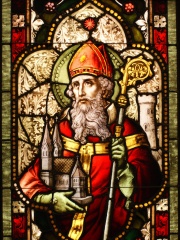
Saint Patrick
385 - 461
HPI: 77.66
Rank: 1
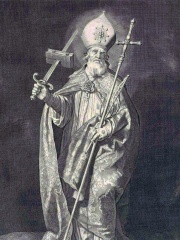
Saint Boniface
680 - 754
HPI: 77.14
Rank: 2
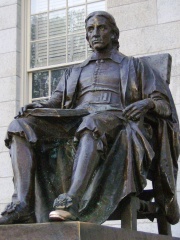
John Harvard
1607 - 1638
HPI: 77.02
Rank: 3
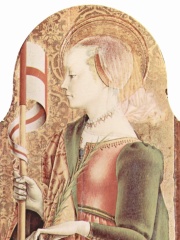
Saint Ursula
400 - 383
HPI: 75.60
Rank: 4
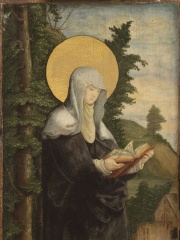
Saint Walpurga
710 - 779
HPI: 74.05
Rank: 5
Alcuin
735 - 804
HPI: 73.89
Rank: 6
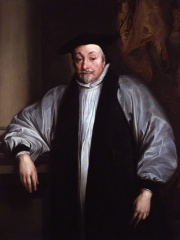
William Laud
1573 - 1645
HPI: 73.32
Rank: 7
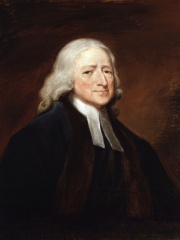
John Wesley
1703 - 1791
HPI: 71.96
Rank: 8
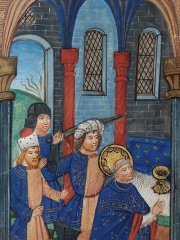
Thomas Becket
1119 - 1170
HPI: 71.64
Rank: 9
Pope Adrian IV
1100 - 1159
HPI: 71.56
Rank: 10
John Knox
1514 - 1572
HPI: 71.26
Rank: 11
Edward the Confessor
1003 - 1066
HPI: 71.18
Rank: 12




