Político
Dario III
380 BC - 330 BC
VISUALIZAÇÕES EM PT.WIKIPEDIA (PV)
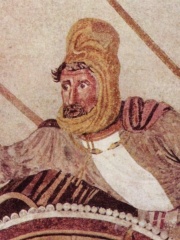
 Dario III
Sua biografia está disponível em 76 idiomas na Wikipédia (aumento em relação a 73 em 2024). Dario III é o 280º político mais popular (caiu do 204º em 2024), a 11ª biografia mais popular do Irã (caiu do 9ª em 2019) e o 5º político mais popular do Irã.
Métricas de memorabilidade
550k
Visualizações
Últimos 12 meses
81.71
HPI
Índice de Popularidade Histórica
Destaques dos dados
#954
Mais de 23 séculos após a morte, Dario III ainda ocupa a posição nº 954 entre todas as personalidades do Pantheon.
76
A biografia de Dario III aparece em 76 edições de idiomas da Wikipédia — mais do que 97% de todos os Político.
Visualizações da página de Dario III por idioma
Entre Político
Entre Político, Dario III ocupa a posição 280 de 19,576. Antes dele vêm Slobodan Milošević, Pratibha Patil, Augusto Pinochet, Louis Philippe I, Reinhard Heydrich, e Charles I of Austria. Depois dele vêm Demosthenes, Louis XII of France, Wu Zetian, Henry II of France, Ferdinand I of Austria, e Babur.
Político mais populares na Wikipédia
Ver todas as classificações
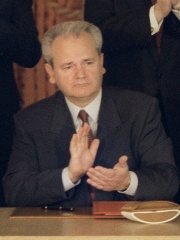
Slobodan Milošević
1941 - 2006
HPI: 81.78
Posição: 274
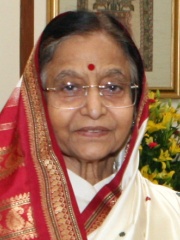
Pratibha Patil
1934 - presente
HPI: 81.77
Posição: 275
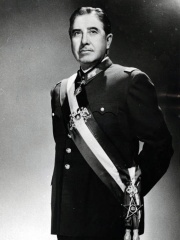
Augusto Pinochet
1915 - 2006
HPI: 81.77
Posição: 276
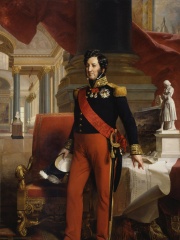
Louis Philippe I
1773 - 1850
HPI: 81.75
Posição: 277
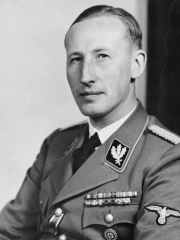
Reinhard Heydrich
1904 - 1942
HPI: 81.74
Posição: 278
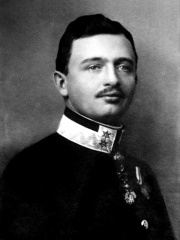
Charles I of Austria
1887 - 1922
HPI: 81.72
Posição: 279
Darius III
380 BC - 330 BC
HPI: 81.71
Posição: 280
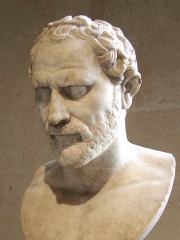
Demosthenes
384 BC - 322 BC
HPI: 81.70
Posição: 281
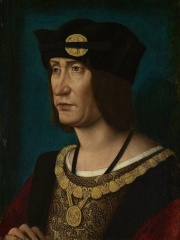
Louis XII of France
1462 - 1515
HPI: 81.70
Posição: 282

Wu Zetian
624 - 705
HPI: 81.68
Posição: 283
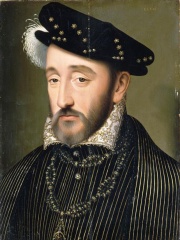
Henry II of France
1519 - 1559
HPI: 81.63
Posição: 284
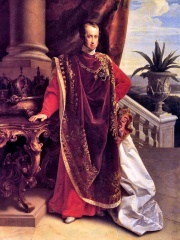
Ferdinand I of Austria
1793 - 1875
HPI: 81.62
Posição: 285
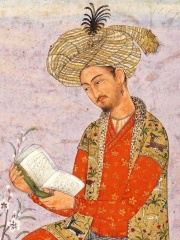
Babur
1483 - 1530
HPI: 81.60
Posição: 286

Contemporâneos
Entre as pessoas nascidas em 380 BC, Dario III ocupa a posição 1. Depois dele vêm Pytheas, Memnon of Rhodes, Oxyartes, Anaxarchus, Demades, Anaximenes of Lampsacus, Mentor of Rhodes, e Lanike. Entre as pessoas falecidas em 330 BC, Dario III ocupa a posição 1. Depois dele vêm Praxiteles, Ephorus, Philotas, Peucestas, Archestratus, Alexander of Lyncestis, Kidinnu, Nicanor, e Ariobarzanes of Persis.
Outras pessoas nascidas em 380 BC
Ver todas as classificaçõesDarius III
POLITICIAN
380 BC - 330 BC
HPI: 81.71
Posição: 1
Pytheas
EXPLORER
380 BC - 310 BC
HPI: 74.06
Posição: 2
Memnon of Rhodes
NOBLEMAN
380 BC - 333 BC
HPI: 68.39
Posição: 3
Oxyartes
POLITICIAN
380 BC - 400 BC
HPI: 65.97
Posição: 4
Anaxarchus
PHILOSOPHER
380 BC - 320 BC
HPI: 65.78
Posição: 5

Demades
POLITICIAN
380 BC - 317 BC
HPI: 63.41
Posição: 6

Anaximenes of Lampsacus
POLITICIAN
380 BC - 320 BC
HPI: 63.34
Posição: 7

Mentor of Rhodes
SOCIAL ACTIVIST
380 BC - 340 BC
HPI: 59.44
Posição: 8

Lanike
NOBLEMAN
380 BC - 339 BC
HPI: 53.76
Posição: 9
Outras pessoas falecidas em 330 BC
Ver todas as classificaçõesDarius III
POLITICIAN
380 BC - 330 BC
HPI: 81.71
Posição: 1
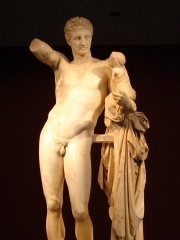
Praxiteles
SCULPTOR
395 BC - 330 BC
HPI: 78.31
Posição: 2

Ephorus
HISTORIAN
400 BC - 330 BC
HPI: 69.19
Posição: 3
Philotas
POLITICIAN
365 BC - 330 BC
HPI: 67.64
Posição: 4
Peucestas
MILITARY PERSONNEL
390 BC - 330 BC
HPI: 65.02
Posição: 5

Archestratus
WRITER
350 BC - 330 BC
HPI: 63.51
Posição: 6

Alexander of Lyncestis
MILITARY PERSONNEL
400 BC - 330 BC
HPI: 58.86
Posição: 7

Kidinnu
ASTRONOMER
400 BC - 330 BC
HPI: 58.67
Posição: 8

Nicanor
MILITARY PERSONNEL
400 BC - 330 BC
HPI: 58.52
Posição: 9
Ariobarzanes of Persis
POLITICIAN
368 BC - 330 BC
HPI: 58.31
Posição: 10
Em Irã
Entre as pessoas nascidas em Irã, Dario III ocupa a posição 11 de 631. Antes dele vêm Zoroaster (-2000), Ruhollah Khomeini (1902), Abu Nuwas (762), Jabir ibn Hayyan (721), Harun al-Rashid (766), e Mohammad Reza Pahlavi (1919). Depois dele vêm Ali Khamenei (1939), Bahá'u'lláh (1817), Esther (-600), Hafez (1325), Ismail I (1487), e Abdul Qadir Gilani (1078).
Outras pessoas nascidas em Irã
Ver todas as classificações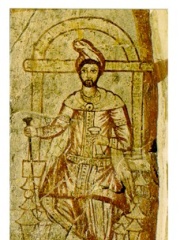
Zoroaster
RELIGIOUS FIGURE
2000 BC - 2000 BC
HPI: 85.42
Posição: 5
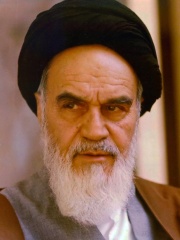
Ruhollah Khomeini
RELIGIOUS FIGURE
1902 - 1989
HPI: 83.10
Posição: 6
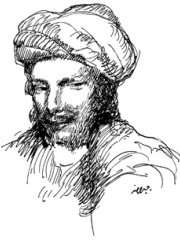
Abu Nuwas
WRITER
762 - 814
HPI: 82.59
Posição: 7
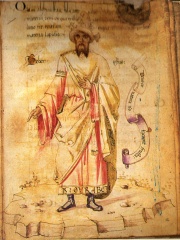
Jabir ibn Hayyan
CHEMIST
721 - 815
HPI: 82.30
Posição: 8
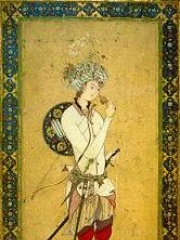
Harun al-Rashid
POLITICIAN
766 - 809
HPI: 82.20
Posição: 9
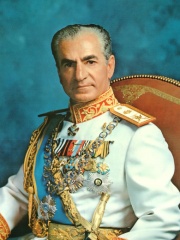
Mohammad Reza Pahlavi
POLITICIAN
1919 - 1980
HPI: 82.03
Posição: 10
Darius III
POLITICIAN
380 BC - 330 BC
HPI: 81.71
Posição: 11
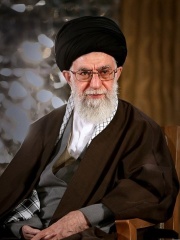
Ali Khamenei
POLITICIAN
1939 - 2026
HPI: 81.36
Posição: 12
Bahá'u'lláh
RELIGIOUS FIGURE
1817 - 1892
HPI: 81.34
Posição: 13
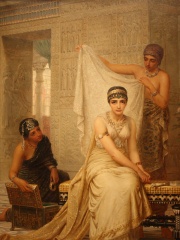
Esther
RELIGIOUS FIGURE
600 BC - 500 BC
HPI: 81.25
Posição: 14

Hafez
WRITER
1325 - 1389
HPI: 80.96
Posição: 15
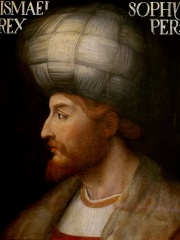
Ismail I
WRITER
1487 - 1524
HPI: 80.93
Posição: 16

Abdul Qadir Gilani
RELIGIOUS FIGURE
1078 - 1166
HPI: 79.64
Posição: 17
Entre Político em Irã
Entre Político nascidos em Irã, Dario III ocupa a posição 5. Antes dele vêm Xerxes I (-519), Cyrus the Great (-600), Harun al-Rashid (766), e Mohammad Reza Pahlavi (1919). Depois dele vêm Ali Khamenei (1939), Cambyses II (-550), Malik-Shah I (1055), Xerxes II of Persia (-500), Tahmasp I (1514), Khosrow I (501), e Nader Shah (1688).
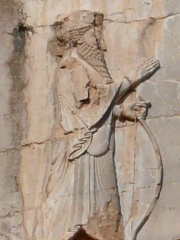
Xerxes I
519 BC - 475 BC
HPI: 87.97
Posição: 1
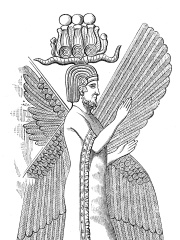
Cyrus the Great
600 BC - 530 BC
HPI: 86.91
Posição: 2
Harun al-Rashid
766 - 809
HPI: 82.20
Posição: 3
Mohammad Reza Pahlavi
1919 - 1980
HPI: 82.03
Posição: 4
Darius III
380 BC - 330 BC
HPI: 81.71
Posição: 5
Ali Khamenei
1939 - 2026
HPI: 81.36
Posição: 6
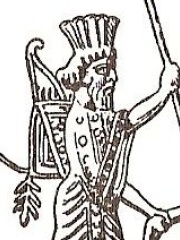
Cambyses II
550 BC - 522 BC
HPI: 78.72
Posição: 7
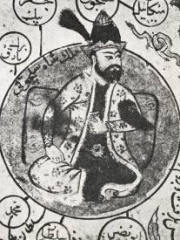
Malik-Shah I
1055 - 1092
HPI: 78.06
Posição: 8
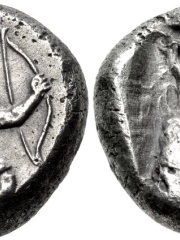
Xerxes II of Persia
500 BC - 424 BC
HPI: 77.43
Posição: 9
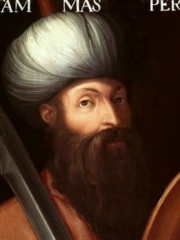
Tahmasp I
1514 - 1576
HPI: 77.27
Posição: 10
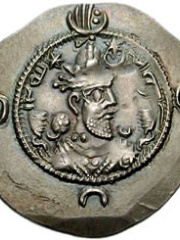
Khosrow I
501 - 579
HPI: 77.21
Posição: 11
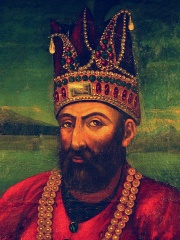
Nader Shah
1688 - 1747
HPI: 76.87
Posição: 12




